Home Blog Page 20

Rajasthan: 6 Intriguing Places to Visit in 2024

0

Scorching heat and Masala Chaach (buttermilk) taste different when you’re enjoying the Land of Kings, Rajasthan.

Wanderers who have spent years exploring the vast expanses of this ecstatic beauty will reveal so much about this land, holding spectacular surprises on every corner. So much so that once you explore and experience Rajasthan, it’s difficult to pack your bags.

The huge diversity both culturally and geographically sets Rajasthan as one of the most colorful states in India. Talking about the food, art, craft, forts, hills, rivers, desert, and wildlife (the list basically goes on) is never enough!

Sure, you must have visited Jaipur, Udaipur, or Jodhpur, but the beauty of some off-beat places in Rajasthan cannot be dismissed. Amid the popularity of such conventional destinations, there are several exotic, marvelous, and lesser-known places in Rajasthan.

Planning a trip to these places in 2024 can be the best getaway from the hustles and bustle of city life. So, we’ve made a list of six mind-blowing offbeat places in Rajasthan to explore this year.

6 Offbeat Places in Rajasthan

1. Serenity at Siliserh Lake

Truly off the radar, Siliserh Lake in Rajasthan is beauty in its purest form. The heavenly water body is located just 13 km from Alwar. It covers an area of 7 km. The King constructed this lake back in 1845 for supplying water to the residents in Alwar.

You can click some amazing sunset pictures while taking a six-seater motorboat ride for 30 minutes in the evening.

We can’t stress more, this place is an absolute beauty. One can witness migratory birds and more winged creatures. The windy and serene spot is pleasant for a picnic.

The best time to visit is between November to February.

Tourists from Delhi can reach Siliserh Lake easily within three to four hours.

2. Enjoy Sand Dunes & Stars in Khuri

Khuri is situated about 50 km southwest of Jaisalmer. Khuri makes for one of the exquisite offbeat places in Rajasthan. If you want some fun and thrill in life, this place is it!

Famous for its sand dunes, visit this quaint place to enjoy its incredible desert views, camping, and safari. The best time to visit would be somewhere around October to March because the temperature in summer could shoot up to 45°C.

Khuri boasts some beautiful homestays, but if you love stargazing, camping would be a great option for you.

Some special highlights of Khuri:

  • Khuri Sand Dunes
  • Horse Safari
  • Sam Sand Dunes
  • Camel Races

3. Manmade Lake in Rajsamand

Witness the second largest manmade lake, Rajsamand Lake in Rajsamand, another offbeat place in Rajasthan worth visiting! Well, it has become quite a famous wedding destination since the town is surrounded by nothing less than enchanting beauty.

Located almost 67 km north of Udaipur, the place also holds religious importance. Besides, Rajsamand is popular for marble craft, the single largest marble-producing unit in India.

The best time to visit is between October to March.

Some special highlights of Rajsamand:

  • Haldi Ghati
  • Kankroli
  • Rajsamand Lake
  • Kumbhalgarh Wildlife Sanctuary

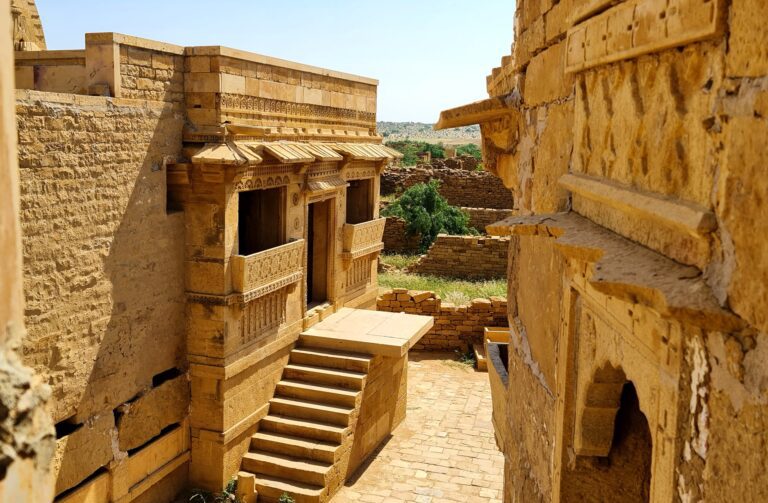
4. The Abandoned Village of Kuldhara

Do paranormal activities sends chills down your spine? If not, visit this thriving village of Kuldhara. What had happened in this village is still a mystery, but the lore says that villagers left it overnight and cursed misfortune on whoever tried to settle there.

However, who can stop the adventurous souls, eh? The village lies 17 km west of Jaisalmer.

There are several such villages in Rajasthan, but somehow Kuldhara and Bhangarh received much attention.

The best time to visit would be during the daytime when it still carries that haunting look.

5. Charming Bundi

If you are looking for intriguing places in Rajasthan, you should have Bundi on the list. It’s the perfect getaway from the monotony of city life. Bundi is all about forts and palaces. A magical destination that is cocooned by orchards of orange, guava, mangoes, and so much more.

The old city still carries the rustic medieval grandeur and charm, making it the best place for a great vacation. Keep your cameras ready, for the architecture is simply breathtaking.

Some special highlights of Bundi:

  • Raniji ki Baori
  • Kshar Bagh
  • Sukh Mahal
  • Jait Sagar Lake
  • Dabhai Kund
  • Taragarh Fort
  • 84 Pillared Cenotaph
  • Ramgarh Vishdhari Sanctuary
  • Nawal Sagar Lake

6. The Architectural Grandeur of Barmer

The last offbeat place in Rajasthan on our list is Barmer, a major part of the Thar Desert. Barmer is home to numerous historical attractions, being the perfect getaway from the stress of city life.

It is the center of handicrafts and folk architecture. The name Barmer become famous after the 18th century when it was frequently used by the Britishers. When visiting, don’t forget to see the wood carvings, block printing, and carpet making.

Make sure your camera is fully charged as Barmer is quite Instagram-worthy. Before planning up make sure your check the temperature because in summer, it can rise up to 50°C, and in winter fall to 0°C.

Some special highlights of Barmer:

  • Barmer Fort
  • Mahabar Sand Dunes
  • Safed Akhara

Embrace the beauty and nature of Rajasthan and tell us if the ‘Land of Rajas’ surprised you too!

Banner Image: Photo by UnKknown Traveller on Unsplash

Loading

Discovering the Twin Forts: Rajmachi Trek Unveiled

0

Situated between the well-known hill stations of Lonavala and Karjat is the Rajmachi Trek. Trekkers can ascend two forts beginning at the same base hamlet of Udhewadi on this route, which can be accessible from either the Lonavala or the Karjat side.

History of Rajmachi Fort

Rajmachi Fort is situated in the Pune district of Maharashtra, in the Sahyadiri mountains of the Western Ghats. The location is roughly 345 kilometers southeast of Mumbai and is close to the well-known hill station of Lonavala. Among the several medieval forts amid the untamed hills of the Sahyadri mountains (Western Ghats) is Rajamchi Fort (Killa). 

A broad machi (plateau) encircles the two Balekillas, Shriwardhan Ballekilla and Manaranjan Balekilla, which are the twin fortifications that make up the fortification. 

A little settlement of about 22 dwellings, Udhewadi is located on the machi at the southern base of Rajmachi Fort’s Manaranjan Balekilla. Year-round hikers and wildlife enthusiasts visit this area, which makes it an excellent walking path.

The Angre family, who led the Maratha naval in the eighteenth century, owned the fort, which was crucial to the outcome of the first Anglo-Maratha war

There are two ways to access Rajmachi Fort from Karjat Taluka in the Raygad District: one is from the Ulhas River’s right bank, and the other is from Salpe hamlet. Both approaches require a roughly 500-meter-long, steep ascent on foot. These two highways are impassable for car traffic. 

On the western side of Manaranjan Balekilla, at Jambhul Met, is where the first route arrives at Rajmachi. A different path from Salpe village leads to Rajmachi, which is located at Hijadkhana, northwest of Manaranjan Balekilla.

Although the Satavahanas constructed these forts, Shivaji Maharaj, who ruled over the fort in the fifteenth century, is credited with bringing them to fame. Shivaji Maharaj built multiple constructions inside the fort’s grounds to strengthen and enlarge it. The Marathas and the Mughals fought fights in the forts. The British took control of it later in the 1800s.

Main Attractions

Twin Forts of Manaranjan and Shrivardhan

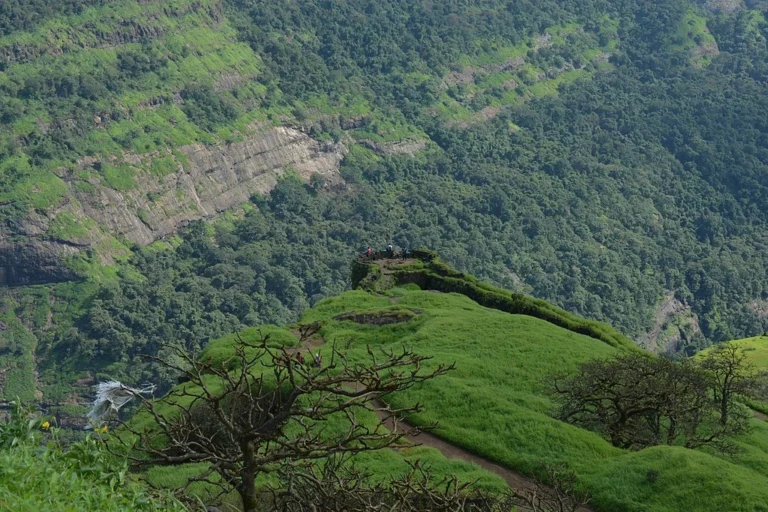
There’s a viewpoint from the forts. You can see Dhak Bahiri, Bhimashankar, and the Madan Point when looking north. There are views of Kataldhar, Lonavala, and Karjat from the south side.

Along the way, you may see Duke’s nose at the end, Valvan Dam, Tungarli Dam, and the valley that passes past the Hill Stations. The Monkey Hill is also visible from Shrivardhan Fort to the right.

The twin hill stations of Lonavala and Khandala, as well as the Kataldhar Waterfall during the monsoon season, are visible to the southeast (from your left).

Flora and Fauna of the Karjat and Khandala Forests

There is a wealth of vegetation and species along the walk. Numerous birds, lizards, and insects can be found in the forests. In this wooded zone, reports of sightings of the powerful leopards exist.

Choosing the Karjat side or the Lonavala side won’t let you down. Walking the trail entails passing through densely forested areas on both sides of the valley.

Sunrise views and stargazing

You get to see clear night skies because the trip is on the edges of Pune and Mumbai. The Rajmachi Trek is among the best treks for camping and stargazing at night. The hike can be prolonged to last two days. Planning to begin at one end and terminate at the other is also an option.

Don’t miss the breathtaking views of the fort as morning breaks, especially if you are camping along the trek.

Sight of Fireflies

The Rajmachi Trek is well-known for its firefly sightings. These luminous after-sunset bugs will take you to a fantastic place. Plan your hike wisely. Just before the monsoon season, you can witness an abundance of this stunning bioluminescence show.

Places to visit near Rajmachi

Kondane Caves

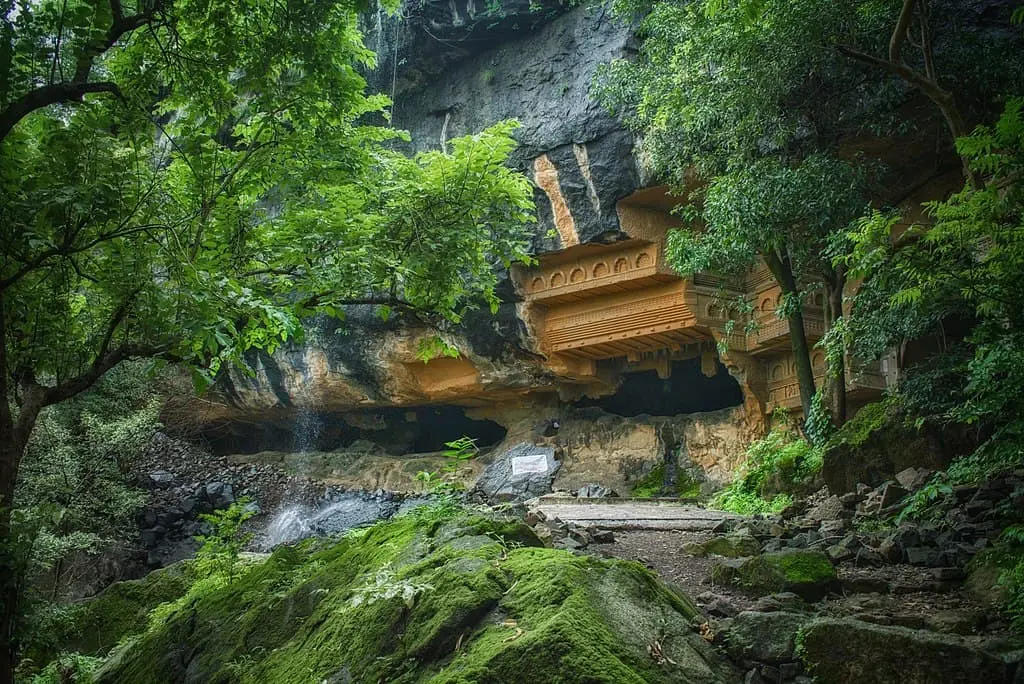
Image by Sreeyash6394

Kondane Caves are historic Buddhist rock-cut caves built out of the mountainside, located about 6 km from Rajmachi Fort. The caves, which are thought to have originated in the first century BC, provide insight into the rich cultural and architectural history of the area.

Bhimashankar Wildlife Sanctuary

Bhimashankar Wildlife Sanctuary, a biodiversity hotspot and sanctuary for nature lovers, is around 30 kilometers from Rajmachi Fort. Numerous bird species, the Indian giant squirrel, leopards, sambar deer, and other flora and fauna may be found in the sanctuary.

To appreciate the natural splendor of the sanctuary, visitors can go on wildlife safaris, nature walks, and treks.

Karla Caves

The Karla Caves are a set of ancient Buddhist rock-cut caves known for their exquisite architecture, and they are located approximately 45 kilometers from Rajmachi Fort. These 2nd-century BC caves have Chaitya halls, statues, and pillars with elaborate carvings.

The majestic Karla Chaitya, a Buddhist prayer hall with exquisite carvings, is the major attraction.

Visapur Fort

Another interesting ancient fort worth seeing is Visapur Fort, which is close to Rajmachi Fort. It provides expansive vistas of the surroundings and an excellent chance for hikers. Adventurers and history lovers love the fort because of its rough terrain and intriguing old remains.

Pawna Lake

Pawna Lake is a calm reservoir with clean waters and lovely surroundings that is around 15 kilometers from Rajmachi Fort. The lake is a great place to camp, go boating, and have picnics because of its serene atmosphere.

In addition to enjoying gorgeous sunsets and relaxing in the great outdoors, visitors can partake in water sports.

Lohagad Fort

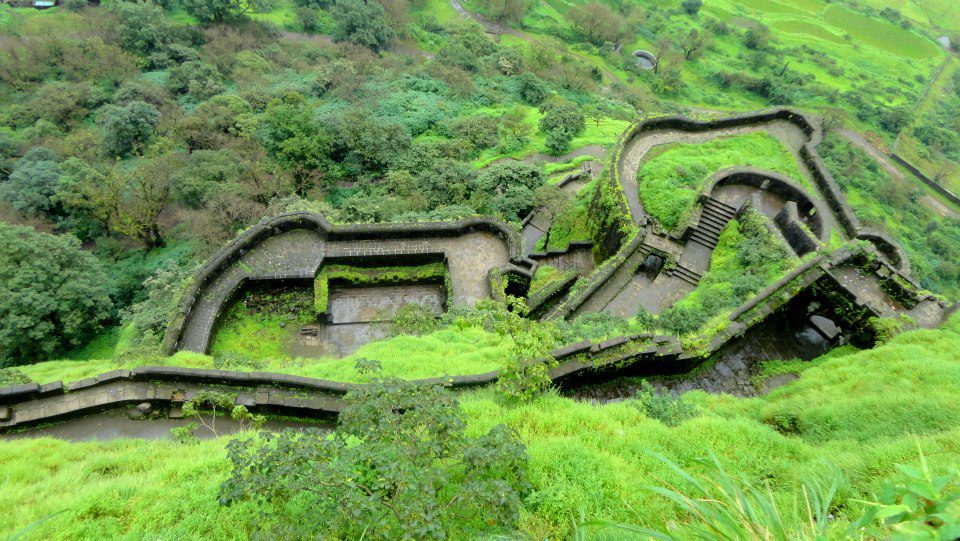
lohagad monsoon

At an elevation of 1,033 meters, Lohagad Fort is a magnificent hill stronghold situated approximately 25 kilometers away from Rajmachi Fort. The fort is well-known for its historical significance, opulent architecture, and stunning vistas of the Sahyadri Mountains.

Best Time to do the Rajmachi Trek

The Rajmachi Trek is possible throughout the year. The advantages and appeal of this walk vary depending on the month you hike, just like other treks. These are the specifics of what you might expect to see while trekking in these months.

The greatest times to see fireflies on the journey are in May and June. These bioluminescent beetles have a two-month lifespan. They will transport you to a magical place as they light brightly in the evenings and at night.

During the monsoon season, when trekking is popular, you can witness the allure of verdant valleys dotted with cascading waterfalls.

During the walk, the hue completely changes after the monsoon and during the winter. There’s nothing quite like trekking for the color of the fall foliage and unobstructed views.

How to Reach

By own vehicle

Rajmachi is an easily accessible trek that may be done with a car. Udhewadi is where the hike begins. Approximately 100 kilometers from Mumbai, this is your starting place or base village.

The following is how to go to Mumbai if you don’t have access to Google Maps: From Mumbai, travel to Panvel. After leaving Panvel, proceed along the Mumbai-Pune route till you arrive in Khandala.

By Train

The Express Train from Mumbai to Lonavala Railway Station is the most convenient route to the base.

Depending on whether you plan to do a day hike, a night trek, or a scheduled journey, reserve first class (for scheduled travel) or general class (for backpackers) tickets for the express trains to Lonavala.

Trek Itinerary

Day 1: Travel to Udhewadi village after arriving in Lonavala to begin the Rajmachi Trek.

A great weekend hike from Mumbai or Pune is the Rajmachi Trek. After a briefing and introduction session, meet our crew when you arrive in Lonavala by bus or rail.

From there, go to the Rajmachi Trek starting site at Udhewadi village Y intersection. Rajmachi Fort Trek is well-known for its nighttime Rajmachi Fireflies Trek.

Get to Rajmachi Fort, take a look around, enjoy a JAM session and a campfire in the evening, and spend the night in campers.

Day 2: Drive to Karjat station and trek from Rajmachi Fort to Karjat.

Get up early, eat a hearty breakfast, and then proceed to Karjat at Kondivade Village along the Rajmachi Trek route. On the way, you can also explore the Kondhana Caves.

The Rajmachi Trek route is home to many waterfalls and a verdant landscape during the monsoon season. However, be cautious when trekking as the path can become somewhat slick.

Our journey concludes when you get to Karjat.

Things to Carry

Stuff packed in a sturdy knapsack; because the monsoon is predicted to bring heavy rainfal pack wisely.

Windbreaker, raincoat, or poncho (avoid umbrellas only during rains)

A full change of clothes, a raincoat, a lightweight jacket, and socks in case they’re needed

A water bottle (1-2 litres)

Any personal medications

Comfortable clothing (full sleeves suggested) for trekking

Good athletic/trekking shoes (sandals, flip-flops, and floaters are not allowed on the trek)

A power bank to charge your phone because many locations don’t have electricity

Torchlight for events and night treks ✓ Identity verification required

Kit for personal hygiene.

Light Snacks: Fruit cookies, chocolate, and dry fruits.

Conclusion

In the warm embrace of the Sahyadri highlands, Rajmachi Fort cordially invites you to go out on an amazing experience via nature, history, and adventure. It is a living history of the Maratha spirit and the heritage of Chhatrapati Shivaji Maharaj, not merely a fort. You are taking part in a timeless tale of bravery, tenacity, and the continuing charm of Maharashtra’s past as you make your way through its difficult routes and investigate its historic buildings.

Featured Image Courtesy: BHARATHGOTTEMUKKULA

Loading

The Ultimate Guide for Kedarnath Yatra

0

Are you an adventure seeker looking for an exhilarating trip among the Himalayas’ majestic peaks? Look no further than the Kedarnath Yatra, an adventure that provides spiritual experiences, jaw-dropping scenery, and a sense of the majesty of nature.

About Kedarnath Trek

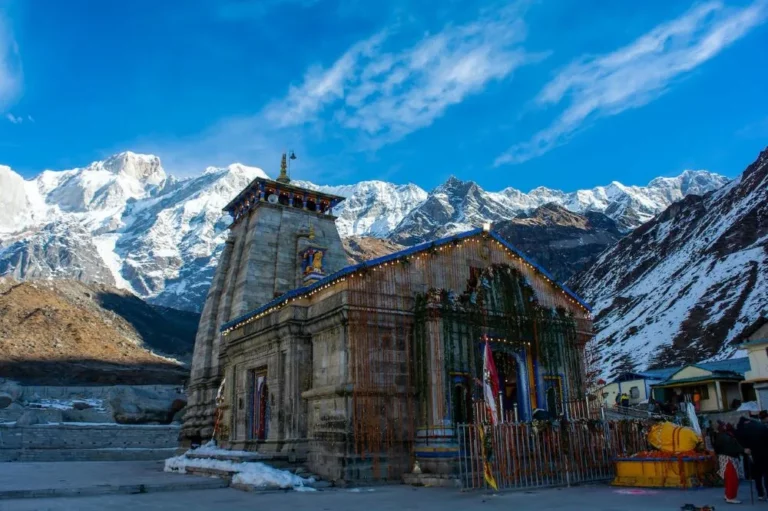
Tucked away in Uttarakhand, India’s Garhwal area, the Kedarnath Trek is both an adventurer’s dream and a highly respected pilgrimage. The journey leads to the revered Kedarnath Temple, honoring Lord Shiva, located 3,583 meters above sea level. The voyage is a spiritual adventure that reunites you with the untainted beauty of nature and age-old legends, not only about scaling new heights.

The trip to Kedarnath is eighteen kilometers long, beginning in Gaurikund and continuing all the way to the holy site of Kedarnath. The 2013 Uttarakhand flood tragedy prompted changes to this hike, extending the 14-kilometer original route to 16 kilometers.

Beyond its scenic splendor, the Kedarnath Trek carries great spiritual significance. This area is considered to be the home of Lord Shiva in Hindu mythology, which makes it a must-visit destination for followers. The trip itself turns into a purifying spiritual experience that strengthens one’s relationship with God.

The Kedarnath Trail offers a plethora of intriguing features and incredibly beautiful scenery. Adventurers are rewarded with glimpses of the shimmering beauty of the Mandakini River as they trek through lush forests, peaceful meadows, and tough terrain. 

The Chandrashila summit, the trail’s climax, offers expansive views of snow-capped peaks that etch themselves deeply into people’s memories. Trekkers are also captivated by the peaceful blue waters of the Vasuki Tal glacier lake, which is surrounded by high mountains.

Preparing for the Trek

Careful planning is essential before setting off on this amazing adventure. Make sure you have dependable trekking equipment, such as a map, energy foods, water bottles, comfortable clothes, and solid hiking shoes in addition to a sturdy backpack and other necessities. It is important to acclimate, so do some mild exercise a few weeks before and drink plenty of water.

Ideal Time to Visit

The months of May through June and September through October are the best times to undertake the Kedarnath Trek. These times of year have generally nice weather with clear skies and comfortable temperatures. It is advised to avoid the monsoon season because of the possibility of landslides and slick pathways.

How to Reach Kedarnath

Get to Haridwar or Rishikesh: 

The majority of Kedarnath’s travels begin in either of these two places. Major Indian cities are well-connected to these places via rail and road.

By Road: 

To get to Gaurikund, the starting point of the Kedarnath walk, from Haridwar or Rishikesh, you can take a bus or hire a taxi. The trip takes eight to ten hours and covers a distance of around 200 to 220 miles.

By Helicopter (Optional): 

You can travel to Kedarnath from Phata, Guptkashi, or Sersi by helicopter if you’d like a speedier and more convenient route. The trip time is greatly shortened, however, reservations must be made in advance.

Trek to Kedarnath: 

Hiking from Gaurikund is the primary route to the temple. The walk is around 16–18 km long and often takes 6–8 hours to finish. The walk path is clearly marked and travels through gorgeous scenery. Additionally, you can hire horses or mules to help you on the walk or to carry your belongings.

Stay En Route: 

Along the trekking path, there are rest areas and lodging options including Rambara and Kedarnath Base Camp. If you find the walk too difficult to finish in a single day, you can opt to spend the night at these locations.

Arrive in Kedarnath: 

Once there, you can explore the well-known Kedarnath Temple, which is devoted to Lord Shiva. The temple, which has great religious value, is tucked away in the Himalayas.

Journey Back: 

You have two options for returning to Gaurikund after visiting the temple: hiking or using a helicopter.

Travel Route

Sonprayag to Rishikesh: 

Hikers typically begin their adventure by driving from Rishikesh to Sonprayag. The starting point for the Kedarnath Trek is Sonprayag.

Sonprayag to Gaurikund: 

Trekkers go the five kilometers to Gaurikund from Sonprayag. Gaurikund is the starting point of the actual trip and is named for the goddess Parvati.

Gaurikund to Rambara: 

Rambara is around 7 kilometers away from Gaurikund and may be reached via the trail. Beautiful views of the Mandakini River and the surrounding mountains may be seen from the trail.

Rambara to Kedarnath: 

The remaining distance is around 6 kilometers, and the trek begins here. Trekkers ascend towards Kedarnath in a steeper route. Although the last stretch offers some of the most amazing views, the elevation climb makes it difficult at times.

Kedarnath Temple: 

One of the holiest Hindu sanctuaries devoted to Lord Shiva is located at an elevation of around 3,583 meters (11,755 feet): the Kedarnath Temple. Trekkers and pilgrims come to the temple to make offerings and ask for blessings.

Challenges during the Trek

The Kedarnath Trek is an exciting journey, but it’s not without its difficulties. Both physical endurance and mental resolve are required for the challenging climbs and descents on rocky terrain. It’s imperative to acclimate to the high altitudes in order to prevent altitude sickness, which can be uncomfortable. The weather can be erratic, with sunny days giving way to unexpected downpours or snowfall. 

It takes great attention to navigate through diverse settings, including small routes and river crossings. Furthermore, your ability to be self-sufficient may be put to the test by the absence of conveniences and spotty mobile network service throughout the journey. Notwithstanding these difficulties, completing the Kedarnath Trek offers a sense of satisfaction and an unmatched bond with the natural world.

Few things to note before the Trek

Starting the Kedarnath Trek is a wonderful adventure, but to guarantee a safe and happy journey, planning is essential. The following should be taken into account before you set out on your journey:

Physical Preparedness: 

The Kedarnath Trek takes place at high altitudes and over difficult terrain. Make sure you are prepared for the demands of the voyage and in good physical shape. Cardiovascular training and regular exercise can help increase stamina.

Weather Readiness: 

In the mountains, the weather can change very quickly. Bring clothes that can be worn in both hot and cold temperatures. Remember to pack rain gear so you can keep dry during unforeseen downpours.

Choosing Footwear: 

Invest in well-grimed, comfortable, and robust hiking shoes. Properly fitting shoes reduce the chance of discomfort and injuries.

Dress appropriately: 

To adjust to changing temperatures, layer your clothes. Higher heights might see sharp temperature drops, so pack warm clothes like caps, gloves, and jackets.

Important Documents: 

Keep your ID, licenses, and pertinent paperwork secure in a waterproof pouch. These may be required at various spots along the trail.

Nutrition and Hydration: 

Bring enough water with you to stay hydrated during the hike. To keep your energy levels up, pack high-energy snacks like energy bars, trail mix, and almonds.

First Aid Kit: 

Create a basic first aid pack with the necessary supplies, including bandages, antiseptic cream, painkillers, and any personal drugs you may need.

Communication Plans: 

It’s helpful to have a fully charged power bank with you, even though there may not be much coverage for cell networks. Tell someone you can trust about your planned hiking route and anticipated return date.

Honor Local Traditions: 

The Kedarnath region has a rich religious history. Honor the traditions, customs, and holy places of the area. Don’t litter and dress modestly.

Trekking Permits: 

Verify if you require permits in order to enter the trekking path. To avoid delays, get these permits in advance.

Guided Trek or Solo: 

Select whether you want to go on the trek with a guided group or on your own by making this decision. Treks with guides provide experience and logistical assistance.

Altitude Compensation: 

Give your body enough time to adjust to higher elevations. Avoid steep ascents, take rests, and pay heed to your body’s cues.

Environmental Responsibilities: 

Follow the guidelines of Leave No Trace. Take all of your trash back with you to contribute to maintaining the environment’s natural beauty.

Emergency Contacts: 

Make sure your emergency contact information is easily available. Keep an eye out for any local rescue and medical services.

Travel Insurance: 

Obtaining travel insurance that covers medical crises and trip cancellations is something you should think about doing.

Conclusion

The Kedarnath Trek offers an incredible fusion of adventure, spirituality, and scenic beauty that surpasses the ordinary. You’ll discover courage, comfort, and a fresh feeling of awe as you hike across the magnificent Himalayan landscape. Prepare yourself for this once-in-a-lifetime experience and welcome the voyage of a lifetime.

Featured Image by Photo by Sagar Shally

Loading

Conquering Netravathi Peak: Unveiling the Ideal Season for Your Adventure

0

Introduction

Netravathi Peak, a monument to the untainted, unadulterated beauty of nature, is tucked away in the Western Ghats’ luxuriant vegetation. This magnificent peak is a hiker’s heaven, providing an extremely gratifying trip that is both difficult and rewarding. The appropriate timing to set out on this adventure is essential for a successful trek to Netravathi Peak trek. In this post, we’ll explain the ideal time to go on this walk and examine why it’s such a magical adventure.

A Sight of Heaven At Netravathi Peak

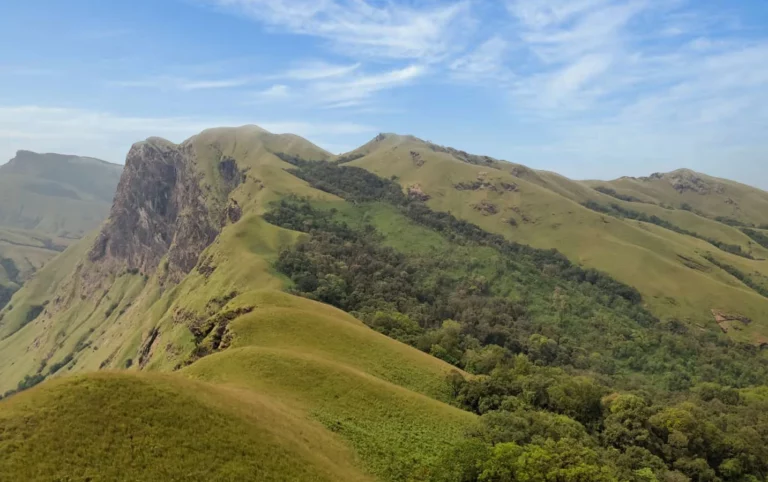
Part of the Western Ghats, a UNESCO World Heritage Site, is Netravathi Peak in the Karnataka province of Chikmagalur. This area is rich in biodiversity and is home to a wide variety of plants and animals. The journey to Netravathi Peak is energizing as it passes through deep forests, peaceful fields, and difficult terrain.

The neighboring Netravathi River, from which the summit takes its name, is the river’s source. For nature lovers and adventurers, the climb is a must because of the incredible views that can be had from the peak.

The Best Time to Hike to Netravathi Peak

While the Netravathi Peak climb may be enjoyed throughout the year, it’s important to choose the perfect time to set out on it if you want to get the most out of this breathtaking excursion. In order to determine the ideal time for your adventure, let’s examine the seasons:

Monsoon Season (June to September): 

The Western Ghats experience a lush, colorful scenery during the monsoon season. The tranquil sound of showers brings life to the grasslands and trees. However, due to the slick terrain and leeches, walking during this season might be difficult. The peak is frequently hidden by thick clouds, and the trails can be hazardous. Although the view is unquestionably breathtaking, it is only advised for experienced hikers who are equipped to handle the difficulties of the monsoon.

Season following the monsoon (October to November): 

The Netravathi Peak walk is ideal during the post-monsoon period. The terrain is now lush and green thanks to the rain. Cooler temperatures and beautiful skies characterize the lovely weather. This is a great time for novice hikers and provides superb visibility for summit panoramas 

Season of Winter (December through February): 

Another great season to hike up Netravathi Peak is in the winter. The clean, chilly air makes for a comfortable and delightful trekking experience. Since the sky is usually clear, the top offers unmatched views. It’s important to remember that this season might get crowded because of the great weather, so make sure to reserve your lodging and permits well in advance.

Pre-Monsoon Season (March to May):

Although it can get quite hot during this time, it’s still a fantastic time to go on a hike. Despite the somewhat dry surroundings, the weather is tolerable. This time of year is fantastic for birdwatching, and you might even see some unusual flora and fauna. The days can be warm, so remember to drink plenty of water and wear sunscreen.

Tips & Preparation for the Netravathi Peak Trek

No matter when you decide to hike to Netravathi Peak, the following preparations and advice will make the experience safe and fun:

Permits and Guides: 

Determine whether you need any permits for the trek, and always think about hiring a local guide. In addition to ensuring your safety, guides can enhance your experience by sharing their local knowledge.

Fitness: 

The Netravathi Peak walk is sort of difficult. You can navigate the course with ease if you have prior physical conditioning. It’s also advised to see a doctor before leaving on the trip.

Essentials for Traveling: 

Make sure to bring necessary items like decent hiking boots, cozy clothes, rain gear, and a bag. Don’t forget to bring a headlamp, an emergency kit, and bug spray.

Nutrition and Hydration: 

Carry plenty of water because it’s important to stay hydrated. Bring refreshments that will give you extra energy for the walk.

Responsible Trekking: 

Trek responsibly and try to leave no evidence of your journey. Don’t litter and respect the environment. To preserve the delicate environment, stick to the designated trails.

Conclusion

The Netravathi Peak climb is a once-in-a-lifetime opportunity to experience nature up close in one of India’s most untouched and breathtaking environments. When you decide to go on this expedition will have a big impact on how it goes. The post-monsoon season, which lasts from October to November, is sometimes regarded as the greatest period for the Netravathi Peak trip due to its ideal weather and clear visibility, while each season has its own distinct beauty.

Regardless of when you choose to explore Netravathi Peak, though, careful planning and a strong love of nature are prerequisites. You can start on a journey in this beautiful region of the Western Ghats that will not only physically test you but also leave you with lifelong memories with the correct preparation and environmental sensitivity. So prepare for an amazing trip to Netravathi Peak by lacing up your hiking boots, packing your bags, and leaving today.

Banner Image: banbanjara.com

Loading

Secret Trails: Discovering Offbeat Treks in Himachal

Himachal Pradesh is a treasure trove of breathtaking natural wonders, with towering mountains, lush valleys, pristine rivers, and dense forests. With touristy destinations like Shimla, Manali, and Dharamshala drawing tourists year-round, there exists a hidden world of offbeat treks in Himachal.

These relatively unexplored treks offer a different kind of adventure, where you can escape the crowds, and immerse yourself in a unique and rewarding experience. Let’s uncover some of these off-the-radar trails. 

Prashar Lake Trek

Photo by Amaan Ali

Nestled at an altitude of 2730 meters, the trail meanders through dense oak and rhododendron forests, offering panoramic views of the Dhauladhar and Pir Panjal ranges. At its heart lies the enchanting Prashar Lake, you’ll find the enchanting Prashar Lake, surrounded by a floating island in the middle. The serene lake holds great spiritual significance and is a sight to behold.

Altitude: 2,730 m 

Trek difficulty: Easy to moderate 

Duration: 2 to 3 days 

Best time to trek: April to June, September to November 

Lamadugh Trek

Image Source: Imran Kazi (Google)

If you’re in Manali, and seeking a day trek that’s off the beaten path, the Lamadugh trek is an ideal choice. It’s a relatively easy trek, making it accessible to first-timers as well. You’ll hike through lush meadows and enjoy the tranquillity of the mountains. The trail offers stunning views of the Manali Valley and the Rohtang Pass. 

Altitude: 3,018 m 

Trek difficulty: Easy 

Duration: 1 day 

Best time to trek: May to June, September to October

Sar Pass Trek 

Image Source: Vishal Solanki (Tripoto)

The Sar Pass trek promises a thrilling experience for hikers as they traverse through pine forests, serene meadows, and steep slopes. The highlight of this trek is the crossing of the Sar Pass, which is often covered with snow, providing a challenge for trekkers. The sense of accomplishment and the panoramic views make this trail worth every step.

Altitude: 4,220 m 

Trek difficulty: Moderate to difficult 

Duration: 5 to 6 days 

Best time to trek: May to June, September to November

Kugti Pass Trek 

Image Source: Go Himalayas

Not for the faint-hearted, this adventurous trek takes you through the lush Kugti Wildlife Sanctuary, offering a chance to spot wildlife like Himalayan bears and snow leopards. The high-altitude pass, not to mention its remote setting challenges even the experienced trekkers. However, the panoramic views of the Pir Panjal range and the picturesque trail of the Gaddis (nomadic herders) will be an unforgettable experience. 

Altitude: 5,050 m 

Trek difficulty: Difficult 

Duration: 8 to 10 days 

Best time to trek: June to September 

Barot Valley Trek 

Image Source: Rakesh (Trip Advisor)

One of the newly found offbeat treks in Himachal, the Barot Valley offers a tranquil escape from the bustling city life. Coined as a “weekend trek” by adventure seekers, this trail takes you through charming villages, apple orchards, and terraced fields. Find your way through the dense oak forests, and lush deodar trees to get a magnificent view of the Dhauladhar range and the Uhl River. 

Altitude: 1,819 m

Trek difficulty: Easy 

Duration: 1 to 2 days 

Best time to trek: March to June, September to November 

Indrahar Pass Trek 

Image Source: Easy My Journey

This relatively unexplored trek starts from McLeod Ganj. From here, you ascend through the dense rhododendron and oak forests towards Triund. As you advance towards Laka Got, the trail becomes steeper and the landscape more dramatic. Camping here is a surreal experience with the Dhauladhar peaks forming a majestic backdrop. The real challenge comes as you ascend to Indrahar Pass, but the panoramic views of the Dhauladhar Range, the Kangra Valley, and the Manimahesh Kailash Peak will be rewarding.

Altitude: 4,342 m 

Trek difficulty: Difficult 

Duration: 4 to 6 days 

Best time to trek: May to June, September to October 

These offbeat treks in Himachal offer a plethora of opportunities for adventure enthusiasts amidst the pristine Himalayan landscape. Exploring these hidden treks not only allows you to connect with nature but also provides an opportunity to witness the unspoiled beauty of Himachal Pradesh. So, if you’re seeking an offbeat adventure, consider stepping off the well-trodden paths to create unforgettable memories and a deeper appreciation of this Himalayan paradise.

Happy trekking! 

Banner Image Courtesy Sanket Barik

Loading

Kodaikanal Calling: Your Ideal Bangalore to Kodaikanal Tour

0

Introduction

Kodaikanal, the “Princess of Hill Stations,” attracts Bangalore visitors with its tranquilly, temperate environment, and many natural and cultural attractions. This picturesque hill region in Tamil Nadu’s Western Ghats is a fantastic getaway from city life. Bangalore to Kodaikanal is a great quick escape.

On this scenic journey, you’ll see lush greenery, clear lakes, foggy mountains, and a diverse flora and fauna. Kodaikanal has something for everyone, whether you’re a nature lover, adventurer, or relaxation seeker. This blog will help you plan your Bangalore to Kodaikanal tour package journey to maximise your time in this charming hill station. Fasten your seatbelts for an exciting trip to Kodaikanal.

Planning Your Bangalore-Kodaikanal Trip

Planning is essential for a memorable Bangalore-Kodaikanal trip. This section will help you plan an amazing trip.

Visit Kodaikanal at the correct time: 

The weather changes throughout the year. Summer (March–June) is the greatest time to visit for outdoor activities and nice weather. If you want a quieter, cooler experience, travel in the monsoon season (July–September) when the hills are green. Just remember that strong rains may interrupt preparations.

Budgeting: 

Budget for lodging, transportation, food, and activities. Kodaikanal has cheap and premium options, so you may customise your stay.

Booking accommodation: 

Choose from cosy cottages, luxurious resorts, and homestays for a unique experience. Book early, especially during high tourist season, to reserve your desired stay.

With the correct schedule, budget, and accommodations, you can organise the perfect Bangalore-Kodaikanal trip.

Travelling from Bangalore

Your tour from Bangalore to Kodaikanal includes breathtaking splendour and numerous transportation alternatives.

Modes of transportation: 

There are numerous methods to get to Kodaikanal from Bangalore. Self-drive road trips are a great way to see Tamil Nadu’s beautiful scenery. Alternatives include cheaper train and bus services. Select the transportation method that fits your schedule and preferences.

Suggested routes and their scenic beauty: 

Routes to Kodaikanal offer stunning views. Popular routes include NH183 via Salem and NH183A via Dindigul. These routes pass through lush forests, hillside communities, and meandering roads with breathtaking vistas. Stop along the way to enjoy the scenery and take photos.

What to expect on the journey: 

Bangalore to Kodaikanal takes 8-10 hours by car, depending on traffic. Set your departure time to avoid traffic and maximise daylight for safe and comfortable travel. Bring refreshments, entertainment, and necessary for the trip.

Your mode of transportation and routes are set, and you’re ready for an adventure to Kodaikanal.

Discovering Kodaikanal

Kodaikanal is full of natural and cultural wonders. This section covers the must-see sights and experiences that will make your vacation unforgettable.

Kodaikanal attractions overview: 

Kodaikanal, in the Western Ghats, has beautiful lakes, woods, and vistas. A tranquil atmosphere is perfect for relaxing and connecting with nature.

Must-visit places and experiences: 

Kodaikanal Lake, the town’s heart, is a beautiful site to boat and walk. Coaker’s Walk offers panoramic views of the hills and valleys. Bryant Park is ideal for picnics, and Pillar Rocks has spectacular views. Visit the Kodai Chocolate Factory for sweets and adventure sports and nature paths for more.

Local cuisine: 

Kodaikanal’s South Indian cuisine is delicious. Visit local restaurants to try Kodaikanal cheese, handcrafted chocolates, and dosas and idlis.

Your journey to Kodaikanal will be unforgettable with these tips on its attractions and cuisine.

Maximising Your Kodaikanal Stay

When planning your trip from Bangalore to Kodaikanal, consider how to maximise your stay in this picturesque hill station.

Weather and clothing: 

Kodaikanal is temperate, but pack accordingly. Bring layers for temperature changes. A light jacket or shawl is useful in summer evenings. Walking on hills requires comfortable shoes.

Beyond the tourist spots: 

Kodaikanal’s main attractions are must-sees, but consider visiting offbeat places for peace and unusual experiences. Explore secret vistas and peaceful routes to escape the throng and reconnect with nature.

Shopping in Kodaikanal: 

Homemade chocolates, essential oils, and spices are popular. Try local markets and shops for souvenirs and presents to take home from Kodaikanal.

You can maximise your Kodaikanal vacation with the correct clothes, an open mind for discovery, and a love of local shopping.

Photographing Memories: Tips

Beautiful views and locations make Kodaikanal a photographer’s paradise. We’ll discuss how to elegantly photograph your journey in this section.

Beautiful sites for photos: 

Kodaikanal has several gorgeous spots. Kodaikanal Lake’s tranquil waters, Coaker’s Walk’s stunning views, Pillar Rocks, and Bryant Park are great photo subjects. Don’t miss the colourful flora and fauna for macro and wildlife photography.

Photography tips for different weather conditions: 

Be ready for misty mornings and sunny afternoons when photographing. Edit your camera settings to capture the ideal moments. Low ISO and short shutter speed produce a dreamy impression in fog. Adjust settings to avoid overexposure and harsh shadows in bright sunshine.

These photography ideas can help you capture your Kodaikanal journey in vibrant, gorgeous photos.

Conclusion

Your ideal Bangalore to Kodaikanal excursion promises tranquilly in the Western Ghats and natural splendour. When planning your trip, remember that Kodaikanal has everything from tranquil lakes to foggy forests and bustling marketplaces.

You’ll make memories, meet people, and see beauty on your route, not simply the destination. Kodaikanal has something for everyone, whether you’re an adventurer, nature lover, or laid-back traveller.

So, enjoy every minute, discover the unorthodox paths, and immerse yourself in the local culture on this magical tour. Kodaikanal calls, so embrace it and be daring. Start your wonderful Bangalore-Kodaikanal tour. 

Banner Image by palani selvam from Pixabay

Loading