


Introduction
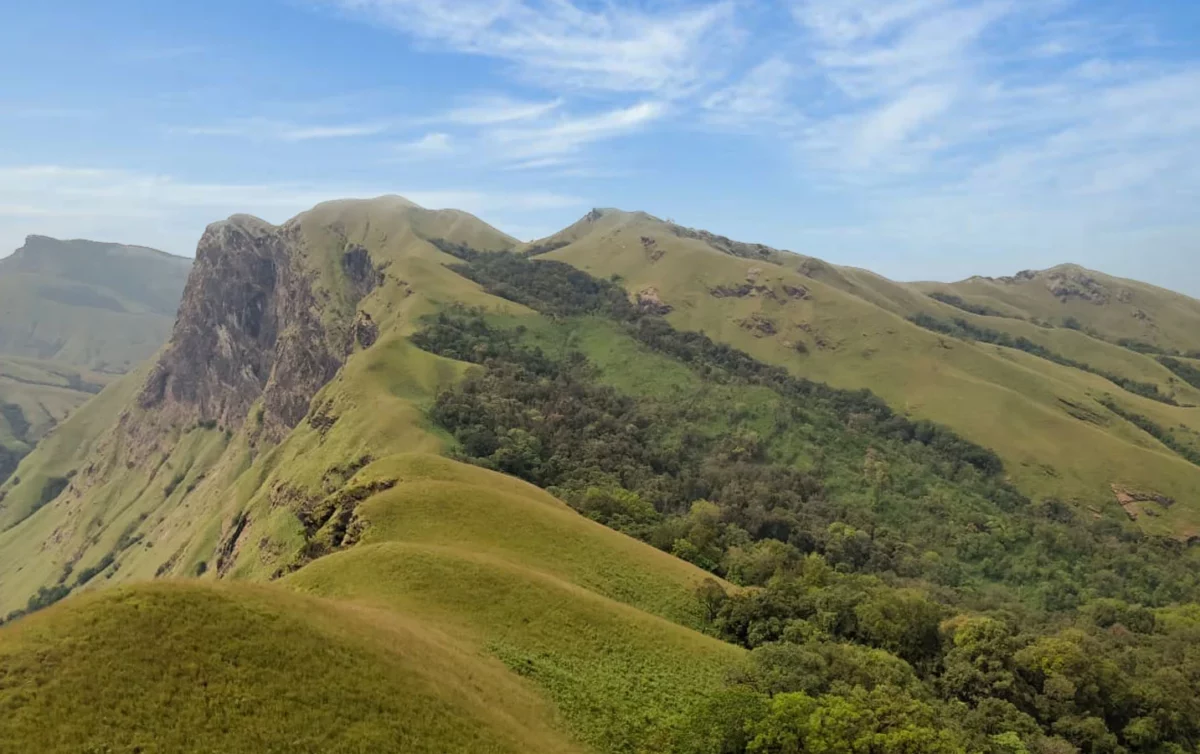
Netravathi Peak is one of Karnataka’s most rewarding one-day treks, sitting at an altitude of 1,578 metres (5,177 feet) in the Western Ghats near Chikmagalur. Covered in dense shola forests and rolling grasslands, the peak offers panoramic views that stretch across the Bababudangiri range and beyond.
The Netravathi Peak trek trek starts from the base village of Kunjalpete or Belligundi, covering roughly 12 km in a round trip that takes 6 to 7 hours at a comfortable pace. The trail passes through forest reserve land managed by the Karnataka Forest Department, so a permit is required before entering.
Timing your visit makes a significant difference. The conditions underfoot, the clarity of the sky, the density of leeches, and even the quality of the views all shift dramatically depending on the month you choose. This guide breaks it all down so you can plan a safe and memorable trek.
Netravathi Peak Trek: Quick Facts at a Glance
| Peak Altitude | 1,578 metres (5,177 feet) |
| Trek Distance | Approximately 12 km round trip |
| Trek Duration | 6 to 7 hours (round trip) |
| Difficulty Level | Moderate |
| Base Village | Kunjalpete / Belligundi |
| Nearest City | Chikmagalur (approx. 30 km away) |
| State | Karnataka, India |
| Best Time to Visit | October to February |
| Forest Permit | Required (available at the base) |
| Trek Type | Out and back |
A Sight of Heaven At Netravathi Peak
Netravathi Peak is part of the Bababudangiri hill range in Chikmagalur district, a region recognised for its high biodiversity within the Western Ghats UNESCO World Heritage Site. The peak is the source of the Netravathi River, which flows westward to meet the Arabian Sea near Mangaluru.
The trail begins at the forest checkpost near Kunjalpete or Belligundi village. From there, trekkers move through thick mixed forests before opening up into broad grassy slopes as the elevation increases. The final stretch to the summit involves a steeper climb that rewards those who complete it with unobstructed 360-degree views on clear days.
The terrain is moderately difficult. The forest sections are manageable year-round for fit walkers, but the open grassland sections near the top can be slippery in rain and exposed to wind and cold in winter months. First-time trekkers should be comfortable walking 12 km with around 700 metres of elevation gain.
The Best Time to Hike to Netravathi Peak
While the Netravathi Peak climb may be enjoyed throughout the year, it’s important to choose the perfect time to set out on it if you want to get the most out of this breathtaking excursion. In order to determine the ideal time for your adventure, let’s examine the seasons:
Monsoon Season (June to September):
The Western Ghats experience a lush, colorful scenery during the monsoon season. The tranquil sound of showers brings life to the grasslands and trees. However, due to the slick terrain and leeches, walking during this season might be difficult. The peak is frequently hidden by thick clouds, and the trails can be hazardous. Although the view is unquestionably breathtaking, it is only advised for experienced hikers who are equipped to handle the difficulties of the monsoon.
Season following the monsoon (October to November):
The Netravathi Peak walk is ideal during the post-monsoon period. The terrain is now lush and green thanks to the rain. Cooler temperatures and beautiful skies characterize the lovely weather. This is a great time for novice hikers and provides superb visibility for summit panoramas
Season of Winter (December through February):
Another great season to hike up Netravathi Peak is in the winter. The clean, chilly air makes for a comfortable and delightful trekking experience. Since the sky is usually clear, the top offers unmatched views. It’s important to remember that this season might get crowded because of the great weather, so make sure to reserve your lodging and permits well in advance.
Pre-Monsoon Season (March to May):
Although it can get quite hot during this time, it’s still a fantastic time to go on a hike. Despite the somewhat dry surroundings, the weather is tolerable. This time of year is fantastic for birdwatching, and you might even see some unusual flora and fauna. The days can be warm, so remember to drink plenty of water and wear sunscreen.
Season Overview at a Glance
| Month | Weather | Trail Condition | Recommended? |
| June to September | Heavy rain, humid | Slippery, leeches present | Experienced trekkers only |
| October to November | Pleasant, mild | Lush and green, clear paths | Best time to visit |
| December to February | Cool and clear | Dry, excellent visibility | Great option |
| March to May | Warm to hot | Dry, manageable | Go early morning |
Tips & Preparation for the Netravathi Peak Trek
No matter when you decide to hike to Netravathi Peak, the following preparations and advice will make the experience safe and fun:
Permits and Guides:
Netravathi Peak falls within Karnataka Forest Department jurisdiction. A forest entry permit is required to access the trail. Permits are typically obtained at the forest checkpost at the trailhead on the day of the trek. It is advisable to carry a printed or digital identity document (Aadhaar card, passport, or driving licence) as it may be required during registration.
The permit fee is nominal and varies slightly depending on the time of year and the current forest department policy. If you are hiring a guide through an operator or similar local agencies, they usually handle permit coordination as part of the booking.
Fitness:
The Netravathi Peak walk is sort of difficult. You can navigate the course with ease if you have prior physical conditioning. It’s also advised to see a doctor before leaving on the trip.
Essentials for Traveling:
Make sure to bring necessary items like decent hiking boots, cozy clothes, rain gear, and a bag. Don’t forget to bring a headlamp, an emergency kit, and bug spray.
Nutrition and Hydration:
Carry plenty of water because it’s important to stay hydrated. Bring refreshments that will give you extra energy for the walk.
Responsible Trekking:
Trek responsibly and try to leave no evidence of your journey. Don’t litter and respect the environment. To preserve the delicate environment, stick to the designated trails.
Frequently Asked Questions
What is the best month to trek Netravathi Peak?
October and November are the most popular and widely recommended months. The post-monsoon conditions offer lush scenery, clear skies, and dry trails. December to February is also excellent if you prefer cooler temperatures.
Is Netravathi Peak suitable for beginners?
Yes, with a caveat. The trek is rated moderate, and beginners who are reasonably fit and have comfortable footwear can complete it without difficulty during the post-monsoon and winter seasons. The monsoon season is not recommended for first-timers.
How long does the Netravathi Peak trek take?
Most trekkers complete the round trip in 6 to 7 hours, including rest stops at the summit. Allow a full day for the experience. Factor in travel time to and from Chikmagalur on top of this.
Is a guide compulsory for the Netravathi Peak trek?
A guide is not compulsory but is highly recommended, especially for first-time visitors. The forest trail has sections where it is easy to lose the path, and a local guide significantly improves both safety and the quality of the experience.
What wildlife might I see on the trek?
The forests around Netravathi Peak are part of a biodiversity-rich zone. Trekkers commonly spot langur monkeys, various species of hornbill, Malabar whistling thrush, and a wide variety of butterflies. Leopards and gaur (Indian bison) are present in the forest but sightings are rare.
Is camping allowed on Netravathi Peak?
Overnight camping within the forest area requires specific permission from the Karnataka Forest Department. It is not routinely permitted for general trekkers. Most people do this as a day trek from Chikmagalur or a nearby homestay.
Conclusion
The Netravathi Peak climb is a once-in-a-lifetime opportunity to experience nature up close in one of India’s most untouched and breathtaking environments. When you decide to go on this expedition will have a big impact on how it goes. The post-monsoon season, which lasts from October to November, is sometimes regarded as the greatest period for the Netravathi Peak trip due to its ideal weather and clear visibility, while each season has its own distinct beauty.
Regardless of when you choose to explore Netravathi Peak, though, careful planning and a strong love of nature are prerequisites. You can start on a journey in this beautiful region of the Western Ghats that will not only physically test you but also leave you with lifelong memories with the correct preparation and environmental sensitivity. So prepare for an amazing trip to Netravathi Peak by lacing up your hiking boots, packing your bags, and leaving today.
Banner Image: banbanjara.com


