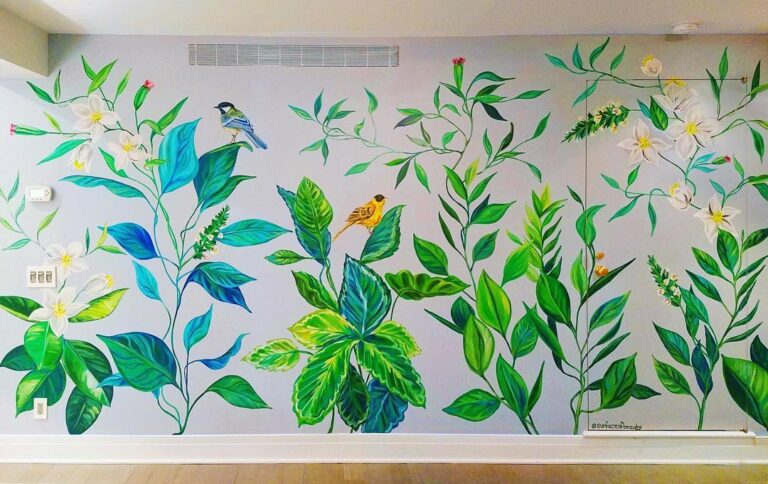
Adding warmth and sustainability to spaces, natural elements like flowers and plants play a vital role in every household. Incorporating natural elements by floral muralists in Austin can be an easy way to personalize your home and create an atmosphere you enjoy dwelling in.
Besides, it’s not just limited to transforming the bland walls inside, nature, as you would know, has a calming effect on the human mind. And in this fast-paced lifestyle, this is pretty much the need of the house. By bringing in a few natural elements to your home decor, you could bring a change to your lifestyle.
After talking to several floral muralists in Austin, we agreed that it’s not always possible to go out and enjoy nature. Still, we can definitely do this by bringing a little natural element inside. And here’s what the top muralists in the town suggest.
Infusing Nature in Your Home Decor
Floral murals have the ability to change the interior space into a vibrant oasis, where nature’s beauty can thrive. Muralists say these exquisite wall artworks capture the essence of plants and flowers, infusing interiors with tranquility.
Whether you prefer a subtle touch of elegance or prefer a bold vibrant statement, an experienced floral muralist in Austin or anywhere near you can transform the interior spaces into an inviting sanctuary. Here are some ideas you can use to infuse nature with your home decor:
1. Go for Botanicals in Dining Area
Bringing the charm of nature indoors with captivating designs, homeowners can go for botanical floral designs. These designs create an array of delicate flowers, vines, and leaves with a motif of creating a refreshing space that effortlessly enhances any interior. Get in touch with a floral muralist in Austin and give your dining area a natural charm with a timeless appeal!
2. Create a Playful Room for Kids
Creating a floral mural design in your kid’s room is the best decision you could ever make! Floral designs infuse imagination with a pinch of magic. These designs, including butterflies, vibrant flowers, and other natural elements, can ignite creativity in your child.
With these designs, your little one can enjoy staying inside as well and develop a love for the natural world. With children’s own lively nature, floral murals can create a delightful environment for them to explore and dream more.
3. Transform Your Bathroom
Consider transforming your bathroom into a peaceful retreat with a stunning floral mural design. These enchanting designs by experienced floral muralists in Austin showcase the beauty of nature.
Imagine entering a bathroom full of stunning floral mural designs featuring cascading vines and delicate blossoms. This design creates a tranquil and serene atmosphere, transporting you to a blissful garden where you can unwind and rejuvenate amidst the soothing presence of nature.
Whether you prefer a subtle and minimalist floral pattern or a bold and vibrant statement piece, incorporating a floral mural design in your bathroom can elevate your daily routine!
4. A Blissful Bedroom
To create a peaceful and serene bedroom environment, consider incorporating floral mural designs. These enchanting designs can transform your walls into a breathtaking botanical escape, where delicate flowers will envelop you for your good! This will help you create a blissful bedroom sanctuary that you can enjoy every day.
The intricate details and soft colors of the floral mural create the perfect surrounding for restful sleep and relaxation.
Floral murals come in a variety of styles, from soft pastels to bold and vibrant, making it easy to find one that matches your personal taste and creates a dreamy ambiance.
5. Create a Hallway Drama
Several floral muralists in Austin love the idea of adding a touch of drama to your hallway with their unique mural designs. This artwork can literally transform the space into a stunning gallery that grabs attention and sets the tone for your home.
By incorporating the mural designs in your hallway, the walls can come alive. Vibrant blossoms and vines create a breathtaking visual impact.
The hallway becomes an inviting passage that immerses you in nature’s beauty and creates a lasting impression.
So, it’s time to set the stage for a remarkable journey through!
Ready to Take Your Home to the Next Level?
Now you know that floral muralists can totally transform your space with their unique designs. So, don’t be too late in creating a harmonious living space. Whether you choose botanical floral designs, kids’ room designs, bathroom designs, blissful bedroom designs, or hallway drama designs, each option offers a unique beauty.
By collaborating with experienced floral muralists in Austin or your local area, you can customize the designs to suit your personal style and preferences.
Embrace the enchantment of nature and let these stunning artworks breathe life into your interior spaces, bringing the refreshing and invigorating essence of the outdoors inside your home.
Now that remote work and flexible work schedules are more common, more people can choose to work from home. Realizing that many kinds of work can be accomplished away from the office or the field is surely one of the things that the COVID-19 pandemic has done to people. The work from home setup has always been a thing even before the pandemic, but it became widespread and clearly advantageous when the outbreak happened. Because companies and employees have seen the benefits of working from home, many of them have retained this format even when the restrictions have loosened up.
Working from home is not totally easy as well though. Although it has obvious perks, it has unique challenges as well. Nevertheless, if you have a well-organized home office, you will have a good work from home experience. The ability to more easily differentiate between work and personal life due to having a designated home office area boosts performance and work-life balance.
A dedicated workspace, free from interruptions from the rest of the house, is provided by a home office. It enables people to make a space that meets their needs, reducing distractions and strengthening focus and attention. Better work-related supplies, tools, and paperwork organization is made possible by having a particular home office. This encourages efficiency because it makes it easier to obtain everything needed for work and results in increased and improved output.
Now, what many people working from home have an issue with is the noise that they always have to put up with. It could be noise coming from inside or outside the house. It could be occurring always, often or particularly during working hours. If the noise cannot be fully eliminated because you are at home, you can still do something to make your home office peaceful and productive for you.
Check out these 6 strategies to minimize and manage noise in your home office.
1 – Soundproof your home office.
Fill in holes and crevices. To fill gaps around windows, doors, and electrical lines, use weatherstripping or caulking. To limit the passage of sound, insulate the walls with insulating materials. Employ acoustic panels. Walls can be covered with soundproof panels to reduce noise reflections.
By reducing the amount of outside noise that enters your workstation, such as noise from road traffic, construction noise, howling pet dogs, or obnoxious neighbors, soundproofing can help. You can concentrate better on your job in a more peaceful, less disruptive and more serene setting as a result of the decrease in background noise.
Some occupations or job duties necessitate confidentiality and privacy. By preventing sound from leaking to the outside environment, soundproofing guarantees that private conversations or meetings held in your office remain hidden.
2 – Be smart with furniture placement.
To reduce noise interference, situate your desk away from noise sources like doorways, windows, and busy areas. Utilize cabinets, lockers or bookcases to your advantage. These can serve as sound-absorbing or sound-blocking shields.
3 – Operate flooring solutions.
To minimize sound reflection and take in footstep sounds, choose thick and dense carpets or rugs. In order to further limit noise spread, place underlay or cushioning beneath carpeting or flooring.
Rugs and carpets are excellent in absorbing and mudding sound, particularly impact sounds from moving furniture or footfall. Choose thick, dense carpets or rugs over thinner ones since they offer superior sound insulation. To lessen noise propagation, you may strategically position carpets in busy areas or under the surface of your work surface.
Additional sound insulation can be achieved by installing underlay or floor cushioning beneath your carpet or flooring. Noise transfer from the floor below is reduced because of these materials’ ability to soak up and deaden sound oscillations.
Natural cork has fantastic sound-absorbing capabilities. It can make a wonderful flooring option for a home office and helps to lessen impact disturbance. Along with being ecologically helpful, cork flooring is pleasant to walk on.
4 – Perform window treatments.
Add thick, heavy curtains or blinds to create a divider against the noise and to muffle outside sounds. To improve sound insulation, think about installing window inserts or additional glazing.
5 – Buy noise-canceling headphones.
Purchase an excellent set of noise-canceling headphones to reduce background noise and enhance focus when working.
Besides suppressing outside noise, noise-canceling headphones significantly improve the audio quality of conversations, video calls, virtual seminars and online presentations. By bringing down background noise, they can enhance speech clarity, making it simpler for you to follow along and participate in discussions.
A lot of noise-canceling headphones also have extra functions like equalization mechanisms or programmable sound configurations. You can adjust the audio settings to your liking, which can improve your listening experience and possibly make you feel more at ease during lengthy work periods.
6 – Agree with household members.
Set ground rules or schedules at home if the noise is caused by housemates. Let your roommates or family know when you’ll be working and ask for their participation to prevent distracting and bothersome noise. Talk with them, so they know what time they should be careful of making too much noises around your work area.
PEACE AND QUIET
You can customize your home office to fit your personality, preferences and working habits. If you want to establish a comfortable and efficient atmosphere that fosters wellness, happiness and productivity, you must prioritize ergonomic furnishings, ensure good lighting, manage the temperature well, and regulate the air quality. Work with skillful custom home builders when initially planning to have your new house allocated with a home office. Even for remodeling, you can contact them.
Combining the aforementioned tactics can greatly lower noise levels while you work from home and improve your concentration and productivity. All in all, you will have an enjoyable and effective working experience and output while working in your home office.
Truth be told, employees spend more time in the office they work in than in the house they live in. Because of the daily work demanded, people are often outside their homes and inside their workplace. It’s normal for most office workers, however, there’s something that must be completely observed and paid attention to. What is it? Health in the workplace.
For students, their school is their second home. For corporate workers, the office is. Officework should not be seen as something easier than fieldwork. Sitting in the office for the whole day is more physically exhausting than those who don’t work there know! It’s mentally draining and socially hampering, too, to face the computer screen and do paperwork everyday.
Office workers are prone to experiencing a number of sicknesses due to the setting and nature of their occupation. Physical inactivity gradually ruins their health. Most of the time, people do not notice how detrimental officework could be since it’s part of the reality, however, this should be addressed.
Companies must put their employees’ health on top of their priorities’ list. Without their employees, their businesses are nothing. Caring for their well-being is one of the things they should not neglect! Here are 8 ways to encourage better health in the workplace.
1 – A pantry with healthy snacks for free
It can be a good incentive for employees to have a cupboard full of complimentary food. To encourage staff to eat healthily, stocking the office pantry with nutritious food options is a terrific idea. Employees are more likely to make healthier decisions throughout the day when they have access to nutritious food selections, which can result in an improvement in their general health and wellbeing.
Instead of simply loading the pantry with sweet or processed refreshments, it’s important to provide a variety of healthy options along with occasional pleasures, such as fresh fruits, vegetables, healthful sauces and dips, almonds, granola bars, and dairy products.
To help employees stay hydrated during the day, it’s crucial to offer lots of water and other hydrating drinks.
2 – Supply of multivitamins
It’s also necessary to keep in mind that some employees may be suffering from illnesses or taking prescriptions that make it dangerous for them to ingest certain vitamins or supplements. In these situations, make sure to first be aware of your employees’ health information. All-purpose multivitamins would be effective.
3 – Improving workplace ergonomics
The science of creating and setting up the workplace to accommodate employees’ physical demands and abilities is known as workplace ergonomics. This is the study of how to organize a workspace to maximize productivity and reduce stress, disasters, and injuries. A well-planned workspace diminishes employee tiredness, unease and difficulty, and risk of injury while also improving their performance and output.
Numerous elements are considered in ergonomics, such as the physical demands of the task, the instruments and supplies utilized, the design of the work area, and the unique requirements and skills of the individual employees.
Workplace ergonomics can assist in lowering the risk of back pain and carpal tunnel syndrome by structuring workplaces and products to meet the physical needs and capacity of employees.
Workstations and devices that are well-constructed can make it easier for employees to do their jobs physically and with ease, which can enhance their general health and happiness at work. It raises spirits and efficiency while promoting workplace quality and safety. Staff turnover, employee hospitalizations, and workspace redevelopment costs are prevented or reduced.
4 – Thorough office sanitation
A hygienic office setting lowers the chance of disease and injury. Employees are far less likely to become ill or suffer breathing issues if filth, dust, germs and pathogens are removed from surfaces and ventilation and air quality is properly maintained. Employees can work more mindfully and successfully and remain dedicated if their workstation is tidy and well-organized.
Employees are more likely to feel appreciated and inspired when they work in a neat and orderly atmosphere. This affects the physical, mental and emotional wellness of everyone. A tidy workplace speaks volumes about the company’s principles and overall culture. Companies can show employees that they care about their health and are dedicated to fostering a healthy work environment by maintaining a clean and tidy office. In addition, it demonstrates professionalism.
5 – Hygiene kits available for use
By supplying hygiene kits, employers can show staff members that they are concerned about their health and are working to maintain a safe and healthy workplace.
Companies may urge employees to practice proper personal hygiene and avoid the spread of viruses and diseases in the workplace through the provision of ample hygiene kits. Effective hygiene procedures can lessen the danger of infections and the spread of ailments, which may improve worker wellness and health in general.
6 – Conducting outdoor team buildings
Outdoor team-building exercises sometimes include intense physical activities like sports, challenging obstacles, or mountaineering. These initiatives motivate staff to move around, which might enhance their physical health and wellbeing. They can exercise with or without an exercise equipment.
Physical activity and outdoor time can help lower stress levels as well as promote unwinding and tranquility; these may benefit mental wellness. Outdoor team building exercises can foster cooperation, communication, and collaborative working, which can strengthen team dynamics leading to a happier workplace.
7 – Monthly physical health assessments
Periodic health examinations can aid in the early detection of any health issues, enabling prompt treatment and better health results. Health evaluations can motivate staff to take care of their health and adopt healthy habits, including exercising more or giving up smoking. Encourage staff to adopt healthy habits.
Health examinations can contribute to the total fitness and well-being of employees by spotting and managing health concerns, which may minimize absenteeism and healthcare expenses.
8 – Mental health checkups
Regular mental health examinations can aid in the early detection of any mental health issues, enabling prompt treatment and improved results. Regular mental health screenings can aid in identifying and treating these issues, which will lower presenteeism and absenteeism.
It’s crucial to remember that mental health examinations should take place in a private, encouraging setting, and that staff members should feel comfortable talking about their concerns regarding their mental health with their healthcare professional. Companies ought to provide workers access to continuing tools and assistance for managing their mental health, such as flexible scheduling options when necessary and access to mental health resources.
_____________
HEALTHY WORKERS
There are rules and legislation in many nations requiring firms to give their workers a secure and healthy workplace. If these laws are broken, the company may face legal repercussions and reputational harm.
Higher levels of job satisfaction and employee engagement could happen when workers believe that their employer is concerned about their health and life as a whole. This can then result in a lower turnover rate and a more stimulating work atmosphere. A healthy workforce can also lower absenteeism and presenteeism, which refers to workers showing up for work but are not entirely functional because of health problems.
Employers have a social obligation to support their employees’ health as well as to improve society in its entirety. Companies can show their dedication to this duty and make a difference to the health of their communities by funding workplace health initiatives.
Uttarakhand is one state in India offering adventure to adrenaline junkies. Also called the ”Abode of Gods’ this Indian state draws adventure fanatics of all kinds throughout the year.
The beautiful state of Uttarakhand is a bundle of joy that is packed with mountains, rivers, meadows, snow-clad gradients, and mysterious paths. It’s an ideal destination offering adventurous activities that can rarely be found elsewhere.
Uttarakhand is home to picturesque treks in the country. The hikes offer unprecedented views that boost the place’s charm a lot more!
If you are someone wanting to experience the thrills of life along with maintaining spiritual contact with the almighty, Uttarakhand is the place that’s calling you!
Let’s take you through the adventure that you are missing out on!
1.Trekking
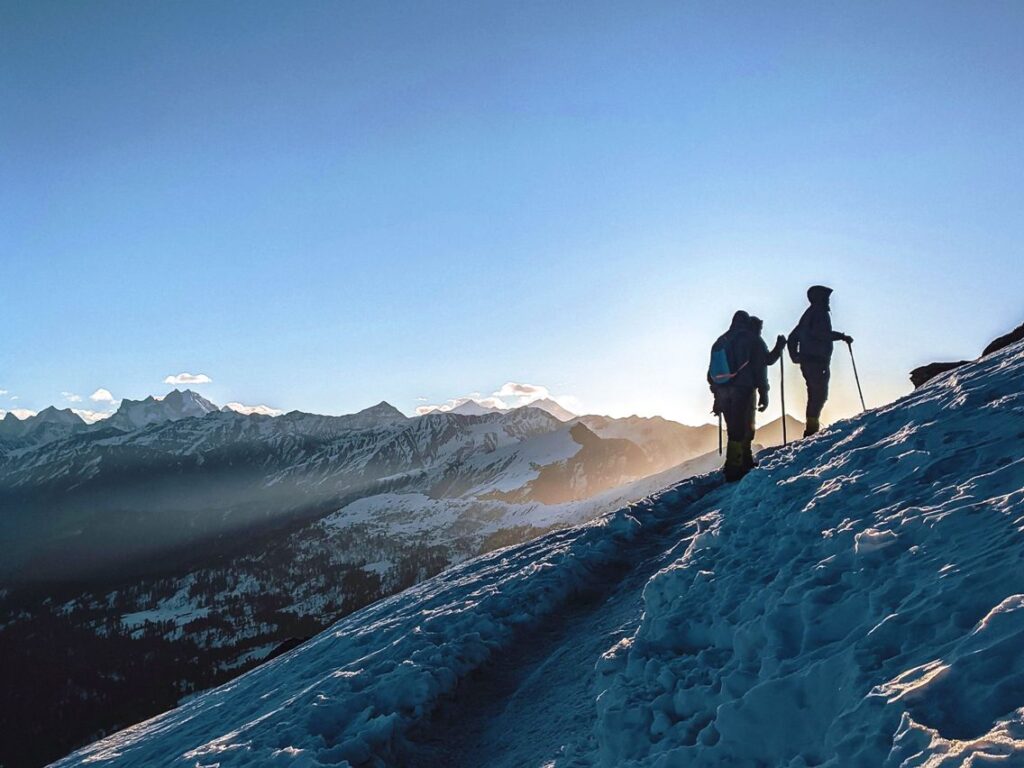
Uttarakhand has some famous Himalayan peaks and trails from easy, moderate, difficult, and tough. This Indian state boasts several picturesque and enchanting trekking routes. On your way, you will come across lush forests, snow-capped peaks, and water streams that are sure to put your mind and body at ease.
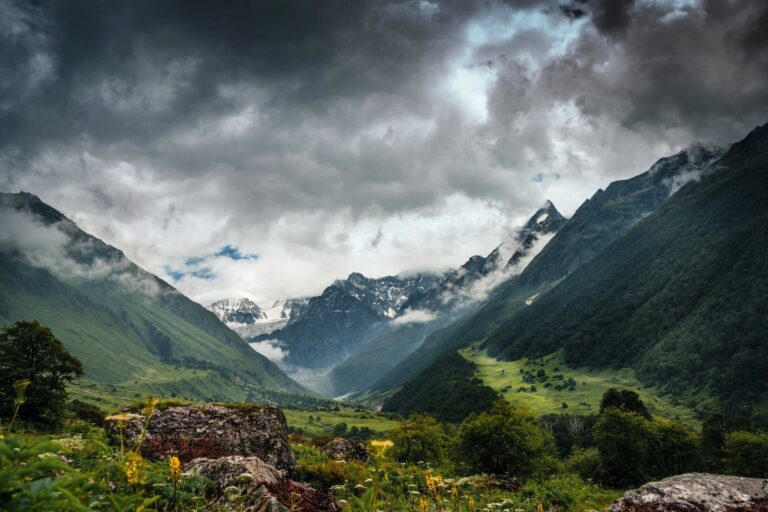
The snow-lad Nag Tibba summit is popular in winter, and the World Heritage trail of Valley of Flowers with spiritual Hemkund Sahib is popular in monsoon. While Deoriatal – Chopta – Tungnath – Chandrashila are famous for all-season.
Popular treks:Nag Tibba Trek, Kedarkantha Trek, Har Ki Dun Trek, Valley of Flowers Trek, Kuari Pass Trek, Roopkund Trek, Rupin Pass Trek, Dayara Bugyal Trek, Bagini Glacier Trek, Panchachuli Base Camp Trek, and more.
Best time to visit: April – October
Duration: Ranges between 1 day to 10 days
Average Cost: Costs vary, but tour operator costs could be somewhere around INR 6000 to INR 25,000 per person.
Fly like a bird because once you are in Uttarakhand, it’s time to go paragliding!
Rishikesh offers a jaw-dropping experience where you can glide with a parachute thrust by a motor fan. You can go for three types of jumps:
Valley expedition (30 mins)
Explorer (22 mins)
Kitty Hawk (10 mins)
Cost: INR 4400+ per person
In Mussoorie, adventure enthusiasts can witness the unparalleled beauty of the mountains from a height of 10,000 ft. above!
Cost: Between INR 1500 to INR 4500 per person
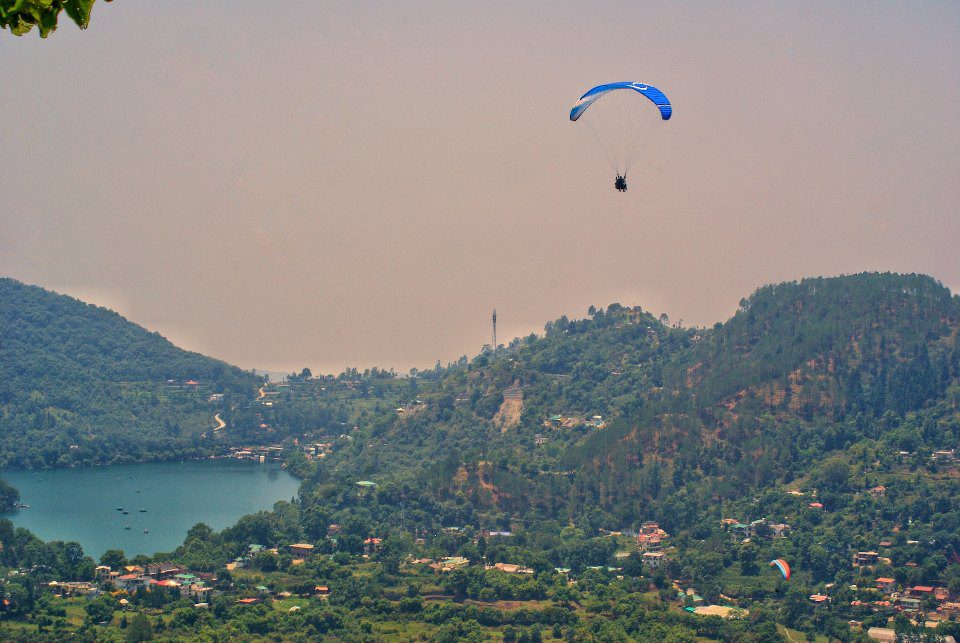
Nainital is another great location for paragliding. Nanital offers three types of experience:
Long flying – 30+ mins
High flying – 15+ mins
Medium – 3+ mins
Cost: Between INR 1300 to 6500 per person
Last on our list is Naukuchiatal, the ‘lake of nine corners.’ It offers a beautiful view, where you can feel your adrenaline rush from a certain height. You can fly for about 20 to 30 minutes.
Cost: INR 5000 per person
3. Whitewater Rafting
Uttarakhand, the land of sacred as well as turbulent rivers, offers one of the best whitewater rafting experiences in India. River Ganga creates thrilling rapids in Rishikesh, attracting adventure freaks from all parts of the country and beyond.
The rafting grades in Uttarakhand vary from I and VI, depending on the velocity of the flowing water. There are several locations in this state to enjoy river rafting, and major rivers flowing through Uttarakhand have some popular sections:
Ganga – The most popular section is on the River Ganga. It starts from Kaudiyala and goes 36 km to Rama Jhula in Rishikesh.
Yamuna – There’s a 20 km stretch of river between Nainbagh and Juddo. While Kali and River Sharda between Balwakot and Tanakpur section is also exciting. This stretch is about 95 km long and the longest stretch to enjoy river rafting.
Tons – River rafting can be enjoyed in the 30 km long stretch between Mori and Tuni.
Kosi – This has two stretches – one is a 40 km course between Khairna and Mohan, other is a 25 km between Kumheriya and Ramnagar.
Saryu – This has two sections as well – one is a 70 km stretch between Bageshwar and Rameshwar, and 20 km from here to Pancheshwar.
Ramganga – Raft for about 80 km between Thal and Rameshwar on the eastern stretch, and the western stretch for around 90 km between Chaukhutia and Marchula.
The best time to go river rafting in Uttarakhand is during March and June and after rainfall between September to December. Make sure you tick off this once in a lifetime kind of experience!
4. Ziplining
Ziplining is another experience that has gained popularity among tourists. Fly at a speed of 140-160 km/hr and feel the air gushing past. It is exciting to look down and witness moving slopes, gorgeous water streams, and greenery.
Ziplining in Rishikesh is a very enriching experience. In Rishikesh, ziplining can be done in Shivpuri, situated on the banks of the River Ganga. This activity is over 500 meters long.
The activity is conducted sometime between 9:30 am to 4:30 pm on all days. Other places where you can enjoy ziplining in Uttarakhand are Mussoorie and Nainital.
Cost: Ziplining in Rishikesh varies between INR 1000 to INR 1500.
5. Skiing
While skiing is not as popular as in some other regions in India, there are a few places in Uttarakhand where you can enjoy this winter sport, and one such destination is Auli.
Auli in the Chamoli district of Uttarakhand is referred to as the “Skiing Capital of India.” It offers excellent skiing opportunities with its long stretches of snow-covered slopes and breathtaking views of the Himalayan peaks.
Apart from Auli, other places in Uttarakhand where skiing is possible, include Dayara Bugyal, Munsiyari, and Khaliya Top. These places have fewer crowds compared to Auli.
Please note that the availability of skiing facilities and conditions may vary, and it’s always a good idea to do thorough research or consult with local tourism authorities before planning your trip.
Best time to visit for skiing: December to February
Concluding Note
Uttarakhand is called the “Abode of Gods,” offering a plethora of enthralling adventures for adrenaline junkies. From trekking to paragliding over picturesque landscapes, whitewater rafting in the roaring rivers, ziplining through lush forests, and skiing down snow-covered slopes, there’s something for everyone seeking an adventure in Uttarakhand.
With its unmatched natural beauty and a range of adventure activities, Uttarakhand truly captivates the hearts of adventure seekers. So, pack your bags and get ready to embark on an unforgettable journey filled with excitement, adrenaline, and memories that will last a lifetime!
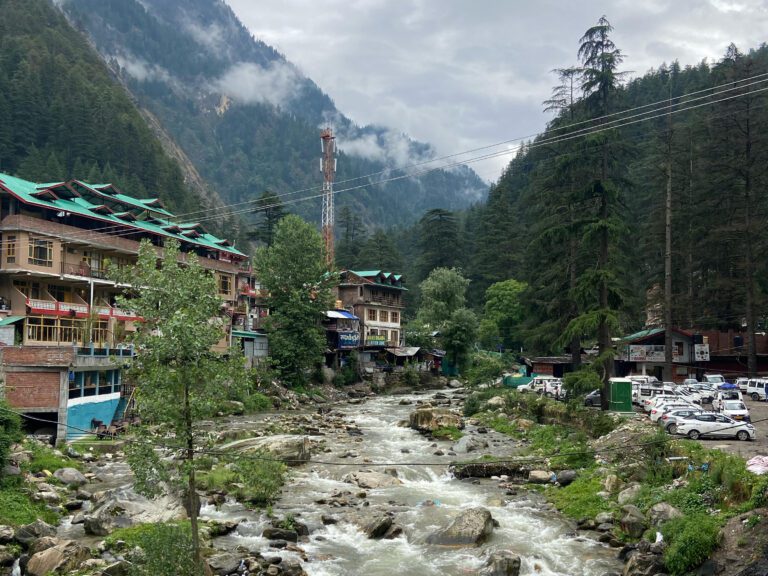
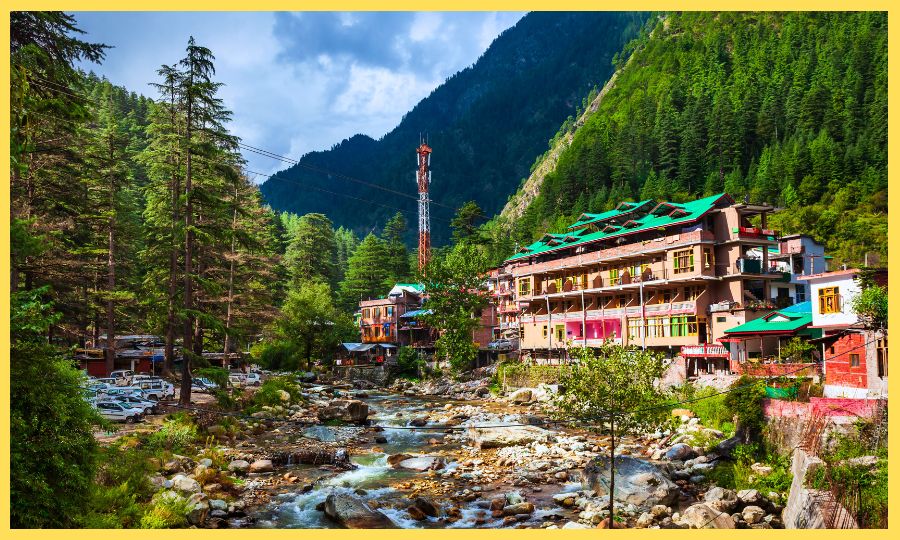
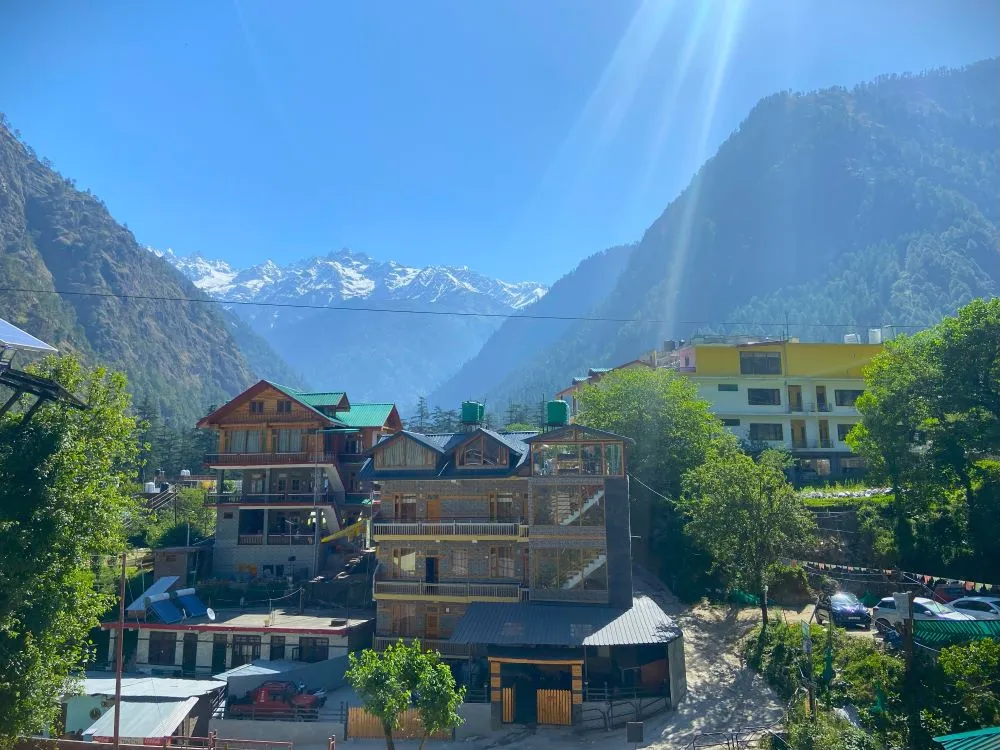
Nestled in the serene Parvati Valley of Himachal Pradesh, Kasol is a picturesque hill station that has become a haven for backpackers, nature enthusiasts, and adventure seekers. Surrounded by towering mountains, gushing rivers, and lush greenery, Kasol offers a unique blend of natural beauty, vibrant culture, and thrilling experiences.
Whether you’re a trekking enthusiast, a food lover, or simply seeking tranquility, Kasol has something for everyone. Let’s dive into the few details you need to know about Kasol before planning your Kasol trip.
About Kasol
Kasol, a hamlet in Kullu district, nestled in the Parvati Valley of Himachal Pradesh, India is known for its natural beauty, lush greenery, and breathtaking landscapes. It has become one of the popular destinations among back packers, trekkers and nature lovers.
Historically, Kasol was a remote and lesser-known destination until the late 20th century when it started gaining popularity among backpackers, trekkers, and nature enthusiasts.
Its ideal location on the hippie trail to Manikaran and Kheerganga, along with its proximity to the Parvati Valley, made it an attractive destination for travelers seeking tranquility and adventure
Kasol is situated approximately 30 km (19 mi) from Bhuntar and 36 km (22 mi) from Kullu town, the district headquarters, and just 3.5 km away from Manikaran, Kasol holds a significant position in the Parvati Valley.
Renowned as a Himalayan hotspot for backpackers, it serves as a launching point for exciting treks to Malana and Kheerganga. The village has earned the nickname “Mini Israel of India” owing to the large influx of Israeli tourists who are drawn to its charm and tranquility.
How to Reach Kasol?
To reach Kasol, you have a few transportation options depending on your location and preferences. Here are the common ways to reach Kasol:
By Air
The nearest airport to Kasol is Bhuntar Airport, also known as Kullu-Manali Airport, located approximately 31 kilometers away. Several domestic airlines operate regular flights to Bhuntar from major cities like Delhi and Chandigarh.
After reaching Bhuntar, you can hire a taxi or take a bus to Kasol, which is around a 2-hour journey.
However the most important nearby airport is Chandigarh Airport. The distance between Chandigarh and Kasol is approximately 275 kilometers by road. The journey usually takes around 7 to 8 hours, depending on the traffic and road conditions. You can easily get down here and take a cab or bus to Kasol
By Road
From Delhi: Kasol is approximately 520 kilometers away from Delhi. You can take a private or public bus from Delhi to Bhuntar, which takes around 10-12 hours. From Bhuntar, you can hire a taxi or take a local bus to Kasol.
From Chandigarh: Kasol is around 275 kilometers away from Chandigarh. You can either drive or take a bus from Chandigarh to Bhuntar and then proceed to Kasol by taxi or local bus.
By Train
The nearest railway station to Kasol is Joginder Nagar Railway Station, located around 144 kilometers away. However, it has limited connectivity.
Alternatively, you can take a train to Chandigarh Railway Station or Pathankot Railway Station, which have better connectivity. From there, you can continue your journey to Kasol by road via bus or taxi.
By Bus
Several government and private buses operate regular services to Kasol from major cities like Delhi, Chandigarh, and Manali. You can find overnight buses or day buses depending on your preference. Buses usually terminate at Bhuntar, and from there, you can hire a taxi or take a local bus to Kasol.
Once you reach Kasol, you can explore the town on foot or hire a local taxi for short distances. It’s important to note that the roads leading to Kasol are scenic but can be narrow and winding in certain stretches, so it’s advisable to plan your journey accordingly and consider your comfort level while traveling.
Things to Do on Your Kasol Trip
1. Trekking and Hiking
Kasol serves as a gateway to several captivating trekking trails in the Parvati Valley. Embark on a memorable journey to Kheerganga, a beautiful trek that rewards you with breathtaking views of snow-capped peaks and natural hot springs.
For more adventurous souls, the challenging trek to Sar Pass or Pin Parvati Pass is an exhilarating experience. The lush landscapes and the thrill of conquering these trails make trekking an absolute must-do in Kasol.
2. Riverside Camping
Experience the magic of camping alongside the gushing Parvati River. Set up your tents amidst nature and enjoy the soothing sound of the river flowing by.
Spend your evenings by the bonfire, sharing stories with fellow travelers, and stargazing under the clear night sky. Riverside camping offers a unique opportunity to connect with nature and rejuvenate your soul.
3. Visit Malana Village
A short drive from Kasol, the ancient village of Malana is known for its distinct culture and unique traditions. The village is famous for its self-governance, based on the concept of “Kanashi,” its own dialect, and strict rules that prohibit outsiders from touching the walls or belongings of the locals.
Explore the village, interact with the locals, and get a glimpse into their way of life.
However, remember to respect their customs and maintain their sanctity. The trek to Malana from Kasol is an exciting adventure, offering panoramic views of the surrounding valleys.
To reach Malana Village from Kasol, first take a taxi or local bus to Jari, which is about 30 kilometers away. From Jari, trek approximately 10 kilometers to Malana Village. The trek takes around 3-4 hours and offers scenic views of the Parvati Valley.
4. Indulge in Israeli Delicacies
Kasol has earned the reputation of being a mini-Israel in India, owing to its large Israeli population. The streets are lined with cafes and restaurants serving authentic Israeli cuisine.
Savor delectable dishes like falafel, hummus, shakshuka, and freshly baked Israeli bread. Don’t forget to try the local favorite, the Israeli breakfast, which is a sumptuous meal that includes eggs, bread, cheese, salad, and more.
5.Explore Chalal
Just a short trek away from Kasol, the quaint village of Chalal offers a peaceful escape from the bustling town. Walk through the picturesque trails, surrounded by pine forests and mesmerizing landscapes.
Chalal is also known for its vibrant trance parties that attract music enthusiasts from all over the world. Experience the bohemian vibes and dance the night away at one of the open-air parties.
From Kasol, trek to Chalal Village. The trek is about 30-40 minutes, offering scenic views of the Parvati Valley along the way.
6. Visit Tosh Village
Venture further into the Parvati Valley and visit the charming village of Tosh. Surrounded by snow-capped peaks, Tosh offers breathtaking views and a serene atmosphere.
Take a leisurely stroll through the village, interact with the friendly locals, and indulge in local cuisine. Tosh is also a popular base camp for treks to the stunning Tosh Glacier.
From Kasol, take a local bus or taxi to Barshaini. From Barshaini, you can trek 5 kilometers uphill to Tosh or take a cab
7. Discover the Magic of Rasol
For those seeking offbeat experiences, Rasol is a hidden gem in the Parvati Valley. Trek through scenic trails to reach this remote village, known for its untouched beauty and tranquility. Immerse yourself in the local way of life and witness the simplicity and charm of Rasol. The village offers a unique opportunity to disconnect from the world and find solace in nature.
To reach Rasol, trek from Kasol for about 3-4 hours along a scenic mountain trail. It’s a moderate hike that rewards you with picturesque landscapes and a peaceful village atmosphere.
Kasol has plenty of offbeat places to explore. If you’re a nature lover and adventure seeker, you are up for a great adventure filled with beautiful views, and quiet trails.
8. Explore the Spiritual Bliss of Manikaran Sahib
A short distance from Kasol lies Manikaran, home to the renowned Manikaran Sahib Gurudwara, a significant Sikh religious site, and an ancient Shiva-Parvati temple, making it an important destination for Hindus as well.
Take in the serene atmosphere and experience the spiritual vibes of this revered place. Marvel at the natural hot springs, believed to have healing properties and enjoy a dip in the holy waters.
Partake in the Langar (community kitchen) and savor a delicious vegetarian meal prepared with devotion. Immerse yourself in the cultural and religious significance of Manikaran Sahib for a truly enlightening experience during your Kasol trip.
From Kasol, you can reach Manikaran by a quick 15-20 minute bus ride, a short taxi ride, or a scenic one-hour trek through the Parvati Valley.
How Many Days Do You Need for the Kasol Trip?
The ideal number of days for a Kasol trip depends on your preferences and the activities you plan to engage in. However, a suggested duration for a fulfilling Kasol trip would be around 3 to 5 days. This timeframe allows you to explore the key attractions, indulge in adventure activities, and soak in the natural beauty of the region.
Where to Stay in Kasol?
When it comes to accommodations in Kasol, there are various options available to suit different budgets and preferences. Here are some suggestions on where to stay during your Kasol trip:
1. Guesthouses and Budget Hotels
Kasol has numerous guesthouses and budget hotels that offer affordable and comfortable accommodations. These options are suitable for travelers on a tight budget and typically provide basic amenities such as clean rooms, attached bathrooms, and sometimes a restaurant or café on-site.
Some popular guesthouses in Kasol include Evergreen Guest House, The Hosteller Kasol, and Hotel Devlok International.
2. Riverside Camps
For a unique and immersive experience, you can opt for riverside camps along the Parvati River. Many operators set up campsites offering tents with basic facilities. Sleeping under the starry sky, with the soothing sound of the river nearby, can be a memorable experience.
Riverside camps usually include bonfire arrangements and the opportunity to connect with fellow travelers. Some well-known camping options include Parvati Kuteer, Himalayan Hostel & Cafe, and Shivalaya Camps & Cafe.
3. Homestays
To experience the local culture and hospitality, you can choose to stay in homestays. Local families open their homes to travelers, providing a more personalized experience. Homestays offer comfortable rooms and the chance to interact with the hosts, who can provide insights into the local way of life.
It’s a great way to immerse yourself in the local culture and cuisine. Some popular homestays in Kasol include Panchali Homestay, Alpine Guest House, and La Parvati Home Stay.
4. Manikaran Gurudwara
While Manikaran Gurudwara is primarily a religious and pilgrimage site, it does offer accommodation facilities for visitors. Staying at the Manikaran Gurudwara complex can be a unique experience, particularly for those seeking a spiritual and cultural immersion during their Kasol trip.
The facilities provided at the Gurudwara complex are clean and modest, suitable for pilgrims and travelers looking for a simple place to stay.
The accommodation options at Manikaran Gurudwara include dormitory-style rooms and shared facilities. It’s important to note that staying at the Gurudwara requires adhering to certain guidelines and customs.
5. Resorts and Luxury Hotels
If you prefer more luxurious accommodations, Kasol also has a few resorts and hotels that offer higher-end amenities and services. These properties usually have well-appointed rooms, in-house restaurants, and additional facilities such as spas, swimming pools, and gardens. Some popular luxury options in Kasol include Parvati Woods Camps & Resorts, Kasol Heights, and Hotel Sandhya Kasol.
How Much Does a Kasol Trip can Cost?
Kasol is budget-friendly! Prices range from ₹12,000 to ₹28,000+ depending on how fancy you like things. Backpackers can enjoy guesthouses, local eats, and public transport. For a mid-range trip, consider hotels, taxis, and cafes. Luxury travelers can splurge on resorts, private rides, and fancy meals.
What to Eat in Kasol?
In Kasol, you can find a variety of delicious food options ranging from local Himachali cuisine to international dishes. Here are some must-try foods when visiting Kasol:
1. Israeli Food:
Kasol is known for its Israeli influence, so don’t miss out on trying Israeli dishes such as:
Falafel: Deep-fried balls made from ground chickpeas or fava beans, often served in pita bread with tahini sauce and vegetables.
Shakshuka: A dish made with poached eggs in a sauce of tomatoes, chili peppers, and onions, often spiced with cumin and paprika.
Hummus: A creamy dip made from mashed chickpeas, tahini, olive oil, lemon juice, garlic, and spices.
2. Tibetan Food:
Due to the proximity to Tibetan settlements, you’ll find Tibetan cuisine widely available. Some popular dishes include:
Momos: Steamed or fried dumplings filled with meat or vegetables, served with spicy dipping sauces.
Thukpa: A hearty noodle soup with vegetables, meat, or sometimes tofu, flavored with aromatic spices.
Tibetan Bread: Thick, fluffy bread often served with honey or jam, perfect for breakfast or a snack.
3. Himachali Cuisine:
Experience the local flavors of Himachal Pradesh with dishes such as:
Siddu: Steamed bread made from wheat flour and stuffed with a filling of crushed walnuts, paneer (Indian cottage cheese), or dal.
Dham: A traditional Himachali meal served during festivals, consisting of rice, dal, curries, and sweet dishes like Meetha Bhaat (sweet rice).
Chana Madra: A creamy and tangy dish made with chickpeas cooked in yogurt gravy with spices like cardamom, cinnamon, and cloves.
4. Street Food:
Kasol has a vibrant street food scene where you can indulge in local snacks like:
Aloo Tikki: Spiced mashed potato patties, shallow-fried until crispy, and served with chutneys.
Maggi Noodles: A popular instant noodle dish cooked with vegetables and spices, often served with cheese or egg.
5. Fresh Fruit:
Take advantage of the region’s abundant fruit orchards and enjoy fresh fruits such as apples, apricots, and plums, either on their own or incorporated into desserts and juices.
6. Chai and Herbal Teas:
Relax and unwind with a cup of traditional chai (Indian spiced tea) or try herbal teas made from local ingredients like mint, lemongrass, and nettle.
These are just a few highlights of the diverse culinary offerings you can explore in Kasol. Be sure to wander through the streets and try out different eateries to fully experience the gastronomic delights of the region.
What to Shop on your Kasol Trip?
Shopping in Kasol offers a unique experience, with a blend of local Himachali crafts, Tibetan handicrafts, and Israeli souvenirs. Here’s a list of items you can shop for during your trip to Kasol:
1. Tibetan Handicrafts
Kasol’s proximity to Tibetan settlements means you’ll find a variety of Tibetan handicrafts and artifacts such as:
Tibetan Prayer Flags: Colorful flags inscribed with prayers and mantras, believed to bring good fortune and happiness.
Thangka Paintings: Intricately detailed traditional Tibetan paintings depicting Buddhist deities, symbols, and scenes.
Singing Bowls: Handcrafted metal bowls used in meditation and healing practices, known for producing soothing sounds when played.
2. Himachali Woolens:
Stay warm and stylish with traditional Himachali woolen products including:
Shawls: Handwoven shawls made from soft wool or pashmina, often adorned with intricate patterns and embroidery.
Himachali Caps: Traditional woolen caps featuring colorful designs and pom-poms, perfect for chilly mountain weather.
Sweaters and Jackets: Cozy woolen sweaters and jackets crafted by local artisans, ideal for trekking and outdoor activities.
3. Local Handicrafts:
Support local artisans and bring home unique souvenirs such as:
Wood Carvings: Intricately carved wooden artifacts including figurines, sculptures, and decorative items.
Beaded Jewelry: Handcrafted jewelry made from colorful beads, stones, and metals, reflecting traditional Himachali and Tibetan designs.
Handmade Soaps and Candles: Natural soaps and aromatic candles crafted using locally sourced ingredients like herbs, flowers, and essential oils.
4. Israeli Products:
Kasol’s Israeli influence is evident in the availability of Israeli products such as:
Dead Sea Products: Skincare products made from minerals sourced from the Dead Sea, including mud masks, salts, and lotions.
Israeli Snacks and Spices: Stock up on Israeli snacks like halva, tahini, and bamba (peanut-flavored snack) along with spices and condiments used in Israeli cuisine.
5. Crystals and Gemstones:
Explore shops selling a variety of crystals and gemstones believed to have healing properties. You can find quartz, amethyst, rose quartz, and other crystals in various forms such as jewelry, decorative pieces, and raw specimens.
6. Local Produce:
Visit local markets to purchase fresh fruits, nuts, and spices grown in the region. Kasol is known for its delicious apples, apricots, and almonds, which you can enjoy during your trip or take back home as edible souvenirs.
Remember to bargain while shopping in local markets and shops, as it’s a common practice in India. Enjoy exploring the vibrant markets of Kasol and take home memorable treasures from your trip.
Best Time to Plan Your Kasol Trip
The best time to visit Kasol and the Parvati Valley depends on your preferences and the activities you wish to engage in. Here are the different seasons in Kasol and their characteristics:
1. Summer (April to June)
Summer is a popular time to visit Kasol due to its pleasant weather and moderate temperatures. The temperature during this time ranges from 15°C to 30°C (59°F to 86°F), making it ideal for outdoor activities like trekking, camping, and exploring the surrounding areas.
The days are generally sunny, and the lush greenery of the valley is at its peak during this season.
2. Monsoon (July to September)
The monsoon season brings heavy rainfall to Kasol and the Parvati Valley. While the valley becomes incredibly scenic and the waterfalls are in full flow, the region may experience landslides and occasional road closures due to the heavy rains.
If you don’t mind the rain and want to experience the valley’s beauty in its verdant glory, you can plan a trip during this time. However, do keep in mind the potential travel disruptions and plan accordingly.
3. Autumn (October to November)
Autumn is another excellent time to visit Kasol. The weather starts to cool down, with temperatures ranging from 10°C to 25°C (50°F to 77°F). The skies are clear, and the surrounding landscapes showcase a beautiful blend of autumn colors.
It’s an ideal time for trekking, camping, and enjoying outdoor activities. The crowd is relatively lesser compared to the summer season, allowing for a more peaceful experience.
4. Winter (December to March)
Winter in Kasol brings cold temperatures, with temperatures ranging from 3°C to 15°C (37°F to 59°F). The region experiences snowfall, and the mountains are covered in a blanket of white, creating a picturesque winter wonderland.
Winter is an excellent time for snow lovers, as you can enjoy activities like snow trekking and witness the stunning beauty of the snow-capped peaks. However, do note that certain trekking routes and accommodations may be limited or closed during this time.
Ultimately, the best time for a Kasol trip depends on your preferences and the activities you want to engage in. If you enjoy pleasant weather and a vibrant atmosphere, summer and autumn are ideal.
For those seeking the beauty of the monsoons or the charm of snowy landscapes, monsoon and winter can offer unique experiences. Consider your preferences and plan accordingly to make the most of your Kasol trip.
Safety Tips for Exploring Kasol
Exploring the serene beauty of Kasol is an exhilarating experience, but it’s essential to prioritize safety to ensure a memorable and trouble-free trip. Here are some crucial safety tips to keep in mind while exploring Kasol:
1. Stay Informed:
Before embarking on any adventure in Kasol, familiarize yourself with local regulations, weather forecasts, and trail conditions. Stay updated on any potential risks or hazards in the area.
2. Travel with Companions:
Whenever possible, travel with companions or in groups, especially when trekking or hiking in remote areas. Having company not only enhances the experience but also provides added safety and support.
3. Inform Others:
Always inform someone trustworthy about your itinerary and expected return time, especially if you’re venturing into less-populated or isolated areas. This ensures that help can be summoned promptly in case of emergencies.
4. Pack Essentials:
Carry essential items such as a first aid kit, sufficient water, high-energy snacks, navigation tools (map, compass, or GPS), extra clothing layers, and a fully charged mobile phone with emergency contacts saved.
5. Dress Appropriately:
Wear sturdy footwear and appropriate clothing for the weather conditions and activities planned. Layers are advisable as temperatures can fluctuate, especially in mountainous regions.
6. Stay Hydrated and Nourished:
Keep yourself hydrated by drinking plenty of water, especially during outdoor activities. Pack nutritious snacks to maintain energy levels throughout the day.
7. Beware of Altitude Sickness:
If you’re traveling to higher altitudes, be aware of the symptoms of altitude sickness, such as headache, dizziness, nausea, and fatigue. Take gradual acclimatization breaks and descend if symptoms worsen.
8. Avoid Risky Behavior:
Refrain from engaging in risky activities such as cliff jumping, swimming in turbulent waters, or trekking alone in unfamiliar terrain. Exercise caution and prioritize your safety above all else.
9. Respect Local Customs and Laws:
Familiarize yourself with local customs, traditions, and laws, and adhere to them respectfully. Avoid any behavior that may offend or disrespect the local culture or religious beliefs.
By following these safety tips and exercising caution while exploring Kasol, you can enjoy a rewarding and enriching travel experience while ensuring your well-being and that of the environment around you.
Kasol for the Solo Female Traveler: Is it Safe?
Kasol generally enjoys a reputation for being safe for solo female travellers. In addition to the above guideline, female travellers can take certain, precautions are always wise:
Inform yourself: Research the area, familiarize yourself with local customs, and plan your itinerary. Let someone you trust know your plans.
Travel smart: Stick to well-lit areas at night, avoid secluded paths, and be mindful of your belongings.
Trust your gut: If a situation feels uncomfortable, don’t hesitate to remove yourself.
Consider staying at guesthouses or homestays with a good reputation for solo female travelers.
Interact with other travellers at cafes or common areas in your accommodation to build a sense of community.
There are tours and activities specifically designed for solo female travelers, which can be a great way to explore the region and meet new people.
Environmental Responsibility in Kasol
Environmental responsibility is crucial, especially in a sensitive ecosystem like Kasol and its surrounding areas. Here are some key points to consider:
1. Reduce Waste:
Carry reusable water bottles, bags, and containers to minimize single-use plastic waste. Dispose of trash responsibly by using designated bins or carrying it back with you to proper disposal facilities.
2. Conserve Water:
Practice water conservation techniques such as taking shorter showers, turning off taps when not in use, and reusing towels during your stay at accommodations. Respect local water sources and avoid polluting rivers and streams.
3. Respect Wildlife:
Kasol is home to diverse flora and fauna. Respect wildlife by observing from a distance and refraining from feeding or disturbing animals. Avoid purchasing products made from endangered species or contributing to activities that harm wildlife habitats.
4. Stay on Designated Trails:
When trekking or hiking, stick to marked trails to minimize soil erosion and damage to fragile ecosystems. Avoid trampling on vegetation and stay away from sensitive areas to protect natural habitats.
5. Use Eco-Friendly Transportation:
Opt for eco-friendly modes of transportation such as public buses, shared taxis, or cycling to reduce carbon emissions. Consider carpooling with other travelers when exploring nearby attractions.
6. Support Sustainable Practices:
Choose accommodations, restaurants, and tour operators that prioritize sustainability and eco-friendly practices. Look for establishments that use renewable energy, minimize waste, and support local conservation efforts.
7. Educate Yourself and Others:
Learn about the environmental issues affecting the region and share your knowledge with fellow travelers. Encourage responsible behavior among friends and fellow tourists by setting a positive example and advocating for sustainable tourism practices.
8. Participate in Conservation Activities:
Volunteer for local conservation projects or community clean-up initiatives to contribute positively to environmental protection efforts in Kasol and its surroundings.
9. Respect Local Culture:
Respect the cultural traditions and beliefs of the local communities in Kasol. Seek permission before photographing people or religious sites, and adhere to dress codes and etiquettes when visiting sacred places.
10. Leave No Trace:
Leave the natural environment as you found it, or even better. Pack out all waste, including biodegradable items such as food scraps, and leave natural objects like rocks, plants, and flowers undisturbed.
By practicing environmental responsibility during your visit to Kasol, you can help preserve its natural beauty and ensure that future generations can continue to enjoy this stunning destination.
Wrapping Up
Kasol, with its stunning natural beauty, exciting adventures, and vibrant culture, is an ideal destination for travelers seeking a unique and memorable experience. From thrilling treks to serene riverside camping, exploring ancient villages to savoring delicious Israeli cuisine, Kasol offers a plethora of activities to indulge in.
So, plan your Kasol trip and get ready to immerse yourself in the breathtaking landscapes and warm hospitality of this Himalayan paradise.
Christopher Nolan, the visionary filmmaker behind mind-bending movies like “Inception” and “Interstellar,” is set to captivate audiences once again with his upcoming project, “Oppenheimer.”
A Fascinating Historical Journey:
Nolan who has previously given us Dunkirk, is back with a historical war drama.
Nolan has always had a knack for immersing viewers in intricate narratives, and “Oppenheimer” is no exception.
As the film unfolds, the captivating journey through history will take audiences, allowing them to witness the tumultuous events surrounding the creation of the atomic bomb.Expect a meticulous attention to detail as Nolan brings Oppenheimer’s story to life, providing a thought-provoking glimpse into one of the most significant scientific achievements of the 20th century.
An All-Star Cast:
Nolan is renowned for assembling stellar casts, and “Oppenheimer” is expected to be no different. While complete details are still under wraps, we know about the main cast.
The film’s cast is also star-studded. Cillian Murphy stars as Oppenheimer, and he is joined by Emily Blunt, Matt Damon, Robert Downey Jr., Florence Pugh, Rami Malek, Benny Safdie, Michael Angarano, Josh Hartnett, and Kenneth Branagh. The supporting cast is just as impressive as the lead actors, and they all bring their A-game to the film.
Visual Spectacle and Cinematic Craftsmanship:
One thing that sets Nolan’s films apart is his dedication to visual spectacle and practical effects. Christopher Nolan never fails to wow us with his visual spectacle, whether it’s “Inception,” “Interstellar,” or the “Dark Knight” franchise.
With “Oppenheimer,” we can expect nothing less. Known for his emphasis on capturing breathtaking visuals, using limited VFX. Nolan’s meticulous approach to cinematography will transport us back in time, immersing us in the era and the world of Oppenheimer. Prepare to be awe-struck by the combination of practical effects and masterful cinematography that will undoubtedly elevate the film to new heights.
Experience it at IMAX
The film has been shot using IMAX cameras, which will give it a unique visual style.
In a recent interview, Nolan explained how he shot Oppenheimer. He said that he wanted to use IMAX cameras to capture the scale and power of the atomic bomb. He also wanted to use black-and-white film to create a more somber and reflective mood.
Nolan revealed his inspiration from the renowned photographer Ansel Adams, whose black-and-white photographs of the American West served as a starting point for creating the visual style of Oppenheimer.
Additionally, Nolan expressed his desire to incorporate practical effects into Oppenheimer, further emphasizing his commitment to capturing authentic and immersive cinematic experiences.
Nolan made it clear that his intention was to minimize the use of computer-generated imagery (CGI) in Oppenheimer, opting instead for practical effects to achieve a more realistic feel within the film’s visual aesthetics.
Filming the Explosion
Christopher Nolan filmed the bomb explosion scene in Oppenheimer without using any CGI. He instead used a combination of practical effects and IMAX cameras.
For the practical effects, Nolan worked with a team of pyrotechnicians to create a miniature replica of the Trinity test site. The replica was built on a soundstage in New Mexico, and it was filled with explosives. The explosion was filmed using a variety of IMAX cameras, which were placed at different distances from the blast.
Nolan also used a special type of IMAX film that was developed specifically for the film. This film was able to capture the brightness of the explosion in greater detail than traditional IMAX film.
The result of Nolan’s efforts is a stunningly realistic depiction of the Trinity test. The explosion is so realistic that it has been compared to footage of actual nuclear tests.
Ethical Dilemmas and Thought-Provoking Themes:
Renowned for his ability to weave intricate narratives with profound philosophical undertones, Christopher Nolan captivates audiences with his unique storytelling approach.”Oppenheimer” will delve into the moral complexities surrounding the development of the atomic bomb, exploring the consequences and ethical dilemmas faced by Oppenheimer and his colleagues.
Brace yourself for a film that encourages introspection and sparks conversations about the impact of scientific advancements and the choices we make as a society.
Nolan’s Signature Style:
Christopher Nolan has carved a niche for himself with his unique directorial style. From non-linear storytelling to mind-bending concepts, his films have consistently pushed the boundaries of cinematic storytelling. With “Oppenheimer,” we can expect Nolan’s trademark techniques and attention to detail to be on full display, creating an immersive and captivating experience that will linger in our minds long after the credits roll.
Oppenheimer Trailer
Best Seat to Watch Oppenheimer
Oppenheimer can be best enjoyed on an IMAX screen. When it comes to find the best seat to watch the movie Christopher Nolan, has some interesting insights. He recommends going for a middle seat in the row, which makes complete sense as it allows you to comfortably take in the entire screen without straining your neck.
Wrapping Up:
As Christopher Nolan prepares to embark on another cinematic journey with “Oppenheimer,” film enthusiasts and fans eagerly anticipate his unique take on this intriguing historical subject. With a focus on meticulous storytelling, a stellar cast, breathtaking visuals, and thought-provoking themes, “Oppenheimer” promises to be another remarkable addition to Nolan’s impressive filmography.
Oppenheimer is set to be released in theaters on July 21, 2023 along with another most anticipated movie of the year Barbie. People are excited for both the movies and have coined a new term Barbenheimer It is sure to be a visually stunning film that will tell the story of one of the most important figures in modern history.