Home Blog Page 7

Chillai Kalan: Kashmir Turning Into A Winter Wonderland

0

If you have ever wondered what it’s like to experience a true winter wonderland, Kashmir during the winter season is your answer. I had the privilege of visiting this magical place during the winter months, and I can confidently say it was a surreal experience. The snow-capped mountains, frozen lakes, and mist-covered valleys create a scene straight out of a fairytale. But what makes the winters in Kashmir even more fascinating is Chillai Kalan, the coldest and most intense phase of winter.

I had always heard about Kashmir’s breathtaking winters, but experiencing it firsthand was something else entirely. 

The region’s beauty transforms during this time, offering a unique charm that attracts travelers from across the globe. From exploring serene landscapes to experiencing local traditions, there is so much to do in Kashmir when it is covered in a thick blanket of snow. 

Whether you are a nature lover, adventure enthusiast, or someone who simply wants to escape into a winter paradise, Kashmir has something for everyone.

What Is Chillai Kalan? A Deep Dive Into Kashmir’s Harshest Winter

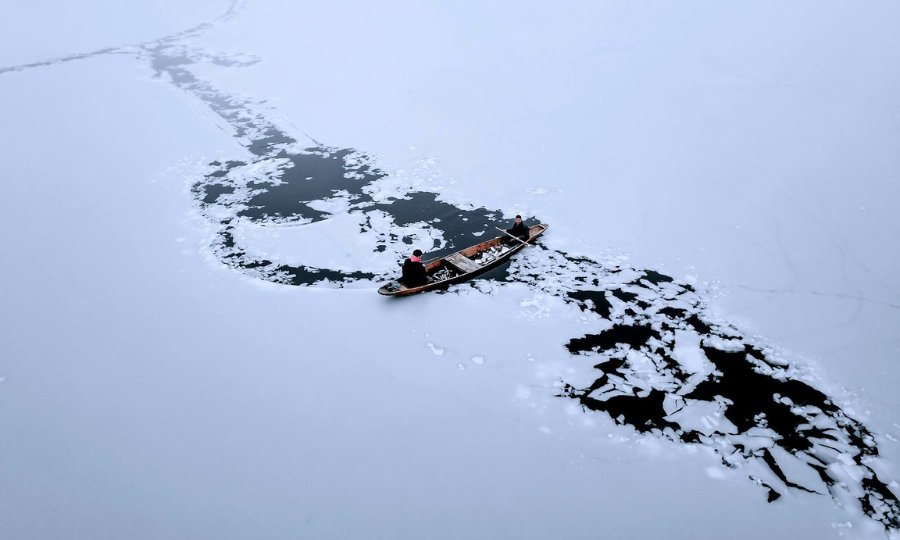
Frozen Lake In Kasmir
Photo by Imad Clicks

Chillai Kalan is a significant and defining feature of winter in Kashmir, marking the coldest and most intense phase of the season. 

This period is not only crucial to the region’s weather patterns but also holds cultural and historical significance for the people of Kashmir. Lasting for 40 days, Chillai Kalan begins around December 21st and ends by January 30th.

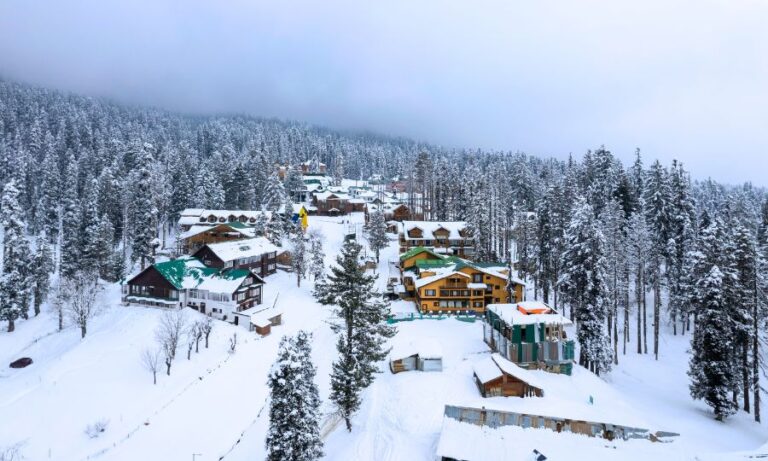
During this time, Kashmir is at its coldest, and the landscape is transformed into a winter wonderland, covered in thick snow.

While it may sound daunting for those unaccustomed to extreme cold, Chillai Kalan brings out the most beautiful and tranquil aspects of Kashmir, making it an enchanting time for both locals and tourists. 

Below, let us break down the key aspects of Chillai Kalan and explore what makes it so special:

Extreme Cold Temperatures

Chillai Kalan is synonymous with freezing temperatures. This is the time of year when Kashmir experiences its coldest weather, with temperatures often dropping as low as minus 10 degrees Celsius or even lower in some regions. 

The freezing cold is particularly intense in places like Gulmarg, Pahalgam, and Srinagar. These low temperatures are not just a challenge but also a unique aspect of the Kashmir winter. 

The entire landscape, from the tall pine trees to the frozen lakes, becomes a breathtaking sight. It is during Chillai Kalan that you will witness the Dal Lake freezing over, a scene that looks straight out of a winter fairy tale.

Heavy Snowfall

One of the most remarkable features of Chillai Kalan is the heavy snowfall that blankets the region. The snow is not just light dusting; it is a thick layer that covers the roads, trees, and buildings, turning Kashmir into a pristine winter wonderland. 

The snowfall is at its peak during this period, with entire valleys and hillsides becoming blanketed under several feet of snow. This heavy snowfall makes the region ideal for snow sports like skiing, snowboarding, and ice skating. The crisp, white snow also adds to the beauty of the landscape, transforming the ordinary into something extraordinary.

Snowfall also brings challenges. Roads may become blocked, and transportation can be affected. 

However, for those willing to brave the cold, the reward is unparalleled beauty and unique experiences.

Kashmir’s Iconic Frozen Landscape

During Chillai Kalan, Kashmir’s landscape takes on a truly unique and iconic look. Rivers, streams, and lakes freeze, creating stunning frozen bodies of water. Dal Lake, one of the most famous lakes in the world, transforms during this period. 

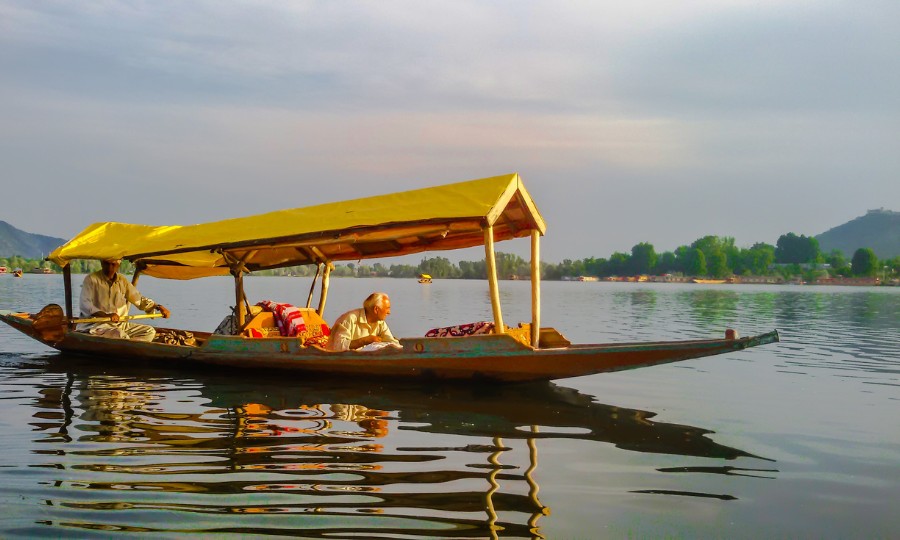
The sight of frozen waters, with boats (Shikaras) gliding over them, is one of the most memorable experiences of visiting Kashmir in winter. In the surrounding hills, the snow-covered trees and frozen waterfalls create a picturesque view that feels almost unreal.

The entire atmosphere is tranquil and peaceful, with the snow absorbing the usual sounds, making it feel like you are in a quiet world far removed from the everyday hustle.

Cultural Significance

Chillai Kalan holds significant cultural importance for the people of Kashmir. For centuries, locals have adapted to the extreme cold, and many of the region’s traditional customs revolve around surviving this harsh season. 

One of the most iconic cultural symbols of Chillai Kalan is the use of the kangri, a traditional Kashmiri firepot. This small portable firepot, made of wicker, is filled with burning coal and carried under a blanket or shawl. It provides essential warmth during the biting cold and is a symbol of the resilience of the people of Kashmir.

Chillai Kalan also marks a period of reflection, religious observances, and time spent with family. It is a time when the community comes together, especially in rural areas, to protect their homes from the harsh cold and ensure that their livestock is cared for. 

Special foods are prepared, including warming dishes like harissa, a Kashmiri meat stew, and kehwa, a traditional green tea made with saffron and spices, helping locals stay nourished and warm.

End Of Chillai Kalan – The Other Phases of Winter

After the 40 days of Chillai Kalan, the region enters a transitional period known as Chillai Khurd, which lasts for 20 days. During this phase, temperatures begin to rise slightly, and the heavy snow begins to melt. 

However, the cold is still felt, and winter sports and tourism activities remain popular.

Following Chillai Khurd is Chillai Bacha, the final phase of winter, which signals the arrival of spring. While the temperatures warm up, it is still chilly, and the region sees more sunshine, bringing an end to the long winter months. This season is more than just an extreme weather phenomenon; it is a part of the fabric of Kashmir’s identity. 

For those planning to visit the region during this time, understanding the beauty and challenges of Chillai Kalan will help you make the most of your winter adventure.

Different Types Of Chillas

Chillai Kalan is a distinct and crucial part of Kashmir’s winter, but it is important to understand that it is not a singular event. The winter season in Kashmir is divided into three major phases, each marked by varying degrees of cold and snowfall. These phases, or Chillai periods, are deeply ingrained in the culture and lifestyle of Kashmiris. 

Each one brings its own set of characteristics, challenges, and beauty, creating a winter experience that evolves over time. 

Let us explore these phases in greater detail.

1. Chillai Kalan (The 40-Day Cold Period)

    Chillai Kalan is the most significant and intense phase of winter in Kashmir, lasting for 40 days, usually from December 21st to January 30th. This period is characterized by the coldest temperatures and the heaviest snowfall, making it the most defining moment of Kashmir’s winter season.

    Key Features Of Chillai Kalan

    Extreme Cold: During this period, temperatures can plummet as low as minus 10°C, with some areas even experiencing colder temperatures. It is during Chillai Kalan that Kashmir’s landscape becomes heavily snow-covered, making it a stunning winter wonderland.

    • Heavy Snowfall: This is the time when the region experiences its heaviest snowfall. Roads, rooftops, and fields are blanketed under thick snow, creating a surreal, picturesque landscape. The snowfall also affects daily life, as it can block roads and disrupt transportation, but it also offers opportunities for tourists to enjoy winter sports and activities.
    • Frozen Water Bodies: One of the most magical sights of Chillai Kalan is the freezing of lakes, rivers, and streams. The Dal Lake in Srinagar, for example, is known to freeze over, with ice skates making their way across the surface, offering a rare experience for tourists and locals alike.
    • Unique Kashmiri Traditions: During Chillai Kalan, the people of Kashmir engage in various cultural practices to survive the extreme cold. The kangri, a portable firepot, is one of the most iconic items used during this period to keep warm. This traditional method of using burning coal wrapped in a wicker basket is an essential part of the Kashmiri winter experience.

    This 40-day period is crucial for many aspects of life in Kashmir. It impacts agriculture, daily routines, and even the ways in which homes are prepared to stay warm. 

    People stock up on food, fuel, and firewood, as the harsh weather makes travel and logistics more challenging. While the temperatures are difficult to endure, the period also provides the most iconic winter scenes, from snow-covered trees to frozen lakes.

    2. Chillai Khurd (The Lesser Cold Period)

      Once Chillai Kalan concludes, Kashmir enters the next phase of winter, known as Chillai Khurd. This phase lasts for 20 days, beginning after January 30th and continuing until February 19th. Although Chillai Khurd still brings cold temperatures, it is comparatively milder than Chillai Kalan.

      Key Features Of Chillai Khurd

      Slightly Milder Temperatures: While temperatures remain low during Chillai Khurd, they are significantly higher than during Chillai Kalan. The mercury may rise to around minus 5°C to 0°C, with fewer extreme cold days. This transition signals the gradual end of the harsh winter weather.

      • Less Snowfall: The snowfall during Chillai Khurd is usually less intense than the heavy snow of Chillai Kalan. There is still snow on the ground, but it begins to melt gradually, creating a mix of slushy and snowy conditions.
      • Thawing Begins: This period marks the beginning of the thawing process. Rivers, streams, and lakes that had frozen during Chillai Kalan begin to thaw. However, the thawing process is slow, and Kashmiris continue to experience chilly days.
      • Post-Chillai Kalan Adjustments: By this time, locals have adjusted to the winter weather, with snow clearing up around towns and villages. Travel and mobility become easier compared to Chillai Kalan, although occasional snowstorms may still occur.

      For tourists, Chillai Khurd offers a slightly more manageable winter experience. 

      Snow is still present, but the weather is not as harsh, allowing visitors to explore the landscape and engage in outdoor activities with greater ease. It is an excellent time for sightseeing and enjoying the winter beauty without the extremities of Chillai Kalan.

      3. Chillai Bacha (The Baby Cold Period)

        The final phase of Kashmir’s winter is called Chillai Bacha, which lasts for 10 days, from February 20th to March 2nd. This phase represents the end of winter and the gradual arrival of spring. It is also referred to as the “baby cold period”, as temperatures warm up considerably compared to the earlier Chillai phases.

        Key Features Of Chillai Bacha

        Warming Temperatures: As Chillai Bacha begins, temperatures start to rise, and the chill of winter begins to recede. The temperatures generally hover around 0°C to 5°C, offering a much-needed break from the extreme cold.

        • Snowmelt And Water Flow: During this phase, the snow from the previous months starts to melt more rapidly. Rivers, streams, and lakes continue to thaw, creating small trickles of water in the landscape.
        • Spring Feels: While winter has not fully passed, the early signs of spring begin to emerge during Chillai Bacha. The days become brighter, and the landscape starts to look less desolate, though patches of snow remain in higher altitudes.
        • Change In Local Life: Kashmiri locals begin to prepare for the arrival of spring. The process of thawing allows for easier travel, and businesses that were closed due to snow storms start reopening. People start planting and preparing their homes for the spring season.

        How Do Kashmiris Keep Warm During This Season?

        When I first arrived in Kashmir during Chillai Kalan, I was curious about how the locals kept warm in such extreme cold. Over time, I learned that Kashmiris have developed a variety of ways to battle the chill.

        • Kangri: One of the most iconic ways to stay warm in Kashmir is by using a kangri, a traditional Kashmiri firepot. The kangri is made from woven wicker and contains hot coal, which provides warmth to the body. People carry it around under their cloaks, which helps them stay warm throughout the day.
        • Heaters: In homes, locals use electric heaters and wood stoves to stay warm. Traditional wooden stoves, known as “bukhari,” are commonly used to heat rooms.
        • Woolen Clothing: Kashmiris are experts at layering woolen clothing. From pashmina shawls to woolen socks, everything is designed to trap heat and keep the body warm.

        Can You Experience This Wonderland?

        If you are wondering whether you can experience the beauty of Chillai Kalan yourself, the answer is a resounding yes. Kashmir remains one of India’s top winter destinations, and Chillai Kalan draws both domestic and international tourists. 

        However, visiting during this season requires preparation. The intense cold can make the experience challenging, especially for those not used to sub-zero temperatures.

        To truly immerse yourself in the wonder of Kashmir, consider visiting from late December to mid-January. During this time, snow is at its peak, and you will get to witness the snow-covered valleys, frozen lakes, and the winter markets. Activities like skiing in Gulmarg, snow trekking, and ice skating on Dal Lake are some of the experiences you do not want to miss.

        How To Plan The Trip Before The Season Begins?

        If you are planning to experience Chillai Kalan, preparation is key. Here is a step-by-step guide to help you plan your winter trip, book early, as Kashmir

        Book Early

        Hotels and houseboats in Kashmir fill up quickly during winter, so make your bookings well in advance.

        Packing

        Pack heavy woolen clothes, thermals, and layered clothing. Do not forget accessories like gloves, woolen hats, and scarves. A good pair of boots and waterproof clothing will also help you navigate through snow.

        Travel Insurance

        Due to the extreme weather conditions, it is advisable to get travel insurance that covers delays or cancellations.

        Transportation

        Make sure to book flights or trains early. Once in Kashmir, you can rely on local taxis, but be prepared for delays due to snow.

        Kashmir – The Winter Wonderland Of Your Dreams

        During Chillai Kalan, Kashmir turns into a breathtaking winter wonderland, with must-visit spots like Srinagar’s Dal Lake, Gulmarg’s ski slopes, and Pahalgam’s snowy trails. Hidden gems like Doodpathri and serene destinations like Sonamarg and Aru Valley add to the magical charm of this season.

        If you are someone who enjoys the charm of winters, this is the destination you need to visit. The breathtaking scenery, thrilling activities, and cultural significance make Kashmir a must-visit during the winter months. 

        So, pack your bags and get ready for an unforgettable winter holiday in Kashmir!

        Frequently Asked Questions (FAQs) 

        • When is the best time to visit Kashmir for winter tourism?

        The best time to visit Kashmir for winter tourism is from December to February, especially during Chillai Kalan.

        • How cold does it get during Chillai Kalan? 

        Temperatures can dip as low as -10 degrees Celsius during Chillai Kalan, making it the coldest period in Kashmir.

        • What activities can I do in Kashmir during the winter season?

        You can indulge in snow sports like skiing, snowboarding, and ice skating, or simply enjoy the picturesque landscapes while trekking or sightseeing.

        • What is the temperature in Gulmarg during winter?

        Gulmarg experiences temperatures as low as -5 degrees Celsius during winter, ideal for snow activities.

        • How do locals in Kashmir stay warm during Chillai Kalan?

        Locals use traditional methods like the kangri, a firepot, woolen clothing, and heaters to stay warm during the harsh winter.

        Loading

        7 Travel Myths That Are Holding You Back From Your Next Adventure

        0

        Do you also believe traveling is too expensive or that solo trips are unsafe? Think again!

        These myths have kept countless people from exploring the world and making memories they’ll never forget.

        In this post, we’re demystifying the most common travel misconceptions that stop dreamers in their tracks. Whether it’s the myth that luxury is the only way to go or that you need a packed itinerary to have fun, we’re here to set the record straight.

        Ready to find out the truth and plan your next adventure without fear or fuss?

        Let’s dive in!

        Myth 1: Solo Travel is Dangerous

        Solo female traveller
        Image by josealbafotos from pixabay

        For many people, the idea of traveling alone sounds intimidating, and the belief that solo travel is dangerous holds them back.

        While safety should always be a top priority, solo travel is not as risky as it’s often portrayed. Many solo travelers report that their journeys were life-changing.

        There are steps you can take to ensure your safety while traveling alone, such as researching your destination, staying in well-lit and populated areas, and avoiding risky behavior.

        Technology can also make solo travel easier, with apps that help you find safe accommodations, transportation, and places to eat. Many solo travelers also meet other travelers along the way, making it easy to connect with like-minded people.

        With the right precautions, solo travel can be safe and incredibly exciting.

        Myth 2: You Have to Plan Everything in Advance

        Trip Planning
        Image by alessandrobiascioli

        The myth that every detail of your trip needs to be planned out in advance can create unnecessary stress and pressure. While some planning is necessary, such as booking flights, accommodation, or certain activities, it’s okay to leave some things open for spontaneity.

        Sometimes, unplanned moments often lead to the most memorable travel experiences. Whether it’s stumbling upon a hidden café, meeting locals, or discovering a new favorite destination, sometimes the best parts of travel come from leaving room for the unexpected.

        You don’t feel the need to micromanage every aspect of your trip.

        Myth 3: You Need to Be an Expert to Travel to Remote Destinations

        Expert traveller
        Image by Remains from Getty Images

        Many people believe that traveling to off-the-beaten-path destinations requires expert knowledge. While it’s true that remote locations may require a bit more preparation, they are often more accessible than people think.

        Many tour operators offer guided tours to remote destinations, making it easier for novices to explore areas they might otherwise avoid. Researching your destination, ensuring you have the proper gear, and seeking advice from experienced travelers or local guides can help you feel more confident about visiting less-visited places.

        Myth 4: Traveling Requires a Lot of Physical Effort

        hiking
        Image by maridav

        Some people avoid travel because they believe it requires significant physical effort. While certain types of travel, like hiking or adventure tourism, may be physically demanding, there are many ways to travel that don’t require strenuous activity.

        Cities, beaches, and cultural experiences can be enjoyed without much physical effort. You can spend your days exploring museums, dining at local restaurants, or simply relaxing by the pool.

        The key is to choose travel experiences that align with your physical comfort level and personal interests.

        Myth 5: Traveling is Too Expensive

        traveling is expensive
        Image by Digital Gujju & Denis Vostrikov, Getty Images

        One of the most common myths about travel is that it’s too expensive. The idea that you need a huge budget to explore new destinations can be discouraging, especially when many of us are trying to stick to a budget. However, with a little planning and flexibility, traveling can be more affordable than you think.

        There are numerous ways to save money on travel. Booking flights in advance, traveling during off-peak seasons, or using travel deal apps can significantly lower your costs. Additionally, choosing budget accommodations like hostels, guesthouses, or Airbnb can be much more affordable than hotels.

        Eating at local markets or street food stalls rather than fancy restaurants can also help you stick to your budget while enjoying authentic flavors.

        Myth 6: Adventure Travel is Only for Thrill-Seekers

        Thrill-Seekers
        Image by PeopleImages from Getty Images Signature

        Adventure travel is often associated with extreme sports, rugged expeditions, and daring experiences, but this is a narrow view of what adventure can be. Adventure travel is about stepping out of your comfort zone and trying something new, whether that’s hiking through a national park, taking a cooking class in a foreign country, or exploring a remote village.

        Adventure can be tailored to your own interests and comfort level. It doesn’t have to involve skydiving or mountain climbing. For many travelers, adventure simply means discovering something unfamiliar and embracing new experiences in a way that’s both exciting and meaningful.

        Myth 7: You Need to Be Young to Travel

        Group Travelers
        Image by studioroman

        There’s a common myth that traveling is only for young people, and that as you get older, you become less able or less interested in exploring the world.

        The truth is, travel has no age limit. Many older travelers embark on life-changing journeys, whether it’s visiting bucket-list destinations or simply taking a long-needed break.

        With so many travel options available, there’s no reason why age should be a barrier. In fact, older travelers often find that they have more freedom, time, and resources to dedicate to their adventures. Whether you’re in your 20s or 60s, travel can be a rewarding experience at any stage of life.

        Concluding Note

        Traveling is one of the most enriching experiences you can have, but many myths prevent people from embarking on their adventures, like the ones mentioned above.

        By debunking these myths, you can free yourself from the fear, misconceptions, and doubts that hold you back from exploring the world.

        Whether you’re traveling solo, on a budget, or just for a weekend, remember that the world is full of amazing opportunities waiting to be discovered. Don’t let these myths keep you from your next great adventure!

        Loading

        Lachung, North Sikkim: Where The Peaks Touch The Sky 

        0

        Lachung, a serene and captivating town in North Sikkim, holds a special place in my heart. Nestled in the northeastern Himalayas, Lachung is one of the most scenic places I have ever visited. With snow-capped mountains, gushing rivers, and tranquil monasteries, it truly feels like a place where the peaks touch the sky. 

        In this blog, I will share my unforgettable experience of traveling from Kolkata to Lachung and all the beautiful places you must visit, along with tips on planning your trip.

        See The Peaks Touch The Sky! 

        Lachung, a small yet enchanting town in North Sikkim, is often referred to as a place where the peaks “touch the sky.” This poetic description is not just a figure of speech but a reflection of the region’s awe-inspiring beauty and its position in the Himalayan range.

        At an altitude of approximately 9,600 feet (2,926 meters), Lachung sits at the foot of towering snow-capped peaks that seem to rise directly into the sky. 

        The towering mountains surrounding the town, including the majestic Kanchenjunga range, create an illusion that the very tips of the peaks are kissing the clouds. The air is thin, and the sky feels incredibly close, adding to the surreal atmosphere of the place.

        When I first arrived in Lachung, the sight of the snow-covered mountains stretching high above me, set against a deep blue sky, left me in awe. The landscape is so pristine and untouched that it feels like a place beyond time, where nature’s grandeur and the sky blend seamlessly. It is no wonder that Lachung is often described as a mystical place where the peaks seem to touch the heavens. 

        This sensation is something you have to experience for yourself to truly understand.

        How I Reached Lachung: A Journey From Kolkata To North Sikkim

        My journey to Lachung began from Kolkata, the vibrant city I call home. There are two ways to reach this picturesque town: by train or by flight. I decided to take the quicker and more convenient flight option to make the most of my time.

        I boarded a flight from Netaji Subhas Chandra Bose International Airport, Kolkata, to Bagdogra Airport in West Bengal. The flight was smooth and took about 1.5 hours.

        Upon landing in Bagdogra, I was greeted by the crisp, fresh air of the Himalayan foothills. From Bagdogra, I took a pre-arranged taxi to reach Lachung.

        The drive from Bagdogra to Lachung is an adventure in itself. The journey spans about 120 kilometers and takes approximately 5-6 hours, depending on road conditions. 

        The scenic beauty along the way is mesmerizing – from the winding roads to the lush green hills and the sound of rivers rushing below. As I drove through the quaint towns of Mangan and Chungthang, I could sense the excitement building within me, knowing that Lachung was just around the corner.

        Arriving In Lachung: A Hidden Gem In The Himalayas

        Arriving in Lachung felt like stepping into another world. Tucked away in the lap of the majestic Himalayas, the village offers an escape from the hustle and bustle of city life. The serenity and beauty of this place are unmatched, making it an ideal destination for nature lovers and those seeking peace.

        A Serene And Peaceful Atmosphere

        Unlike crowded hill stations, Lachung is small, calm, and quiet. This peaceful ambiance immediately captures your heart, making it feel like you’ve discovered a hidden paradise. The absence of heavy tourist traffic adds to its charm.

        Nestled Among Snow-Capped Peaks

        Surrounded by towering, snow-covered peaks, Lachung offers views that are nothing short of breathtaking. The mountains seem to embrace the village, creating an almost surreal atmosphere. These majestic peaks appear to touch the sky, adding to the village’s ethereal appeal.

        Crisp, Clean Air

        The moment I stepped off the vehicle, I was greeted by the fresh, crisp mountain air. The pollution-free atmosphere is one of the most refreshing aspects of Lachung, offering a natural detox to both body and mind.

        Sound Of The River

        One of the first things you notice upon arrival is the soothing sound of the river rushing through the valley. The flow of water adds to the tranquil vibe, creating a sense of peace and calm that lingers throughout your stay.

        Perfect For Quiet Reflection

        With fewer crowds and a slower pace of life, Lachung is the ideal place for anyone looking for some quiet reflection and solitude. Whether you are walking through the village or simply sitting by the river, there’s an overwhelming sense of peace that fills the air.

        What To Do In Lachung: A Journey Of Discovery

        Lachung offers a range of activities for nature lovers, adventure enthusiasts, and those seeking peace and quiet. Here’s what I did during my time in this beautiful town:

        1. Visit Yumthang Valley: The Valley Of Flowers

        Yumthang Valley
        Photo by Nitin Pouniker on Unsplash

          Yumthang Valley, located about 25 kilometers from Lachung, is a must-visit destination. Known as the ‘Valley of Flowers,’ Yumthang is a paradise for nature lovers. The valley is home to a wide variety of wildflowers that bloom in the summer, creating a colourful carpet across the landscape. 

          Even though I visited during the winter months, the snow-covered valley was still a sight to behold.

          Apart from the flowers, Yumthang is known for its hot springs. After exploring the valley, I took a dip in the natural hot water pools, which was incredibly rejuvenating. The view of snow-capped peaks surrounding the valley made the experience even more surreal.

          2. Explore Lachung Monastery

          Lachung Monastery
          Image by Prof Ranga Sai

            Lachung is home to a beautiful Buddhist monastery, the Lachung Monastery. Located in the heart of the town, this monastery is a peaceful retreat for meditation and spiritual solace. 

            The monastery is known for its beautiful wall paintings, intricate carvings, and the serene atmosphere that it offers. I spent some time here, soaking in the spiritual vibes and connecting with the peaceful energy that permeated the place.

            3. Visit The Shingba Rhododendron Sanctuary

              If you are a nature enthusiast like me, the Shingba Rhododendron Sanctuary is a must-see. This sanctuary is home to over 40 species of rhododendrons, and visiting it felt like walking through a dream. 

              Though the rhododendrons bloom during spring, the sanctuary is beautiful throughout the year. The sanctuary also offers excellent trekking opportunities for those looking to get a little adventurous.

              4. Explore The Local Culture And Cuisine

                One of the highlights of my trip to Lachung was experiencing the local culture. The town is home to a mix of Nepali, Tibetan, and Bhutia cultures, and you can see the influence of these communities in the architecture, food, and lifestyle.

                The local cuisine in Lachung is something I will never forget. I tried traditional Sikkimese dishes like momos, thukpa, and phagshapa (a Sikkim food), all of which were bursting with flavour. For those with a sweet tooth, try the local sweet dish, ‘Sel Roti,’ which is a rice doughnut that is crispy on the outside and soft on the inside.

                5. Go Trekking To The Zero Point

                Zero Point Sikkim
                Image by Sujay25

                  If you are an adventure lover, a trek to the Zero Point, which is around 23 kilometers from Lachung, is something you should not miss. 

                  The road to Zero Point is rugged, and the journey itself is quite challenging. But once you reach the top, the panoramic views of the snow-covered peaks are simply breathtaking. It’s an experience that will stay with me forever.

                  Adjacent Places To Visit From Lachung

                  While Lachung itself offers a wealth of attractions, there are also several nearby destinations worth visiting. Here are some places I highly recommend:

                  Lachen

                  Lachen, a small town located about 46 kilometers from Lachung, is another hidden gem in North Sikkim. Known for its picturesque landscapes and proximity to Gurudongmar Lake, Lachen is a great place for nature lovers and trekkers. I spent a day in Lachen before continuing my journey, and it was well worth the visit.

                  Gurudongmar Lake

                  Located about 67 kilometers from Lachen, Gurudongmar Lake is one of the highest lakes in the world. 

                  It is considered sacred by both Buddhists and Sikhs. The journey to the lake is challenging, but the view of the turquoise water surrounded by snow-capped peaks is absolutely surreal. I was in awe of the untouched beauty of the place, and it was worth every bit of the long drive.

                  Kanchenjunga National Park

                  For wildlife enthusiasts, Kanchenjunga National Park is a must-visit destination. The park is home to a variety of flora and fauna, including the elusive snow leopard and red panda. 

                  I did not have time to visit the park on this trip, but it’s high on my list for the next one.

                  What Is The Best Time To Visit Lachung, North Sikkim? 

                  The best time to visit Lachung depends on the kind of experience you are looking for.

                  • Summer (March To June): The weather is pleasant, and the valley is in full bloom with rhododendrons and other wildflowers.
                  • Monsoon (July To September): This is not the best time to visit due to heavy rainfall, which can make travel difficult.
                  • Winter (October To February): If you want to experience snow and chilly weather, winter is the ideal time. The landscape transforms into a winter wonderland, and places like Yumthang Valley are covered in snow.

                  How Should You Prepare For The Trip

                  Before heading to Lachung, there are a few things you should keep in mind:

                  • Permits: Since Lachung is a restricted area, you will need to obtain permits to visit. You can get these permits through a local travel agency or your hotel in Lachung.
                  • Clothing: Pack warm clothes, especially if you are visiting in winter. It can get quite cold, particularly at higher altitudes.
                  • Altitude Sickness: Lachung is situated at a high altitude, so it’s important to take things slow to avoid altitude sickness. Drink plenty of water and take rest if needed.

                  Experience This Scenic Beauty This Season

                  Lachung in North Sikkim is a hidden gem that offers an unforgettable experience for those seeking tranquility, adventure, and natural beauty. From the awe-inspiring Yumthang Valley to the peaceful monasteries, every corner of this town offers something unique. 

                  Whether you are an adventure seeker, a nature lover, or someone looking for peace, Lachung has something for everyone.

                  My journey from Kolkata to Lachung was one of the most memorable experiences of my life, and I highly recommend it to anyone looking for an off-the-beaten-path adventure in the Himalayas. It is a place where nature, culture, and adventure come together to create an experience you will cherish forever.

                  Frequently Asked Questions (FAQs) 

                  • How do I reach Lachung from Kolkata?

                  To reach Lachung from Kolkata, you can take a direct flight to Bagdogra Airport. From there, you will need to hire a taxi or take a shared vehicle for a 5-6 hour drive to Lachung. The journey offers stunning views, and you will pass through scenic towns like Mangan and Chungthang.

                  • Is Lachung a suitable destination for a family vacation?

                  Yes, Lachung is an excellent destination for a family vacation. The peaceful atmosphere, breathtaking landscapes, and family-friendly activities like sightseeing, visiting monasteries, and exploring Yumthang Valley make it an ideal spot for families. Just ensure that children and elderly family members are prepared for the higher altitude.

                  • What should I pack for my trip to Lachung?

                  When visiting Lachung, it’s important to pack warm clothes, especially if you’re travelling in winter. Carry layers, waterproof shoes, and a good jacket. Since the region is at high altitude, pack medications for altitude sickness and keep essentials like sunscreen, a hat, and a camera to capture the stunning views.

                  • Are there any restrictions for tourists visiting Lachung?

                  Lachung is located in a protected area, so tourists are required to obtain an Inner Line Permit (ILP) to visit. You can arrange the permit through a travel agency or your hotel. It’s best to plan ahead, as permits are mandatory for all visitors to the region.

                  • What are some must-try experiences in Lachung?

                  Some must-try experiences in Lachung include visiting Yumthang Valley, soaking in the hot springs, trekking to Zero Point, and exploring the Lachung Monastery. Don’t miss the opportunity to try local Sikkimese cuisine like thukpa and momos, and shop for unique handicrafts in local markets.

                  Loading

                  Exploring the Snow Leopard Trek in Ladakh

                  For nature enthusiasts yearning to witness one of the world’s rarest and most stunning animals, the Snow Leopard Trek in India is a must-do adventure.

                  Are you hearing this for the first time? Let’s help you catch up!

                  In this blog, I will walk you through all the crucial details about the exciting and exhilarating Snow Leopard Trek. I will also help you plan your adventurous expedition.

                  Read on!

                  What is the Snow Leopard Trek in India?

                  The Snow Leopard Trek takes place in the Hemis National Park in the Ladakh region of the northern part of India. Hemis National Park is one the top spots to witness snow leopards.

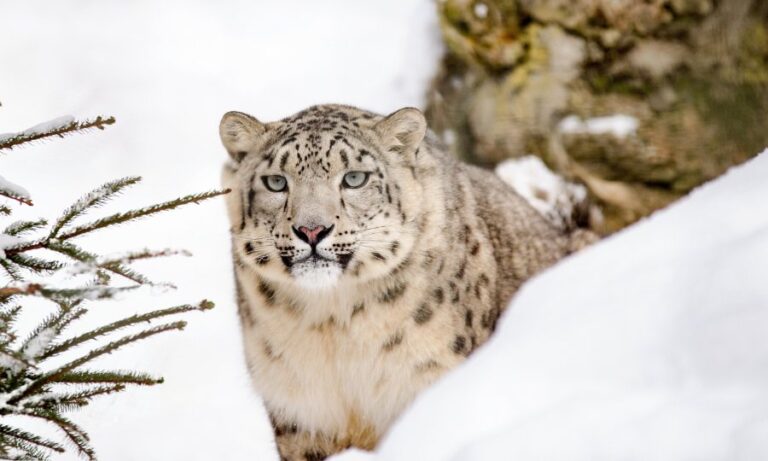
                  This trek is one of the very few Ladakh treks which can be done in the winter. This journey takes you into the heart of the Indian Himalayas, where these magnificent cats roam freely, often known as the “ghosts of mountains.”

                  This park is situated at an altitude of 3,000 to 6,000 meters above sea level, home to a variety of wildlife, including Tibetan wolf, Himalayan marmot, golden eagle, brown fox, and blue sheep.

                  Hemis is spread over the mesmerising Markha Valley and Rumbak Valley in Ladakh. The landscape of the latter is well-balanced with the Indus River flowing through the rock terrains and some portion of ice-covered streams.

                  Being on the move on this trek, you can expect surprises at each turn. As you trek you get acquainted with the folklore of the majestic valley.

                  Snow Leopard Trekking Adventure in Ladakh: An 8-Day Itinerary

                  A typical snow leopard expedition lasts up to 8 days, and this is what a general itinerary looks like.

                  Day 1: Arrival in Leh (3,500 m)
                  Activities: Arrive in Leh and take the day to rest and adjust to the high altitude.
                  Highlights: If time allows, visit the local Leh market for a quick exploration.
                  Note: Proper acclimatization is essential to prevent altitude sickness.

                  Day 2: Acclimatization Day in Leh
                  Activities: Visit nearby monasteries such as Shey, Thiksey, or Hemis to immerse yourself in the local culture.
                  Highlights: Experience Ladakhi culture and learn about the region’s religious heritage, helping your body adjust to the altitude.

                  Day 3: Leh to Zingchen (3,600 m) – Trek Begins
                  Drive: Travel from Leh to Zingchen (1-2 hours).
                  Trek: Begin your trek from Zingchen to Rumbak village (approximately 4 hours).
                  Highlights: Encounter wildlife such as blue sheep and various bird species along the trail.

                  Day 4: Rumbak (3,900 m) – Wildlife Tracking
                  Activities: Spend the day tracking wildlife in the Rumbak Valley, known for its snow leopard population.
                  Highlights: If fortunate, catch a glimpse of a snow leopard, along with Tibetan wolves and a variety of birdlife.

                  Day 5: Trek from Rumbak to Yurutse and Surrounding Areas
                  Trek: Explore the trails leading to Yurutse village (approximately 5 hours).
                  Activities: Continue wildlife spotting and tracking with expert guides.
                  Highlights: Enjoy breathtaking views of Hemis National Park and search for snow leopard tracks in the snow.

                  Day 6: Wildlife Tracking in Yurutse and Rumbak Valley
                  Activities: Dedicate the entire day to searching for snow leopards and other wildlife in areas known for frequent sightings.
                  Highlights: Experience the serene winter beauty of Ladakh while tracking fresh snow leopard footprints.

                  Day 7: Rumbak to Zingchen and Return to Leh
                  Trek: Hike back from Rumbak to Zingchen (4 hours).
                  Drive: Drive back to Leh from Zingchen (1-2 hours).
                  Highlights: A final opportunity to spot wildlife on the return journey.

                  Day 8: Departure from Leh
                  Activities: Depart from Leh, leaving with unforgettable memories and photos from your adventure.

                  Itinerary by Active Adventure

                  Why Should You Plan for Snow Leopard Trek?

                  Planning a snow leopard trek is an unforgettable adventure for wildlife enthusiasts and nature lovers. It offers a rare chance to see the elusive snow leopard in its natural habitat, surrounded by the stunning landscapes of Ladakh.

                  Apart from spotting snow leopards, there are plenty of other experiences that await you.

                  Experience the Culture of Ladakh

                  The trek takes you through far-off hamlets, offering a glimpse into Ladakhi customs and way of life. You will get to sleep in local homes, chat with villagers, and discover their daily routines in one of India’s most isolated areas.

                  Breathtaking Landscape

                  The serene landscape on the Snow Leopard Trek is unforgettable. As you hike through the rugged terrains, you will soon be surrounded by deep valleys, pristine rivers, and mountains. You can dwell in the warm embrace of silence and snow-covered peaks, creating an experience of a lifetime!

                  Witness the Rare Wildlife

                  This goes without saying. The main reason to start on this trek is to see the snow leopard, of course, in the wild. These big cats are extremely rare, and spotting one is a once-in-a-lifetime experience. Even if you don’t spot a snow leopard, the trek offers plenty of opportunities to observe other rare wildlife as mentioned above.

                  When is the Best Time to Plan the Snow Leopard Trek?

                  The best time to go on the Snow Leopard Trek is during the winter months, from November to March.

                  During this time, snow leopards descend to lower altitudes in search of food, so this increases the chances of spotting one. The cold winter months also mean that there are fewer tourists, allowing you to enjoy the beauty of the Himalayas in peace.

                  How to Prepare for the Snow Leopard Trek?

                  Let’s help you prepare for the ultimate trek!

                  Although the trek ranges from easy to moderate, you would of course need good lung capacity and strength in your legs to complete it securely and safely. But, one thing to keep in mind is, if you struggle most of the time, you may not be able to enjoy this beautiful trek. So, it’s best to work a little before you plan your hike.

                  What you can do is practice running or jogging about four to five days a week to check if you can cover 5 kilometres in about 40 minutes’ time. Apart from this, you can also add some workouts to your regime.

                  Snow Leopard Trek experience is quite different from other treks, making it preferable for beginners as well. It’s suitable to spend a few days in the nearest town, Leh, to get acclimatised before initiating the journey. Drink plenty of water, and eat light meals. And avoid alcohol.

                  Tips for the Perfect Snow Leopard Trek

                  This trek mostly lasts for 10-12 days and each day involves several hours of trekking often in snow and mostly through the rugged terrains. This is challenging as well as offers incredible views.

                  The hike is nothing short of spectacular, however, these handy tips are crucial to make your trek a success. Make sure you follow them.

                  Hire a Local Guide

                  You might fly from far-off places without the knowledge of what to expect. A local guide on the Snow Leopard Trek is crucial. They know the terrain, understand the behaviour of snow leopards, and can communicate with the locals.

                  Respect Local Culture

                  The Ladakhi people are warm and welcoming, but it’s important to respect every culture and tradition. Dress modestly, ask for permission before taking photographs, and be mindful of local customs.

                  Be Prepared for the Cold

                  The temperatures in the Himalayas can be extreme, especially at night. Make sure you are prepared for the cold by packing appropriately and using high-quality gear. Don’t underestimate the weather conditions, and always be ready for sudden changes in temperature.

                  In Conclusion

                  Ladakh is known for its stark, snow-covered mountains, ancient monasteries, and vibrant culture. Each season in Ladakh unveils a different aspect of its breathtaking charm.

                  Winter transforms the region into a snowy wonderland, perfect for wildlife sightings like the elusive snow leopard. Spring and summer bring a refreshing contrast, as the valleys bloom with vibrant greenery, offering a striking mix of lush fields and majestic mountains. Autumn’s golden hues add a unique warmth to the landscape, making it a truly year-round destination.

                  Ladakh offers something special in every season, allowing you to plan your trip based on your personal interests and the unique beauty each season brings.

                  The Snow Leopard Trek in Ladakh is an extraordinary adventure! It provides a unique blend of wildlife spotting, cultural experiences, and breathtaking scenery.

                  Whether you are an experienced trekker or a wildlife enthusiast, this journey through the Himalayas will leave you with memories to last a lifetime!

                  Loading

                  A Complete Guide to a Trip to Kashmir in Winters

                  0

                  Kashmir, often called “Paradise on Earth,” has an undeniable charm that captivates everyone who visits. But there is something truly magical about this land of breathtaking landscapes and rich culture when winter arrives. 

                  Picture this: snow-capped mountains, frozen lakes, and the crisp, chilly air filling your lungs as you breathe in the beauty of nature. This is the Kashmir I experienced during my visit in December, and it’s an experience I will never forget.

                  For many, a Kashmir tour in December feels like stepping into a dream. Whether you are a winter sports enthusiast seeking adventure, a nature lover hoping to witness the beauty of snow-covered landscapes, or simply someone looking for peace and tranquility away from the hustle and bustle, Kashmir in December offers all that and more. 

                  The entire region transforms into a winter wonderland, and the snow adds an extra layer of serenity to the already picturesque scenery.

                  In this guide, I will walk you through everything you need to know about planning your perfect trip to Kashmir in December. From the best places to visit, thrilling activities to try, and tips on how to prepare for the winter conditions, this guide is packed with all the details that will make your Kashmir tour unforgettable. So, if you are ready to explore this enchanting region like never before, let us dive right in!

                  Why Visit Kashmir In Winters?

                  Gulmarg in Winter
                  Photo by Imad Clicks

                  December is one of the best times to visit Kashmir, especially if you love snow. The famous Dal Lake turns into a frozen wonderland, the mountains are covered with a thick blanket of snow, and the entire region looks like a scene straight out of a fairy tale. The cold may be intense, but the experience is unforgettable.

                  If you are someone who enjoys winter sports, cozy fireplaces, and stunning natural beauty, then a Kashmir tour in December should definitely be on your bucket list.

                  Winter in Kashmir

                  Frozen Lake In Kasmir
                  Photo by Imad Clicks

                  Kashmiri winters are known for their three phases: Chillai Kalan, Chillai Khurd, and Chillai Bache. Each phase has its own unique charm. They also reflect the strength and adaptability of the Kashmiri people, who embrace the cold and live in harmony with the beauty of the season. 

                  Chillai Kalan

                  The coldest part of winter, Chillai Kalan, lasts 40 days. It starts around mid December 21 and continues till January end. In this time temperatures drop to around -10°C, and heavy snowfall covers the valley in white. 

                  Chillai Khurd

                  This is the 2nd phase of winter. This 20-day phase starts after Chillai Kalan and continues till February 19. This period is less harsh than Chillai Kalan, with lighter snow and milder cold. 

                  Chillai Bache 

                  The final 10 days of winter, Chillai Bache, mark the slow end of the season. While the chill remains, the days start to feel a bit warmer. 

                  However, due to global warming and climate change, you can expect change.

                  Best Places to Visit in Kashmir During Winter Season

                  1. Srinagar

                  Srinagar, the capital of Jammu and Kashmir, is undoubtedly the highlight of any Kashmir tour. During December, the city is transformed into a winter wonderland, with snow-covered roads, picturesque gardens, and the famous Dal Lake frozen over. One of the best things to do here is stay in a houseboat on Dal Lake.

                  Imagine waking up to the sight of snow-covered mountains and the stillness of the lake – it is an experience you will cherish forever.

                  • Dal Lake: The iconic Dal Lake is a must-see, even when it is frozen. The houseboats offer a unique experience. You can also take a shikara ride across the frozen lake, which is one of the most memorable experiences of the Kashmir tour.
                  • Mughal Gardens: Nishat Bagh and Shalimar Bagh are beautiful even in winter. Though the flowers might not be blooming, the gardens’ historical architecture and snow-covered pathways are stunning.
                  • Hazratbal Shrine: A significant religious site, Hazratbal offers a peaceful environment and a perfect spot to soak in the winter serenity.

                  2. Gulmarg

                  If you are a fan of skiing, Gulmarg should be at the top of your list. Known as the “Meadow of Flowers,” Gulmarg is a popular ski destination in winter. The region becomes a snow lover’s paradise in December, with tourists flocking here for skiing, snowboarding, and other adventure sports. The snow-covered peaks offer an excellent backdrop for winter sports and breathtaking photos.

                  • Gulmarg Gondola: Do not miss the Gulmarg Gondola, which is one of the highest cable cars in the world. It provides a panoramic view of the snow-covered mountains and valleys.
                  • Skiing And Snowboarding: The slopes here are perfect for beginners and advanced skiers alike. The thrill of skiing down these snowy slopes is unparalleled.

                  3. Pahalgam

                  While Srinagar and Gulmarg offer snow and adventure, Pahalgam is a place to relax and soak in the beauty of Kashmir. Known for its pristine beauty and peaceful surroundings, Pahalgam is ideal for those looking for a more laid-back experience. In December, the town is covered in a blanket of snow, and the cold, crisp air adds to the charm.

                  • Betaab Valley: This valley, surrounded by snow-capped mountains, looks absolutely stunning in winter. It is a great place to enjoy a peaceful walk or a quiet picnic.
                  • Aru Valley: If you are looking to experience snow without too many tourists, Aru Valley is a hidden gem.4

                  4. Sonamarg

                  Sonamarg, meaning “Meadow of Gold,” is one of the most scenic destinations in Kashmir. In December, the meadows are covered in thick snow, and the rugged mountains stand tall around you. It is an excellent place for trekking and photography.

                  • Thajiwas Glacier: The trek to the Thajiwas Glacier is an experience of a lifetime. Surrounded by snow, it offers a perfect spot to capture the beauty of the valley.
                  • Baltal Valley: A peaceful and picturesque location, ideal for snow photography.

                  5. Doodhpathri

                  Doodhpathri, a hidden gem in Kashmir, transforms into a snow-covered paradise during winter. With its panoramic views, thrilling snow activities, and serene landscapes, it’s a perfect destination for nature lovers and adventure seekers.

                  • Doodhpathri Meadows: A vast, snow-blanketed expanse ideal for snow walks and photography.
                  • Shaliganga River: Witness its partially frozen beauty and the stunning Doodhpathri waterfall.
                  • Aripath Ridge: Perfect for snowball fights with scenic backdrops.
                  • Pine Forest Hills: Popular for advanced sledging and nature trails.
                  • Palmaidan & Diskal Meadows: Picturesque spots for photography.

                  6. Jammu

                  Although you might not think of Jammu first for a Kashmir tour in December, the region holds its own charm. Pilgrims visit the Vaishno Devi temple throughout the year, including December. The weather feels much milder during this time compared to the rest of Kashmir, and the temples and religious sites provide a peaceful retreat.

                  What To Do During Your Kashmir Tour In December

                  Skiing in Gulmarg
                  Photo Courtesy: Imad Clicks
                  • Skiing And Snowboarding

                  As mentioned earlier, Gulmarg is the hub for skiing enthusiasts. Whether you’re a beginner or an expert, you can find slopes that suit your level. Skiing in Kashmir during December is a must-do activity, and I highly recommend it.

                  • Shikara Ride On Dal Lake

                  The shikara ride is an iconic experience, and it’s even more magical in December when the lake is frozen. Riding across the frozen surface with the snow-covered mountains in the background is an unforgettable experience.

                  • Trekking In Sonamarg And Pahalgam

                  For those who enjoy trekking, the snowy landscape of Sonamarg and Pahalgam offers some excellent trails. The cold weather adds a different element to the treks, making it a more challenging and exhilarating experience.

                  • Shopping In Srinagar

                  Srinagar is famous for its handicrafts, and shopping here is an experience in itself. Visit the local markets for Kashmiri shawls, carpets, and traditional dry fruits. The woollen products are perfect for the cold weather, and you can also pick up some traditional souvenirs.

                  • Visit The Vaishno Devi Temple

                  While not exactly in Kashmir, the Vaishno Devi Temple in Jammu is a popular pilgrimage site. If you’re in the region, it is definitely worth a visit.

                  Where To Try Kashmiri Food

                  While in Kashmir, you will find plenty of opportunities to indulge in these delicious dishes. Many of the best food experiences come from small local restaurants, dhabas, and even at the homes of locals during special occasions. 

                  The Mughal Darbar and Ahdoos Restaurant in Srinagar are well-known spots for trying traditional Kashmiri food, but you will also find street vendors selling Kashmiri snacks like Kashmiri Kebabs and Bakarkhani.

                  If you are in Gulmarg or Pahalgam, many local eateries offer warm, hearty meals that will make you feel right at home, especially after a day of skiing or sightseeing. And of course, there is nothing like enjoying these dishes in the warmth of a traditional Kashmiri houseboat or cozy hotel, with the snow falling gently outside.

                  One of the most delightful aspects of a Kashmir tour is the food. Kashmiri cuisine is rich in flavour, history, and tradition. From aromatic spices to hearty dishes, the food here is sure to leave an impression on your taste buds. 

                  Whether you are enjoying a meal at a local restaurant or indulging in a traditional feast, there is something for everyone. Here is a look at some of the best food to explore in Kashmir during your visit.

                  1. Rogan Josh

                  Rogan Josh is the quintessential Kashmiri dish, famous for its tender lamb cooked in a rich, aromatic gravy. The dish is made with a blend of spices, including Kashmiri red chili, garlic, and ginger, giving it a deep, rich colour and flavour. It’s traditionally served with steamed rice and is a must-try during any Kashmir tour.

                  2. Gushtaba

                  For those who love meat, Gushtaba is another popular dish to try. This is a dish of soft, spiced meatballs cooked in a creamy gravy, often prepared with lamb or beef. The flavours are rich and fragrant, making it an indulgent choice for a winter meal. Gushtaba is typically served at festive occasions and is a part of the famous Kashmiri Wazwan (a multi-course meal served at celebrations).

                  3. Yakhni

                  Yakhni is a milder yet deliciously flavourful dish made with lamb or chicken cooked in a yoghurt-based gravy. The inclusion of aromatic spices like saffron and cardamom gives Yakhni a unique, delicate flavour. It pairs wonderfully with rice and offers a lighter alternative to the heavier Rogan Josh or Gushtaba.

                  4. Kahwa

                  If you are in Kashmir during December, you’ll likely find yourself sipping on Kahwa, a traditional Kashmiri tea made from green tea leaves, saffron, cinnamon, cardamom, and almonds. This warm, fragrant drink is perfect for battling the chill of the winter. It is served with a piece of rock sugar, and it is not just refreshing but also known for its health benefits, including improving digestion and boosting immunity.

                  5. Kashmiri Pulao

                  Kashmiri Pulao is a fragrant rice dish made with basmati rice, nuts, and dried fruits. It’s subtly flavoured with saffron and a mix of spices, creating a deliciously sweet and savoury combination. It is often served as a side dish alongside rich meat curries like Rogan Josh, and it’s a great option if you want to experience the true essence of Kashmiri cuisine.

                  6. Sheermal

                  Sheermal is a traditional Kashmiri bread, soft and slightly sweet, and usually served with spicy gravies like Rogan Josh or Gushtaba. The bread is baked in a tandoor, and the use of saffron gives it a beautiful golden hue. It’s perfect for mopping up curry and adds a comforting touch to any meal.

                  7. Tabakh Maaz

                  Tabakh Maaz is a signature Kashmiri dish made from lamb ribs that are fried and then slow-cooked in a rich, spicy sauce. The ribs are crisped up, making it a perfect snack or accompaniment to a traditional Kashmiri feast. This dish is particularly popular during festivals and special occasions.

                  8. Matschgand

                  Matschgand is another meatball dish from Kashmir, made with ground mutton mixed with spices and herbs. These meatballs are then cooked in a spicy, aromatic gravy and served with rice. It is one of the lesser-known but incredibly delicious dishes that you must try when exploring Kashmiri cuisine.

                  9. Kashmiri Saag

                  Kashmiri Saag is a vegetable dish made with mustard greens, which are cooked with spices, garlic, and onions. It is a simple, wholesome, and earthy dish that balances out the richness of meat-based meals. It is often served as part of a traditional meal and is a great vegetarian option to include in your Kashmir tour.

                  10. Desserts: Shufta and Phirni

                  Shufta: Shufta is a sweet, rich dish made with dried fruits, nuts, and saffron, which is slow-cooked with sugar and water. It is a festive dessert that’s served at special occasions and is a great way to end a hearty Kashmiri meal.

                  Phirni: Phirni is a creamy, rice-based dessert flavoured with cardamom and saffron, often garnished with nuts. It’s similar to a pudding but with a distinct texture and taste, and it’s commonly enjoyed after meals in Kashmir.

                  What To Pack For A Kashmir Tour? 

                  When traveling to Kashmir in December, you will need to pack wisely to stay comfortable in the cold. Here is a list of essentials:

                  • Winter Clothes: Kashmir’s winters can be very cold, so pack thermals, woollen sweaters, and a heavy jacket.
                  • Snow Boots: These are essential for walking on the snow-covered terrain. Ensure they are waterproof.
                  • Gloves and Caps: Do not forget to pack warm gloves and a woollen cap.
                  • Sunscreen: Despite the cold, the sun can be quite strong at high altitudes, so carry a good sunscreen.
                  • Camera: Kashmir is a photographer’s dream, so make sure to carry a camera to capture the breathtaking views.
                  • Medication: If you are sensitive to the cold or have any existing health issues, it is a good idea to carry basic medication.

                  How To Reach Kashmir

                  Kashmir is well-connected to major cities, making it easy to travel to the region. Whether you choose to fly, drive, or take a train, each mode of transport offers a different way to experience the journey to this picturesque destination.

                  Air: The Sheikh ul-Alam International Airport in Srinagar is well-connected to major cities in India, including Delhi, Mumbai, and Bangalore.

                  Train: Jammu Tawi is the nearest railway station, and from there, you can take a taxi or a bus to reach Kashmir.

                  Road: You can also drive to Kashmir from major cities like Delhi. However, during December, road conditions can be tricky due to snow, so it’s better to check the weather before embarking on a road trip.

                  What to Expect in Kashmir in Winter?

                  Winter in Kashmir greets you with chilly air and landscapes that resemble a celestial artist’s masterpiece.

                  1. Weather

                  Kashmir lies in the northern Himalayas in India, and therefore its temperature doesn’t rise much. But as December approaches, the mercury starts to dip. 

                  In the month of December the temperatures range from 8°C to -10°C, depending on the region.

                  The plains around Srinagar are cold, but higher altitudes like Gulmarg and Sonamarg freeze under a few feet of snow.

                  Further, you can expect shorter daylight hours and a magical glow during sunrise and sunset.

                  2. Snowfall

                  In winter, the temperature drops below freezing. Snow blankets the mountains, trees, and rooftops.

                  Places like Gulmarg and Sonamarg receive heavy snowfall, making them look like fairy-tale destinations. The roads, fields, and valleys turn white, creating a peaceful and magical vibe.

                  Tourists love playing in the snow, building snowmen, and enjoying snowball fights. It’s a perfect time for winter activities like skiing and sledding.

                  Caution: Sometimes, heavy snowfall can block roads and disrupt travel plans. Always check the weather forecast and stay updated on road conditions before heading out.

                  3. Fewer Crowds

                  Winter in Kashmir turns the region into a snowy paradise. The snow-covered peaks, frozen lakes, and magical snowfall create a breathtaking scene. However, not everyone is a fan of braving the biting cold.

                  This is why winter is considered an off-season for tourism in Kashmir. Popular tourist spots like Gulmarg, Pahalgam, and Dal Lake are much quieter than during the summer. You can wander through the serene landscapes, take your time capturing snow-filled moments, and truly soak in the peaceful beauty of the place.

                  For travelers who love calm and quiet, winter in Kashmir is the perfect time to visit. You can enjoy the stunning views without long queues or large crowds, making the experience even more special.

                  What Is The Best Time To Visit Kashmir?

                  While December offers the charm of snow and winter sports, the best time to visit Kashmir depends on your interests:

                  • Winter (December To February): For snow lovers, winter is the ideal time.
                  • Summer (March To June): For a more pleasant climate, summer is perfect. The weather is warmer, and the famous tulip gardens are in full bloom.
                  • Autumn (September To November): If you enjoy crisp air and stunning autumn colors, visit during the fall.

                  Key Takeaways

                  A Kashmir tour in December offers a magical winter experience. Whether you are a snow sports enthusiast, a nature lover, or someone seeking peace and tranquility, Kashmir has something for everyone. From the frozen Dal Lake to the snow-covered mountains of Gulmarg, every moment in Kashmir feels like a dream. My trip to Kashmir in December was filled with unforgettable memories, and I’m sure yours will be too.

                  Frequently Asked Questions (FAQs)

                  • Is Kashmir safe to visit in December? 

                  Yes, Kashmir is safe to visit in December. However, be mindful of the weather conditions and check for road closures or travel advisories before planning your trip.

                  • Do I need a permit to visit Kashmir? 

                  No, Indian citizens do not need a permit to visit Kashmir, but foreigners should check visa requirements before traveling.

                  1. What is the temperature in Kashmir in December? 

                  The temperature in Kashmir during December can range from -2°C to 5°C, with snowfall expected in many areas.

                  • What is the best mode of transport within Kashmir? 

                  Taxis and local buses are available, but for convenience, hiring a private car or using houseboats is a popular choice for tourists.

                  • Can I enjoy winter sports in Kashmir? 

                  Yes, places like Gulmarg offer skiing, snowboarding, and other winter sports during December.

                  Loading

                  Patal Bhuvaneshwar: A Spiritual Cave In Uttarakhand

                  0

                  Nestled amidst the scenic hills of the Kumaon region in Uttarakhand, India, Patal Bhuvaneshwar is a revered and mystical cave temple. It has long captured the imagination of pilgrims, scholars, and explorers alike. This ancient shrine, dedicated to Lord Shiva and other deities, is believed to be the doorway to the underworld. This is also known to be a place where several divine and mythological secrets are hidden. 

                  Its name, “Patal Bhuvaneshwar,” translates to “the Lord of the Underworld,” and the site holds a spiritual significance that is both intriguing and profound.

                  Patal Bhuvaneshwar is a blend of natural beauty, religious reverence, and mythological significance. It is said that the cave has been in existence for centuries and that it is a place where divine energies converge. 

                  Many stories, from the Mahabharata to ancient scriptures, mention Patal Bhuvaneshwar as a gateway to the lower realms. It is the place where sages, gods, and mythical creatures once roamed. For the devout, it is not just a cave temple; it is an eternal presence of divine power, where one can connect with the supernatural and feel the vibrations of eternity. 

                  This blog delves deep into the mysteries of Patal Bhuvaneshwar, exploring its history, significance, and the legends that surround this sacred place.

                  Are you ready to dive deep into the heart of this fascinating destination? 

                  Let us take a closer look at Patal Bhuvaneshwar, a place where the presence of eternal power is felt at every step.

                  What Is Patal Bhuvaneshwar?

                  So, what exactly is Patal Bhuvaneshwar? 

                  At its core, it is a cave complex located in the Bageshwar district of Uttarakhand. But if you think of it as just a regular cave, you are missing out. The true magic of Patal Bhuvaneshwar lies in its spiritual significance and the sense of awe it creates in the hearts of its visitors.

                  The cave is believed to be the abode of Lord Shiva, and it holds a deep connection to Hindu mythology. Inside the cave, you’ll find beautiful rock formations that resemble different deities, and it is said that there are 33 crore (330 million) gods and goddesses residing here. 

                  Quite an impressive number, right?

                  Locals and pilgrims often speak of Patal Bhuvaneshwar as a place where the eternal divine energy is palpable. Whether you are a spiritual seeker or just curious, there is something about this place that seems to call out to you.

                  The Mythical Connection: Lord Shiva And The Gods

                  If you are a fan of Hindu mythology, you will find Patal Bhuvaneshwar to be an absolute treasure trove. 

                  According to the ancient texts, the cave was the site of many divine events. One of the most important legends involves Lord Shiva. It is believed that Lord Shiva meditated here for a long time, and this is where he resides even today. 

                  The cave is also home to other prominent gods like Lord Vishnu, Lord Brahma, and even Pandavas from the Mahabharata.

                  But what makes it so significant? 

                  The cave is considered to be a direct connection to the underworld, also known as the Patal Lok. This is where many of the divine beings and spirits reside. The Hindu belief system holds that there are multiple realms or worlds. And Patal Lok is one of the deepest, representing the unknown, the mysterious, and the hidden energies of the universe. 

                  Visiting Patal Bhuvaneshwar is like visiting the heart of the divine, where earthly and spiritual forces meet.

                  The Entrance To The Underworld: Patal Lok

                  Now let us talk about the name – Patal Bhuvaneshwar. Ever wondered what it means?

                  > Patal: This refers to the underworld, or the netherworld, as per Hindu mythology. It is said that beneath the surface of our world, there are other realms and places where deities reside.

                  > Bhuvaneshwar: This means “Lord of the World” and is often associated with Lord Shiva, the deity who represents destruction and transformation.

                  So, when you combine the two, Patal Bhuvaneshwar essentially means “the abode of the divine lord of the underworld,” a place where the powers of transformation and creation reside in their purest form.

                  Imagine standing at the entrance of this sacred place, knowing that you are about to step into a world where gods and mythical beings dwell. Pretty incredible, right?

                  What Lies Inside This Mysterious Cave? 

                  If you think the journey ends at the entrance, think again! 

                  The real adventure begins once you step inside the cave. Unlike any regular cave, Patal Bhuvaneshwar is a labyrinth of narrow passageways, dark corners, and formations that will leave you awestruck.

                  As you walk through the cave, you will notice that the walls are adorned with various rock formations that resemble gods, goddesses, and mythical creatures. 

                  From the shape of Lord Shiva’s trident to the presence of Lord Vishnu’s feet, it is as if the cave itself is a canvas painted by the divine. 

                  The most remarkable part? 

                  The cave is said to be an everlasting source of spiritual energy, where each step brings you closer to the divine.

                  The most famous formation here is the Lingam of Lord Shiva, which is naturally formed by the rock inside the cave. This lingam is a revered object of worship and draws pilgrims from all corners of the country.

                  As you explore, you will also come across numerous small shrines dedicated to different gods. Some of these shrines are hidden deep within the cave, making the whole experience feel like a treasure hunt for spiritual seekers.

                  1. The Lingam Of Lord Shiva

                  At the very heart of Patal Bhuvaneshwar lies the Lingam of Lord Shiva. It is a naturally formed rock structure that represents the formless aspect of the divine. This Lingam is one of the key attractions inside the cave. The lingam is worshipped by devotees who visit in reverence to Lord Shiva. The Lingam is small, but its presence fills the entire cave with a sense of divine tranquility. It is a reminder of the eternal, formless nature of the universe.

                  2. The 33 Crore Gods And Goddesses or is it 33 Koti?

                    Inside the cave, you will find several other naturally formed rock formations that resemble gods and goddesses. It is believed that 33 crore deities reside in the cave, making it an immensely powerful spiritual site. The concept of “33 Koti Devi-Devta” in Hinduism is often misunderstood, as “koti” is commonly assumed to mean 33 crore.

                    Originally, ancient texts like the Vedas and Upanishads referred to 33 divine entities, not 33 crore (330 million). The number symbolizes infinite divine manifestations, emphasizing unity in diversity. These deities represent natural forces, spiritual aspects, and human qualities, illustrating the interconnectedness of life and the divine. At its core, Hinduism celebrates one supreme reality expressed through countless forms, fostering spiritual flexibility and harmony with nature.

                    Visitors often report that the longer they stay in the cave, the more they begin to perceive the faces and forms of divine figures emerging from the rocks.

                    One of the most fascinating aspects of this spiritual experience is that the rock formations are not sculpted by human hands; they are natural formations, believed to have been created by divine forces. This adds to the mystique and wonder of Patal Bhuvaneshwar.

                    3. Hidden Shrines And Temples

                      As you wander deeper into the cave, you will discover small shrines dedicated to various deities, including Goddess Parvati, Lord Vishnu, and Lord Ganesha. These shrines are tucked away in quiet corners of the cave, and each one has its own significance. Pilgrims often stop at these shrines to offer their prayers and seek blessings.

                      The shrines are simple, but they are revered by all who visit, and there is a deep sense of sacredness in the air. Some of these shrines even have a mystical connection to the divine, believed to have been created thousands of years ago.

                      4. The Mysterious Pathways

                        The cave itself is an adventure. It is not a single cavern but a complex system of interconnected chambers and narrow passageways. As you navigate through the cave, you will encounter narrow corridors that require careful navigation. Some parts of the cave are so narrow that you have to bend down or crawl through. 

                        It is a humbling experience – almost like passing through a cosmic test of devotion.

                        The pathways are said to have been created by divine powers, and the entire cave feels like a journey through the soul. Every twist and turn seems to lead you closer to a greater understanding of the mysteries of the universe.

                        5. The Sacred Pool Of Water

                          One of the most serene parts of Patal Bhuvaneshwar is the sacred pool of water located within the cave. This pool is believed to have healing powers, and many pilgrims dip their hands in it as part of their spiritual ritual. The cool, clear water is a symbol of purity and divine blessings.

                          The Spiritual Energy And Divine Presence

                          Now, you might be wondering, what is so special about this place that makes people feel deeply connected to a higher power?

                          The answer lies in the spiritual energy that saturates the entire area. 

                          Visitors often describe feeling a sudden sense of peace, awe, and a deep connection with the universe the moment they enter the cave. 

                          Whether it is the cool breeze that blows through the narrow paths or the mystical silence that envelops the cave, there’s an undeniable presence of an eternal power.

                          People who visit Patal Bhuvaneshwar come out of the cave with a sense of renewal and spiritual awakening. Many say they feel like they have gained a deeper understanding of themselves and their purpose in life after the visit. Some claim that visiting Patal Bhuvaneshwar brings inner transformation. It helps them let go of past emotional baggage. Many find a sense of peace there.

                          It is not just about seeing the gods – it is about feeling their presence in a way that transforms you from the inside out.

                          Historical And Cultural Significance

                          Patal Bhuvaneshwar holds great historical importance in the region. While the cave has been a site of religious significance for centuries, its history goes back even further, with ancient references to it in Vedic scriptures. The cave is mentioned in numerous Puranas and epic texts, underlining its cultural and historical importance.

                          Beyond the religious realm, Patal Bhuvaneshwar serves as a symbol of the rich cultural heritage of Uttarakhand and India. The fact that this ancient site has been preserved over generations speaks to its deep cultural significance.

                          The beauty of Patal Bhuvaneshwar lies in its simplicity and natural grandeur. 

                          Unlike man-made temples, the cave’s rock formations, pathways, and shrines are entirely natural. This creates a stunning architecture shaped by nature itself. The intricate stone carvings and delicate rock formations showcase the earth’s ability to craft sacred spaces without human intervention.

                          The way the light filters into the cave, the echo of your footsteps, and the cool breeze that sweeps through its chambers all combine to make Patal Bhuvaneshwar a natural masterpiece. 

                          This makes it a treasure, not only spiritually but also artistically.

                          How To Reach Patal Bhuvaneshwar?

                          Planning a trip to Patal Bhuvaneshwar? 

                          Here is everything you need to know about how to get there:

                          • By Air

                          The nearest airport to Patal Bhuvaneshwar is Pantnagar Airport, located about 127 kilometers from Bageshwar, the district headquarter. Pantnagar is well connected to major cities like Delhi and Lucknow by regular flights. From Pantnagar Airport, you can hire a taxi or take a bus to reach Patal Bhuvaneshwar. The journey by road will take around 3-4 hours, passing through scenic landscapes.

                          • By Train

                          If you prefer to travel by train, the nearest railway station to Patal Bhuvaneshwar is Kathgodam Railway Station. Kathgodam is about 132 kilometers away. Kathgodam is well-connected to cities like Delhi, Lucknow, and Kolkata. From Kathgodam, you can hire a taxi or take a bus to reach Patal Bhuvaneshwar. The drive takes around 4-5 hours.

                          • By Road

                          For those who enjoy road trips, Patal Bhuvaneshwar is accessible by road from major cities in Uttarakhand and neighboring states. You can drive from Nainital (about 140 kilometers away) or Almora (about 90 kilometers away) to reach Patal Bhuvaneshwar. The roads are well-maintained, but the last stretch leading to the cave is narrow and hilly, so be prepared for a bumpy yet scenic ride.

                          Local buses and taxis are also available from nearby towns like Bageshwar and Kausani, making it relatively easy to travel to the cave.

                          Conclusion

                          In the heart of the Himalayas, where the mountains touch the sky and the earth whispers ancient secrets, Patal Bhuvaneshwar stands as a timeless testament to the divine. It is not just a cave but a sacred secret carved in stone, a place where the past and present blur into a single, eternal moment. 

                          Here, the rocks are more than just formations – they are living symbols of the gods, ancient stories, and cosmic forces that shape our universe.

                          It is a place to experience, to feel, and to leave forever changed. Patal Bhuvaneshwar is a reminder that the greatest treasures are not always what we can see – they are the ones that resonate deep within us, waiting to be discovered.

                          Frequently Asked Questions (FAQs) 

                          • Where is Patal Bhuvaneshwar located?

                          Patal Bhuvaneshwar is located in the Nainital district of Uttarakhand, India. You can reach here by traveling about 40 km from Nainital via a road trip and a short trek.

                          • What is the significance of Patal Bhuvaneshwar?

                          Many consider Patal Bhuvaneshwar a sacred site and believe it to be the abode of over 33 crore deities, but it is in fact 33 koti Gods and Goddess.

                          The 33 Koti Gods and Goddesses are:

                          • 8 Vasus: Representing natural elements like earth, fire, and water.
                          • 11 Rudras: Manifestations of Lord Shiva, symbolizing transformation and destruction.
                          • 12 Adityas: Solar deities representing different aspects of the sun.
                          • 2 Ashvins: Twin gods known for healing and medicine.

                          It is deeply linked to Hindu mythology, it holds spiritual importance, especially for devotees of Lord Shiva.

                          • How do I reach Patal Bhuvaneshwar?

                          To reach Patal Bhuvaneshwar, travel by road from Nainital or Bhimtal, both of which are well connected by public and private transport. After reaching the base, take a short trek of about 3-4 km to reach the cave.

                          • Is there an entry fee to visit Patal Bhuvaneshwar?

                          Yes, there is a nominal entry fee to visit the cave. The fee helps maintain the site and its surroundings, ensuring a clean and spiritual experience for visitors.

                          • When is the best time to visit Patal Bhuvaneshwar?

                          The best time to visit Patal Bhuvaneshwar is during the summer months (March to June) or autumn (September to November) when the weather is pleasant. Avoid visiting during the monsoon season (July-August) due to the risk of landslides and heavy rains.

                          Loading