Home Blog Page 4

How To Reach Gulmarg From Major Indian Cities

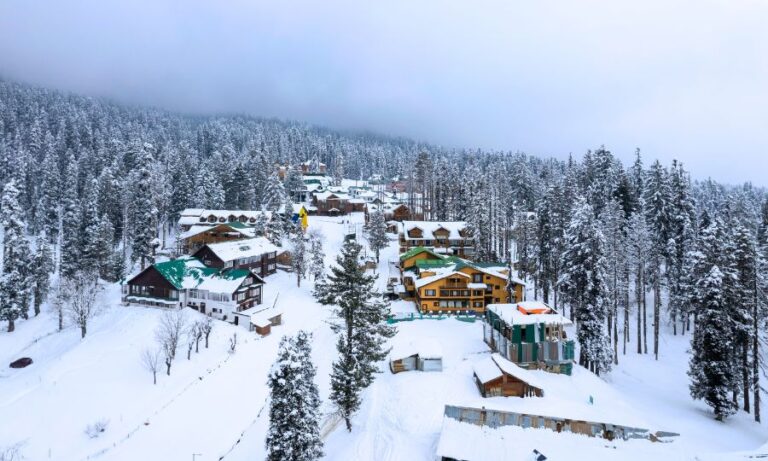
Gulmarg, often touted as India’s winter wonderland, offers a magical blend of snow‑clad landscapes in winter and lush green meadows in summer.

This hill station sits at an altitude of about 8,694 feet (2,650 metres) and is home to Asia’s highest and longest cable ride; the Gulmarg Gondola. It reaches up to 13,780 feet. It has also been consistently ranked among the top ski destinations in Asia.

For every traveller planning a Kashmir trip in 2025, a proper Gulmarg route plan from India is crucial. In this comprehensive guide, I outline step‑by‑step options for reaching Gulmarg from major Indian cities like Delhi, Mumbai, Bangalore, Kolkata, Chennai and beyond. Whether you prioritise speed, economy, or scenic value, this blog equips you with all travel options—flight, train, road—and even budget hacks.

From booking flights to Srinagar airport, planning train journeys to Jammu Tawi railway station, engaging in shared taxi arrangements or self‑drive routes from Srinagar to Gulmarg, the itinerary is exhaustively covered. 

I have also sprinkled a few personal observations from past trips to help you gauge comfort levels, weather timing, and seasonal preparations. At the end, you will have clear clarity on the best way to reach Gulmarg based on your time frame, budget and travel preferences.

Let us embark on this route plan and make your Gulmarg journey as smooth and enjoyable as possible.

Overview Of Route Options For Reaching Gulmarg 

There are three primary routes to reach Gulmarg from India: air + road, train + road, and road only (self‑drive or bus).

  • Air And Road: Fly to Srinagar International Airport and then take a shared taxi or private cab to Gulmarg (50 km approx).
  • Train And Road: Take a train to Jammu Tawi railway station (approx 300 km from Gulmarg via Srinagar), followed by road journey.
  • Road: Direct drive or bus/budget taxi from neighbouring towns or from Srinagar.

Each option has its merits. Flights are faster but costlier, trains offer budget comfort but take longer while roads get scenic but may be challenging in winter. Based on your priorities, time versus money versus comfort, you can choose the optimum route. In sections below I break down each route from major Indian hubs.

Flight And Road Route 

2.1 Reaching Srinagar by Air

Srinagar International Airport (SXR) is well‑connected domestically. Major carriers like IndiGo, Air India, SpiceJet, Vistara and Go First operate regular flights from cities such as Delhi, Mumbai, Bangalore, Chennai, Kolkata and Hyderabad.

  • Delhi to Srinagar: nearly 1.5 hrs direct flight.
  • Mumbai/Bangalore/Hyderabad: mostly connecting via Delhi or occasionally Mumbai, total travel can take 4‑6 hours including lay‑overs.

Booking your flight at least 4 to 6 weeks in advance helps secure good fares. If you travel during winter (December–March), be aware of weather‑related delays.

2.2 From Srinagar Airport To Gulmarg (Approx 50 km, 1.5–2 hrs)

Once you land at Srinagar, there are several options to reach Gulmarg:

  • Shared Taxis: Rs. 600–800 per person; group size up to 5 to 6. Economical during peak season.
  • Private Taxis: Rs. 3,000–4,000 per vehicle up to 4 passengers. Comfortable for families or small groups.
  • Car Rental/Self‑Drive: Available in Srinagar but ensure your rental has snow‑tyre or chains in winter.

The road follows Srinagar as Tangmarg and then Gulmarg. The last 20 km from Tangmarg to Gulmarg is uphill. In winter especially, snow clearance may delay transit, so plan accordingly. Shared taxi drivers typically wait near the airport until you group up, so it is wise to walk out into the taxi stand and ask around rather than relying only on pre‑booked cars.

2.3 Example Route Plan From Delhi

  • Morning flight Delhi to Srinagar (arrive within 11 AM).
  • Quick lunch at the airport (try local food and Kashmiri street snacks).
  • Shared taxi to Gulmarg by 12:30 PM that will arrive by 2:30 PM.
  • Afternoon Gondola ride (if open in season) or sunset at Gulmarg meadows.

Train And Road Route 

3.1 Major Trains To Jammu Tawi Railway Station

For budget‑conscious travellers, especially from eastern and southern India, train travel remains a viable option. Jammu Tawi (JAT) is the nearest broad‑gauge railhead. Notable trains include:

  • Shatabdi Express (Delhi to Jammu, about 9–10 hours)
  • Vaishno Devi Express (Mumbai to Jammu, about 27–30 hours)
  • Himgiri/Andaman Express (Kolkata/Chennai to Jammu, about 32–36 hours)

Advanced reservation (60 days beforehand) is recommended, particularly for AC classes during winter travel.

3.2 Jammu To Srinagar (Almost 300 km by road)

Once at Jammu Tawi, you will need a road journey to Srinagar (6 to 8 hours, 300 km). Options include:

  • Shared Taxi: Rs. 1,200 to 1,500 per person for the Jammu to Srinagar stretch.
  • Private Cab: Rs. 4,000 to 5,500 for a car up to 4 passengers.
  • Bus: JKSRTC and private deluxe buses operate the route that will cost around Rs. 700 to 1,000 but can be uncomfortable with luggage.

3.3 Srinagar To Gulmarg

From Srinagar town or bus stand, you can again take a shared taxi or private vehicle to reach Gulmarg. Total travelling time from Jammu Tawi to Gulmarg can be 10 to 12 hours including breaks.

3.4 Sample Itinerary Bangalore/Kolkata To Gulmarg

  • Day 1: Overnight train from Bangalore to Jammu (32 hrs).
  • Day 3 Morning: Arrive Jammu, break fast at dhaba, then taxi to Srinagar.
  • Day 3 Evening: Stay in Srinagar, enjoy Dal Lake boat ride.
  • Day 4 Early: Shared taxi to Gulmarg; arrive by late morning, begin sightseeing.

3.5 Pros And Cons Of Train And Road Journey

Pros: Cheaper overall, comfortable air‑conditioned sleeper classes.
Cons: Time‑consuming, transit times long, multiple changes. Winter roads can be closed due to landslides or snow, so always check route advisories.

Road-Based Route 

4.1 Self‑Drive Or Private Vehicle

Adventurous travellers may choose self‑drive from Srinagar or nearby towns. From Srinagar, following NH1 and then the Gulmarg route via Tangmarg. In summer, the drive is scenic and manageable.

In winter, roads get icy, and steep sections near Gulmarg require driving expertise and tyre chains. Local vehicle rental agencies provide snow‑kit equipped cars which is highly recommended if you take this route yourself.

4.2 Bus And Shared Taxi Options

There are JKSRTC and private buses from Srinagar to Tangmarg, and then shared taxis to Gulmarg. These buses may not operate every day in winter. Shared taxis are available at Tangmarg taxi stand, cost Rs. 100 to 150 per person for the final leg. From Srinagar Airport or city, shared taxis to Tangmarg cost around Rs. 500 to 700. For passengers travelling light and flexible with time, this mixed option works well.

4.3 Example: Delhi Road Trip

For those who prefer road‑trip style: Delhi to Jammu (less than 800 km, overnight drive), Srinagar via NH44 then Tangmarg and finally Gulmarg. Spread over 2 to 3 days, this lets you explore Jammu city, Vaishno Devi or scenic Kashmir along the way are eye-grabbing. 

4.4 Road‑Trip Tips

  • Check weather forecasts and road‑block warnings.
  • Carry warm clothes, blankets, snacks and water.
  • Keep mobile network or offline map support—network may be patchy.
  • Start early to avoid night driving on steep sections.

Detailed Comparison Of Routes: Time, Cost, Comfort 

Below is a city‑wise comparison showcasing a typical Gulmarg route plan from India, for beginners, backpackers and revisitors. It is viable for using all three options that are air + road, train + road, and road only. Here is a clear understanding: 

Origin City Route OptionApproximate TimeEstimated Cost (Per Person)Comfort Level
Delhi Flight + Road4 – 5 Hours₹ 4,000 – 6000Very Good
Mumbai Flight + Road5 – 7 Hours₹ 5,000 – 7,500Good 
BangaloreFlight via Delhi + Road7 – 8 Hours₹ 6,000 – 9,000Good 
Chennai/KolkataTrain + Road 48 – 60 Hours₹ 3,500 – 5000Moderate (depends on class)
Srinagar Road Only (Shared)1.5 – 2 Hours₹ 600 – 1,000Fair 
JammuTrain + Road10 – 12 Hours₹ 2,500 – 3,500 Moderate

Note: (Costs are indicative and may vary by season, booking time, and transportation choices.)

In my view, the flight and road option, especially from Delhi or Mumbai, is by far the most practical for most travellers, balancing speed, comfort and manageable cost. If budget is the priority and you do not mind longer travel as the train and road route remains popular among Indian travellers, especially students and large families crisscrossing India.

The road‑based option appeals to road‑trip enthusiasts or those already in Kashmir, but it requires more preparation and flexibility.

Practical Tips And Seasonal Insights For Best Gulmarg Tour Planning

Best Time To Travel

  • Winter (Dec–Mar): Ideal for skiing and snow activities, but roads and flights may be delayed due to snowfall.
  • Summer (May–Sep): Pleasant weather, lush meadows, alpine flowers. Roads are usually clear, and travel is smoother.

Early Booking Advice

  • Flights: Book 4 to 6 weeks ahead, especially during winter or summer holiday weekends.
  • Trains: Reserve at least 60 days in advance.
  • Shared Taxis: Available at hubs but during peaks (winter holidays, summer vacations) book private cab in advance.

Health And Safety For You And Your Loved Ones

  • Altitude is not very high as Gulmarg is less than 2,650 metres above sea level. However, if you are prone to motion sickness, the hilly road can unnerve you.
  • In winter, wear layered clothing, carry gloves, socks, thermal wear. Snow boots or good grip shoes help.
  • Keep snacks and water, carry a portable charger because electricity may not be reliable in winter and hilly areas.

Scenic Beauty And Local Experience

  • From Srinagar to Gulmarg road, the views of pine forests, gushing rivers and pastoral Kashmiri villages are unforgettable. In summer, wildflowers bloom along the way.
  • I personally found that breaking a journey mid‑stop in Tangmarg for a Kashmiri tea and walnut cake adds pleasant local flavour.

Ready To Plan For A Gulmarg Trip? 

Crafting your Gulmarg route plan from India involves selecting the travel option that best suits your schedule, budget and travel preferences. For most Indian travellers, a flight to Srinagar followed by a shared or private taxi to Gulmarg is the fastest, most reliable option. It offers both comfort and scenic delight, whether you visit in winter or summer. 

Meanwhile, the train and road route appeals to those seeking affordability and are comfortable with longer travel times and multiple transit segments.

If you are already in the Jammu‑Srinagar region, or are inclined towards road‑trip adventure, the road‑based option offers flexibility and scenic rewards, especially in favourable seasons.

I recommend booking transport (flights, trains or shared taxis) well ahead, especially in ski season or peak summer. Always keep current route advisories, weather updates, and travel insurance, especially during snowfall.

Small personal suggestions: stop for a local Kahwa tea at Srinagar airport or spend a night in Srinagar to enjoy Dal Lake before heading up.

With clear route planning, from flight corridors to train coaches to shared taxi logistics, you are fully equipped to traverse the snow‑covered slopes or emerald meadows of Gulmarg.

Whether aiming for skiing in March or enjoying alpine blooms in June, your journey from any Indian city to Gulmarg will be smoother with this route plan in hand. Safe travels, and may your Kashmir experience be as enchanting as the destination itself.

Frequently Asked Questions (FAQs) 

  • How can I reach Gulmarg from Delhi?

You can reach Gulmarg from Delhi by taking a direct flight to Srinagar International Airport, which takes around 1.5 hours. From Srinagar, you can hire a shared taxi or private cab to cover the 50 km journey to Gulmarg. The road trip offers scenic views and usually takes about 1.5 to 2 hours.

  • What is the best way to travel from Jammu to Gulmarg?

The best way from Jammu to Gulmarg is by train or bus to Jammu Tawi railway station, followed by a road journey to Srinagar, then onward to Gulmarg by taxi or shared cab. This route can take around 10 to 12 hours but is cost-effective and offers a chance to enjoy Kashmir’s picturesque landscapes.

  • How far is Gulmarg from Srinagar, and how long does it take?

Gulmarg is approximately 50 kilometers from Srinagar. The road journey takes about 1.5 to 2 hours depending on traffic and weather, especially during winters when snow may slow travel. The route is scenic, passing through Tangmarg and beautiful pine forests, making it an enjoyable ride despite occasional delays.

  • Are there shared taxis available to reach Gulmarg?

Yes, shared taxis operate regularly from Srinagar and Tangmarg to Gulmarg. They are a popular budget option among tourists and locals alike, typically costing less than private cabs. However, availability may be limited during off-peak seasons or heavy snowfall, so it is advisable to plan accordingly or book private transport during winter.

  • What is the cheapest way to reach Gulmarg from India?

The cheapest way to reach Gulmarg is to take a train to Jammu Tawi followed by a road journey via Srinagar using shared taxis or buses. While it takes longer and involves multiple transfers, it is budget-friendly compared to flying directly to Srinagar and then hiring private cabs.

Loading

My Journey Through Coastal Karnataka: A Land of Hidden Charms

0

Traveling, in my opinion, is about more than just crossing places off a list. It’s about those unforeseen moments, like the fragrance of damp soil after the first rain, the impromptu discussion with a stranger, or the warm cup of chai at a roadside shop. And during the 2024 monsoon, my heart guided me to Coastal Karnataka, a region I had only ever seen on postcards.

I didn’t have a big plan. No ten-day schedule with locations and times color-coded. “I want to see the sea in the rain,” was all that came to mind. And I did precisely that.

The First Sight of the Arabian Sea

Mangalore, a city that smells of the ocean and coffee beans, is where my trip started. The rain came in sheets so heavy that the platform resembled a moving picture, and the sky was a heavy blanket of gray as the train rolled in. To go to my hotel close to a beach, I drove. The driver kept telling me on the way that the sea was “angry” during the monsoon, but I believe he was exaggerating.

That first evening, I walked down to the beach, barefoot. The sand was damp, cool, and peppered with tiny shells. The waves crashed with a rhythm that felt both chaotic and calming. There were no tourists with selfie sticks, no beach shacks playing loud music. Just fishermen pulling in their nets, their silhouettes sharp against the fading light.

I sat there for hours, watching the tide rise, feeling the mist stick to my skin. I knew then that this trip would be about slowing down.

Taking a Bus Ride

I got on a rickety local bus that was going south toward Udupi the following morning. A bus full of schoolchildren, vegetable vendors, and drowsy office workers is, in my opinion, the best way to get a sense of a town. The air smelled of fresh jackfruit and damp raincoats, and the windows were foggy.

Coconut groves, flooded paddy fields, and small temples painted in vivid reds and yellows were among the constantly shifting landscapes outside as we drove. Every time we came across a river, it was aThe Island That Called Me and Maple Beach.

Malpe Beach and the Island That Called Me

Malpe Beach in Udupi isn’t the most peaceful location; it’s crowded, well-liked, and frequently lined with food vendors offering fried fish. I observed the fishermen fixing their boats as I strolled along the shore. I was then informed that St. Mary’s Island was only a short ferry journey away.

Regretfully, the ferry does not operate during the monsoon. I stood on the beach, disappointed, looking at the island’s dim silhouette in the distance. Desiring to go there but being unable to do so also had a certain beauty. I made a self-promise to go back during the dry season.

Food That Feels Like Home

Food in India is more than simply food; it’s a hug on a plate, as anyone who grew up there knows.I ate one dosa after another for the whole afternoon while I watched the rain outside a small restaurant. The proprietor, a gracious woman in her 50s, insisted that I had more food. My heart was as full as my stomach by the end, but I was scarcely able to move.

The Road to Gokarna

I traveled north to Gokarna by train from Udupi. The journey through lush forests, rivers, and cliffs, made the trip itself a delight. The hills in Gokarna have been rendered an unattainable shade of green by the rain.

Om Beach, Kudle Beach, and Half Moon Beach are the beaches that most people associate with Gokarna. Swimming is dangerous during the rains, so I chose to explore the town instead. The narrow lanes were lined with old houses, each with a red-tiled roof and a verandah dripping with rainwater.

I also went to the Maha Ganapati Temple, where the sound of bells and incense filled the air. Life here has a slower cadence. Even the store owners appear unhurried, happy to sit and converse over endless cups of tea.

One of my favourite days in Gokarna wasn’t about any landmark at all. I simply wandered — down dirt roads, past small farms, into forests where the only sounds were the chirping of insects and the occasional call of a bird.

I met a farmer who offered me freshly cut coconut. We stood under a tree, drinking the sweet water, talking about the weather and the price of rice. Neither of us asked the other’s name. At that moment, it didn’t matter.

That’s the thing about travel, the best memories are often born in moments you couldn’t have scheduled.

The Return Journey

When I finally boarded my train back to Mangalore, I felt the familiar bittersweet pull of leaving a place you’ve just started to understand. Coastal Karnataka had given me more than I expected, not in terms of attractions, but in quiet experiences.

I had seen seas that roared and whispered, eaten food that felt like family recipes, and met people whose kindness was effortless. I had learned to walk slowly in the rain without rushing to find shelter.

If you’re reading this in 2025 or beyond, wondering where to go next, maybe don’t chase the “best season” or the “most popular spot in India.” Instead, follow something smaller, a craving for rain, a whisper of the sea, or the promise of a plate of dosa. You might just find a trip that lingers long after the photos fade.

Share your unforgettable trip with us and let’s witness the beauty of India together.

Loading

Slow Travel in Spiti Valley: A Soulful Journey Through Himachal’s Deserted Heaven

There’s travel. And then there is Spiti Valley.

It is not a place that you tick off your checklist because you don’t just cover it, you feel it–slowly, deeply and fully. Dusty roads, monasteries reaching the sky and humming with silence, this cold desert valley in Himachal Pradesh, India is not short of a rare beauty, and that’s what makes it absolutely unforgettable.

I didn’t try to rush through Spiti, rather I lingered. I state longer than what I had planned. And somewhere between sipping tea and stargazing under the clearest skies I have ever witnessed, I realised this wasn’t just travel, this was therapy.

So here’s my story, raw, unfiltered, and honest, a slow traveler’s guide to falling in love with Spiti Valley.

The Journey is Half the Experience

It’s not easy to reach Spiti, which is quite obvious and that’s the beauty of it.

There are two routes basically: The Shimla one, which is open all year round and the Manali route, open in summer. I took the Shimla route, which navigates through Sangla, Kalpa, and Nako. The landscapes shift gradually, lush hills turn into bare mountains, trees disappear, oxygen level decreases and silences thickens.

Sure, it is tiring, but at the same time, it is stunning. With every turn you will experience an ‘oh wow’ moment. And before you even touch the grounds of Spiti, you’re already falling in love with the journey.

Kaza, the Quirky Capital, Was the First Stop

Your base camp is Kaza, the district headquarters. Although it’s a little town, it has enough bakeries, coffee shops, co-working spaces (yeah!), and friendly residents.

What caught me off guard the most? The atmosphere. Backpacker spirit combined with a mountain chill. Even with Wi-Fi, people continue to converse. Although there are cafes, Maggi is still available. Although there is a market, barter is still effective.

Here is where you should spend your first several days. Get used to it. Hire a bicycle. Speak with locals. It’s a lovely place to land, but trust me, the real Spiti starts once you leave Kaza.

Dhankar: The Time Stands Still Here

We rode up to Dhankar Monastery from Kaza, which is positioned on a cliff that seems like it belongs in a fairytale movie. Built more than a millennium ago, it is still standing despite its decaying state, similar to the majority of Spiti.

The climb up to the lake above the monastery takes around two hours. It is surrounded by bare mountains and is peaceful and uninhabited. No one in sight. Only the wind. I spent hours sitting on that lake. No phone. No hurry. Only the mountains, the water, and myself.

The problem with Spiti is that it slows you down without your consent.

Art in the Desert: Tabo

Tabo isn’t flashy. At first glance, it isn’t Instagrammable. However, it is home to the Tabo Monastery, sometimes referred to as the “Ajanta of the Himalayas,” which is even more powerful.

The murals are ancient , over 1000 years old yet brimming with color. The interior is dark. Nevertheless, it creates a lasting impression that no selfie can equal.

A local family hosted the guesthouse where we stayed. They talked about the hard winters and how the hamlet gets by for weeks without mobile phone towers. Their simplicity really humbled me.

Key and Kibber: Highs of the Himalayas

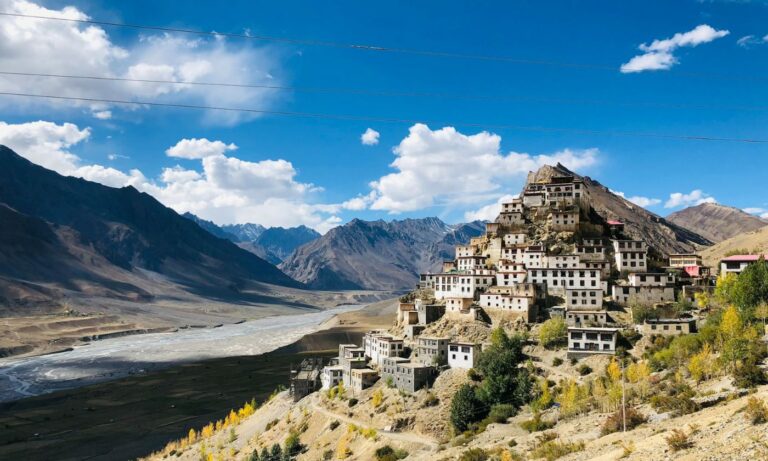
No visit to Spiti is complete without Key Monastery. It’s the most famous spot here and for good reason. Perched atop a hill like a fortress of peace, it offers a panoramic view of the Spiti River and beyond.

We went to see during evening prayer. The chanting of monks was rhythmic and low. Outside, the sky blushed orange, inside, time folded, making the entire view surreal.

Next up: Kibber Village, one of the highest inhabited villages in the world. Not touristy. Not commercial. Just mud houses, fluttering prayer flags, and the friendliest people you’ll ever meet.

If you stay overnight, walk outside at night. The stars appear like someone spilled diamonds across black silk. No filter. Just magic.

Komic, Hikkim, and Langza: Offbeat, Yet Not to Be Missed

A triangle of narratives and landscapes is formed by these three communities.

There is a huge Buddha statue in Langza that looks out over the valley. The town is scattered with fossils, evidence of a time when this desert was submerged.

The highest post office in the world is located at Hikkim. It does work. Yes, I did send a postcard to myself.

Komic feels like the edge of the planet and is one of the highest motorable settlements. It was chilly, windy, bleak, and incredibly serene.

This is your haven if you’re looking for peace and quiet. No crowds. No traffic. Just mountain air and monk chants.

Simple, Soulful, and Satisfying Food in Spiti

Although Spiti isn’t known for its cuisine, each meal I had there felt filling.

Consider barley soup, yak butter tea, tingmo (steamed bread), momos, and thukpa. It is made slowly, locally, and organically. You won’t find fancy plating, but the warmth more than makes up for it.

We had dinner with our homestay folks one evening in Tabo. Yak milk, radish sabzi, rice, and lentils. We didn’t talk as we ate. The trip’s best supper was this one.

What I Learned?

Spiti doesn’t offer luxury. No fancy stays. No smooth roads. No curated experiences. And yet, you return with so much. Here’s what Spiti taught me:

  • Slow is good. Rushing misses the point
  • Silence is a language. And sometimes, it says more than words.
  • Nature doesn’t need to be tamed. It’s perfectly wild.
  • People with less often give more.
  • Mountains don’t move for anyone. So maybe you should sit still, too.

Tips If You’re Planning a Trip to Spiti

  1. Go slow – AMS (altitude sickness) is real. Don’t rush.
  2. Respect locals – You’re a guest in their land.
  3. Carry cash – ATMs are rare and often empty.
  4. Eco-friendliness matters – No littering. No honking. No plastic.
  5. Stay longer – A week is the bare minimum.

Final Thoughts

I’ve been to cities, beaches, and forests. However, Spiti Valley? It’s not the same.

It doesn’t shout for notice. It murmurs. With depth, it humbles. You’re not entertained by it. It teaches you to appreciate silence.

Go to Spiti if you’re sick of congested locations, carefully planned vacations, and shallow sightseeing. Move slowly. Keep it simple. Be open-hearted. Because somewhere in between the meandering roads, the quiet of the snow, and the kindest smiles you’ll ever encounter, Spiti Valley transcends its physical boundaries.

Spiti becomes a part of you.

Loading

How To Plan A Kashmir Honeymoon From India: Budget To Best Routes

0

A honeymoon is not just another trip, it is a gentle beginning, a soft landing into married life. And if you’re looking for a place where love can quietly bloom away from crowds and chaos, a Kashmir trip for couples might just be the answer.

With its peaceful valleys, snow-draped peaks, and lakes so still they reflect the sky, Kashmir offers a kind of romance that feels timeless. It’s a romantic destination where nature itself seems to celebrate love.

Whether you’re floating on Dal Lake in a flower-decked shikara or sipping kahwa as chinars turn gold in autumn, Kashmir creates space for connection and is not that what a honeymoon is all about?

Is Kashmir A Good Place For Your Honeymoon?

There is a certain poetry to Kashmir. From the misty mornings in Srinagar to the raw, rugged beauty of Sonamarg and the meadows of Pahalgam, the valley invites you to slow down. Every region here feels like a different page from a love letter written by nature that is gentle, expressive, and deeply personal.

What makes Kashmir especially perfect for newlyweds is the way it blends comfort and adventure. You could be wrapped in wool, sipping almond-infused tea in a cedarwood houseboat, or hiking together through alpine valleys. There is space for stillness, and room for movement—both essential on a honeymoon.

Best Time To Travel: Matching Seasons To Moods

Spring (March to early May) is ideal if you love colours. This is when tulips bloom and almond blossoms scatter the air. Summer (May to July) offers cool, clear weather, perfect for the high meadows and gondola rides in Gulmarg.

If you prefer quiet golden landscapes and crisp air, October and November are Kashmir’s most underrated months. And of course, if snow and fireplaces are your idea of romance, winter (December to February) in Gulmarg or Sonamarg won’t disappoint.

How To Reach Kashmir Easily

The quickest and most hassle-free way is to take a direct flight to Srinagar from major Indian cities like Delhi, Mumbai, Bengaluru, or Hyderabad. Most airlines operate daily services, and flight duration is usually between 1.5 to 2.5 hours.

If you prefer road journeys or train travel, you can take a train to Jammu and then a scenic drive (around 8–9 hours) to Srinagar. While slower, it is a more immersive way to experience the changing landscapes. Either way, Kashmir is well connected and once you are there, local taxis, cabs with drivers, or day tours are easily arranged.

Planning The Perfect 6 To 7 Day Honeymoon Tour

Newlyweds often ask: how many days should we spend in Kashmir? 

Honestly, a week is perfect. It gives you enough time to breathe in Srinagar, enjoy day trips to iconic hill towns, and experience the quiet joy of doing absolutely nothing together.

Start your journey in Srinagar, where the timeless charm of houseboats sets the tone. A night on Dal Lake, with its mirror-like waters and peaceful silence, is an experience that grounds you. Spend your mornings on a shikara, your afternoons wandering through the Mughal gardens, and your evenings sharing stories over kebabs and kahwa.

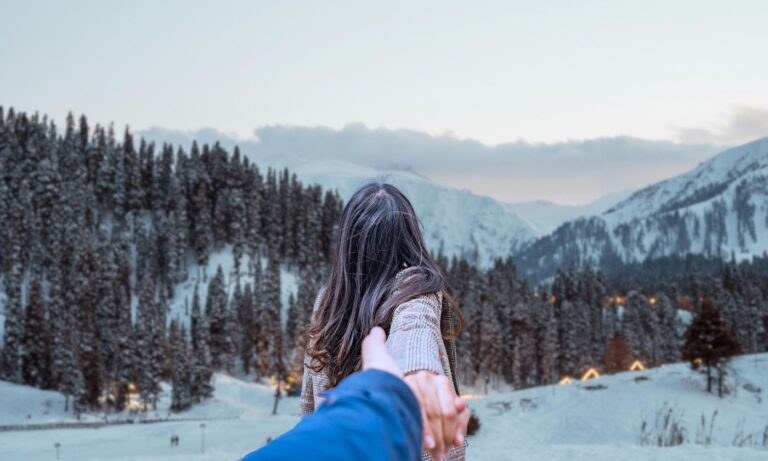
From there, take a short drive to Gulmarg, Kashmir’s snow playground. Ride the Gondola to dizzying heights, walk hand-in-hand through snow-covered woods, or simply curl up near a fireplace in a resort built for romance.

Next, head to Pahalgam, where nature unfolds more gently. It is less about grand sights and more about slow streams, forest walks, and time that stretches unhurriedly. For couples who prefer quiet over crowds, Pahalgam is a favourite.

If time allows, include a day or two in Sonamarg, where you can walk to a glacier, sit by a riverbank, and disconnect from the world. Even a short detour here feels like a world apart.

A well-paced Kashmir trip for couples should feel like a series of unfolding moments that is never rushed, never overfilled, always meaningful.

Cost Breakdown: What Does A Kashmir Honeymoon Actually Cost?

Now let us talk about the budget. While the word “honeymoon” often feels synonymous with luxury, Kashmir can actually offer a premium experience without breaking the bank. If planned smartly, a 6 to 7 day honeymoon can cost anywhere from Rs. 55,000 to Rs. 90,000 for a couple, all inclusive.

This includes round-trip flights or trains, mid-range romantic stays (with heaters or fireplaces), meals, local transport, and sightseeing. Houseboats in Srinagar start at Rs. 3,000 per night, while stays in Gulmarg or Pahalgam range between Rs. 4,000 to Rs. 7,000 depending on the season.

To save more, book flights 6–8 weeks in advance, travel just after peak season (late September or early December), and opt for combo packages from reputed local tour providers.

Experiences That Stay With You

There is something deeply bonding about shared experiences in Kashmir. Watching the snowfall together in Gulmarg. Holding hands during a silent boat ride on Dal Lake. Laughing over street food in Srinagar’s old city. Planning your next trip while wrapped in the same blanket with a view of pine-covered slopes outside.

Those moments are why this trip matters, not for the Instagram photos, but for the memories you’ll revisit in quiet conversations years later.

Where To Stay: Romantic Picks For Every Budget

Where you stay can define your honeymoon and Kashmir does not disappoint. For couples looking for something unforgettable, the houseboats of Srinagar offer the perfect blend of tradition and intimacy. Houseboats like Wangnoo Heritage Group, Butt’s Clermont, or Mascot Houseboats provide warm Kashmiri interiors, private decks, and candle-lit dinners on Dal Lake. There is nothing quite like waking up to gentle ripples and morning mist over water.

In Gulmarg, where snowflakes drift through pine forests, resorts like The Khyber Himalayan Resort promise luxury, spa indulgence, and breathtaking views. For something more budget-friendly but still cozy, Hotel Highlands Park or Pine View Resort offer warm wooden rooms with fireplaces—perfect for couples.

Pahalgam, on the other hand, offers a gentler vibe. Choose riverside cottages near the Lidder River like Hotel Heevan or Pine Spring for unmatched peace and privacy. The sound of flowing water outside your window adds a romantic charm.

In Sonamarg, options like Hotel Glacier Heights or boutique guesthouses offer stargazing opportunities, hiking access, and unplugged moments with nature. Always book your stays in advance—especially for honeymoon suites with valley views or outdoor seating areas.

For newlyweds, comfort, privacy, and a view are everything. Kashmir delivers all three.

Plan Your Honeymoon With The Help Of This Guide 

A honeymoon is more than just a trip. It is a quiet celebration, the beginning of something lasting. And Kashmir, in its unmatched beauty and soft rhythm, lets you begin that chapter slowly, meaningfully. Whether you’re watching snow fall from a cottage window in Gulmarg or sipping kahwa on a chilly morning by Dal Lake, every moment feels just a little more cinematic in this part of the world.

There is a reason couples return to Kashmir years later—it creates memories that settle deep. It’s not just about the scenery, though that alone is worth the journey. It’s about the long walks under chinar trees, the unspoken quiet during a Shikara ride, the warmth of sharing a blanket during a riverside trek in Pahalgam.

The best part of a Kashmir trip for couples is that you don’t need to plan every hour. Let Kashmir surprise you. Be open to last-minute stops, to unplanned conversations with locals, to lazy mornings where doing nothing feels perfect.

If there is one place in India that teaches couples how to slow down and truly be with each other, it is here.

So go ahead—write your first love story where the valleys echo back your laughter. Kashmir is waiting, just for the two of you.

Frequently Asked Questions (FAQs) 

  • Is Kashmir good for honeymoon couples?

Yes, Kashmir is ideal for honeymooners. Its romantic houseboats, snow-capped mountains, and peaceful valleys create the perfect backdrop for newlyweds. Couples can enjoy private Shikara rides, scenic stays, and cozy weather. The blend of beauty and calm makes Kashmir a memorable, serene, and deeply intimate destination for couples looking to start their journey together.

  • Which month is best for a honeymoon in Kashmir?

The best time for a Kashmir honeymoon depends on your preference. April to June brings blooming flowers and lush greenery—ideal for outdoor romance. October to November offers golden autumn views with fewer crowds. For snow lovers, December to February turns Gulmarg into a white wonderland. Each season offers a unique and equally romantic experience.

  • How much does a honeymoon in Kashmir cost?

A 6–7 day Kashmir honeymoon typically costs between ₹55,000 and ₹90,000 for two people. This includes round-trip travel, romantic accommodations, food, local sightseeing, and a few luxury splurges. Budget travelers can go even lower, while those choosing premium stays may spend more. Planning ahead helps optimize costs and ensure a smooth, comfortable experience.

  • Is Kashmir safe for couples?

Yes, Kashmir is safe for couples, especially in popular areas like Srinagar, Gulmarg, Pahalgam, and Sonamarg. Tourist infrastructure is well-developed, and locals are warm and helpful. Stick to recognised tour providers, stay updated with travel advisories, and avoid restricted zones. Honeymooners can travel comfortably and securely while enjoying the valley’s hospitality and natural beauty.

  • Can honeymoon couples go trekking in Sonamarg?

A Kashmir trip for couples offers stunning landscapes, romantic houseboat stays, Shikara rides, and snow adventures. With proper planning, budgeting, ideal travel routes, and local experiences, you can enjoy a magical, affordable honeymoon in India’s most scenic paradise.

Loading

Wednesday Season 2 is Coming – Here’s What You Should Know

I’ve always been a Tim Burton fan. He has this way of creating worlds that feel strange but familiar, dark but not without humour. I wasn’t really sure what to watch that evening. So I opened IMDb and started scrolling,Then I saw Wednesday. And it instantly hit me; wait, is this about The Addams Family?

Of course, I used to watch it back in school. Not all the time, but enough to remember the characters. So yeah, that name pulled me right in.

When I first watched Wednesday on Netflix, I didn’t expect to finish the whole season in a single sitting. But that’s exactly what happened. Something about her quiet confidence, dry humour, and that gothic atmosphere drew me in. If you’ve seen Season 1, you probably felt it too.

Last year, Netflix announced the renewal of Wednesday, and since then, the anticipation has slowly built up. 

As per Tudum, the upcoming season is expected to shift away from teen drama and lean more into horror. Jenna Ortega returns not just as the lead but also as a producer this time, which suggests she’s more involved in shaping the story.

The tone feels darker—not in a theatrical sense, but in the way the plot unfolds, the choices characters make, and the atmosphere around them.

Now, the show is returning with Season 2, and I thought it’s worth sharing what’s coming and why it might be worth your time again.

Wednesday Returns… On Netflix

Before the full trailer dropped, Netflix shared the opening six minutes of Season 2.

A First Glimpse That Sets the Tone

The six‑minute preview starts with a flashback. We first see Wednesday tied up in a serial killer’s basement, calmly explaining how she has learned to control her psychic visions. 

The scene then shifts further back in time to a classroom, where a young Wednesday is giving a detailed presentation on the Kansas City Scalper. It is creepy, precise, and you can tell the case has always stayed with her.

Cut to present day, Wednesday is at the airport with Thing. Her suitcase is full of weapons. The security team is fine with that, but stops her over a bottle of sunscreen. It’s the kind of scene that makes you smile, even in all the seriousness.

Soon after, she’s face to face with the killer himself, played by Haley Joel Osment. He captures her and locks her in a basement filled with dolls. She’s tied up, quiet, and then her psychic power kicks in. A black tear rolls down her cheek. Thing comes out from one of the dolls and helps her escape.

Wednesday frees herself, picks up a knife, and simply says, “Let’s play dolls.” That line tells you everything about her.

This short opening makes it clear that the new season will focus more on real danger and less on school drama. It also shows a Wednesday who is sharp as ever, but a bit more shaken than before.

Back to Nevermore Academy

I was super excited seeing the thumbnail of the Wednesday trailer in my YouTube feed, and then what I saw just pulled me right in. 

It wasn’t loud or over-the-top—but something about it lingered.

Wednesday Walks Back into Nevermore; but It’s different this time.

She returns to the academy not because she has to, but because she chooses to. It’s subtle, but important; she’s not just drifting back; she wants to solve something deeper this time.

There’s even a moment where Morticia makes a small joke about it, and you can tell Wednesday is uncomfortable with the attention she’s now getting. Everyone’s calling her the “savior of Nevermore”; some students even treat her like a celebrity. Wednesday hates it. She rolls her eyes, pushes back. “I already know where the bodies are buried,” she says quietly, and it’s honest.

Then there’s a subtle but powerful moment where a black tear rolls down her face. No words, no music, just that image. 

Later, she says, “Enid dies, and it’s all my fault.”That line hangs there. Low in tone, but heavy. Later, Wednesday whispers, “The sooner I get answers, the sooner I can save Enid… or die trying.” It’s rare to hear her voices crack.

Earlier, her visions gave clarity. Now? They stress her. She looks vulnerable—drained, unsure if she can trust what she sees. The trailer teases she’ll lean on Morticia and maybe even dig into Addams family secrets to figure it out.

Some New Faces

There’s a change in leadership at Nevermore. Steve Buscemi joins the cast as Barry Dort, the new principal. He’s not the usual type you’d expect in that role, and that alone adds some interest.

A few more names have been confirmed: Billie Piper, Joanna Lumley, and Lady Gaga, who appears in Part 2 as Professor Rosaline Rotwood. Gaga makes a dramatic entry in the promo clip, rising from a coffin, but that’s about all we know for now.

Two-Part Release Schedule by Netflix

Netflix is releasing the Season 2 will be released in two parts:

Part 1 on 6 August 2025

Part 2 on 3 September 2025

Each part will have four episodes. Personally, I think splitting it works well. It gives space for the story to settle in and for us to talk about it in between.

Enid, Thing, and the Whole Gang’s Back

Most of the original cast is returning. Emma Myers as Enid, Catherine Zeta-Jones and Luis Guzmán as Morticia and Gomez, and Isaac Ordonez as Pugsley. Thing is back too, of course.

Jenna herself said this season leans more into horror. Less teen drama, more Addams-style storytelling. I don’t know about you, but that sounds like a perfect upgrade.

Global Tour and That Classic Wednesday Energy

According to Get Your Comic On, Jenna Ortega and the cast are doing a global tour ahead of the premiere. Cities include Seoul, Sydney, and London. It seems Netflix is positioning this season as more than just a follow-up—it’s part of a larger cultural rollout.

Final Thoughts

There’s something consistent about Wednesday. Even when it gets eerie or strange, it stays true to its tone. I think that’s why so many of us connected with it in the first place.

If you’re planning to watch, maybe rewatch Season 1 first. Some small details might stand out more now. And once the new season drops in August, I’ll probably write again—quietly watching, making notes, and wondering where the story will go next.

Let’s see what Wednesday has in store.

Loading

Offbeat Workcations in India: The New Way to Travel and Work

0

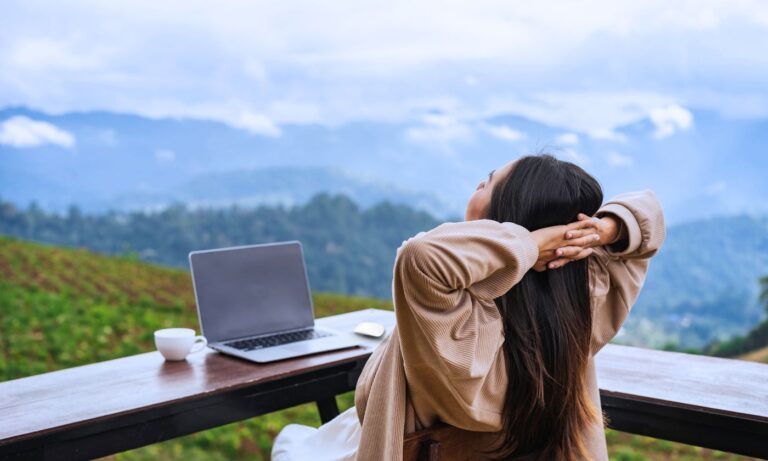
Are you sick of the same traffic, the four walls, and the same desk every day? You’re not alone. More people in India want a break from the daily routine but can’t take long leaves from work. So, they mix both, work and vacation, and this is where the idea of a workcation comes in.

A workcation is precisely what it sounds like: a combination of vacation and work. You bring your laptop, find a peaceful location, be it a beach, the hills, or a small town and spend a few days or even weeks working from there. In order to get some fresh air, improve their concentration, and feel better at the end of the day, many young professionals, independent contractors, and startup teams now choose unconventional workcations in India.

According to statistics, 94% of workers say work-life balance is important, and the rise of workcations in 2023 shows that more people are looking for flexible ways to balance work and personal life.

Let’s explore why workcations are trending in India, which hidden places are best for it, and how you can plan one without any hassle.

Why Are Workcations Gaining Popularity?

During the lockdown, we learned that work can happen from anywhere, your living room, kitchen, or even your bed. Nowadays, a lot of businesses still permit remote work on certain days or weeks of the year. This is made possible by new co-working spaces, improved transportation, and fast internet.

A workcation prevents burnout while assisting you in maintaining productivity. Instead of loud noises, you wake up to sea waves or misty hills. Instead of going to a busy cafe, you go for a quick walk or hike. After completing your calls, you enjoy a cup of chai on a balcony overlooking the city. Isn’t that preferable to spending your days gazing at a gray wall?

Offbeat Workcation Places in India You’ll Love

We are all aware of Manali and Goa. However, what if you would prefer to work from a quiet, new location and avoid the crowds? These treasures are ideal for a peaceful work vacation in India.

1. Bir Billing, Himachal Pradesh

Bir Billing Himachal Pradesh
Photo by Bir Billing India

Bir Billing is the place for adventure, slow living, and mountains. Paragliding has made this tiny Himachal village famous. However, a lot of people come here merely to work quietly.

There are welcoming hosts, mountain-facing homestays, and adorable cafes with Wi-Fi. You can see vibrant paragliders soar overhead in the morning. You can go for a quick walk after work or enjoy coffee and fresh momos at a cafe.

Many people call Bir India’s mini digital nomad hub. It’s still not too commercial, so you get the calm you need.

2. South Goa

Canacona, South Goa
Photo by urtimud.89

Goa is always on lists for work vacations, but skip the party beaches. Try the serene beaches of Palolem, Agonda, or Patnem in South Goa instead. Here, small homestays and boutique stays offer desks, Wi-Fi, and beachside views.

Imagine working on your laptop at a shack in the morning while drinking fresh coconut water, and then swimming at nightfall to cap off the day. Longer booking rates are now available for workcation guests at many accommodations. Rent a scooter and explore secret coves if you need a break.

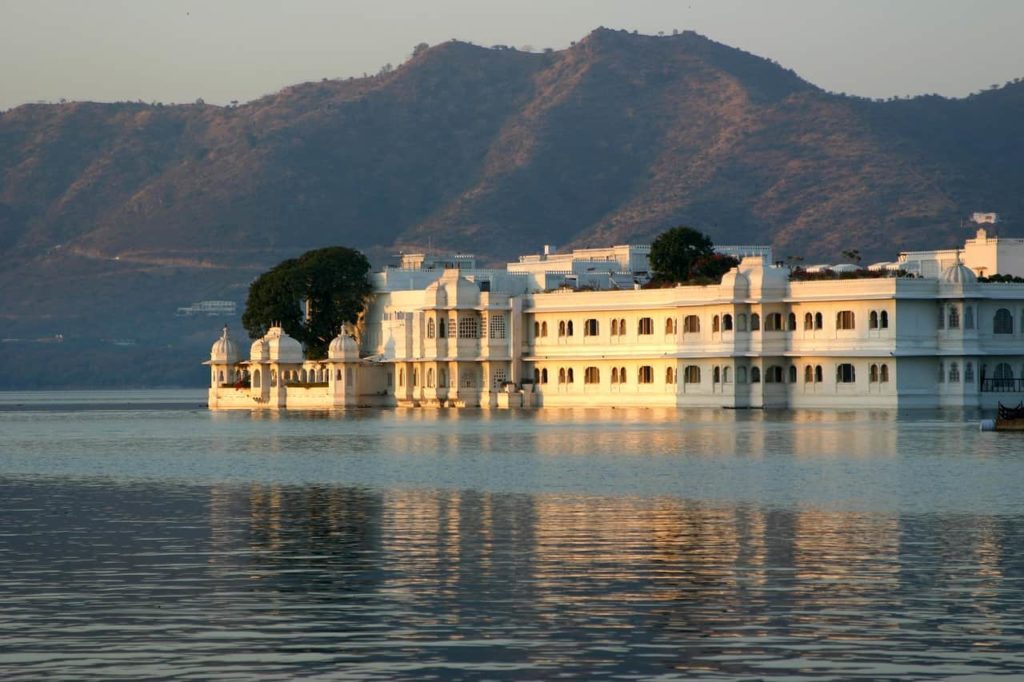
3. Udaipur, Rajasthan

Udaipur
Image Source : Pixabay

You would assume that Udaipur is only a tourist destination with lakes and palaces, but this historic city is also a great place to go on a work vacation. Many former havelis are now homestays with powerful Wi-Fi and workspaces on the roof.

You can work from a peaceful cafe in the ancient city alleyways or relax by Lake Pichola with your laptop. Take an evening boat trip, go to local art stores, or listen to traditional music after work. Udaipur is unique for creative people who require fresh ideas because of its blend of culture and tranquility.

4. Rishikesh, Uttarakhand

Rishikesh
Photo by Niloy Banerjee on Unsplash

If you want nature, spirituality, and adventure together, Rishikesh is a great pick. Nowadays, a lot of riverside cottages and yoga retreats have high-speed internet and tiny work stations.

Yoga by the Ganga is a great way to start the day. Meetings can be concluded in a serene garden before going for a little trek or river walk. Here, cafes serve delicious chai and organic meals. Attend community events if you enjoy networking with other remote workers. You feel both free and connected in Rishikesh.

5. Wayanad, Kerala

wayanad

Wayanad, which is surrounded by woods, waterfalls, and spice plantations, is located in Kerala’s Western Ghats. It’s a hidden gem for workcations because it’s less busy than Coorg or Munnar.

Numerous treehouses and plantation stays provide peaceful surroundings, tasty home cooking, and quick internet. Work while listening to birdsong. Visit coffee estates, caves, or waterfalls during the weekends. All year long, the temperature remains cool. When you want to log off, Wayanad is a welcome change.

How to Choose the Best Location for a Workcation?

To prevent surprises, verify a few items before making your reservation:

  • Wi-Fi Quality: Always verify ratings or inquire about the speed from hosts.
  • Power Backup: Since power outages can occur in remote areas, backup power is important.
  • Network Signal: While Wi-Fi is available in some locations, phone signals are weak.
  • Comfortable Desk: You can work more effectively with a nice chair and table.
  • Co-working Spaces or Nearby Cafes: You may need a change of scenery.
  • Positive Reviews: Examine the opinions of other remote workers.
  • Long-Stay Offers: Weekly or monthly savings are available for many stays.

How to Manage Vacation and Work?

You still have to meet deadlines even though working from a picturesque location can feel like a vacation. Here’s how to strike a balance between them:

  • Decide on your working hours. Follow them to avoid working all day.
  • Take genuine breaks by going for a small local food or a stroll.
  • Inform your team of any changes to your schedule.
  • Meet other travelers while showing consideration for their work schedules.
  • After work, visit new places.
  • Give to neighborhood cafes and small businesses; your purchases benefit the neighborhood.

Things to Bring for a Stress-Free Work Vacation

Be clever, but pack light. For a stress-free work vacation, bring these necessities:

  • The laptop with its charger
  • Power bank with extension cord
  • Dongle for portable Wi-Fi (as a backup)
  • Headphones for calls
  • Notebooks and pens
  • Reusable bottle or coffee mug
  • Light jacket or raincoat (mountains get cold anytime)
  • A book to read when you log off

In a Nutshell

Workcations are not just a trend, they’re becoming a smart way to break the routine without stopping your work life. India has many beautiful offbeat places where you can finish your tasks and relax in nature. Whether you choose mountains, beaches, forests, or heritage towns, a good workcation refreshes your mind and helps you work better.

So, pack your laptop, find a spot that calls you, and give this new way of travel a try. You may come back with fresh ideas, better focus, and stories to tell for life.

Happy working, happy travelling!

Loading