Home Blog Page 37

Popular Sites to See in South Mumbai in a Day

Mumbai is commonly known as ‘The City of Dreams’. Beaches to hills, historical architecture to modern architecture, food to shopping, the city have it all. Its impossible to see the city in a day. The best way to see it is to divide into parts.

Mumbai can be divided into three parts South Mumbai, Western Suburbs, Eastern Suburbs. Of course, you can divide it as per your wish. South Mumbai comprises the city’s main business localities and some of the most beautiful Architectures.

South Mumbai is full of beautiful heritage buildings and architectures. Here are few popular places to see in South Mumbai.

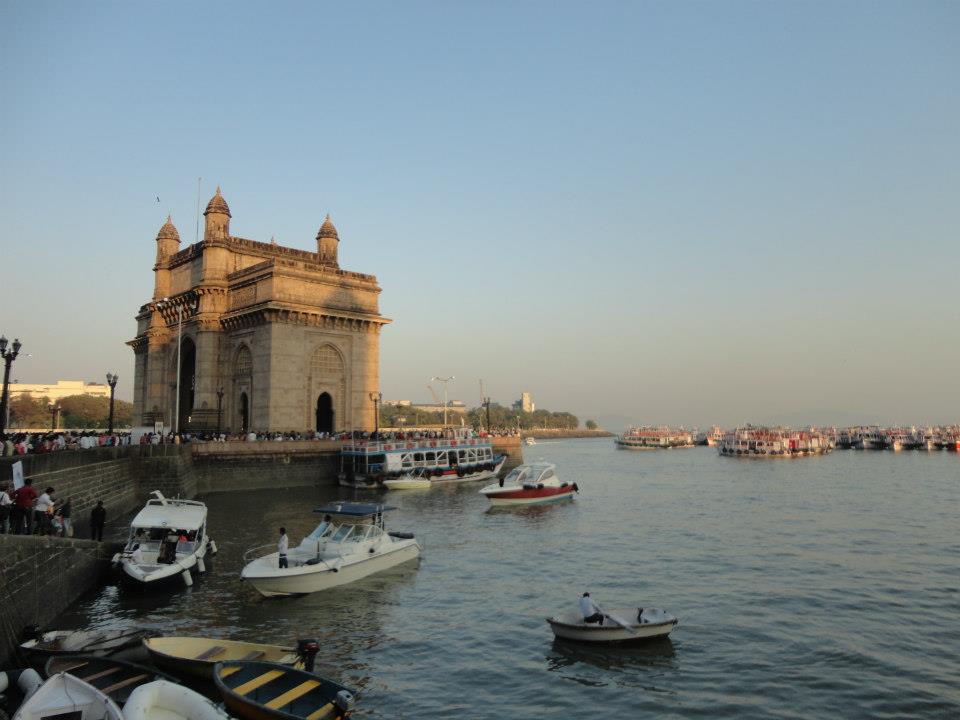
Gateway of India

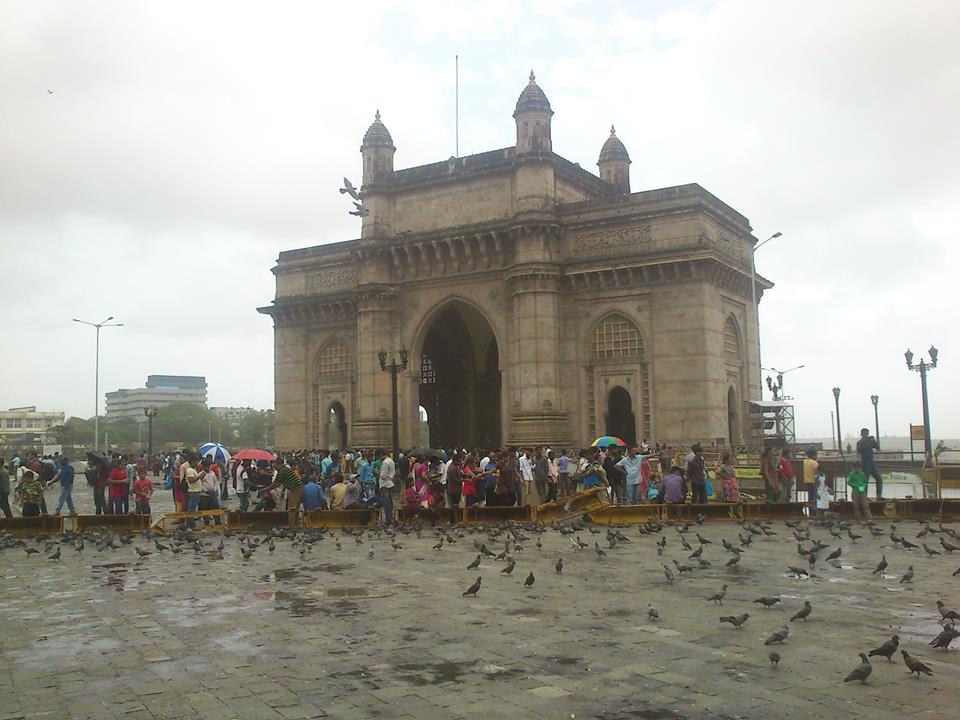
Gateway of India

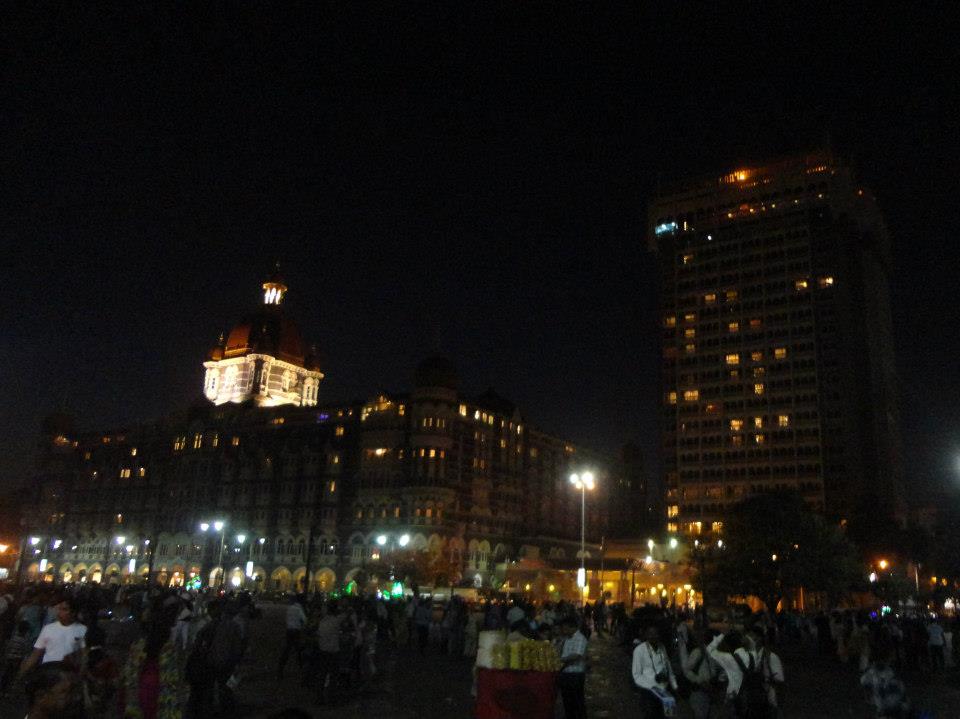
Gateway of India is one of the iconic structure in the city of Mumbai. The place remains full of tourist throughout the day. Standing near the gateway, you can get an iconic back view of Taj Mahal Palace Hotel. The Taj Mahal Palace hotel is designed in Indo-Saracenic style.

Taj Hotels

From the gateway, Ferry leaves for Elephanta but if you don’t have enough time, you can’t go for it, as it will take a whole day.

Elephanta Caves are a collection of cave temples. The carved caves narrate stories of Hindu mythologies.

Walking away from Gateway towards Regal cinema, you will come across a street market on the footpath which is Colaba Causeway Market.

Colaba Causeway market is near to Gateway of India. Colaba Causeway Market is a street side shopping destination which gives you bargain and buy options.

It has all the varieties and shopping options from clothes to accessories for ladies and gents.

Starting from Gateway of India the place is full of is full of heritage colonial architecture.
On your walk, you will encounter few of the iconic site of the city

  • Chhatrapati Vastu Sangrahalaya
  • Regal Cinema
  • National Gallery of Modern Art
  • Rajabhai Clocktower
  • Mumbai University
  • Flora Fountain

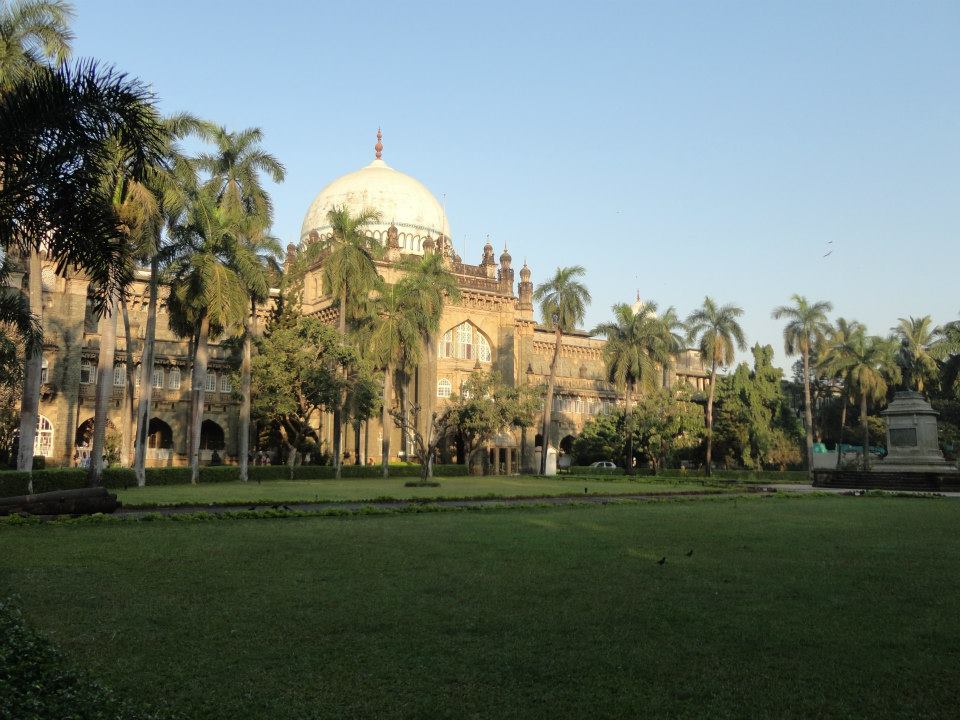
Chhatrapati Shivaji Maharaj Vastu Sangrahalaya

Chhatrapati Shivaji Maharaj Vastu Sangrahalaya

The Chhatrapati Shivaji Maharaj Vastu Sangrahalaya, formerly Prince of Wales Museum of Western India is the main museum in Mumbai. The building is built in the Indo-Saracenic style of architecture.

The museum has around 50,000 artefacts, so it will take some time to see it.

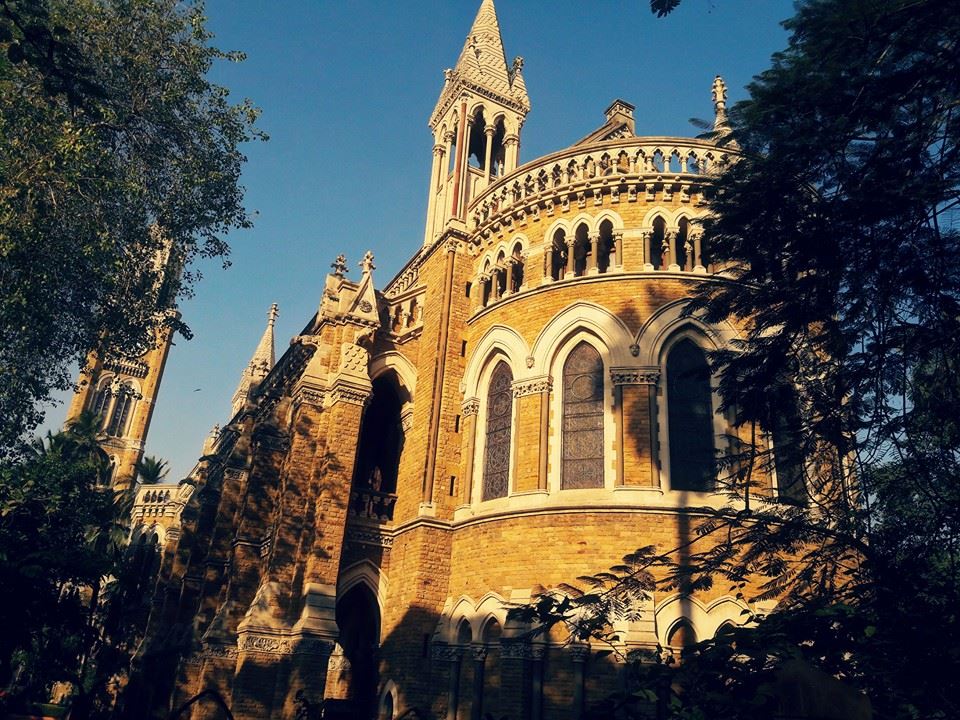
Mumbai Univerisity & Rajabai Clock Tower

Mumbai university fort Campus

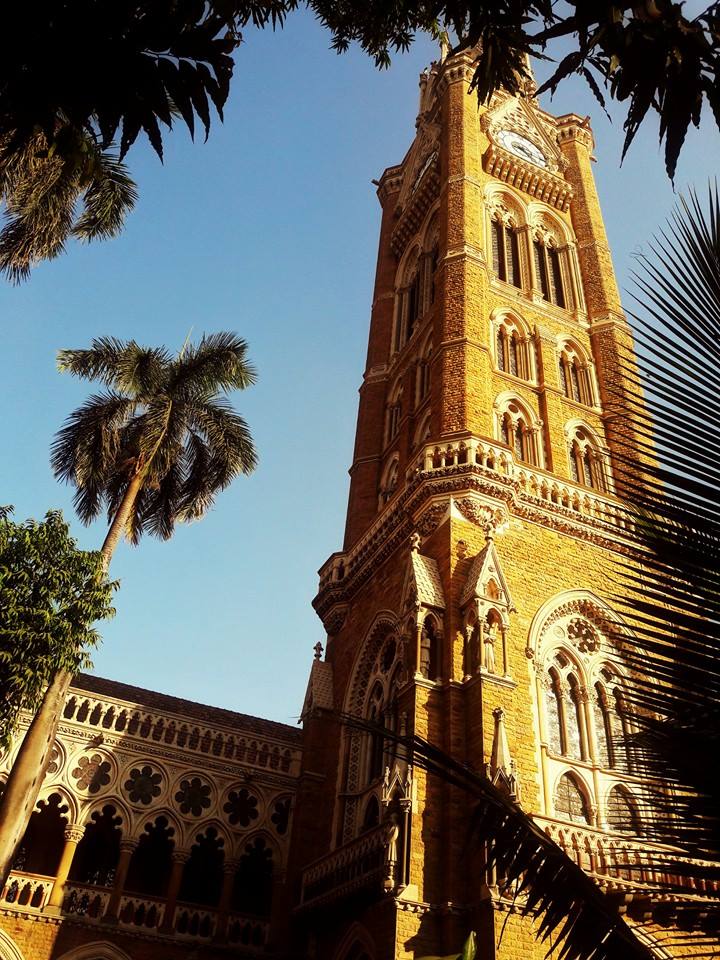
Rajabhai Clock Tower

Mumbai University Fort campus is built in the Gothic style and has Rajabai Clock Tower standing on the lawns. The Rajabai Clock tower is modelled on Big Ben, London.

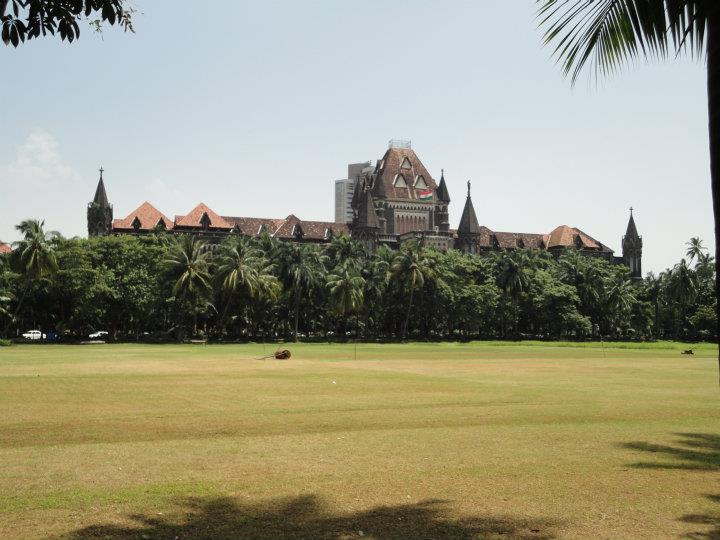
Along the way to Marine drive, one will also encounter some other heritage buildings like the High court and Western Railway headquarter.

Bombay High Court


Western Railway Headquarter


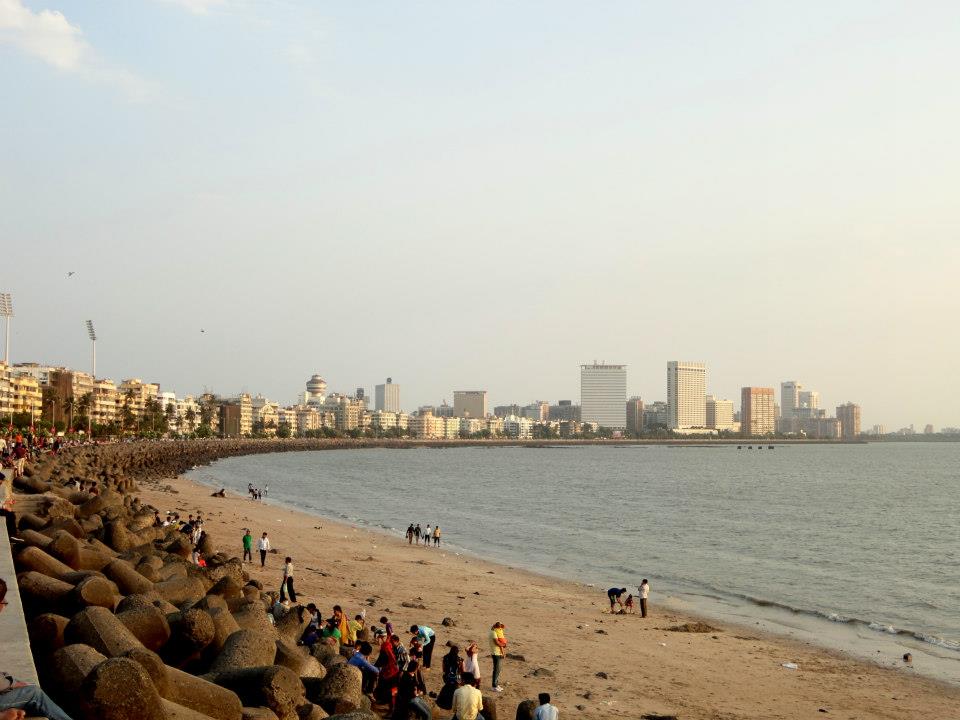
Marine Drive

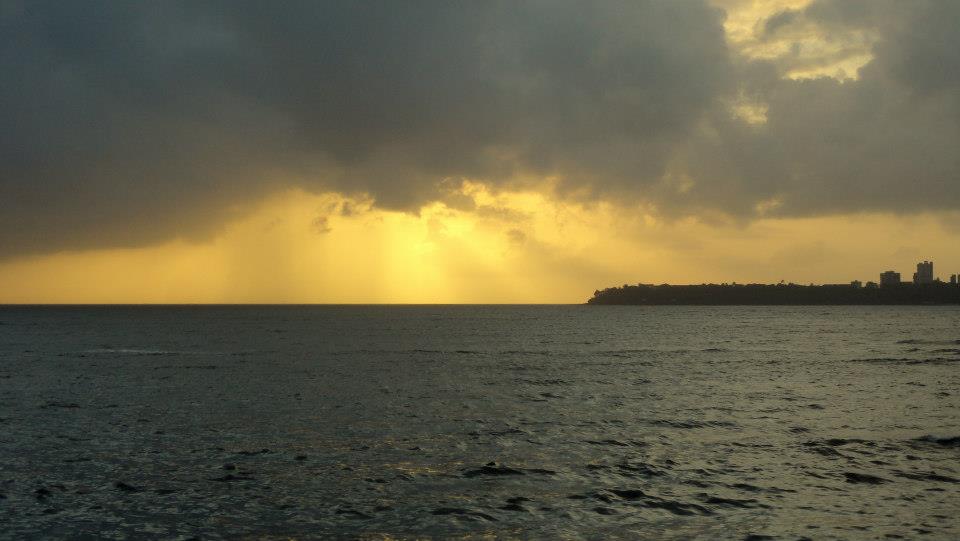
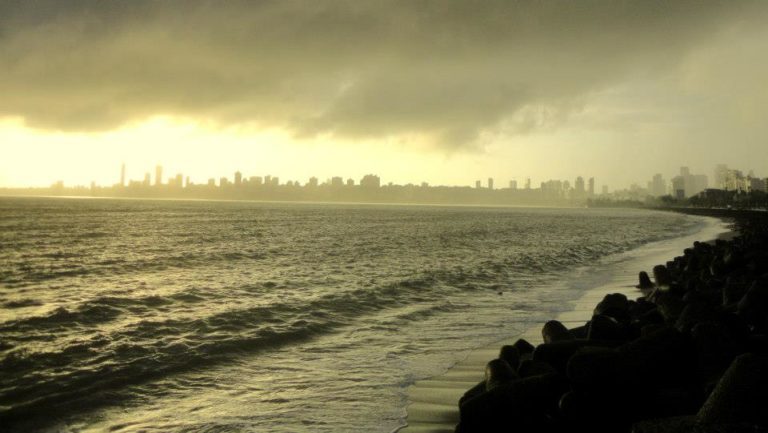
Sunset at Marine Drive

A peaceful crowed place. The beautiful road has a wide promenade parallel to the road along the sea where you can enjoy the soothing breeze of the sea and the landscape. The drive starts at Nariman Point and ends at Girgaon Chowpatty.

Marine Drive

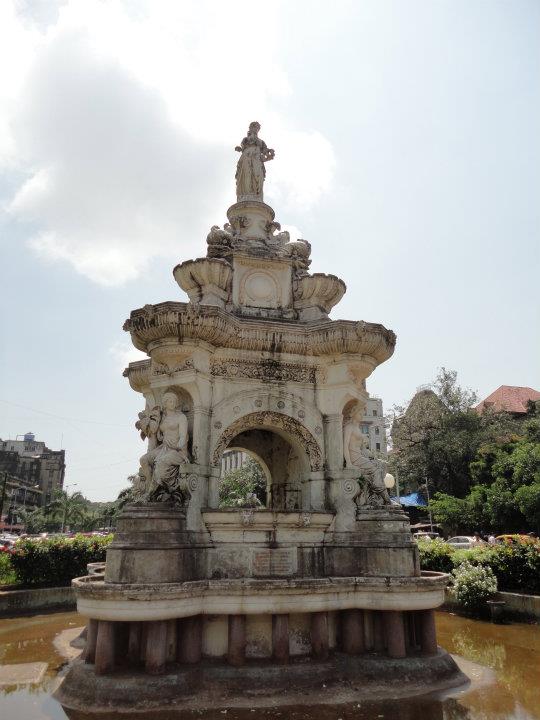
Flora Fountain

Flora Fountain Mumbai

Flora Fountain, at the Hutatma Chowk, is an exquisitely sculpted architectural heritage which depicts the Roman goddess of flowers and Spring.

Within a radius of 2 miles radius of the fountain, you can get to see most of the impressive heritage buildings of the city. There is also a book market near Flora Fountain.

Near the Churchgate station, there is a fashion market which is located opposite the VSNL office building on M.G. Road, the street is famous for the latest and the trendiest clothing lines in Mumbai. This place is mostly visited by students and teenagers. The market has stuff like Clothes, Jewellery, Gadgets, footwear at a cheap price.

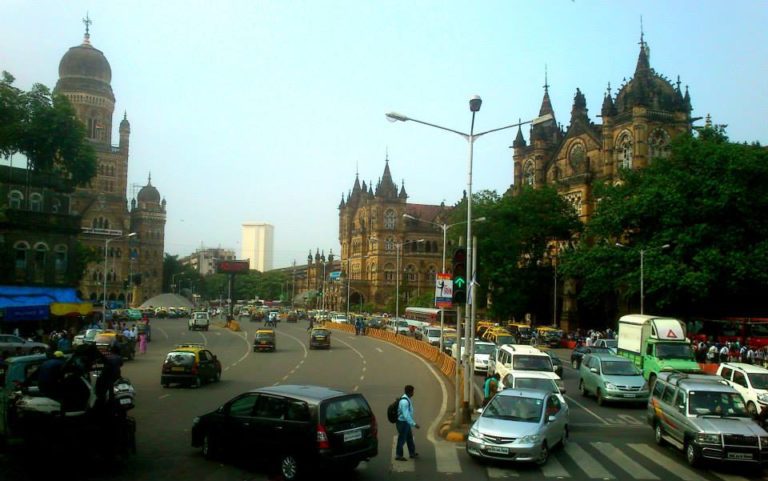
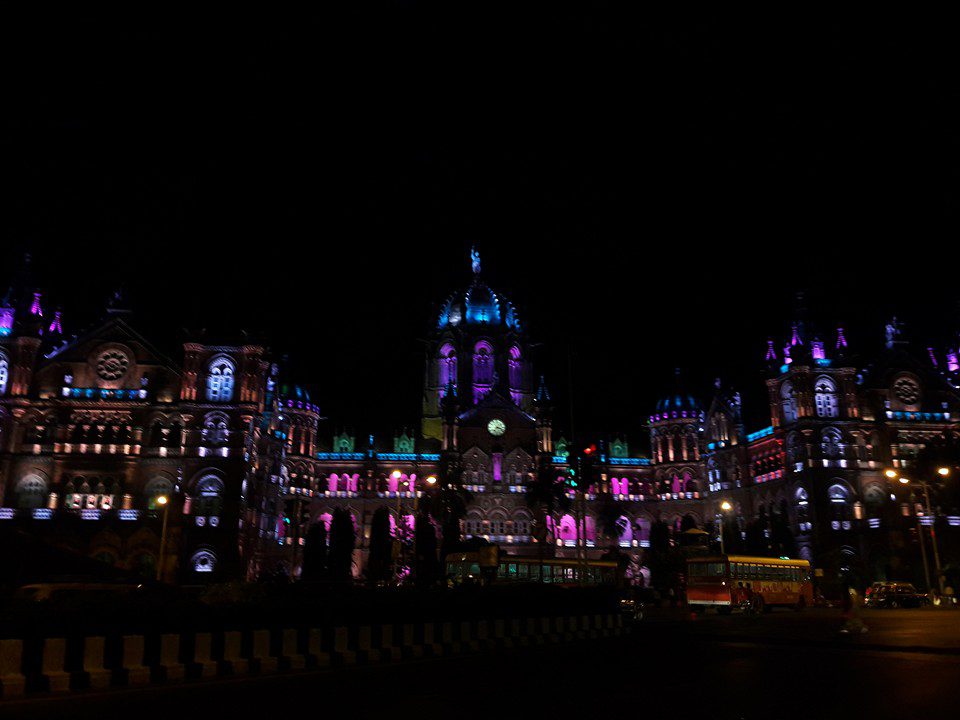
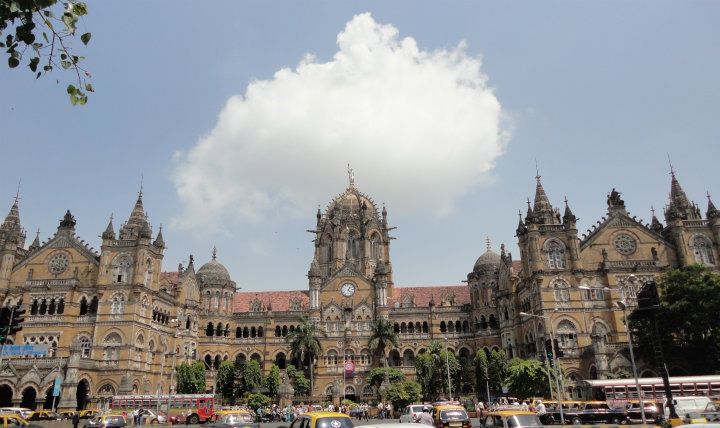
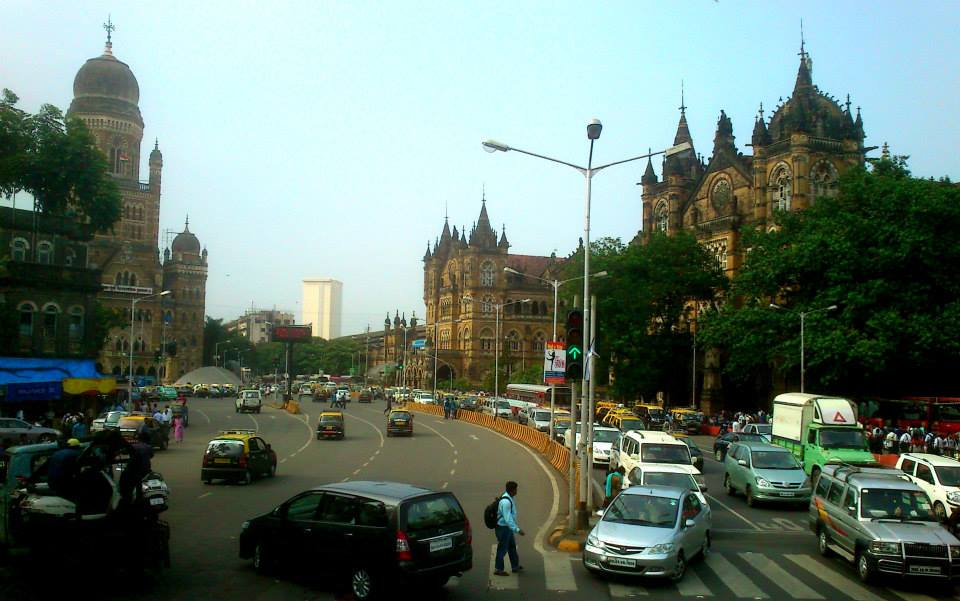
Chhatrapati Shivaji Maharaj Terminus.

CST Mumbai

The iconic gothic-style architecture is Unesco World Heritage Site. Chhatrapati Shivaji terminus was earlier known as the Victoria terminus.

The building has stained glass windows, domed arches and pillars which gives you a completely different feeling, but then on encountering the crowd, you will realize you are in one of the busiest railway stations.

CST


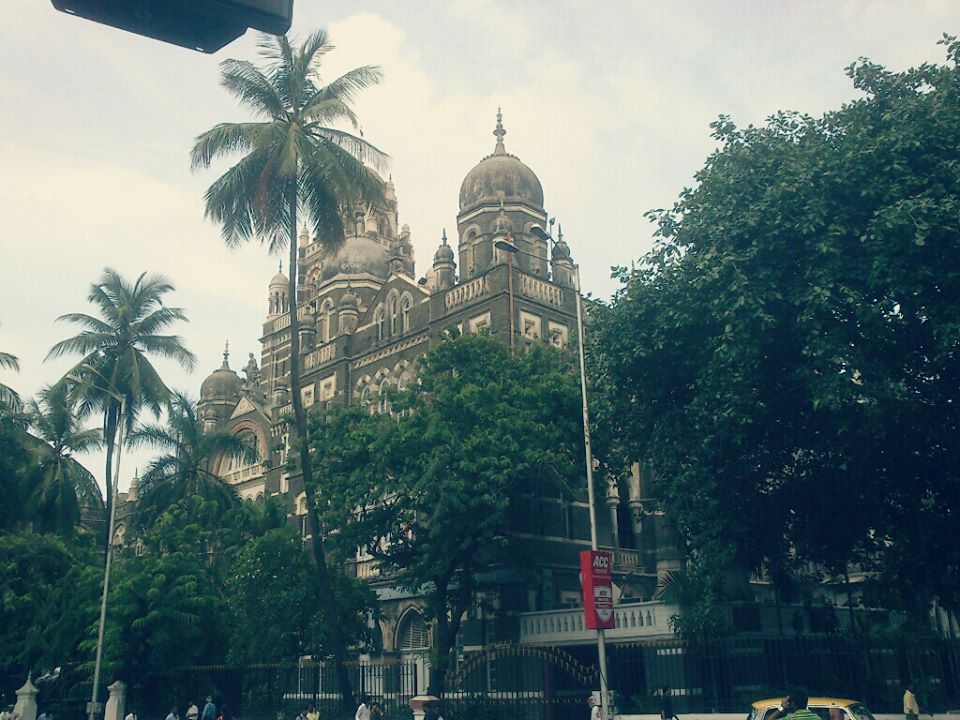
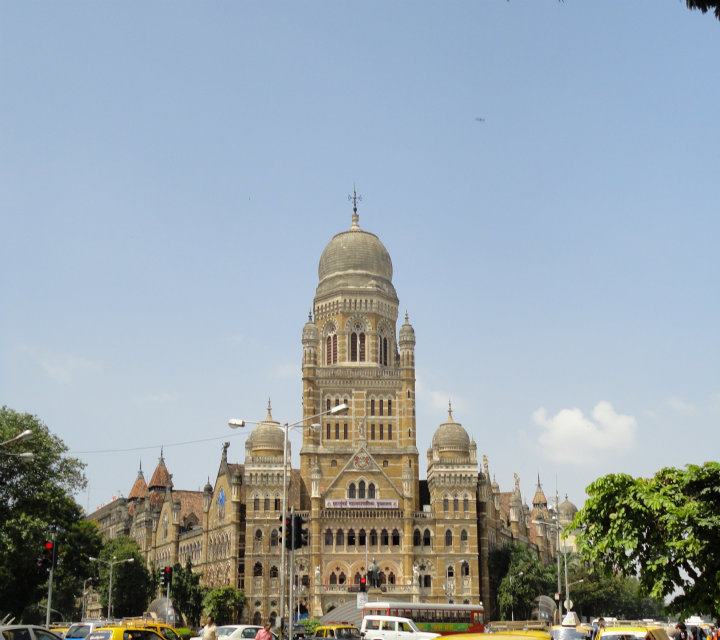
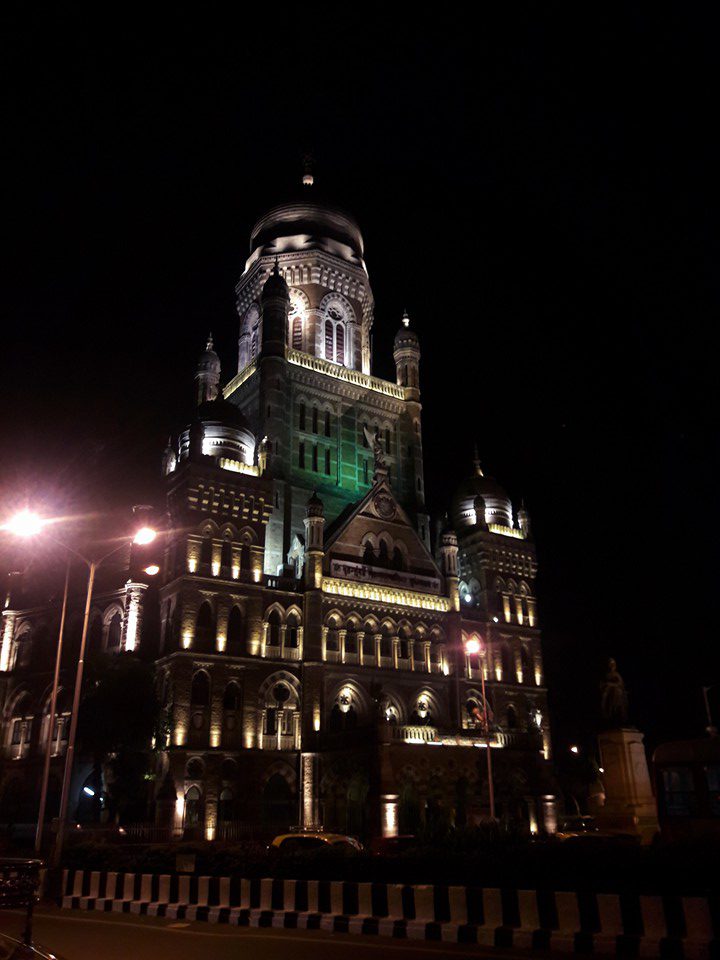
BMC Building

BMC Mumbai CSMT BMC

Municipal Corporation Building is situated near CSMT. The building is a Gothic designed architecture which is designed in a V-shaped form.

Mumbai GPO is located near CSMT which is modelled on the Golgumbaz in Bijapur, Karnataka. The GPO is an Indo-Saracenic architecture.

South Mumbai has no shortage of good eateries, vegetarian and no vegetarian foods are easily available in almost every corner of the city. From small street stall to a big five-star restaurant the city can surely satisfy your taste bud.

Mumbai is too huge to cover up in a day unless you plan a touch and go, so it is better to see it in parts. South Mumbai itself has many other popular places, I have focused on some of the popular places in a small radius near Chhatrapati Shivaji Terminus which is the main centre of the city. This sites can be comfortably covered by walk or small bus ride. The availability of App Cabs has made it easier to travel in the city.

References:
https://en.wikipedia.org/wiki/Chhatrapati_Shivaji_Maharaj_Vastu_Sangrahalaya
https://www.tripadvisor.in/Attractions-g304554-Activities-Mumbai_Maharashtra.html

Loading

Holi: The Festival of Colours, Love and Tradition

Holi, the festival of colours, is also known as the festival of love and togetherness. It is a time when people set aside differences and come together in a spirit of joy and harmony.

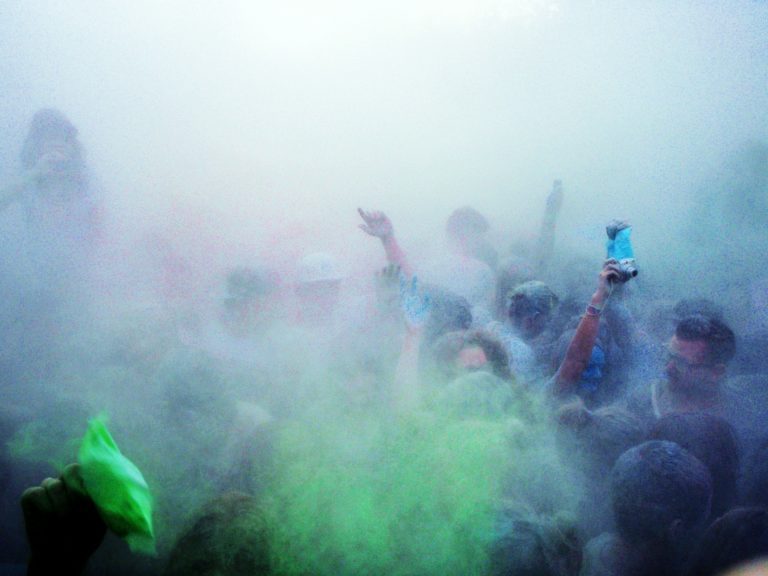
The celebrations are marked by smearing vibrant colours on family and friends, creating a lively and cheerful atmosphere. The excitement reaches its peak among friends and siblings, where playful splashes of colour, water balloons, and laughter-filled moments make the occasion truly unforgettable.

Story of Holi

Holi is not just a festival of colours; it symbolizes the triumph of good over evil. Celebrated over two days, it begins with Chhoti Holi or Holika Dahan, followed by the grand celebration of colours the next day.

Boon of Brahma

As per legend, there lived a demon named Hiranyakashipu. He prayed for many years and received a special boon from Lord Brahma.

As always, his first wish was to be immortal but that was not possible, so he asked something else, something that would eventualy make him immortal.

No man or animal could harm him, no weapon could kill him, and he could not die during the day or night, inside or outside, on land, water, or in the air.

Thinking as if he has become immortal, he started showing his brutality and forced people to worship him and killed those who were worshipping Lord Vishnu or other Gods.

A Father’s Wrath and a Son’s Unshakable Faith

He was happy with his tyranny until he came to know about his son Prahlada.

Prahlada, refused to obey him. Prahlada was a great devotee of Lord Vishnu and kept praying to him. This made Hiranyakashipu very angry. So, he forced him to stop worhipping Lord Vishnu, but the boy refused. Therefore there was just only one way to solve this, kill the child.

This should be an easy task afterall, killing a child.

He ordered his guards to throw Prahlada off a cliff, but Vishnu saved him. He was trampled by elephants, thrown into the sea, and even given poison, but nothing could harm him. Finally, the king asked his sister, Holika, to help.

Holika, Prahlada’s aunt, asked Prahlad to sit on a pyre with her. With the boon from Brahma Holika was immune to fire. But the trick misfired as she misused the boon and as a result, Holika got burned in the fire and died. In other versions, it is also said that Holika was wearing a fire-resistant robe.

But Hiranyakashipu was still furious. He asked Prahlada, “If your Vishnu is everywhere, is he in this pillar?” Prahlada nodded. In anger, Hiranyakashipu smashed the pillar with his mace.

Suddenly, Lord Vishnu appeared from it in a strange form, not man, nor animal, but as a half-man, half-lion. This form was called Narasimha.

It was evening then, not day or night. Narasimha took Hiranyakashipu to the doorstep, not inside or outside. He placed him on his lap, not on land, water, or air. Using his sharp claws, not a weapon. Narasimha killed the demon king. In this way, Vishnu’s clever plan broke the boon and destroyed the evil king.

The Joyous Celebration of Colours

People celebrate Holi every year to remember that faith and truth always triumph over evil. The bonfire of Holika Dahan symbolizes the burning away of negativity, while the vibrant colours of Holi spread happiness, love, and togetherness.

The real celebration begins the next day. The air fills with excitement as people step out with packets of gulal and buckets of coloured water. Friends and families joyfully smear each other with colours, while children gleefully spray coloured water on passers-by. Laughter echoes in the streets as everyone, young and old, joins in the fun.

As the day winds down, the celebrations continue in the evening. People gather with loved ones, relishing delicious sweets like gujiya and malpua along with festive treats. Music, dance, and heartfelt conversations make Holi a festival of pure joy, love, and togetherness.

Holi Across India: A Festival of Many Colors and Traditions

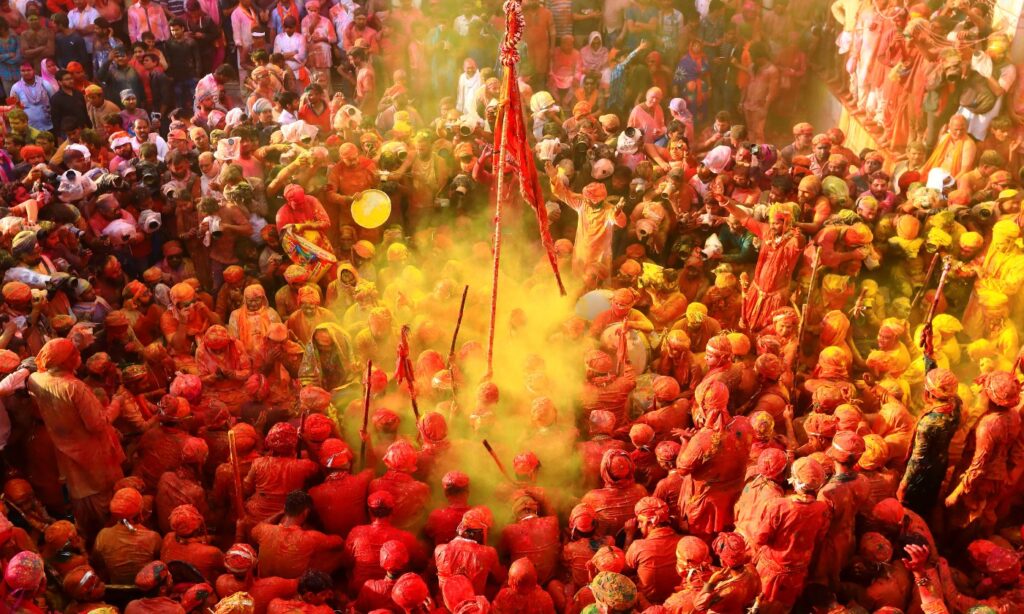
Lathmar holi
Image Courtesy Nivedan Sharma from Pexels

India, a land of diverse cultures, celebrates Holi in many unique ways. Each region has its own traditions, making the festival even more vibrant and special.

Lathmar Holi – The Playful Battle of Barsana

One of the most famous Holi celebrations takes place in Barsana, the birthplace of Radha. Here, the festival is known as Lathmar Holi, where men from Nandgaon; Lord Krishna’s village visit Barsana and are greeted with playful blows from bamboo sticks (lath) by the women.

The men, carrying shields, try to protect themselves while teasing the women in a friendly manner. This tradition recreates the legendary tales of Krishna and Radha, adding a fun and unique twist to the celebrations.

Mathura and Vrindavan – The Land of Krishna Comes Alive

In Mathura and Vrindavan, Holi is more than just a one-day festival. The celebrations start a week in advance, with the temples of Krishna adorned with flowers and colours. Devotees gather to sing devotional songs, perform rituals, and play with gulal (coloured powder).

The Banke Bihari Temple in Vrindavan and Dwarkadhish Temple in Mathura become the heart of the celebrations, attracting thousands of visitors every year.

Shantiniketan – A Cultural Holi Celebration

In Shantiniketan, Bolpur, Holi is celebrated as Basanta Utsav, a tradition started by Rabindranath Tagore. Here, the festival is marked by a celebration of art, music, and dance.

Students and artisans dress in yellow attire, sing Tagore’s songs, and perform traditional dance forms, making the occasion more about culture and creativity than just playing with colours.

The ritual of Dol Jatra also takes place, where idols of Radha and Krishna are placed on swings, worshipped, and carried around in a grand procession.

Kumaoni Holi – A Celebration of Music and Tradition

Holi in Kumaon is more about melodies than colours. The festival is celebrated through Baithaki Holi, Khari Holi, and Mahila Holi, where people gather to sing traditional ragas and folk songs. Unlike the usual Holi revelry, it is a cultural and spiritual affair, deeply rooted in community bonding and heritage.

People dress in traditional white attire, move in processions, and sing Holi Geet, creating a joyful yet peaceful celebration. The festival is a beautiful blend of music, devotion, and togetherness, making it one of the most soulful Holi celebrations in India.

Modern Holi Celebrations in Cities

While traditional Holi is still widely celebrated, modern urban Holi has taken a different turn. Many organizers host Holi parties with DJs, live artists, and food stalls, creating a festival-like atmosphere in cities. These events offer a mix of music, dance, rain showers, organic colours, and even themed parties to make Holi an unforgettable experience.

Holi, in every corner of India, brings people together in its own special way. Whether it’s the playful Lathmar Holi of Barsana, the spiritual colours of Mathura and Vrindavan, the artistic charm of Shantiniketan, or the grand urban parties, the spirit of Holi remains the same—spreading joy, love, and togetherness.

And in cities, nowadays many organizers organize holiday party with DJs, artists and food.

Conclusion

Holi is a festival of colours, fun, and joy, but times have changed. With many cities facing water shortages, celebrating a dry Holi can be a responsible choice. To protect your skin, applying moisturizer beforehand helps prevent colours from sticking, and oiling your hair makes it easier to wash off the powder. While herbal colours are a safer option, they can be a bit expensive.

No matter how you celebrate, the spirit of Holi remains the same—spreading happiness, togetherness, and festive cheer.

References:

  • https://en.wikipedia.org/wiki/Holi
  • https://www.ndtv.com/food/holi-2018-heres-how-holi-is-celebrated-across-different-regions-in-the-country-1818171
  • https://www.makemytrip.com/blog/the-colours-of-india-this-holi

Loading

International Kolkata Book Fair, A Book Lover’s Paradise

0

International Kolkata Book Fair or Kolkata Boi Mela

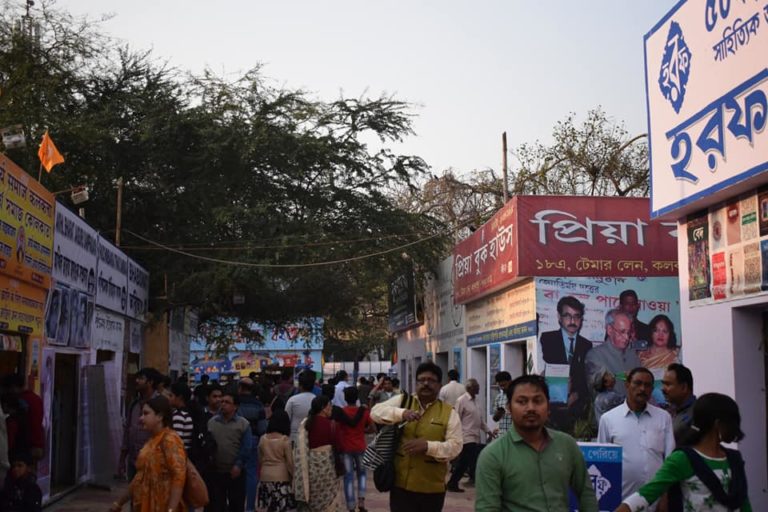
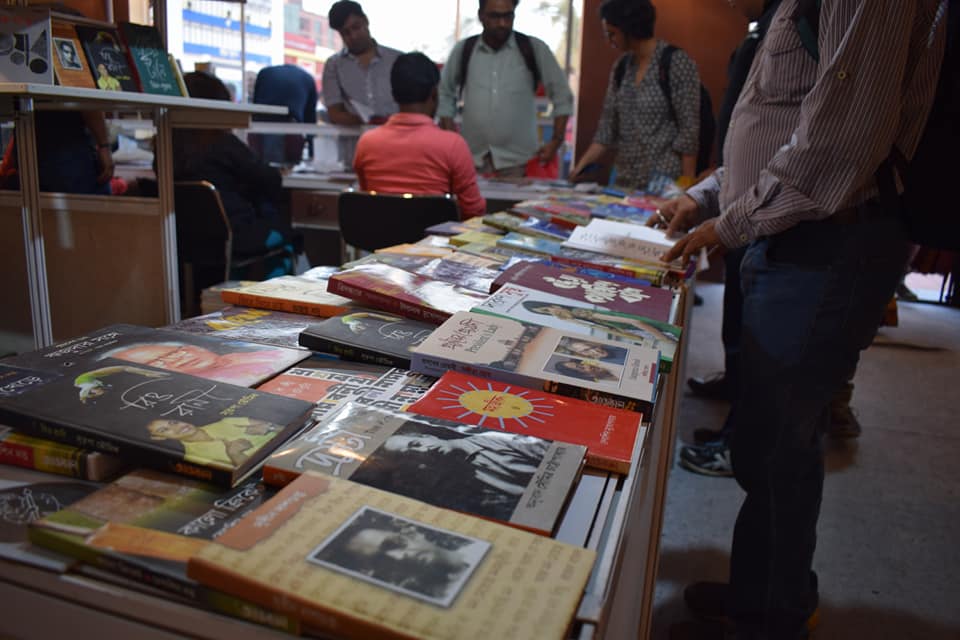
International Kolkata Book Fair or Kolkata Boi Mela is the festival of Books and Booklovers. The fair begins on the last Wednesday of the month of January and it continues for 12 days. It is the world’s largest non-trade book fair, Asia’s largest book fair and the most attended book fair in the world. The Book Fair has something for every generation of people books, comics, magazines, paintings, posters, DVDs, foods.

Like every other occasion, Bengalis always like to enjoy every occasion with food. So International Kolkata Book Fair hosts a large number of food stalls for the visitors. There are lots of varieties available like Chinese, Mughlai, Sweets, and tea stalls etc. It’s, after all, takes a lot of time to cover the fair and one can get hungry after all.

Like Durga Pujas, it takes a lot of time to prepare the Marquee for the Book Stalls. More popular the books shop or publisher are more beautiful is their Book Fair stalls.

Location of Kolkata Book Fair

Earlier the venue for the book fair was Maidan but since 2009 the location of the Book Fair had been changed to Milan Mela. But the 42nd Bookfair was held at Central Park, Salt Lake due to some renovation work going on Milan Mela.

To reach Central Park in Karunamayee, you can get down at Bidhan Nagar railway station and take share auto rickshaw or buses from Bidhan nagar station.

If you are coming by metro, from sova bazar you can get buses or take auto rickshaw to reach to reach Ultadanga and from Ultadanga take another auto rickshaw to Book fair in Karunamoyee.

There are other options available also, From Girish Park metro take auto rickshaw to Phoolbagan or Kankurgachi. From Kankurgachi and Phoolbagan you will get auto rickshaw to reach Book fair in karunamoyee.

If you are coming from Sealdah you can get direct buses, or take auto rickshaw to reach Building more, from building more(crossing) you can get auto to reach to the book fair.

State government has also increased the bus services to Karunamoyee, their are many buses available for the book fair.

You can get direct buses from bookfair to Howrah, Sealdah, Jadavpur, Thakurpukur, Tollygunge, Behala, Joka, Garia, Kamalgazi, Barasat,Barrackpore, Bally and many other places.

Book Fair Date and Timing:

This year the Kolkata bookfair is going to be held from 28 January 2025 – 9 February 2025, from 12 PM to 8 PM.

A Visit to International Kolkata Book Fair

Despite the change in location I was still interested but was confused since I last visited Central Park Mela ground in 2017 in a Bidhan Nagar fair it was quite small. The fair is one of the biggest events in the year for Bengalis. More than 600 stalls were present in the book fair this year.The focal theme of  International Kolkata Book Fair 2018 was France. The timing of the fair was 12 pm to 8 pm.

To make it easier for visitors many temporary Govt. Buses were made available from all major parts of the city. The ground was renovated and the roads near the ground were widened and the entry of vehicles was stopped during the Fair hours. To make the entry easy for the visitors the Fair had 9 entry and exit gates which were well guarded.

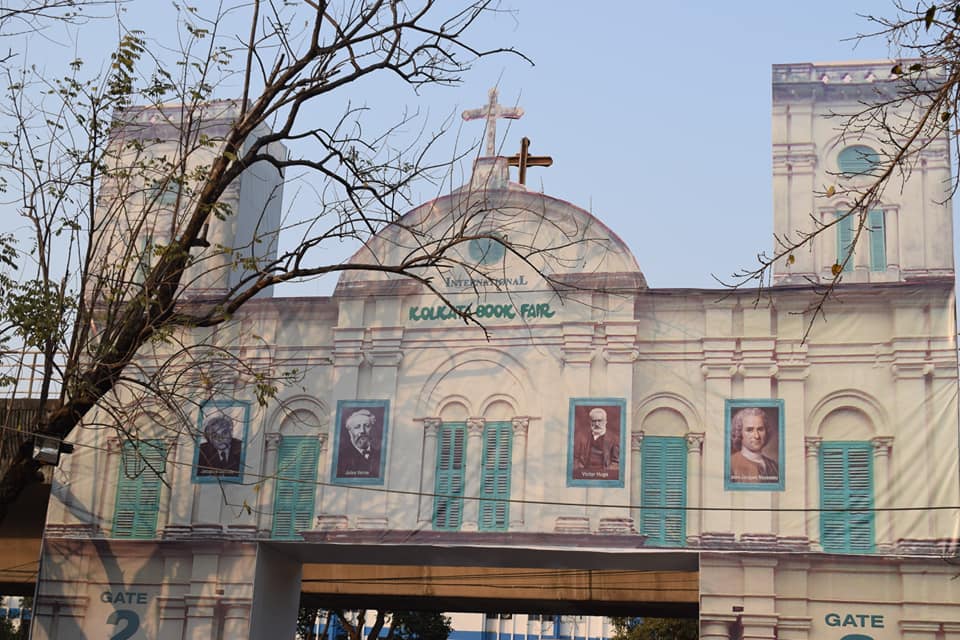
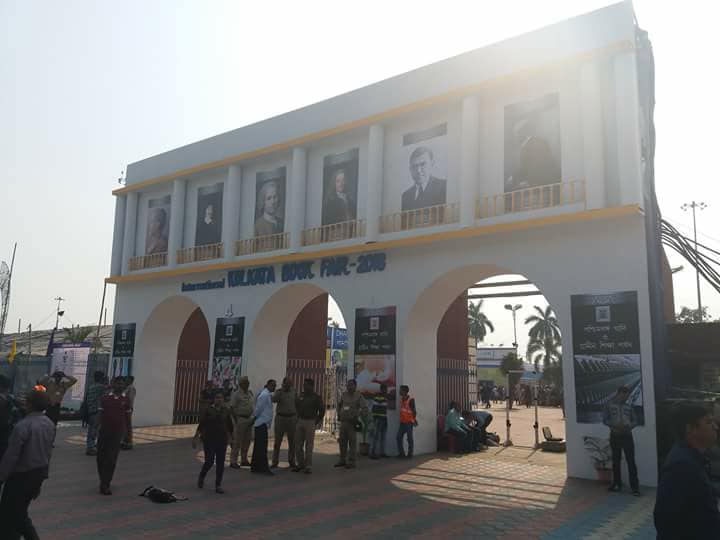
kolkata book fair entrance

kolkata book fair entry

As usual, the first thing I did is to grab the Book Fair Map, this time I got it very easily from may I help you. I started to move randomly on the ground.  I can see a long queue outside some of the popular book publisher’s stalls which happens every year, so entering those stalls would have been time-consuming.

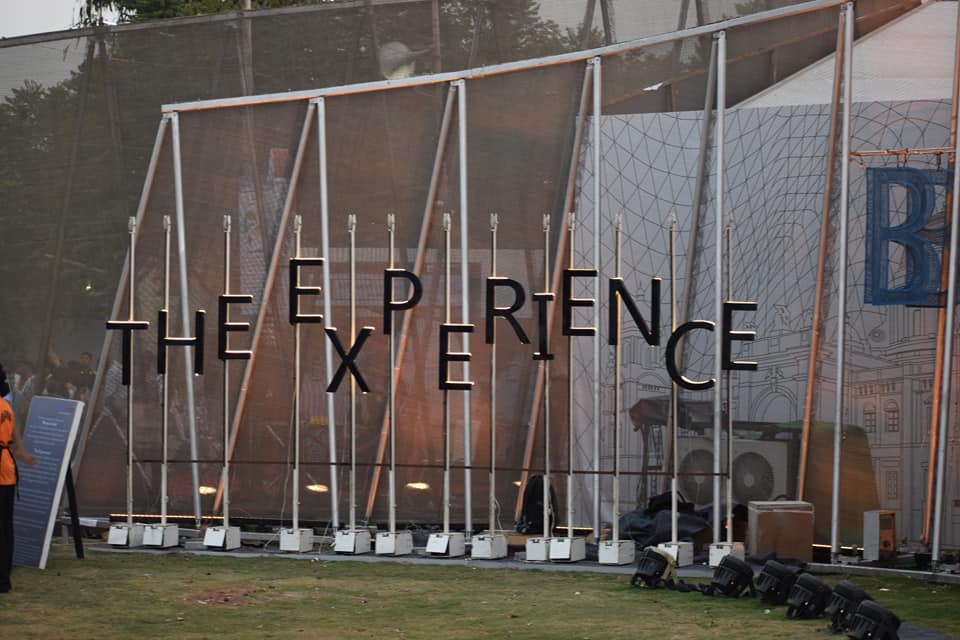
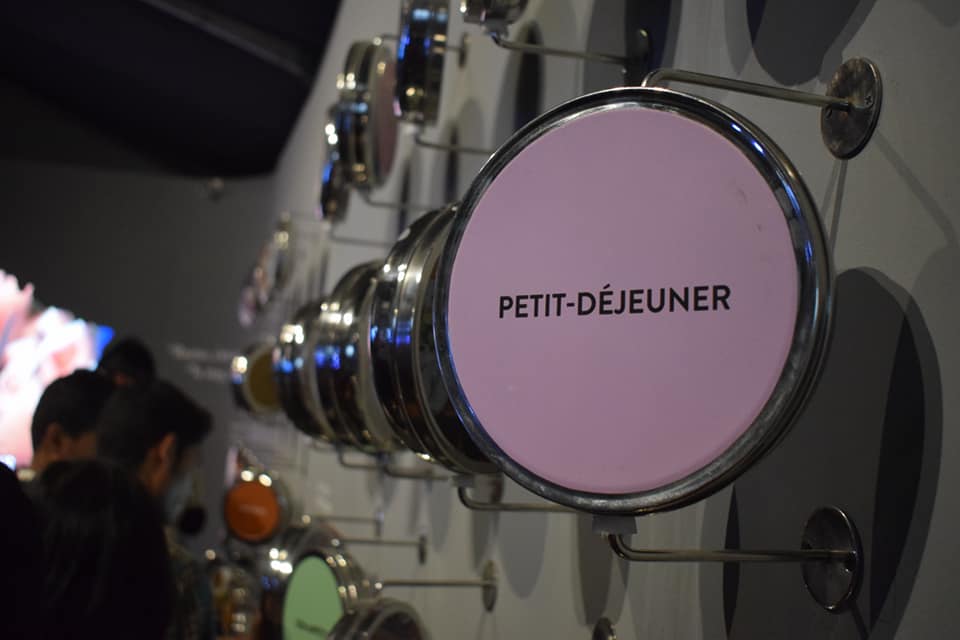
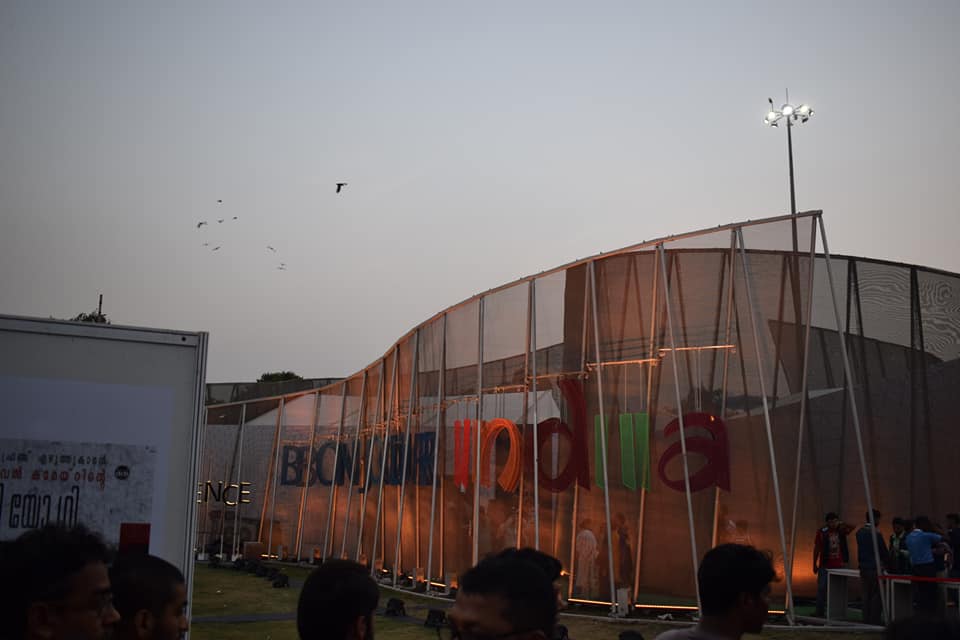
Then I moved to one of the extreme ends to get to the theme country France’s Stall Bonjour India. Bonjour India was a Digital Journey Experience in France. The stall had three section each one demonstrating the strength of our present partnerships, unveiling what France and India have in common, and shows the way to creative involvement in the future.

Bonjour India the experience

petit dejeuner

Bonjour India Kolkata Book fair

After exiting from France’s Stall I decided to take some fuel for my body. By fuel I meant food. I went to the food park but was disappointed not to see many options. Instead of reaching to next food park I decided to have my lunch there. The great thing was there were lots of bins available.

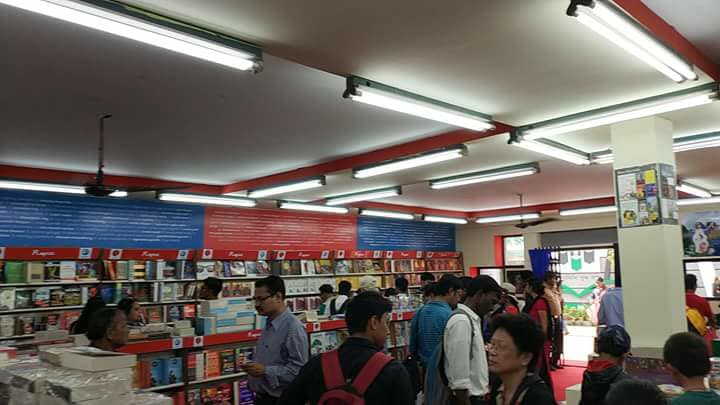
After refuelling myself, I kept walking and visiting the stalls. There were three halls which were named Priya Ranjan Dasmunshi Hall, Rabisankar Bal, Chandi Lahiri which had the popular bookstalls of the city.

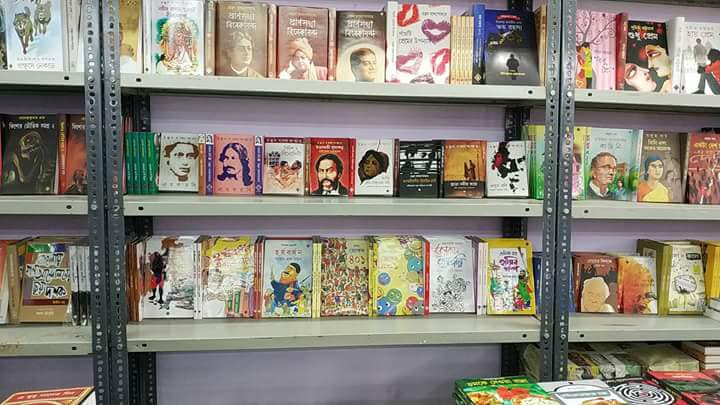
kolkata book fair 1 kolkata book fair 2

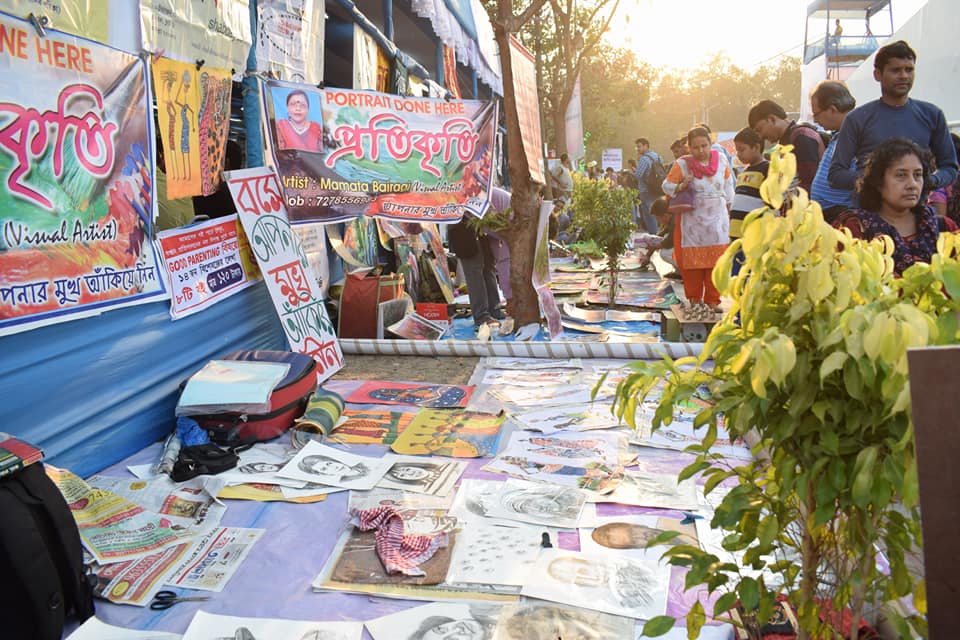
Kolkata International Book fair is not just a place for books but also many painters had come to sell their wonderful paintings. Many artists were doing a live portrait painting of the visitors.

kolkata book fair artist

After covering the entire ground I was pretty sure that I had lost few pounds. It was getting darker and the crowd started pouring in and it was finally my time to head back home. I walked to Karunamoyee Bus stop on one of the exits and was happy to find my bus near the exit gate. Well, you just can get satisfied by visiting the exhibition once. So I returned back next day which was a Sunday only to find more crowds.

Loading

Kala Ghoda: The Festival of Arts in Mumbai

0

Kala Ghoda

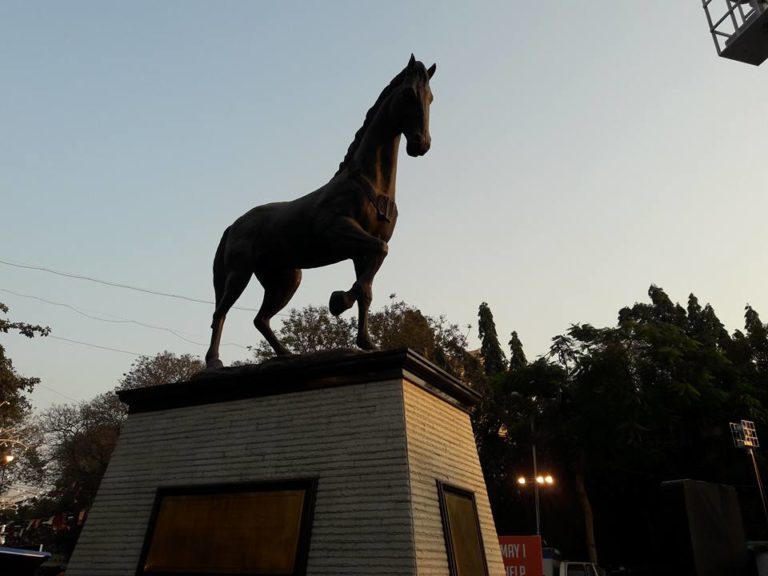
Kala Ghoda which means a black horse. Its actually a locality in Mumbai famous for heritage locality which includes some iconic landmarks of the city such as Prince of Wales Museum or Chhatrapati Shivaji Maharaj Vastu Sangrahalaya, National Gallery of Modern Art, Mumbai University, David Sassoon Library, Jehangir Art Gallery, Bajaj Art Gallery, Bombay Natural History Society, National Gallery of Modern Art and many more.

Kala Ghoda Arts Festival

Kala Ghoda Arts Festival is a nine-day event which starts on first Saturday of February. The festival or the event takes place on K Dubash Marg which starts from Mahatma Gandhi Road where the Black Horse(Kala Ghoda) Statue had been installed. The main event takes place in K Dubash Marg but also many nearby areas.

The Festival is organised by the Kala Ghoda Association.

The festival hosts various events on art, dance, theatre etc so be sure to check the schedule on their website so that you don’t miss your favourite events.

When is the Kala Ghoda Festival happening this year?

This year the Kala Ghoda Festival will be held from 31 January to 8 February 2026.

How much is the ticket for Kala Ghoda Arts Festival?

The Kala Ghoda festival doesn’t have an entry fee so it gets crowded during Holidays.

How to Reach Kala Ghoda Art Festival?

To reach the Kala Ghoda Art Festival in Mumbai, you can take a taxi, auto-rickshaw, or use a ride-sharing service like Uber or Ola. The festival is held in the Kala Ghoda area, which is centrally located in South Mumbai.

If you’re using public transport, the closest train station is Churchgate, from where you can take a short taxi ride or walk to the venue. If you are coming from the central line or harbour line you can get down at CSMT station and take a taxi, bus or walk to reach Kalaghoda.

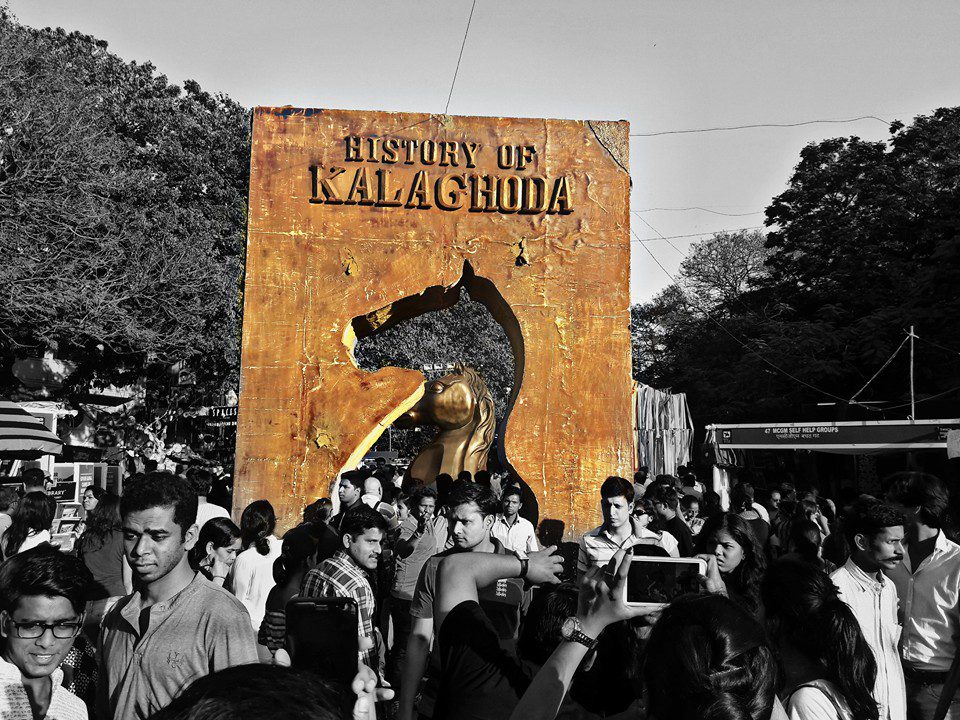
History of Kala Ghoda

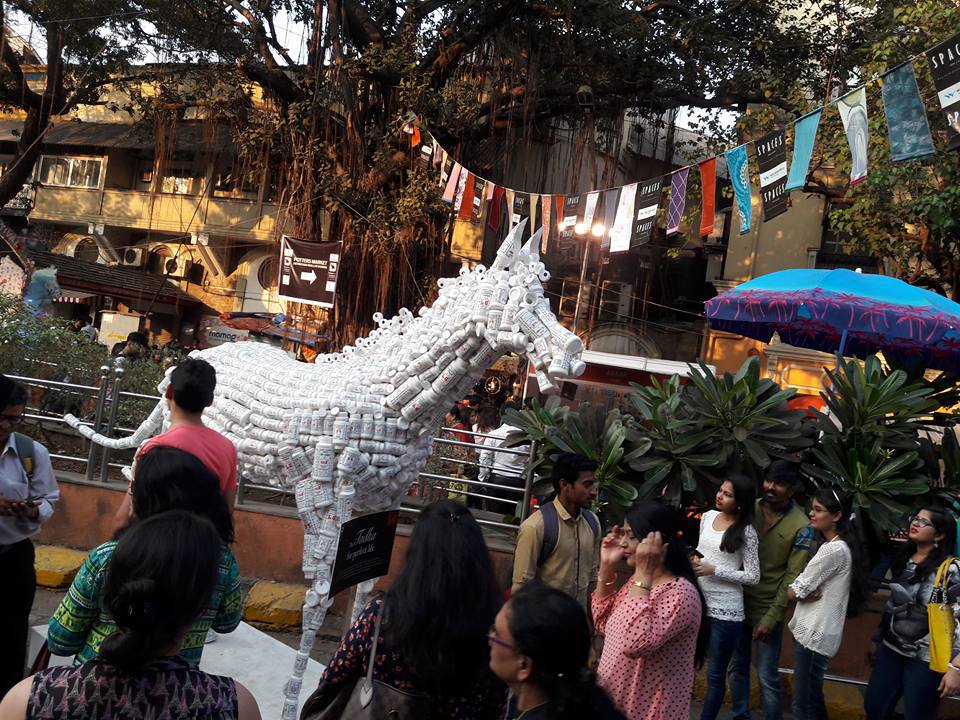
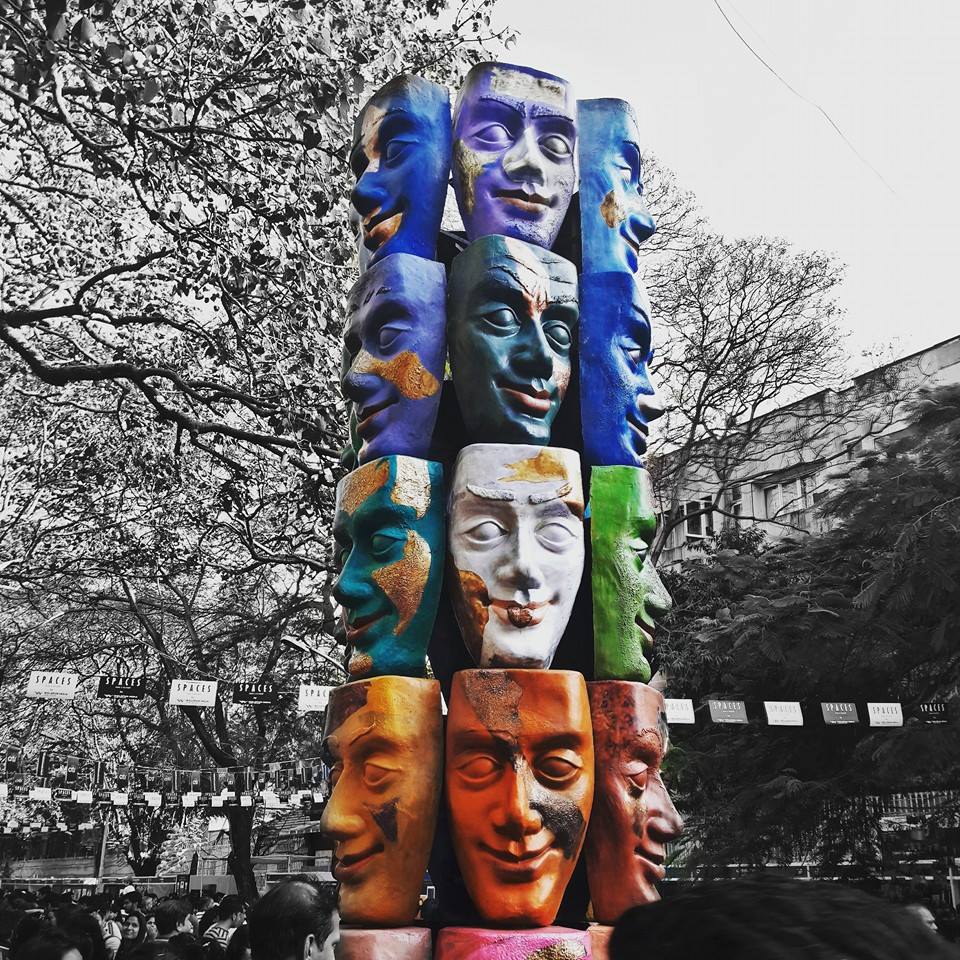
Faces

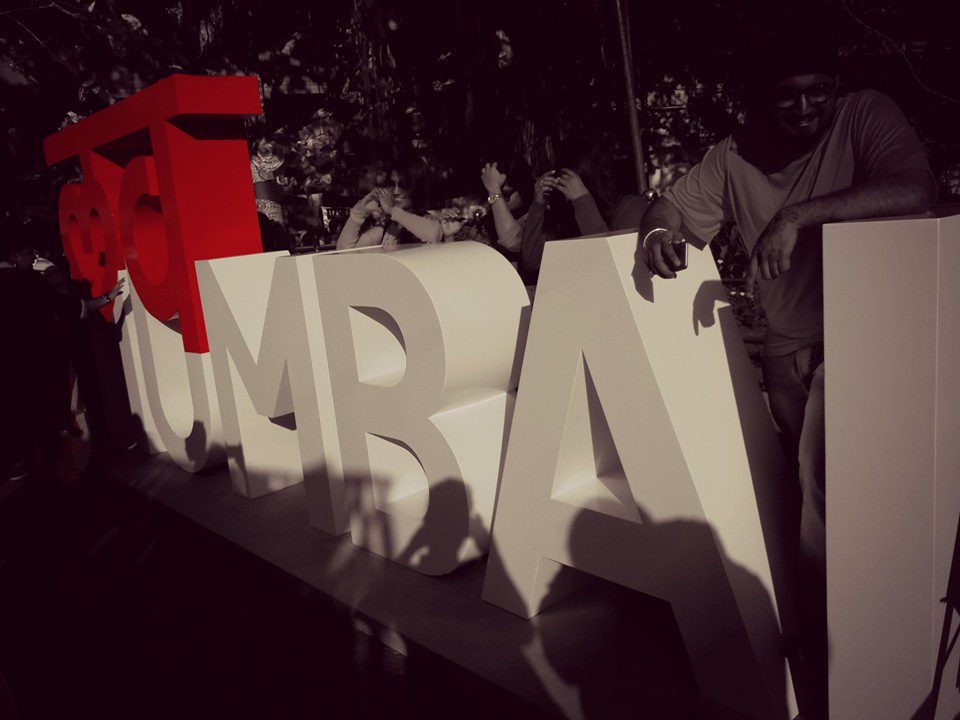
love mumbai

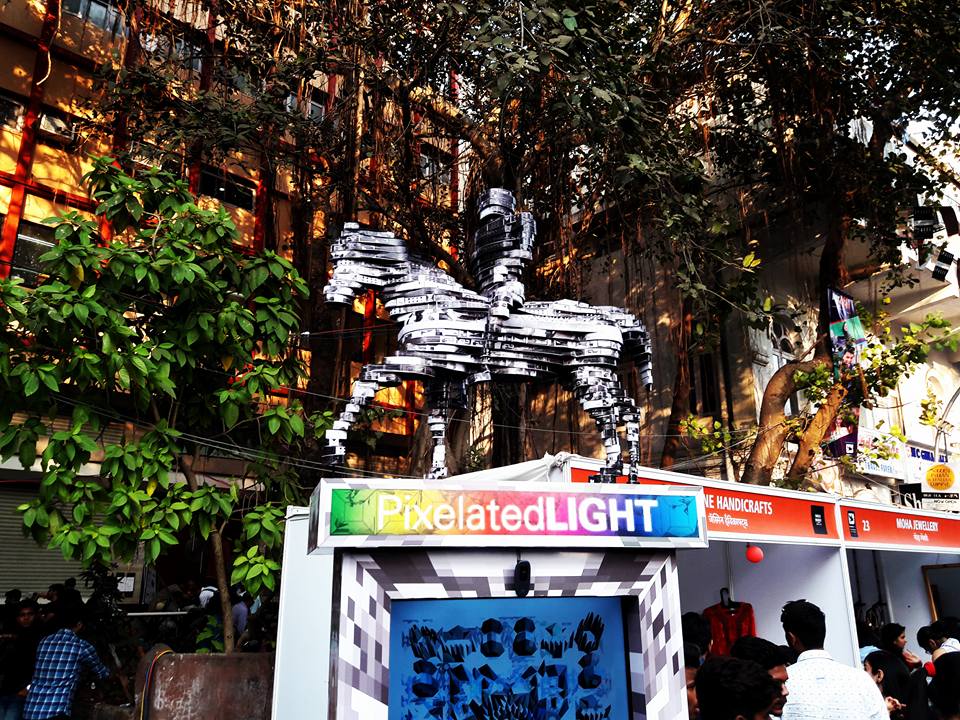
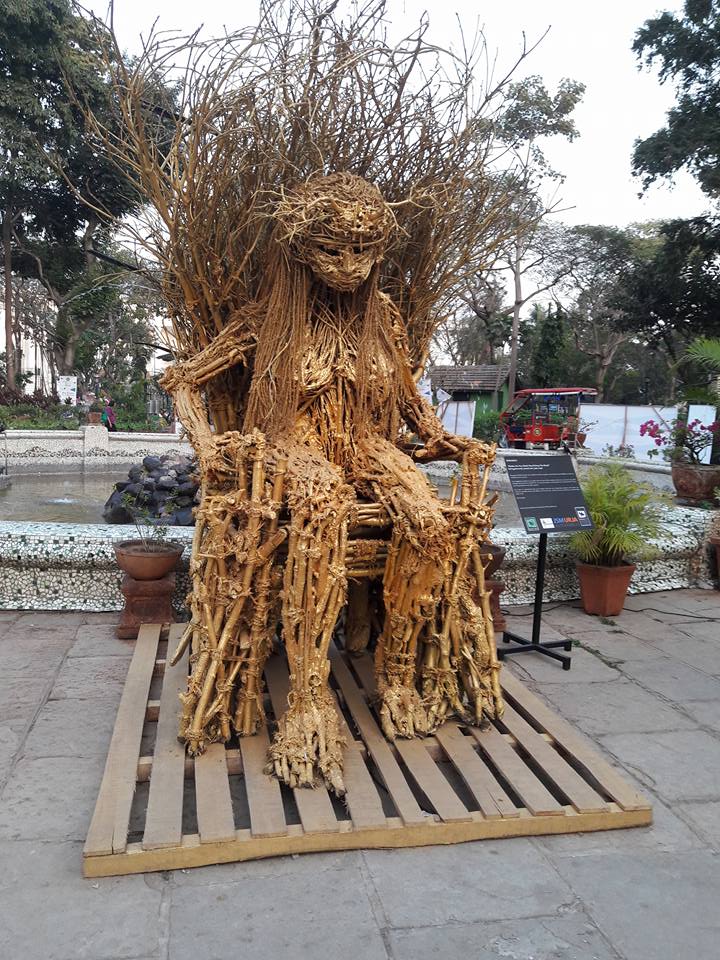
art installation

Beside art lover, people visit for fun; mostly to click pictures with the artworks. So make sure to choose a proper time so that you can click a better selfie with the art installations. Non-peak hours would be afternoon and morning time. So weekdays are much better than weekends.

There can be a lot of Parking problem. The place is situated in the heart of the city is well connected by public transports. It’s better to use the local trains, taxi/cabs or bus. However, if you are visiting this event during the afternoon, morning or evening I would suggest to take a walk and enjoy the heritage architecture of the city.

My Visit to Kala Ghoda Art Festival

As per my plan I took a train to get down to CST station. There are many buses available to reach Kala Ghoda as it is the central tourist location/ business location of the city of Mumbai.

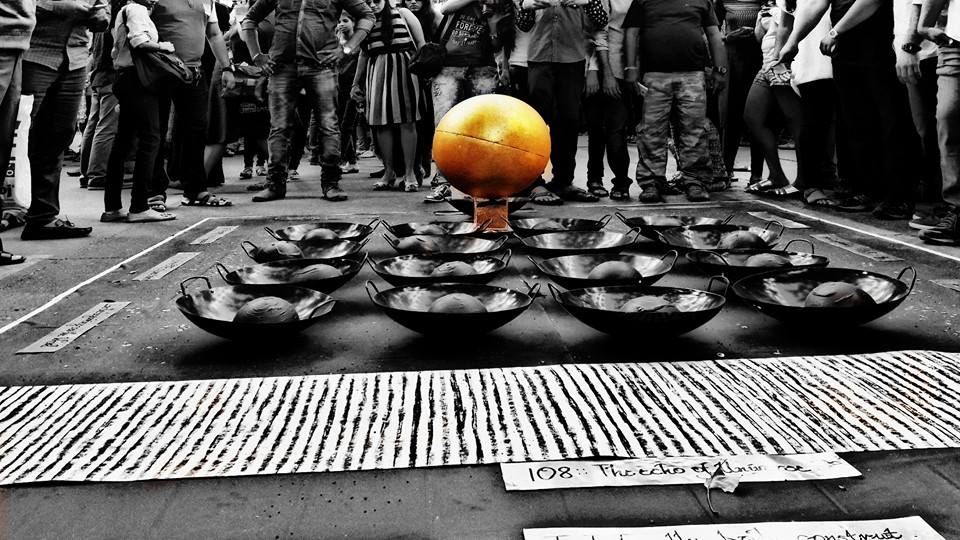
On reaching the spot I found a long queue outside the event gate. There was a separate queue for the people carrying bags. Since it was a Sunday it was really crowded. The installations were really creative but I was unable to get a good view of those artworks as most of the people were busy clicking their photos with them.

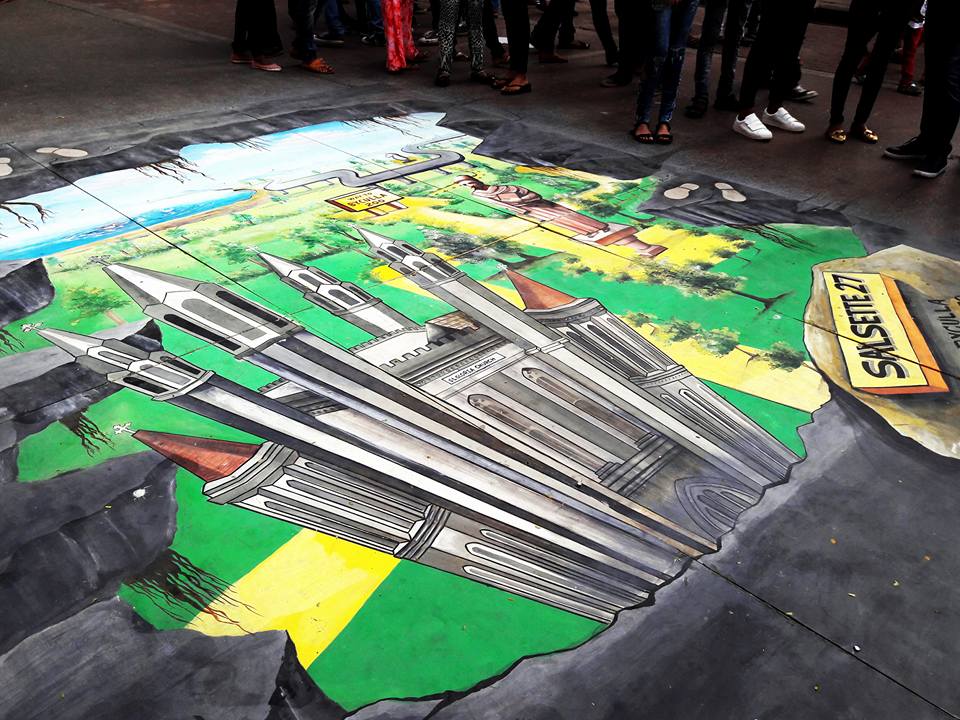
Street Paint at Kala Ghoda

kala GHoda Festival Art Work

Artwork at Kala Ghoda

Kala Ghoda Artwork

I didn’t wait till the Sun went down and walked my way back to CST station. On my way, I found many other art installations near the main event.

Here is a glimpse of last years Kala Ghoda Festival.


This is a great event that everyone can enjoy whether he is an art lover or not.

Loading

Popular Places to visit in Navi Mumbai

0

Navi Mumbai as the name says New Mumbai is situated approx 30kms from the centre of Mumbai separated by a creek.It’s a planned satellite city of Mumbai. It is well connected with the main city by rail and roads. Surrounded by hills and sea, the city is much more peaceful than Mumbai. The environment here is full of lush greenery and trees.

There are plenty of places to see near Navi Mumbai, like Lonavala, Matheran, Alibaug and many others. But here we talk about the places within the main city.

Popular places you can visit in Navi Mumbai

1. Pandavkada Waterfall

Pandavkada-Waterfall

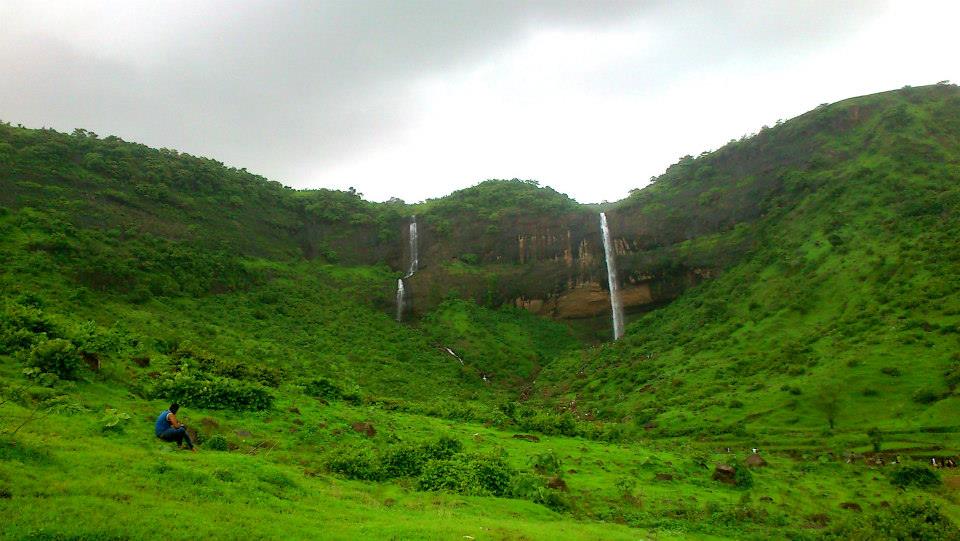
Pandavkada waterfall is located in Kharghar in Navi Mumbai. According to legends, the Pandavas came here and took a bath during their exile and hence the name Pandavkada. This waterfall is about 350 feet high and one can experience lot of greenaries during monsoon season.

The place is about 5km from Kharghar Railway Station on Harbour line. It is best to visit this place during Monsoon. The place is situated near central park. One can get a local bus from Kharghar Station or can hire an auto.
2. Central Park
Central Park Kharghar

The Central Park of Kharghar is an urban park in Kharghar, Navi Mumbai. The Park is located quite away from the busy city hence its quite calm, soothing and relaxing. It has good water body, nice greenery to relax. Its a huge park surround by Kharghar hill on one side. It has morning walk-trails, jogging tracks and amphitheatres along with active and passive recreation areas. There are also some food stalls inside the Park.

The park opens in morning hours from 5 am to 9 am for joggers and it reopens at 5 pm and closes at 9 pm.

3. Sagar Vihar and Mini Seashore

Sagar-Vihar-Vashi

Sagar Vihar is situated in Sector 8, Vashi, Navi Mumbai. It is about 3km away from Vashi Station on Harbour line. Sagar Vihar Sagar Vihar is a popular destination for the locals in Navi Mumbai.

Its is a perfect place for relaxation and one can enjoy a great view of the Sunset.

One can take the Joggers park to reach the mini seashore which is like a pond and is an extension of Vashi/Thane Creek.

4. Rock Garden

Rock-Garden-Nerul

The Hilly garden is located near Nerul Railway station on Harbour Line and has an entry fee of Rs 5. The garden is on the East side, Its about 10 mins walk from Nerul Station. The garden is clean and well maintained having adequate walking tracks, rides, benches, lawns, toy trains, small amphitheatre People often visit this place with their kids.

5. Wonder Park

The major attraction of the Park is the mini seven wonders and hence the name.Wonder Park is located in Nerul on the eastern side and is about 2kms away from Nerul Station. It has an entry fee of Rs 35 for adult and has additional charges for rides.

6. Hanging garden

View-from-Hanging-Garden-Nerul

Despite the name Hanging Garden, It’s not a hanging garden but its a garden on top of the Hill and is a great place to hang out.  It can be called as Malabar Hill of Navi Mumbai.The spot gives you a wonderful view of Belapur and its surroundings. You can hire an auto from Belapur Station which is about 2km away from the spot but its better to reserve the auto as while returning you may not get one.

You can hang out in this garden with family or friends, and enjoy the beautiful and peaceful view from the hilltop.

Navi Mumbai is a well planned, clean city which is still blooming. Beside this, there is DY Patil Stadium which recently hosted FIFA U17 World cup matches and there are several beautiful Parks, religious places in the city.  There are many malls, restaurants and multiplexes, in short, the city will never let you get bored.

Loading

A Weekend Visit to Vasai Fort-The Ruined Beauty

0

Fort Bassein/Vasai Fort/ Bacaim is a fort in Vasai in the state of Maharashtra which is about 50km from Mumbai. One can take a Virar local from western line to reach Vasai station and can take an auto to reach the fort. Local buses are also available to reach Vasai(ST buses, VVMT).The fort has been a popular location for many Bollywood movies including the recent Heropanti. The complete form of the Portuguese name is “Fortaleza de São Sebastião de Baçaim” or the Fort of St. Sebastian of Vasai.

The Vasai fort is a monument of national importance and is protected by the Archaeological Survey of India.The fort which was perhaps a majestic architecture then, now only the ruins of the fort can be seen. The walls of the fort are still in a very good condition.

I remember my first visit to the fort back in 2016. I and my friend took the ST Bus from Thane instead of taking the train. By the time we reach there we were not sure of what to do, so without wasting much time we hired an auto who asked for Rs 100 for the trip which we agreed. As we were passing through the roads and entering the village side we were understanding why it is also referred as Mini Goa sometimes. The auto rickshaw driver gave us some valuable information about the fort, only then we realize that its a huge complex but it was very sad to see that only ruins of this architectural beauty are what is left now.

He dropped us at the main location. Despite being a weekend it was not that crowded. We spotted the Vasai Creek which was near the fort. Then we entered the fort, unfortunately, what remaining is the wall.

It was sad to see that most of the fort was covered with trees. Capturing few picture and images we decided to head to the nearest beach. So we grabbed an auto and went to Suruchi Beach.

[metaslider id=347]

This beach has lots of pine trees near it there are some places to sit. It was very difficult to walk due to drizzling rain and heavy wind. We had to cross a small strip of seawater to reach to the better portion of the beach. The small strip was almost knee deep. Of course, the beach was converted into a cricket pitch and part of it was made football ground as one can find in Indian beaches.However, we managed to find a sit a near the beach and enjoyed the cool soothing view.

[metaslider id=354]

Time really flies fast, especially when you feel relaxed. As there was no Sun visible we decided to head back as it was getting darker. We took an auto back to the station and ST bus back to Thane

Though Vasai fort was not what I expected, still it was a beautiful site to visit. I hope the fort gets renovated soon so that it can attract more tourists.

Loading