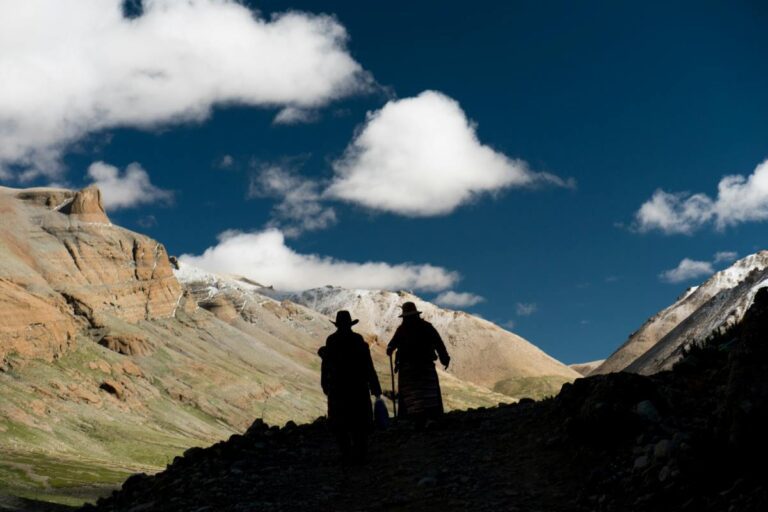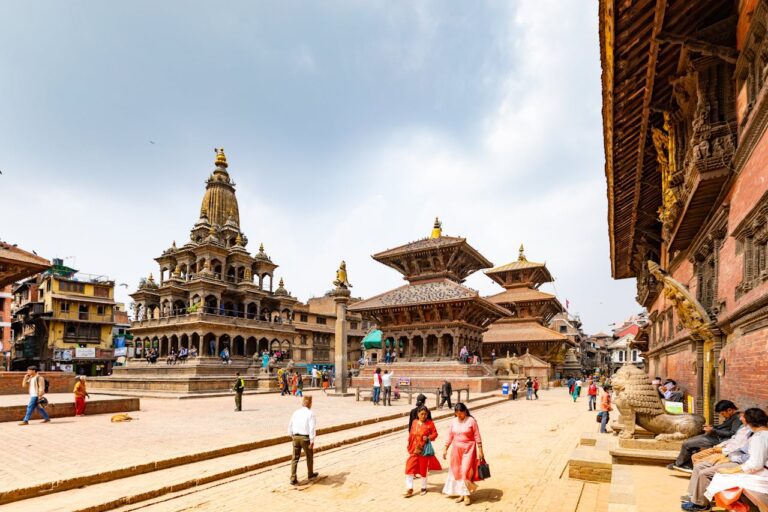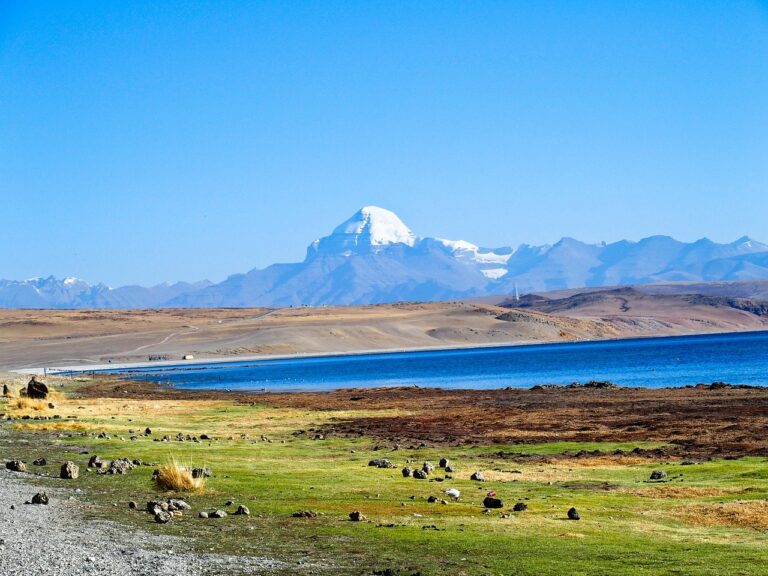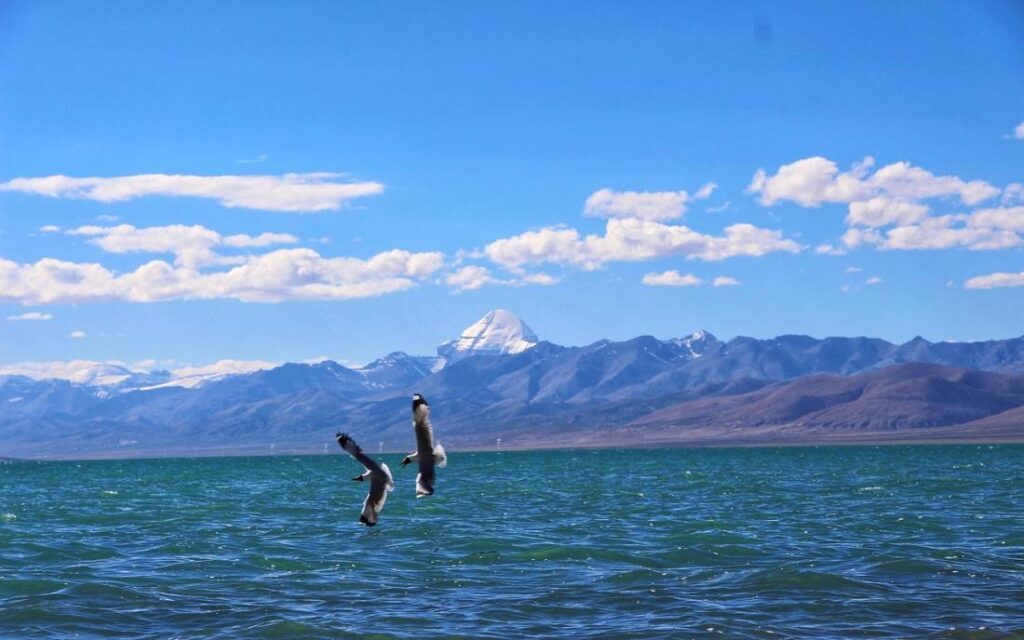
Embarking on a Kailash trip from India is a dream for many devotees and adventure seekers. This sacred journey is not just a physical trek but also a spiritual voyage. Buddhists, Jains, Indus, and Bon followers set forth on this yatra for its religious significance. Mount Kailash, the abode of Lord Shiva, holds immense essence as it is also considered the “Axis Mundi” of the universe.
Not everyone and anyone to date has completed the Kailash Yatra.
Yes, today we have excellent facilities to reach the point where you can seek blessings from Lord Shiva by touching the Kailash Parvat, but can you resist the temperature?
This blog has compiled all the factual details for a Kailash trip from India. The trip towards this holy pilgrimage is truly a journey to find your STRENGTH.
Are you ready to explore this mystical destination?
Read below to find out more.
The History Of Mount Kailash
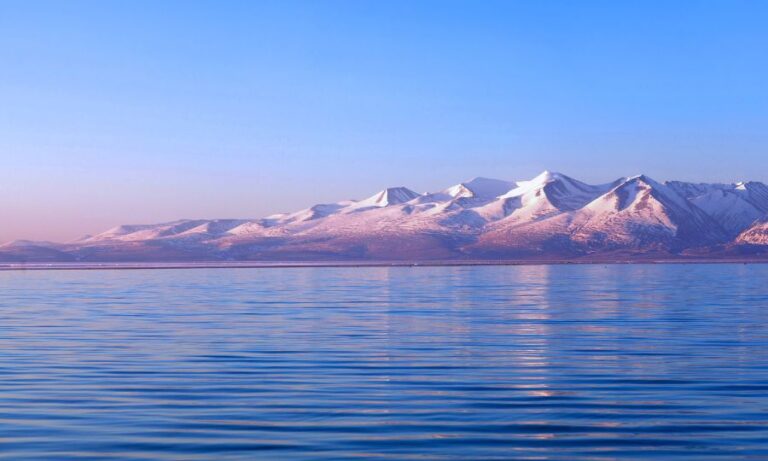
Standing tall at 6,638 meters, Mount Kailash is shrouded in mystery and reverence.
Many people have tried to climb Mount Kailash, but no one has succeeded. Climbers believe the mountain changes its path to stop people from reaching the top.
There is a belief that time moves faster on this mountain. A group of Siberian climbers tried to reach the summit but realised they could not go further; they returned and found that time had moved to nearly ten years.
All these climbers mysteriously died within a year of coming back, possibly because the mountain had made them age faster, and they were now old.
It is considered too sacred for human feet to tread upon. Nestled near Mount Kailash are two significant lakes – Mansarovar and Rakshastal. Lake Mansarovar, believed to be the highest freshwater lake in the world, is pure and serene. In contrast, the salty Rakshastal is often associated with dark legends.
Fascinating, right?
The Kailash Parvat is truly enchanted. People say that it has transformed their lives. Kailash has a terrain where you will find yourself grasping for oxygen. Yet, your power will never go down as the view will leave you awestruck!
Travellers who have completed the Kailash trip from India say that the mount calls you every time you look at it.
What a beauty!
People chant Lord Shiva’s name and Om Namah Shivay, which echoes in the ears like a melody. Overall, Mount Kailash has a majestic aura. The Kailash trip from India offers an unforgettable journey to this mystical and sacred site.
The Journey Route To Kailash Mansarovar From India
Planning a Kailash trip from India involves choosing from several routes. The most popular ones are through Uttarakhand and Nepal.
Via Uttarakhand
To begin a transcendental trip to Kailash from India, take the train from Delhi to Kathgodam. Then, drive to Dharchula, followed by a trek to Lipulekh Pass. Once you cross the border, you will enter Tibet, heading towards Mount Kailash.
Via Nepal
Fly from Delhi to Kathmandu. After sightseeing and acclimatising in Kathmandu, take a flight to Nepalgunj and then to Simikot. From Simikot, trek to Hilsa, cross into Tibet, and proceed to Mount Kailash.
Each route in the Kailash trip from India has its charm and challenges, so choose according to your preference and physical fitness.
The Yatra: Mount Kailash Trip Cost
If you are wondering about the cost of the Kailash trip from India, here is the breakdown.
It is essential to budget for this pilgrimage, as it can be quite an investment. On average, the cost ranges from INR 1.5 lakhs to INR 2.5 lakhs.
This includes transportation, accommodation, meals, and necessary permits. Remember, prices can vary depending on your route, travel agency, and chosen services.
Planning ahead can help manage expenses better.
Obstacles Occurring On The Kailash Trip From India
High altitude is a significant challenge on the Kailash trip from India. The journey takes you to elevations above 15,000 feet, where the air is thin, and oxygen levels are low.
Altitude sickness in the Kailash trip from India is expected, with symptoms including:
Headaches
Nausea
Dizziness
Shortness of breath
Crucial tips to tackle these challenges:
Acclimatise properly
Stay hydrated
Take it slow
Consult with a doctor before your trip
Carry necessary medications
The Perfect Time For A Trip To Kailash Mansarovar
Timing is everything when planning a Kailash trip from India. The best time to undertake this pilgrimage is between May and September.
During these months, the weather is relatively stable, and the temperatures are moderate. The days are pleasant, though nights can still be chilly. Avoid touring during the monsoon season, as the trails can become slippery and dangerous.
Bottom Line
A Kailash trip from India is an experience of a lifetime, blending spirituality, adventure, and breathtaking natural beauty. From the sacred Mount Kailash to the serene surroundings, every moment of this journey is filled with awe and reverence.
Whether you seek divine blessings or a thrilling adventure, this pilgrimage promises unforgettable memories.
From the challenging treks to the serene meditations, this journey leaves a lasting impact on the soul, offering a unique connection to nature and the divine.
Frequently Asked Questions (FAQs)
Is a permit required for the Kailash trip from India?
Yes, you will require a special permit to enter Tibet. Travel agencies usually arrange these permits as part of their packages.
How physically demanding is the tour?
The tour is quite challenging due to the high altitude and rough terrain. Good physical fitness and prior trekking experience are beneficial.
What should I pack for the Kailash trip from India?
Pack warm clothing, sturdy trekking shoes, medications, a first-aid kit, snacks, and essential toiletries. Remember, a good-quality backpack is a must!
Can I perform the parikrama (circumambulation) of Mount Kailash?
Yes, devotees often perform a 52-km parikrama around Mount Kailash, which takes about three days. It is a challenging but enriching experience.
Are there any age restrictions for the trip?
There is no official age limit, but the journey is tough and recommended for those in good health and physical condition.
Kathmandu is known for its rich history, vibrant culture, and stunning architecture. it is a destination that offers something for everyone. Whether you are travelling solo, with a partner, or with friends, you will find that Kathmandu’s beauty is worth every penny.
In this guide, we will take you through the best places to visit in Kathmandu, how to get there from Kailash, and where to end your trip in style.
Kathmandu is a city brimming with attractions, each more enchanting than the last. To truly experience the best places to visit in Kathmandu, a week to 10 days is a good starting point to soak in the highlights without feeling rushed.
This allows ample time to explore the historic sites, enjoy the local cuisine, and soak in the city’s unique atmosphere without feeling rushed.
Be it a short trip or planning an extended stay, Kathmandu’s charm ensures there is always something new to discover.
If your schedule permits, extending your stay days will give you a more leisurely experience, with time for day trips and deeper immersion into the local culture.
The Journey Back: How To Travel From Kailash to Kathmandu Efficiently
After completing your expedition at Kailash Parvat, you can descend to Kathmandu via several routes. The most common and convenient way is to travel by road to the Nepal-Tibet border and then continue to Kathmandu.
This journey can be done in stages, with overnight stops to rest and acclimatize.
Alternatively, flights are available from Lhasa in Tibet to Kathmandu for those looking for a quicker option. These flights provide excellent aerial views of the Himalayas.
Upon arrival, make sure to explore the best places to visit in Kathmandu, including Swayambhunath Stupa, Boudhanath Stupa, Pashupatinath Temple, and the vibrant streets of Thamel. These landmarks perfectly blend cultural, historical, and spiritual experiences, making your journey even more memorable.
Top 10 Places To Visit In Kathmandu
Kathmandu, the capital of Nepal, is a bustling hub of culture, history, and spirituality nestled in the heart of the Himalayas. This ancient city is a treasure trove of centuries-old temples, bustling markets, and stunning architecture, offering a unique blend of the old and the new.
It serves as the gateway to the majestic Himalayas for trekkers and adventurers but also captivates tourists with its rich cultural heritage and lively streets.
Whether you are seeking spiritual enlightenment, a glimpse into traditional crafts, or a taste of local cuisine, this place provides a fascinating array of experiences that reflect the spirit and resilience of the Nepali people.
Let us dive into the top 10 places that make Kathmandu a must-visit destination.
1. Swayambhunath Stupa (Monkey Temple)
Perched atop a hill, Swayambhunath is one of the best places to visit in Kathmandu. You get to witness a panoramic view of the Kathmandu Valley. The ancient stupa, with its all-seeing eyes of Buddha, is a site of profound spiritual significance.
Do not be surprised if you find monkeys scurrying around—they add a playful vibe to this sacred place. The prayer wheels, the massive stupa, and the incredible sunset views are something you cannot miss!
The site is also home to numerous monkeys, adding to its unique charm.
Main Highlights:
Historical Significance: One of the oldest religious sites in Nepal, symbolizing ancient religious practices in the Kathmandu Valley.
Cultural Symbol: The stupa’s architecture, adorned with colourful prayer flags and a white dome topped with a golden spire, represents a blend of Hindu and Buddhist faiths.
Wildlife Interaction: The presence of playful monkeys adds a unique and lively atmosphere to the site.
2. Boudhanath Stupa
Boudhanath Stupa, recognized as a World Heritage Site, holds the distinction of being the largest stupa in Nepal. It is a prominent pilgrimage place for Buddhists and a serene place to visit.
The massive mandala of the stupa makes it one of the most incredible spherical stupas in Nepal. It is encircled by a vibrant neighbourhood of Tibetan refugee settlements, teahouses, and monasteries.
Main Highlights:
Pilgrimage Site: A central hub for Tibetan Buddhism, attracting thousands of pilgrims worldwide.
Architectural Marvel: Known for its giant mandala and impressive size, it is one of the largest spherical stupas globally.
Cultural Community: Unlike the other best places to visit in Kathmandu, it is surrounded by a vibrant neighbourhood of Tibetan refugee settlements, teahouses, and monasteries, offering an immersive cultural experience.
3. Pashupatinath Temple
Along the banks of the Bagmati River, you will find the great Pashupatinath Temple, a temple of Lord Shiva. Together, it is a sprawling collection of temples, ashrams, and inscriptions. One of the UNESCO World Heritage Sites is the temple complex. Thousands of devotees congregate here during the Maha Shivaratri festival, offering a look into Hindu culture and traditions.
Main Highlights:
Spiritual Core: One of the most sacred Hindu shrines dedicated to Lord Shiva.
Cultural Glimpse: This book provides insights into Hindu death rituals and cultural practices, which are especially vivid during the Maha Shivaratri festival.
Architectural Ensemble: Features a collection of temples, ashrams, and historical inscriptions along the Bagmati River.
4. Durbar Square
This historic square is the heart of Kathmandu’s heritage.
Once the palace of the Malla kings, it is now a living museum of medieval art and architecture.
Wander through the courtyards, temples, and palaces, and let your imagination transport you to a different era. The elaborate wood carvings on several temples, Kumari Ghar (House of the Living Goddess), and Hanuman Dhoka Palace are the attractions that set them apart.
Main Highlights:
Historical Epicenter: Showcases the royal history and architectural grandeur of the Kathmandu Valley.
Craftsmanship Display: Highlighted by intricate wood carvings and elaborate palace structures.
Cultural Festivities: A focal point for many Nepalese festivals and ceremonies.
5. Garden Of Dreams
Need a break from the hustle and bustle? The Garden of Dreams is an oasis of tranquillity.
This neoclassical garden, located in the heart of Kathmandu, offers beautifully landscaped gardens, fountains, and pavilions. It is the ideal location for a calm afternoon spent reading a book or taking a leisurely stroll.
The garden also houses a cafe where you can enjoy a relaxed meal amidst nature.
Usually, it is considered as a couple’s spot. However, it also stands in the list of hyped best places to visit in Kathmandu to hang out with friends and a peaceful spot to relax.
The garden features European-inspired architecture, fountains, and pavilions, making it a delightful place to visit.
Main Highlights:
Urban Sanctuary: Offers a tranquil retreat with lush landscapes and symmetrical garden designs.
Architectural Elegance: Features European-inspired architecture, fountains, and pavilions.
Cultural Oasis: One of the best places to visit in Kathmandu, it offers a peaceful contrast to the bustling urban environment of Thamel.
6. Thamel
Indeed, it has to score on the list of best places to visit in Kathmandu! The tourist centre of Kathmandu, Thamel, is renowned for its busy lanes filled with eateries, bars, and retail establishments. It is the best place to visit in Kathmandu with friends, offering a vibrant nightlife and a myriad of dining options.
You can buy souvenirs, enjoy live music, and indulge in local and international cuisines.
Main Highlights:
Tourist Hotspot: The main tourist area features shops, restaurants, bars, and a vibrant nightlife.
Cultural Melting Pot: A great place to experience fusion of local and international cultures.
Shopping And Dining: Ideal for souvenir shopping, dining, and enjoying live music performances.
7. Patan (Lalitpur)
Located just a few kilometres from Kathmandu, Patan, also known as Lalitpur, is famous for its rich cultural heritage and ancient architecture. The Patan Durbar Square is a UNESCO World Heritage Site, featuring intricate carvings, statues, and courtyards that are a testament to the craftsmanship of the Newar artists.
Highlights include the Krishna Mandir and the Patan Museum.
The city is also renowned for its arts and crafts, particularly metalwork and stone carvings.
If you are looking for the best place to visit in Kathmandu, Patan (Lalitpur) should be at the top of your list for its cultural richness and artistic brilliance.
Main Highlights:
Artistic Heritage: Known for its rich traditions in arts and crafts, including metalwork and stone carvings.
Architectural Splendor: Home to the beautifully preserved Patan Durbar Square.
Cultural Depth: Offers a deep dive into the historical and cultural depth of Nepalese Buddhism and Hinduism.
8. Bhaktapur
Though slightly outside Kathmandu, Bhaktapur Durbar Square is a must-visit.
Bhaktapur, also known as Bhadgaon, is another ancient city that is a UNESCO World Heritage Site. This ancient city is a treasure trove of medieval art and architecture. The square is famous for its pottery, woodwork, and the iconic Nyatapola Temple.
Explore Bhaktapur’s winding lanes, go to the neighbourhood markets, and become fully engrossed in the city’s rich heritage.
Main Highlights:
Preserved Heritage: Famous for its authentic medieval feel and well-preserved buildings.
Crafts and Industry: Known for its pottery and traditional weaving.
Architectural Sites: Home to several significant squares, including Bhaktapur Durbar Square and Taumadhi Square.
9. Chandragiri Hills
For breathtaking views of the Himalayas and a touch of adventure, Chandragiri Hills is the place to be. You can take a cable car ride to the top, where you will be greeted with panoramic views of Kathmandu Valley and the majestic mountains beyond.
As one of the best places to visit in Kathmandu, Chandragiri Hills provides a unique perspective of the region’s landscape.
The hill also houses a temple dedicated to Lord Shiva and several hiking trails.
Main Highlights:
Scenic Views: Offers stunning views of the Himalayan range and Kathmandu Valley.
Recreational Activities: Features a cable car ride and hiking trails for a touch of adventure.
Spiritual Site: Houses a temple dedicated to Lord Shiva, adding a spiritual dimension to the visit.
10. Narayanhiti Palace Museum
The Narayanhiti Palace Museum offers a fascinating glimpse into Nepal’s royal history. Formerly the residence of the Nepalese monarchy, the palace is now a museum open to the public.
Visitors can explore the opulent rooms and halls, learn about the monarchy’s history, and view the artifacts and memorabilia on display. This museum stands out as a must-see among the best places to visit in Kathmandu for anyone interested in the country’s regal heritage.
Main Highlights:
Royal History: Provides insight into the life and times of the Nepalese monarchy.
Cultural Artifacts: Houses a collection of royal artifacts, photographs, and gifts from foreign dignitaries.
Architectural Insight: Allows visitors to explore the luxurious rooms and halls once occupied by the royal family.
The Finale: A Tranquil Escape Following Kathmandu’s Bustle
After exploring the best places to visit in Kathmandu, it is time for a tranquil escape, Pokhara. Head to the serene outskirts of the city, where the landscapes change from urban hustle to peaceful greenery.
Pokhara is known for its natural beauty, tranquil lakes, and stunning mountain views. It is the perfect place to relax and unwind after your Kathmandu adventure.
Places like Nagarkot and Dhulikhel offer stunning views of the Himalayas, perfect for unwinding and reflecting on your journey.
Relish a cup of tea while watching the sunrise over the mountains, and let the tranquillity wash over you.
Relaxation And Adventure In Pokhara
Phewa Lake: Enjoy boating on the serene waters of Phewa Lake, surrounded by the lush greenery and the Annapurna mountain range.
Sarangkot: For adventure seekers, Sarangkot offers paragliding experiences with spectacular views of the Himalayas. Although Sarangkot is a highlight, the best place to visit in Kathmandu for adventure enthusiasts is Chandragiri Hills, with its breathtaking views and cable car rides.
World Peace Pagoda: A beautiful stupa located on a hilltop, offering panoramic views of the Pokhara Valley and the mountains.
Relaxing Resorts And Spas: Pokhara is home to numerous resorts and spas where you can indulge in massages, yoga sessions, and other wellness activities.
Davis Falls: This unique waterfall flows directly into a deep and narrow canal, making Davis Falls a popular tourist spot in Pokhara. When comparing attractions, the best place to visit in Kathmandu that offers a blend of history and unique experiences is the Narayanhiti Palace Museum.
Bottom Line
Kathmandu captivates every visitor with its historical charm, cultural richness, and vibrant energy. After an expedition to Kailash Parvat, the best places to visit in Kathmandu offer a perfect blend of relaxation, adventure, and cultural exploration.
Now, you have to choose which places to visit or not!
Whether you are travelling solo, with a partner, or with friends, Kathmandu’s diverse attractions ensure that there is something for everyone to enjoy.
Do not miss the chance to experience this remarkable city and build memories that will last a lifetime.
Frequently Asked Questions (FAQs)
What is the perfect time to make a plan for Kathmandu?
The ideal time to visit Kathmandu is during the spring (March to May) and autumn (September to November) seasons. The weather is pleasant, and the skies are clear, offering the best conditions for sightseeing.
Are there any entry fees for the major attractions in Kathmandu?
Yes, many of the major attractions in Kathmandu, such as the Swayambhunath Stupa, Boudhanath Stupa, and Durbar Square, have entry fees for tourists. The fees are usually nominal and help maintain and preserve these sites.
Is it safe to travel to Kathmandu after the Kailash expedition?
Yes, it is safe to embark on a journey to Kathmandu after the Kailash expedition. The city is well-equipped to handle tourists, with numerous accommodations, restaurants, and transport options available.
What kind of cuisine can I expect in Kathmandu?
Kathmandu offers a diverse range of cuisines, including traditional Nepalese, Tibetan, Indian, and international dishes. Popular local dishes include momo (dumplings), dal bhat (lentil soup with rice), and Newari cuisine.
How can I get around Kathmandu and visit the best places?
You can get around Kathmandu using various modes of transport, such as taxis, rickshaws, and local buses. For a more immersive experience, you can also hire a bicycle or take guided walking tours.
When embarking on the sacred Kailash Yatra, pilgrims encounter numerous breathtaking sights, each with a unique story. Among these is the enigmatic Rakshastal Lake, often overshadowed by the more revered Mansarovar Lake. But Rakshastal has a tale of its own, steeped in mystery and ancient lore. This blog delves into the cursed Rakshastal Lake story. This lake translates as the “Lake of the Demon“, where Ravan resided, and a neighbour of the Mansarovar Lake has mysteries underneath and many untold stories.
Our Indian culture has a massive history, and here is one among them, offering insights into its location, comparison with Mansarovar, the fascinating legends surrounding it, nearby attractions, and practical tips for your journey.
Rakshastal Lake, also known as the Lake of Demons, is situated in Tibet, close to the renowned Mount Kailash and Mansarovar Lake. At an altitude of 4,575 meters (15,010 feet), Rakshastal covers an area of 250 square kilometres (97 square miles). The lake lies to the west of Mansarovar and is separated by a small isthmus.
Its name, derived from the Sanskrit words ”Rakshas” (demon) and ”Tal” (lake), hints at the dark tales associated with it.
The story of the Rakshastal Lake beholds untold facts that make it an intriguing place to visit. Though geographically close, Mansarovar and Rakshastal Lake differ significantly in their spiritual significance and physical characteristics.
They might be neighbours but are entirely different from each other.
Scroll down to know how.
Spiritual Significance: Mansarovar, revered in Hinduism, Buddhism, and Jainism, is considered the abode of purity and enlightenment. In contrast, Rakshastal is often viewed with trepidation, linked to demonic legends. The spiritual dichotomy between these two lakes adds a unique depth to the narrative surrounding Rakshastal Lake in India.
Water Quality: Mansarovar’s waters are fresh and clear, symbolizing life and purity. Rakshastal, however, is a saltwater lake, and its brackish waters are deemed unfit for drinking.
Shape: Mansarovar is almost perfectly round, symbolizing the sun, while Rakshastal’s irregular shape is said to resemble the crescent moon.
Mystery and Secrets Behind The Rakshastal Lake
The Rakshastal Lake story is deeply embedded in ancient myths and religious texts. As per Hindu mythology, the lake was created by the demon king Ravana during his penance to Lord Shiva.
Unlike the holy waters of Mansarovar, Rakshastal is considered cursed due to its association with Ravana, who is often depicted as a symbol of arrogance and evil.
Legend has it that Rakshastal’s waters are stagnant and devoid of life, reflecting the demonic nature of its origin. This starkly contrasts with the life-giving waters of Mansarovar, further amplifying the lake’s eerie reputation.
Additionally, some local beliefs suggest that drinking or using Rakshastal’s water can bring misfortune, adding to the Lake Rakshastal facts and highlighting its mysterious and ominous nature.
Places To Visit Near The Rakshastal Lake
While the Rakshastal Lake story holds a mysterious allure, the surrounding area is equally captivating, offering a variety of spiritual and natural attractions. These nearby sites provide a deeper understanding of the region’s cultural and religious significance, enriching your journey.
Here are some must-visit places near Rakshastal Lake:
1. Mount Kailash
This sacred peak is central to several religions, and trekking around it is considered a deeply spiritual journey. The connection between the Rakshastal Lake story and the mystique of Mount Kailash enhances the spiritual experience.
2. Mansarovar Lake
Just a short distance from Rakshastal, this lake is a must-visit for its divine significance and absolute stunning beauty.
3. Tirthapuri Hot Springs
Located nearby, these hot springs are believed to have healing properties and are frequented by pilgrims. The proximity to the Rakshastal Lake story area makes Tirthapuri a significant stop for travellers seeking rejuvenation.
4. Chiu Gompa Monastery
Perched on a hill near Mansarovar, this monastery offers breathtaking views of the surrounding landscape.
5. Gauri Kund – Parvati Sarovar
Another holy site, also known as the Lake of Compassion, is located at the height of 5608 meters on the way to Mount Kailash. It is believed to be the holy place where Parvati acquired her son, Lord Ganesha.
Accommodation Facility
Accommodation options near Rakshastal and Mansarovar are limited due to the remote location.
However, pilgrims and travellers can find basic lodging and guesthouses in the nearby town of Darchen. Some monasteries also offer simple accommodations for pilgrims.
Given the mysterious allure of the Rakshastal Lake story, it is advisable to book in advance and prepare for basic amenities to ensure a comfortable stay.
Conclusion
Rakshastal Lake, with its haunting beauty and rich mythology, adds a unique dimension to the Kailash Yatra. While its waters may not offer the same spiritual cleansing as Mansarovar, the lake’s mysterious past and striking landscape make it a fascinating stop.
Nonetheless, visiting Rakshastal is a lifetime experience for those seeking to understand the full spectrum of this sacred journey.
As you plan your pilgrimage, let the cursed Rakshastal Lake story remind you of the delicate balance between light and dark, purity and impurity, in the tapestry of our spiritual traditions.
Frequently Asked Questions (FAQs)
What is the Rakshastal Lake story?
The story of Rakshastal Lake revolves around its creation by the demon king Ravana during his penance to Lord Shiva, making it a symbol of demonic influence in contrast to the sacred Mansarovar Lake.
Is it safe to visit Rakshastal Lake?
Yes, it is safe to visit, but the waters are considered unsuitable for drinking or bathing due to their salty nature and the lake’s ominous reputation.
How do I get to Rakshastal Lake?
The lake can be reached via Darchen, the base town for Mount Kailash treks. From Darchen, you can hire local guides and vehicles to reach Rakshastal.
Can I camp near Rakshastal Lake?
Camping is possible, but be prepared for harsh weather conditions and ensure you have adequate supplies and gear.
What is the best time to visit Rakshastal Lake?
The best time to visit is from May to September when the weather is more favourable for trekking and exploring the region.
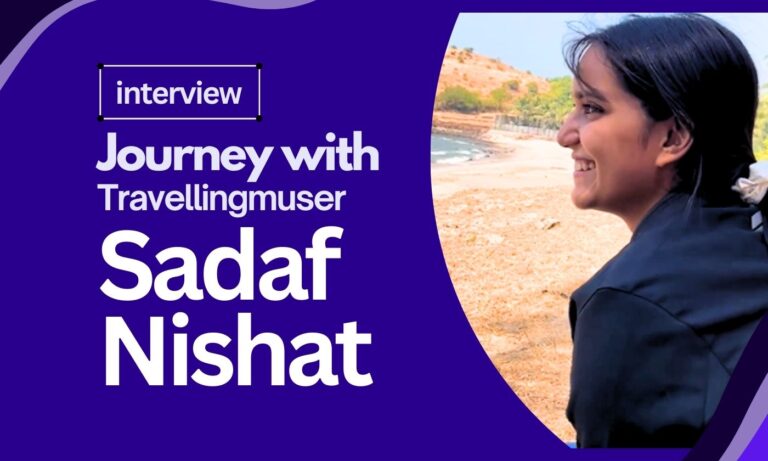
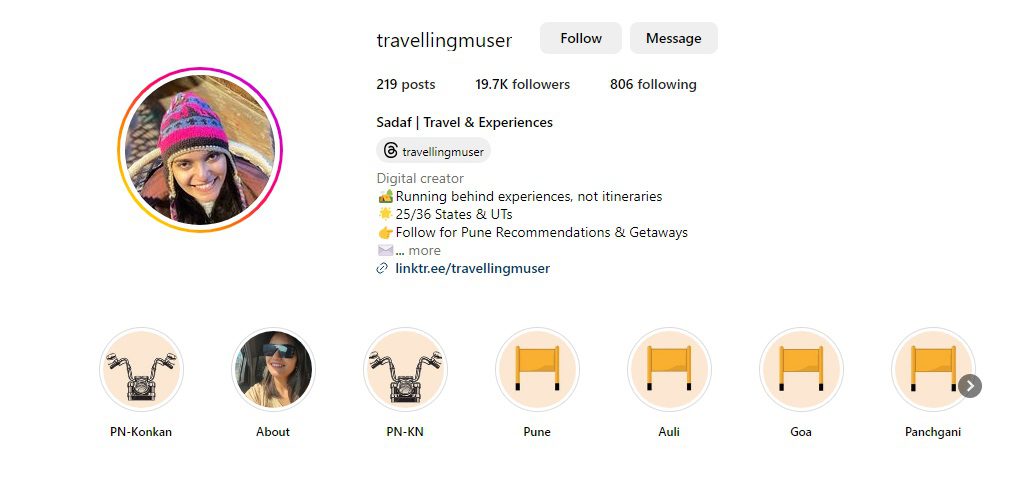
We are excited to interview Sadaf, also known as travellingmuser, a passionate digital creator who shares her love for travel and experiences with a community of 19.5K followers, including me, on Instagram. She has travelled over 25 States & UTs.
Let’s dive into her adventures and insights into the world of travel!
We are excited to interview Sadaf Nishat, also known as Travellingmuser, a passionate digital creator who shares her love for travel and experiences with a vibrant community of 19.5K followers, including myself, on Instagram.
Sadaf’s journeys have taken her across more than 25 States and Union Territories in India, each adventure adding a new and fascinating chapter to her ever-expanding travel chronicles.
Sadaf’s ability to capture the essence of her travels through stunning visuals and engaging storytelling has earned her a dedicated following. Her posts are not just about showcasing beautiful destinations but also about sharing the rich cultural experiences, personal reflections, and unique insights she gains along the way.
In this interview, we delve deeper into the experiences that have shaped her journey, the challenges she faces as a digital creator, and the moments that have left an indelible mark on her heart. We will explore her favourite destinations, the stories behind her most memorable travels, and the inspiration that drives her to continue exploring new horizons.
Join us as we dive into Sadaf’s captivating adventures and gain valuable insights into the world of travel through her eyes. Whether you’re an avid traveller or simply someone who loves to explore new places from the comfort of your home, this interview promises to be an enriching experience that will ignite your wanderlust and inspire your next journey.
An Interview With Sadaf Nishat aka Travellingmuser
Your Instagram profile reflects your passion for travel and experiences. What sparked your love for travel, and how did you decide to start sharing your adventures on social media?
I’ve been traveling since childhood with my family, thanks to my dad’s love for travelling. We used to have at least two trips every year. Fast forward to 2020, I graduated from college during the pandemic, lost my job, and faced personal challenges. As a fresher, finding a new job was tough. During this time, I traveled extensively, for the first time without my family. It was then that I discovered my deep passion for travel. It kept me sane during tough times.
Regarding content creation and social media, it wasn’t initially my focus, despite being a social media marketer. As I traveled more, I decided to create a travel page. It started as a place to store my travel memories, but over time, I decided to turn this hobby into calling myself a travel content creator
Travellingmuser; is a wonderful username, how did you come up with the name?
This is the first time anyone has asked me this question and honestly, I did not really had to put in a lot of thought to come up with this username. As I mentioned, traveling has given me many moments of reflection and clarity. It’s given me hope, understanding, and gratitude. So, everytime I travel, I like to ponder. Hence, the name – travellingmuser!
Doesn’t it make sense?
I like the silence in the mountains, the breeze in the oceans, and also the chaos in the culture
Your reels are mostly behind the scene experience. Can you tell us about a memorable travel experience?
So, One of my most memorable experiences was a bike trip from Pune to Kanyakumari. Reaching ‘Triveni Sangam,’ where three oceans meet, was incredible. My heart felt so full. It’s hard to describe that feeling and to top it up, we had the locals over there who were equally excited to hear about our bike journey. They treated us not less than a celebrity. There were few old uncles who even gave us their blessings for our future trips! To put it shortly, this experience left us ELATED!
Which has been your favourite state or UT so far, and what made it so special for you?
This is a tough question because every time I visit a new state, I think, “I want to come back here again!”. A few I would like to name are – Uttarakhand, Kerala, Goa, Kashmir and Sikkim
As a digital creator, what are some of the challenges you face in creating engaging travel content, and how do you overcome them?
The biggest challenge is staying dynamic and patient. Like you have to be on top of everything. Constantly changing strategies, editing, conceptualizing, and keeping up with new trends – and when you do all of it and the numbers do not support you, because c’mon, not every content peg is a hatrick, that’s the point I find it very draining.
To overcome this, I usually take a break of 3-4 days. And I come back with some rejuvenated energy.
What destinations are on your bucket list, and why are you eager to explore them?
I really want to explore Iceland. I mean its afterall the land of fire and ice. It has some of the largest glaciers and active volcanoes. Have you guys seen the videos of Iceland, OH MY GODDD, it’s absolutely stunning!
And I also want to visit Kenya for it’s wildlife.
You are a working professional, you work as a digital marketing consultant, so how do you manage the travelling schedule in your busy life?
It’s definitely not easy, like it’s almost 2am right now but I still haven’t ended my day yet. Having said that, y job is flexible with set ETAs and work-from-home options, which helps me balance work and content creation. To manage my time, I use a daily tracker to keep all my tasks organized, allowing me to juggle both responsibilities effectively.
With a growing following, engagement must be important to you. How do you engage with your audience, and what do you think sets your content apart?
I mostly engage in the stories and DMs. I run these QnA stories and make sure to askew all the queries I keep getting in my DMs.
I would like to believe that my concepts are fresh and unique. I have noticed alot of creators following my concept after me publishing it, it gives a lot of motivation to do better. However, I would like to call out here that if creators are taking inspiration from another creator, a small credit gives no harm.
What advice would you give to someone who wants to start sharing their travel experiences on social media and grow their presence?
So, I was really late at catching the niche bus. I was posting content, but wasn’t really focused on a sub-niche and I guess that was the biggest mistake I made. So to anyone new who wants to grow quickly, I would say, find your sub-niche! Travelling is a niche but which part of travelling do you want to tap on? That’s really important.
Wrap Up
Sadaf’s journey as Travellingmuser continues to inspire us to embrace new adventures and find joy in the journey.
Thank you, Sadaf, for sharing your stories with us and for reminding us of the transformative power of travel. We look forward to following your future adventures and seeing where your wanderlust takes you next!
Have you ever been to the ‘Golden Triangle’ in India?
Confused about what a golden triangle is after all?
Well, everyone knows these famous cities—Delhi, Agra, and Jaipur. These are not just three cities on a map, but these are adventures through the heart of India’s rich culture, history, and architectural marvels!
Visiting the Golden Triangle would surely be the adventure of a lifetime! From the chaotic streets of Delhi to the incredible Taj Mahal and the vibrant city of Jaipur, the triangle truly has everything to offer to everyone.
The Golden Triangle of India is a popular tourist destination in the country, attracting the imagination of every traveler by providing a glimpse of India’s glorious golden past.
If you want to travel this circuit, then you have come to the right place, for we are going to help you get travel ready!
Let’s know more about this fascinating route!
Golden Triangle of India: A Journey to Wonder
For first-time visitors to India, these three major cities in the north can be explored in five days. Providing a taste of modern India, these three cities feature every kind of architecture, from palaces to havelis, and Mughal forts, these famous destination provides a deep dive into India’s rich history, culture, and craftsmanship.
Delhi is not just a city, it’s a feeling. The national capital of India has served several empires in medieval times, like the Delhi Sultanate and Mughal Empire from 1649 to 1857, which is why it remains famous for its culture, tradition, architecture, and history.
Delhi is a mix of both worlds, old and modern. Once you visit, you can find yourself immersed in the ancient forts and palaces and ever-so-inviting bazaars of Delhi. You can also find cozy cafes and corporate buildings, standing tall. This place truly bears the testimony of a brand-new age of development.
The majestic Red Fort is a reminder of the strong and powerful Mughal Empire. The crowded lanes of Chandni Chowk, the largest market in Asia, are a must-visit for shopaholics and food lovers.
The city of love, Agra is situated on the banks of Yamuna River in Uttar Pradesh just about 230 km away from the bustling city of Delhi.
The golden age of Agra city began with the Mughals in the early 16th century. Today, the city has developed into an industrial town, booming with the tourism industry along with leather, footwear, and others.
Agra can surprise you with the 8th wonder of the world—-the Taj Mahal, which is one of the three World Heritage Sites in India. Apart from the enigmatic beauty of the Taj Mahal, tourists come here to explore Agra Fort, a massive red-sandstone fort, Ram Bagh, Akbar’s Tomb, Jama Masjid, Guru Ka Taal, and so on.
If you are a foodie, Agra has a lot to offer you! From the famous Petha to Jalebi and Paratha to Mughlai Food, there’s truly so much!
Jaipur, the pink city of India is famous for its warm and inviting nature. People visiting this city effortlessly recognize all buildings painted in the color pink. The city stands for its unique architecture, palaces, art and craft, astrology, lavish cuisines, and traditional attire.
Jaipur’s bustling bazaars are truly a treasure trove of jewelry, handicrafts, and artifacts, each telling a story of the region.
How Does the Expedition of the Golden Triangle Begin?
As you know, this is one of the most traveled circuits in India, the Golden Triangle is triangulated in Delhi, Agra, and Jaipur. The route usually starts at Delhi and goes south to Agra and then west to Jaipur.
Reaching Delhi
Here’s what you can do:
You arrive in Delhi via train, road, or flight.
Travelers are greeted by the vibrant metropolis and the energy of the city.
Explore the bustling Old Delhi area.
Visit Red Fort, Lotus Temple, Akshardham, etc.
Reaching Agra
After exploring Delhi, you can continue your journey to the next destination, which is Agra. You have several options to reach Agra from Delhi:
Distance: 230 km approx.
Train, which usually takes 2 to 3 hours.
Private car or tourist bus, which usually takes 3 to 4 hours.
Here’s what you can do when in Agra:
Taj Mahal
Agra Fort
Fatehpur Sikri
Explore local markets
Attend cultural performances
Take heritage walk
Try local cuisine
Reaching Jaipur
After exploring Agra, your last destination on the Golden Triangle circuit in India is Jaipur.
Distance: 240 km approx.
By road, which typically takes 4 to 5 hours.
By train, it typically takes 4 to 6 hours.
By bus, which takes 5 to 7 hours.
Here are some top things to do in Jaipur:
Visit Amber Fort
Discover City Palace
Explore Hawa Mahal
Shop at Johri Bazaar
Visit Jantar Mantar
Experience authentic Rajasthani cuisine
Concluding Note
The Golden Triangle is best visited between the months of October to December and February to April when the temperatures are soothing and cool. Book your tickets well in advance if you are thinking about visiting during the winter.
With a plethora of vibrant culture, historical wonders, and learning, it is time to embrace India’s rich heritage.
Don’t you have a nagging feeling sometimes—the desire to learn something new? But the problem remains that you don’t feel like going through the lengthy YouTube tutorials due to overwhelming commitments.
What if I told you that you can by dedicating just 30 minutes of your day unlock a new world full of skills and knowledge? Interesting, right?
Nevertheless, you should keep one thing in mind—you probably won’t become the master of something in 30 minutes flat, but you can absolutely make significant progress by just initiating. Think of it like a daily investment. Dedicating just 30 minutes in your 24 hours can help you become consistent over time.
Making the Most of Your 30 Minutes
As kids, you were taught to learn something new each day. Remember when you participated in extracurricular activities, experiments in the classroom, or took part in cultural programs?
As you stepped into adulthood, you adopted a new routine that rarely changed.
Benedict Carey in his insightful book “How We Learn,” suggests that following routines can clash with our brain’s capacity to develop new skills. While some people may argue it’s worth considering that sometimes happiness depends on the capacity to explore and learn new things.
What Can You Learn in 30 Minutes Every Day?
Pick something from the following and give it a try. Let’s see how much you can tick off!
1. Playing Guitar
If you have 30 minutes each day, you can try out your favorite songs on the guitar or ukulele. You can find quick YouTube tutorials to understand the method. Although learning guitar or ukulele requires a little patience at the start, you can begin by learning the chords: A, D, E, C, G. Remember that quality and consistency are the keys to learning any type of instrument.
2. Practice Speed Reading
If you are someone who is a visual learner then speed reading speeds up the rate at which you take in the new information. If you do not know—speed reading is a method where you scan written information to understand the phrases and sentences instead of actually reading word by word.
The average speed of reading is 250 words per minute and with speed reading, you can go up to 400 to 700 words per minute!
There are speed reading apps that bold the letters which you need to emphasize to see the word in your head.
3. Artistic Pursuits
Engaging in artistic pursuits is a great way to go creative. Whether you wish to sketch with charcoal, mold clay, or use a paintbrush, art can be really fulfilling.
Drawing allows you to translate your observations and imagination into paper, and practicing this 30 minutes a day can refine your ability to depict textures, and emotions, and hone your skills.
Painting invites you to express your innermost thoughts and feelings on a blank canvas. The palette of colors creates a unique atmosphere, setting the mood, and weaving intricate narratives with each brushstroke.
4. Mindfulness
Agree or not, modern life is full of distractions and that’s why practicing mindfulness every day for 30 minutes will help you focus and improve your well-being.
Sure, you must have so much about mindfulness in videos, books, articles, conferences, and so on. But, if you commit 30 minutes or less each day you will notice positive changes in your stress level, mood, and general well-being.
All you have to do is:
Set your timer for 20 minutes
Sit somewhere quiet
Find a comfortable posture (your goal is to stay relaxed)
Start with a long breath in and breathe out
Recognize what it is like to be in this moment
Repeat this exercise two more times
5. Writing
Writing is a superpower that lets you express yourself either by journaling or narrating amazing stories. Let us tell you how writing can change your life in just 30 minutes:
Do you have a million thoughts in your mind? Writing can help you express yourself freely.
Do you love a good story? Try writing it yourself by creating your own world and characters.
Are you seeking for a more creative outlet? Maybe you should try your hand in writing poetry.
Writing allows you to organize your thoughts. The more you write, the better your thinking becomes. So, grab a pen and paper and see where the world takes you!
How to Learn a New Skill Every Day in 30 Minutes?
Following are some tips to maximize your 30-minute learning session:
Choose a Particular Skill: Don’t pick something too lengthy or too broad. Concentrate on a well-defined part of a bigger skill. For instance, instead of learning photography, you can choose to learn basic camera settings.
Find the Right Resources: The Internet is a bank brimming with incredible learning resources. So, you can explore online tutorials, informative blogs, or crash courses.
Become Action-Oriented: Try not to passively consume information. Engage with the material, take notes, try out new techniques, and complete the exercises.
Track Your Progress: Watching your improvement can be your great motivator. You can track your progress by keeping a journal, creating a progress chart, or tracking the lessons you have completed.
Ready to Get Started?
Studies show that shorter, focused sessions are more effective than longer, unfocused ones. That’s why 30 minutes allows you to dive into new learning and grasp the concept.
Pick something you have always wanted to try and dedicate your 30 minutes to watch yourself bloom. You might surprise yourself!