Home Blog Page 13

Essentials to Keep in Mind for The Best Stress-free Trips

0

Going for short trips or taking long vacations, there’s one thing that will always be on your mind. Planning. Travel Planning is important and combines everything from packing to itineraries and even food. But often we don’t know how to manage everything, be it packing or planning a budget travel or maybe even safety.  But what are the ultimate travel-related things you should know? Take a look at what you should know or do before you travel:

Things to Know and Do Before Your Travel Next

A Packing List

Packing is the most important element of a trip. Knowing how to pack well doesn’t only mean, you’ve kept everything, but also makes travel easier for you. Always make a complete list of all the things you need to pack before you start packing. Right from clothes, toiletries, electronics and more.

This way you will never miss out on anything. Also, it saves you from shuffling things again when you think you’ve forgotten something. But do remember to double-check the list before you start your travel journey. Packing becomes simple when you know exactly what to pack.

Packing Light

Packing Light is quite important especially if you’re going to a place where you would need to walk a lot. Mostly in Europe, you would need to walk a lot. In many other places, where cabs can’t take you everywhere due to the roads or steep inclinations, packing light comes in handy.

With less to carry around, you can easily go through security checks, with no need for baggage claims, or worrying over large luggage left in hotels. Also, you spend less time dealing with multiple bags when going out. Light packing equals more freedom. You only pack the very essential stuff and travel around freely.

Travel Budget

Before you even plan your trip, create a budget in your mind that you will follow throughout the trip. Include your airfares, travel fare, stay charges, food activities and other things you could think of. Calculate a rough amount you would need to carry out the entire trip. Now stick to this budget.

Keep some extra cash for emergency cases only. Now you have to plan your trip according to this budget. Book your tickets within this budget then decide on a place to stay. Once you have decided on your stay, plan your itinerary: activities, shopping and everything else. Plan your daily travel, whether you’ll take local transport or book cabs. This way you can avoid overspending on your trip and save as much as possible.

Safety During Travel

Safety during travel is a must. When you’re going to a new place, you do come on the radar of thieves, and other criminals. As a tourist, you become automatically unsafe as you’re there only for a short amount of time. If there is a language barrier, it becomes even more of a problem.

For starters, choose the safest mode of travel possible. Try not wearing expensive or flashy jewellery, you become the target for robbers, even more, being a tourist. Try being aware of the common local scams or overcharging practices. When you consume any liquor, be responsible and consume only the amount to keep your senses together. Follow these basic simple ways to keep yourself safe while travelling.

Travel Insurance

Travel insurance is almost a must when you’re traveling abroad but having it is important. Consider travel insurance for expensive or long trips. It can provide peace of mind and financial protection.

Travel insurance protects you from a lot of harm, like potential baggage loss, cancellation of flights, personal accident covers, and sometimes even passport loss. You also get medical evacuation in case of emergencies, emergency financial help and more. Travel insurance is your protection against unpleasant circumstances out of your control. Travel insurance is your walking bodyguard when out for travel.

Technology and Connectivity

You can use Google Maps or apps like Maps. Me to download the offline maps of your destination. Keeping an offline map with you won’t require data access. It can be a lifesaver during the time of necessity. 

You must get a local SIM card, in case you are planning a long trip. It will be cheaper than international roaming calls.

Prefer using the free WiFi facility provided in many cafes and public spaces. Use a VPN every time while connecting to a public network to protect your data.

You must have Google Translate or another translation App which can help you to communicate in foreign languages. Some even work offline or can translate text from photos.

Keeping a universal adapter will ensure you can charge your devices everywhere. Different countries use different electrical outlets. It is important to carry a universal adapter while travelling.

Cultural Awareness

You can learn a few basic phases of the place you want to travel. Knowing a few key phrases in the local language goes a long way. Locals appreciate the effort, even if you’re not fluent.

You must respect local customs, dress codes and traditions. This shows respect and can help you avoid unwanted attention.

Every destination has its common tourist scams. Research these beforehand so you know what to watch out for.

Health and Wellness

Travelling can cause dehydration,  especially on long flights.  So drink plenty of water.

To combat jet lag, you must try to adjust to your new time zone as quickly as possible. You must expose yourself to sunlight and wake up at local bedtime.

Long periods of sitting during travel can be harmful. Take walks during layovers and do simple stretches when possible.

Keep a watch on  what you eat and drink

Be cautious with street food and tap water in certain countries to avoid getting sick.

Documentation and Organization

 You must make copies of important documents.  Remember to keep digital and physical copies of your passport,  visas and other documents. Keep them separate from the originals. You can use travel organizer apps to keep all your reservations and itineraries in one place.

You must check visa requirements before. As some visas can take weeks to process. So, always check the requirements well in advance. 

Whether digital or physical, a journey preserves memories which can be cherished forever.

Dealing with the Unexpected

You must always have a backup plan for everything. Things don’t go as per the plans every time. Gather general ideas and suggestions of what to do in case of flight cancellation.  Get information about what to do if accommodation falls through.

Although planning is important,  you must leave some room in your schedule for unexpected discoveries. Take a few recommendations from fellow travellers or your friends and relatives.  You should always leave room for spontaneity. 

Eco-Friendly Travel

You must bring a reusable water bottle. Many destinations have got safe tap water.  So, you must carry a reusable bottle. This will reduce plastic waste and as well as save money.

Go for eco-friendly transportation while travelling.  Whenever possible,  opt for trains over planes. You can also consider carbon offset programs for unavoidable flights.

You can support local businesses by eating at local restaurants. Go for buying things from local artisans. You can support the community and often provide an authentic experience in your travelling journey.

You must follow guidelines in natural areas. Avoid touching or feeding wildlife while on a trip to a wildlife sanctuary. 

Maximizing Your Experience

Talk to locals while travelling. You must have conversations with local inhabitants. They can provide you with the best recommendations for authentic experiences and hidden gems.  Give a try to the local cuisine.  Food is a big part of the culture. You must be adventurous on a trip. You must try local specialities, even if they seem unfamiliar.

You must take free walking tours. Many cities will offer you free walking tours based on tips. You can have great overviews and local insights.

Local markets can provide you with a great experience daily. You can try various foods, clothes and other unique souvenirs.

Attend Local Events on a trip. You must check

if any festivals or events are happening during your visit. These can offer unique cultural experiences.

Wrapping Up

To ensure stress-free travel, these are some basic tips you should know to have an easygoing vacation. Travel itself is not as relaxing as it sounds. You need a lot of planning, spontaneous plans can work for short trips but for bigger trips or vacations abroad, sometimes you need to plan at least 2 months prior.

If you come from a place with a weak passport, this can easily become 6 months or even one year. Keep these things in mind when you plan your next trip and have an easy breezy vacation without worries.

Loading

7 Reasons Why Freediving in Cenotes Can Change Your Life

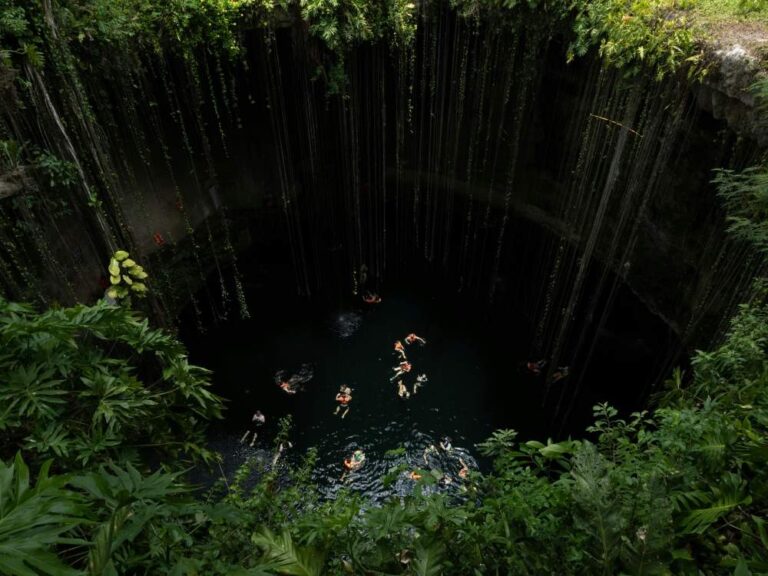
At the Yucatan Peninsula, cenote freediving is quite popular. Cenotes are natural treasures and diving in these inviting waters isn’t just thrilling but life-changing.

Imagine diving into crystal clear waters and exploring the world beneath, a life untouched by time. Cenote freediving offers an unparalleled environment for gaining this experience.

In this article, we will explore seven compelling reasons why freediving can transform your life. Dive in with us!

What is a Cenote?

Cenotes are natural sinkholes created when the roof of the cave has collapsed. The word Cenote is pronounced as ”seh-no-tay,” which is derived from the Yucatec Maya term “D’zonot” or “Ts’onot.”

Cenotes are found in various shapes and sizes, like Cavern Cenotes, Open Cenotes, Ancient Cenotes, and Semi-Open. 

Types of Cenotes for Freediving

Cavern Cenotes: The youngest type of cenote features colors ranging from emerald to deep blue, which is visible through openings in their ceilings.

Semi-open Cenotes: These are middle-aged cenotes, a part of these cenotes are exposed to open air and often connected to other cenotes.

Open Cenotes: These are the older ones, where the ceiling collapsed, creating a habitat for several species.

Ancient Cenotes: Similar to a lagoon, these cenotes serve as an oasis in the heart of the Mayan jungle.

Why Freediving in Cenotes Can Transform Your Life?

Imagine taking slipping beneath the surface of the water, fully focused. You feel the change of the pressure, hear the sound around you, and focus on your movement to ensure you are fully relaxed and aware. This is the true essence of freediving! It is a transformative experience that is beyond the physical act of diving.

And here’s why cenote freediving can change your life:

Connection with the Nature

Cenote freediving offers a fascinating blend of cultural significance with natural beauty. When you take a plunge and immerse yourself into the depths of the water you are mostly free from the burden of everyday life and activities. You are mostly in a zen-like state, creating a profound bond with the surroundings. These underwater caves have captivated the human imagination for decades.

Mental Clarity

Experienced freedivers say that with time they learned to cultivate a state of calmness. This tranquil state of mind comes through mindfulness practice. Once you are deep inside the waters you tend to let go of distractions.

Freediving is an activity that demands much concentration. This meditative state improves the performance of the diver and the entire underwater experience.

Physical Fitness

Cenote freediving is about both mental and physical strength. In order to gain the ultimate experience, you need to take control of your breathing.

n freediving, your body is fully engaged–your core, legs, and arms. This helps in improving cardiovascular health. As you hold your breath, the body enters a state of calmness, eventually reducing tension.

Personal Growth and Confidence

As a beginner, each plunge into the depths of the water becomes a chance to challenge yourself and build self-confidence.

Confidence plays a very important role here which eventually influences performance. If you are new to freediving, start with proper training and eventually learn to push your limits. With time, divers gather experience and overcome barriers, which boosts confidence and impacts personal growth.

Discovering Serenity

Cenote freediving is undoubtedly an enchanting activity where you are surrounded by a serene environment. Entering the depths of the water, you feel the weightlessness where a quiet world embraces you. You are cut off from the constant noise and hustle-bustle of life, fully immersed in the arms of nature to experience a sense of tranquility, which is hard to find somewhere else.

The way sunlight plays with the water and the beauty of marine life in itself creates a meditative and calming experience.

Adventure and Exploration

Each cenote offers a different adventure. You can find hidden passages, diverse marine life, and stunning rock formations. The thrill of coming across these underwater wonders creates an adventure and curiosity within freedivers. This kind of exploration truly satisfies the desire to discover and can help in creating a lifelong passion for the underwater world.

Environmental Awareness

Cenote freediving has been a life-altering experience for a lot of people. Once you experience it you understand how human activities are impacting the marine ecosystems. You get an idea of adopting sustainable practices both inside and outside of the water. Freediving has turned several people become more environmentally conscious and responsible divers.

Concluding Note

Cenote freediving without the aid of breathing equipment has made waves in the recent few years and for good reason. People are constantly seeking change, wishing to discover more, or finding serenity in different places; freediving has emerged as one of the captivating activities, providing mental and physical benefits.

Freediving can truly blow your mind if you are looking for a transformative journey. As a beginner, it is advisable to get yourself an experienced freediving instructor for a safe experience.

Loading

Art for Everyone: Why Street Art Matters?

Street art is more than just expression, they add value and personality to a metropolis. Beautiful street art with its colors, designs, and unapologetic presence has become a crucial part of urban settings.

Galleries and museums have been custodians of fine art while street art is a democratic form of expression, reaching people where they live or work.

But the question remains–why does street art matter?

Let’s find out the significance of this beautiful art form and the role of muralists in giving it a life.

Influence of Grafitti on Street Art

Street art has existed ever since the dawn of man. For example, cave paintings, rock art, and various graffiti documented in historical sites in Rome.

During the 1960s, graffiti become hugely popular in New York as a social commentary and political expression.

Street art gradually gained recognition in the early 1980s as a conceptual art movement with leading artists being showcased in famous New York galleries.

Graffiti played a crucial role in the evolution of street art. It laid the very base for the rise of a global movement. Artists tried their hands in different styles, techniques, and messages. 

Stencil art and muralism gained popularity as beautiful street art techniques, allowing artists to create larger and more detailed pieces in public areas.

The Rise of Street Art

As mentioned, street art started gaining traction in the 1980s due to influential artists, like Keith Haring and Jean-Michel Basquiat. It was their work, which gave street art a place in the museum, bridging the gap between underground and mainstream art.

Significance of Beautiful Street Art

Art helps in connecting, inspiring, and transforming people from different walks of life. Beautiful street art adorns cities throughout the world, merging colors and creativity in urban life.

But why does street art matter even today?

Let’s find out!

Revitalizing Neighborhood 

Street art can turn bleak public spaces into beautiful canvases. This change is remarkable, helping to uplift the neighborhoods, and making them more attractive. Beautiful street art can breathe new life into buildings and neglected alleys. This visual transformation in itself creates pride and people identify themselves as a community while collaborating with the artist.

Building Connections and Trust

Street art finds community members and artists working beside each other. This creates a sense of connection that goes beyond traditional boundaries. Street mural projects in the community involve the natives in the creation process. This approach strengthens the bond and trust among people in a community.

Giving Way to Marginalized Voices

Street art is a powerful way to give voices to marginalized communities to come out and share their experiences and stories with the world. Experienced muralists can help such communities voice their issues that are often ignored or silenced. Artists can aid by giving them a chance to express their challenges and identities. This makes it an empowering tool, helping people overcome obstacles and stereotypes.

Positive Self-Expression

Street art acts as a positive outlet for youngsters, helping them express themselves. Cities can channel the creative energy of the youth away from harmful behavior, pushing them towards meaningful activities. Young people collaborating in street art projects create pride and belongingness among themselves. It gives them a chance to contribute to positive changes, making them feel heard and seen.

Beautifying the Space

Thanks to the muralists, our urban landscapes are more colorful and vibrant, attracting tourists and uplifting spirits of the natives. These experienced and talented muralists bring their vision to the streets, turning mundane walls into stunning pieces of art. Their mural designs remind people of the power of art to inspire and connect us all.

The Role of a Muralist

A muralist can transform both public and private spaces be it your house, workspace, churches, cities, zoos, libraries, etc. One of the advantages of hiring a muralist is that they offer customization, especially to your needs. They utilize colors, designs, and themes to produce distinctive artwork.

Creating Visually Stunning Spaces

For businesses, a mural can create a welcoming environment for customers and clients, while for homes, it adds a personal touch that reflects one’s personality and style. In public spaces, murals can convey community values.

Long-Lasting Impact

Murals create a lasting impact on those who encounter them. Serving as the focal point, muralists create artwork that contributes to the identity and pride of a community. It often becomes a landmark, providing continuous joy and inspiration.

Uniqueness

Muralists are skilled at setting the tone and the mood of a space. By carefully selecting and blending colors, patterns, and imagery, they create an ambiance that can be relaxing and thought-provoking, depending on the purpose of the space.

Concluding Note

Street art matters and we cannot emphasize enough how important its role is in today’s life. Bringing beauty, voice, inspiration, and support to public spaces, beautiful street art can transform ordinary walls beyond your imagination!

So, the next time you encounter street art, pause for a moment and do appreciate the hard work, the message, and the significance that went behind it. In doing so, you automatically become a part of a larger conversation.

Loading

15 Unexpected Things You Learn Traveling Solo

0

Traveling solo isn’t only about stepping outside your house and doing whatever you feel like doing. A big NO. Sometimes, solo travel is more about what you discover.

You might surprise yourself when you are forced to do certain things by yourself and in doing so, you might even traverse the path toward self-discovery. And, you will never be the same!

Traveling alone is truly an unbelievable experience that pushes you out of your comfort zone and opens you to different people, societies, and cultures.

If you are someone planning to travel alone for the first time, this article will shed light on what you can expect or learn when you embark on a solo journey.

Let’s dive right in!

1. Self-Reliance

    This definitely goes without saying. Since you are about to travel solo you have to depend on yourself, navigate unfamiliar cities, and deal with the language barrier, all alone.

    By doing so, you become more independent, learning to trust yourself and your instincts.

    2. Improved Social Skills

      Do you think you are an introvert? Do you deal with social anxiety? Things are about to change! Solo traveling involves interacting with new people along the way.

      These meetings can improve your social skills and you eventually become comfortable in starting conversations.

      3. Aware of What’s Around You

        When traveling with friends or family it is very easy to not really pay attention to what goes around you.

        Solo travel makes you take notes of everything small or big. You literally start noticing things around you and become more aware.

        4. Managing Loneliness

          Solo travel can surely be lonely sometimes, especially during long journeys. However, when you gradually learn to manage loneliness, it becomes an invaluable skill.

          Take photographs, start journaling, and start enjoying your own company to appreciate solitude.

          5. Eating Alone

            It may sound funny but a lot of people fear the idea of dining alone. Traveling solo will teach you to be okay with dining all by yourself and you might start enjoying it.

            You might even start sharing meals with strangers whom you’d just met. All in all, you start enjoying your food so much more!

            6. Adaptability

              It may happen that your travel plan does not go as expected. Flights get delayed or roads get blocked. In such scenarios, you learn to be flexible and adapt yourself to changes; make adjustments, and handle unexpected situations during your travel as well as in daily life. This also makes you calm in the long run.

              7. Asking for Help

                A lot of people struggle to ask for help. There’s a kind of preconception around solo backpackers being confident and tough, however, that’s not the case.

                Solo travel will teach you that it is okay to ask for help, seek advice, and help others with things you thought you couldn’t do.

                8. Time Management

                  Solo journeys bring unparalleled experience for sure provided you manage your time carefully. Understanding your energy is the key to optimizing your travel schedule.

                  Sometimes, responsibilities also teach you how to plan your days. Good time management ensures you make the most of your trip without feeling rushed.

                  9. Appreciating Tiny Moments

                    Traveling alone involves quiet moments where you can reflect on your experiences and surroundings. Without many distractions, you become self-aware, and start appreciating smaller things, like the sunset, the road, a friendly smile, or a delicious meal.

                    These moments may seem small but they can be really fulfilling.

                    10. Building a Unique Perspective

                      Solo travel is much more than discovering tourist spots. It exposes you to various ways of life, beliefs, and practices. This broadens your perspective, making you more understanding and empathetic.

                      You go back home with a more open mind and different views of the world.

                      11. Learning to Say No

                        Learning to say no can be a valuable skill. Although it is a lifelong process, it can become easier once you start practicing it where it is absolutely necessary.

                        Whether it is about declining an invitation or avoiding a trap during your travel, you learn to prioritize your own well-being by saying a simple no.

                        12. Building Fearlessness

                          Solo traveling pushes you to step into new conditions, which helps you adapt to unexpected situations. Exploring new areas, communicating in an unknown language, or meeting with people from various backgrounds.

                          This helps unlock your fearlessness and confront future difficulties with confidence.

                          13. Patience

                            As you learn to be by yourself, you learn to come out of difficult situations all alone, which eventually makes you patient. You consider waiting calmly to find out the ways to make the best of your time.

                            14. Understanding Non-Verbal Communication

                              In places where you don’t speak the language, non-verbal communication becomes essential. You become adept at reading gestures, facial expressions, and body language.

                              This skill is important and enhances your ability to communicate effectively in different situations.

                              15. Greater Appreciation for Home

                                Believe it or not, solo travel does teach you to appreciate your home. You will notice things that you mistakenly took for granted, like home-cooked food, customs, or even language.

                                This newfound appreciation can rebuild your connection to your home and make you feel grateful.

                                Concluding Note

                                You do not have to be the smartest or the bravest to travel solo. It doesn’t even take months to properly realize what it means to travel alone. The only thing that may be stopping you from starting to plan your solo trip is you.

                                Traveling solo is surely a transformative journey, offering a wealth of experience. The challenges you face along the way help you become more confident, flexible, and adaptable.

                                So, if you ever get a chance to go on a solo adventure, seize it!

                                What are your thoughts on traveling alone? Let us know!

                                Loading

                                Journey to Kailash Mansarovar Lake: Embrace the Adventure, Seek Spiritual Bliss

                                Embark on a journey that promises spiritual enlightenment and breathtaking natural beauty with the Kailash Mansarovar yatra from India. This pilgrimage is not just a trek; it is a profound experience that brings you a step nearer to paradise. Whether seeking solace, adventure, or a deeper connection with the divine, the yatra towards the Mansarovar Lake offers all this and more.

                                Picture yourself walking through serene landscapes, surrounded by the majestic Himalayas, with the sacred Mount Kailash standing tall in all its glory!

                                This revered peak, considered the abode of Lord Shiva, has been a beacon for pilgrims and adventurers for centuries. The journey to Kailash Mansarovar is a test of endurance and faith. 

                                However, beware of every step you take, as it brings unparalleled spiritual rewards.

                                As you approach the tranquil waters of Lake Mansarovar, a sense of peace will wash over you, rejuvenating your mind and soul. The pristine lake, believed to be the source of four mighty rivers, is where many find clarity and purpose.

                                Unlike your other trips, this yatra is a once-in-a-lifetime opportunity to connect with the divine, explore nature’s wonders, and discover your inner self.

                                Scroll down below to discover the paths to visit one of the most sacred places in the world – Lake Mansarovar.

                                The Significance Of The Mansarovar Lake, Kailash

                                Have you ever heard of Mansarovar Lake? 

                                Situated at the southern foot of Mount Kailash, this incredible spot in Tibet has a magical vibe. People from all over the world come here, not just for its beauty but also for its deep spiritual significance.

                                In Hindu mythology, Lord Brahma created Mansarovar, and taking a dip in its waters can wear down sins and bring spiritual blessings.

                                Pretty impressive, right? 

                                So, you will find many Hindu pilgrims here, meditating and performing ritual baths.

                                But that is not all. 

                                For Buddhists, this lake is super important, too. 

                                They see it as the eternal female principle and connect it to the legendary Lake Anavatapta, where Queen Maya conceived Buddha. Even Jains hold it in high regard, linking it to their first Tirthankara, Rishabhadeva.

                                Beyond the spiritual, Mansarovar’s natural beauty is breathtaking. You might skip a heartbeat at the serenity of the clear, reflective waters surrounded by snow-capped peaks. Whether you are seeking a spiritual journey or just a bit of tranquillity, Mansarovar Lake will leave you in awe.

                                The Journey To Mansarovar Lake From India

                                The Kailash Mansarovar Yatra In India takes place annually. As you continue your journey from India to Mansarovar Lake, the adventure truly begins once you cross into Nepal.

                                The gateway to this divine expedition is the city of Kathmandu, a place where spirituality and history blend seamlessly. Here, you must obtain the necessary permits and gear up for the journey ahead. Moreover, acclimatizing and preparing for the high altitudes you will soon encounter is essential.

                                From Kathmandu, you can opt for a scenic flight to Nepalgunj and then to Simikot.

                                Hence, the real trek begins.

                                The air is crisp and thin, a reminder of the majestic heights you are about to explore.

                                Quick Tips

                                • Permits and Documentation: Ensure all your permits are in order before departing Kathmandu.
                                • Acclimatization: Spend a day or two in Simikot to adjust to the altitude.

                                The trek from Simikot to the Tibet border is an escapade in itself, offering breathtaking views of the Himalayas, lush valleys, and remote villages. You will pass through the Humla region, where the serene landscapes and welcoming locals make the journey unforgettable.

                                Crossing into Tibet at Hilsa, you will be greeted by the stark, rugged beauty of the Tibetan plateau. The drive to Mansarovar Lake from here is a spiritual experience. 

                                As you approach the lake, the first sight of its sparkling blue waters set against the backdrop of Mount Kailash is simply awe-inspiring.

                                Sacred Rituals

                                • Holy Dip: Said to purify the soul.
                                • Parikrama: A spiritual walk around the lake, usually covering a distance of about 88 km.

                                From Mansarovar, many pilgrims proceed to Mount Kailash, which is acknowledged to be the abode of Lord Shiva. The trek around Mount Kailash, known as the Kora, is a challenging yet rewarding experience, offering unparalleled views and deep spiritual fulfilment.

                                Mount Kailash Kora

                                • Challenging Terrain: The Kora is a 52 km trek around Mount Kailash, often completed in three days.
                                • Spiritual Significance: Each step is believed to bring spiritual merit.

                                Your journey to Mansarovar Lake is not just a physical trek but a pilgrimage that touches the soul, leaving you with memories and experiences that last a lifetime. Whether you are drawn by religious devotion or the allure of adventure, this journey offers a unique blend of both.

                                However, remember, preparation and respect for the local culture and environment are key to a successful and fulfilling pilgrimage. Honouring these will help you find the peace and blessings you seek at the sacred Mansarovar Lake.

                                Preceding Challenges Of The Kailash Mansarovar Yatra From India

                                You are setting forth for one of the most sacred places in the world without any hindrance, which is impossible. This yatra to the lake has its own set of challenges. 

                                The journey’s high altitude demands physical fitness, as trekkers must acclimatize to thin air to avoid altitude sickness. Harsh weather conditions, ranging from intense cold to sudden storms, add to the difficulty. 

                                Further, the remote location limits access to medical facilities and emergency services, making preparation and self-reliance crucial. 

                                Additionally, the rigorous trekking paths, often steep and rocky, test endurance and resilience. 

                                Despite these challenges, the pilgrimage offers unparalleled spiritual fulfilment, breathtaking landscapes, and a profound sense of achievement for those who undertake it.

                                What Is The Best Time To Visit Mansarovar Lake

                                The perfect and best time to visit Mansarovar Lake in Kailash is the summer months, starting from May to September. Currently, the weather is quite pleasant, making the trip to this high-altitude location more comfortable and enjoyable.

                                Summers At Mansarovar Lake: A Blissful Experience

                                Visiting Mansarovar Lake in the summer is truly a blissful experience. The temperatures during these months vary from 10°C to 20°C, providing a pleasant escape from the scorching heat of the plains. The clear skies offer stunning, uninterrupted views of the surrounding snow-capped peaks, including the revered Mount Kailash.

                                1. Pleasant Weather

                                The mild summer weather makes it easier to undertake the long and often challenging journey to the lake. 

                                The warmer temperatures reduce the risk of altitude sickness, allowing visitors to immerse themselves fully in the serene beauty of the landscape.

                                2. Vibrant Scenery

                                The summer season brings the landscape to life with lush greenery and blooming wildflowers. The lake, fed by the melting snow, is at its fullest, reflecting the azure sky and the towering mountains in its crystal-clear waters. 

                                This picturesque setting provides ample opportunities for photography and quiet contemplation.

                                3. Pilgrimage Season

                                For those embarking on the sacred pilgrimage to Mount Kailash, summer is the peak season. The more favourable weather conditions facilitate the arduous trek near the mountain known as the Kailash Kora. 

                                The influx of pilgrims worldwide during this time adds a vibrant and spiritual atmosphere to the region.

                                4. Festive Vibes

                                Summer is also the time when many local festivals take place, like the Saga Dawa and Guru Purnima, which are celebrated in the vicinity of Mount Kailash. 

                                These festivals offer a glance into the rich cultural inheritance and the deep spiritual connection to the lake and the mountains.

                                Planning your journey to Kailash Mansarovar? 

                                Well, buckle up because this trip is as much about the adventure as it is about the destination!

                                However, although summers make it the perfect time to visit the lake, the weather conditions are very unpredictable. Even during summers, the temperatures can vary and make rapid changes. 

                                So, before you set out, make sure to check the weather forecast regularly. You’ll want to be prepared for anything – from fluctuations in temperature to unexpected rain or strong winds. 

                                A little prep goes a long way to ensure you are comfortable and safe. 

                                Bottom Line

                                Being a witness of the Kailash Mansarovar Yatra in India is a lifetime experience. Yes, it can cost a budget, but it is definitely worth it! If you are an adventurous soul and seek to be a testimony of the world’s enduring legacy, here is the chance.  

                                So, pack smart, stay informed, and get ready for an unforgettable journey. 

                                Frequently Asked Questions (FAQ) 

                                1. What is the Kailash Mansarovar Lake Yatra?

                                The Kailash Mansarovar Lake Yatra is a sacred pilgrimage that takes devotees to Mount Kailash and Lake Mansarovar in the Himalayas. It is considered one of the world’s most spiritual and challenging treks.

                                1. How long does the Kailash Mansarovar Lake Yatra take to complete?

                                The yatra typically takes 14 to 18 days, depending on the route and the tour operator’s specific itinerary.

                                1. What is the best time to undertake the Kailash Mansarovar Lake Yatra?

                                The best time to go on the Kailash Mansarovar Lake Yatra is between May and September when the weather conditions are most favourable for trekking.

                                1. What physical requirements are necessary for the Kailash Mansarovar Lake Yatra?

                                Participants should be in good physical health, as the yatra involves high-altitude trekking and demanding physical activity. 

                                1. How do you prepare for the Kailash Mansarovar Lake Yatra?

                                Preparation for the Yatra should include regular cardiovascular and strength training exercises, altitude training, and ensuring all necessary travel documents and permits are in order.

                                Loading

                                Conquer Your To-Do List: 3 Simple Hacks for Maximum Productivity

                                0

                                Do you feel like there aren’t enough hours in a day? If yes, then you are not alone.

                                People often complain about long hard productive days at work but hustle to manage other areas of life. This usually frustrates them because there isn’t much time to enjoy everything they desire on a daily basis.

                                If your to-do list contains neverending tasks that get you overwhelmed, we have good news for you! Fortunately, three very simple hacks can help in conquering your list of things to do and achieve your goal.

                                Whether in your personal life or professional pursuit, mastering productivity and managing time strategically can help you feel good yourself.

                                With that in mind, we have pulled together simple productivity hacks you can apply to any area of your life.

                                Let’s take one step at a time!

                                Hack 1: Prioritize Your Tasks Effectively

                                Focus on what is important at the moment. Keeping a sense of priority will save you from getting lost in less important tasks. This is how you can prioritize your work:

                                1. Identify and Understand Your Tasks

                                  You must have heard people say how important it is to identify your task at the beginning of the day. You start by asking yourself:

                                  • Which tasks can move me closer to the goal if I complete them today?
                                  • Which tasks are urgent?

                                  These questions will ensure that you are dedicating your time and energy to what matters the most at the moment.

                                  1. The Eisenhower Matrix

                                  The first step towards getting your work done is making a to-do list. However, the problem could be determining what to tackle first when there’s limited time, say just one day?! You can increase your productivity with effective prioritization. This is exactly where the Eisenhower Matrix comes in.

                                  The Eisenhower Matrix helps in differentiating between important and urgent tasks so you can create an easy workflow.

                                  Important tasks are less urgent and do not require immediate attention. However, that doesn’t mean they do not matter. All you need to do is carefully plan out the tasks so you can use your resources efficiently.

                                  Urgent tasks require quick attention, which must be done now or there could be clear consequences. These tasks are unavoidable and the longer you delay the more you face stress, which can sometimes lead to burnout.

                                  Avoid long to-dos and apply the Eisenhower Matrix to schedule your work.

                                  1. Limit Your Daily To-Dos

                                  Limit the list of your to-dos as a long list can seem overwhelming. Try to tackle no more than five tasks in a day. Make sure these tasks are your priority tasks. This way you will stay focused and increase your chance of completing your work.

                                  Hack 2: Take Smaller Steps

                                  We mentioned earlier about limiting your tasks—let us explain what needs to be done.

                                  Large daunting tasks can lead to procrastination. So, it is best to break them into smaller, manageable steps to make them easier to complete.

                                  Let’s see how to do that:

                                  1. The Chunking Method

                                  How much information do you take in daily? You become a part of discussions, emails, reports, news, and whatnot. The chunking method can be useful here.

                                  The chunking method involves grouping small pieces of information into larger groups. This improves memory and leverages the brain’s capacity to recall bigger information better than tiny bits.

                                  For example, if you are writing a report, you can break it down into:

                                  • Researching the topic
                                  • Creating a layout
                                  • Writing the introduction
                                  • Drafting the main sections
                                  • Editing and proofreading

                                  These smaller steps will lead to a larger chunk of work getting done.

                                  1. The Pomodoro Technique

                                  The Pomodoro Technique improves focus, minimizes distraction, and prevents burnout. This time management technique is fun and easy. Here’s how it works:

                                  • Choose a task you wish to do.
                                  • Set a timer for 25 minutes and work until the timer rings.
                                  • Take a 5-minute break.
                                  • Repeat the task four times and then take a long break of 15 to 30 minutes.

                                  You can use this method to be more productive.

                                  Hack 3: Use Technology Wisely

                                  Using technology can organize your tasks, however, you should use it wisely because it can be both a boon and a bane for your productivity. Here’s how you can go about it:

                                  1. Task Management Apps

                                  There are several task management apps, like Asana and Trello to keep all your tasks in one place and track your progress.

                                  • Create task lists and boards
                                  • Create deadlines and reminders
                                  • Use collaborative tools

                                  It’s easier this way to keep things organized.

                                  1. Automate Repetitive Tasks

                                  Several tools like Zapier and IFTTT (If This Then That) allow you to automate your tasks. This can eventually help you reduce your mental load and save time on repetitive tasks. You can:

                                  • Send recurring emails
                                  • Update your spreadsheet
                                  • Back up files

                                  This can help you free up time to focus on other important activities.

                                  1. Minimize Distraction

                                  As said, technology can be a source of distraction. So, this is how you can resist yourself from getting distracted:

                                  • Block sites.
                                  • Turn off unimportant notifications.
                                  • Set a specific time to check your social media and emails.

                                  If you can control your digital environment, you can easily focus on your to-do list.

                                  Crushing Your Goals

                                  If you are struggling to master your to-do list, implement these three easy hacks outlined in this article. These hacks will help you control your everyday agenda.

                                  By taking these tiny steps and keeping a productive mindset you will be on your way to checking off your to-do list and achieving your goal in no time.

                                  Start getting more done right away!

                                  Loading