
Home Blog Page 9

5 Feel-Good Documentaries on Netflix That Will Lift Your Spirits

0

Are you on the lookout for something uplifting, inspiring, and heartwarming? Look no further than these feel-good documentaries on Netflix! They offer a refreshing perspective on life and culture. These documentaries mentioned in the article below remind us of resilience, beauty in everyday life, and the power of connection.

Take a closer look at five incredible documentaries that are sure to lift your spirits!

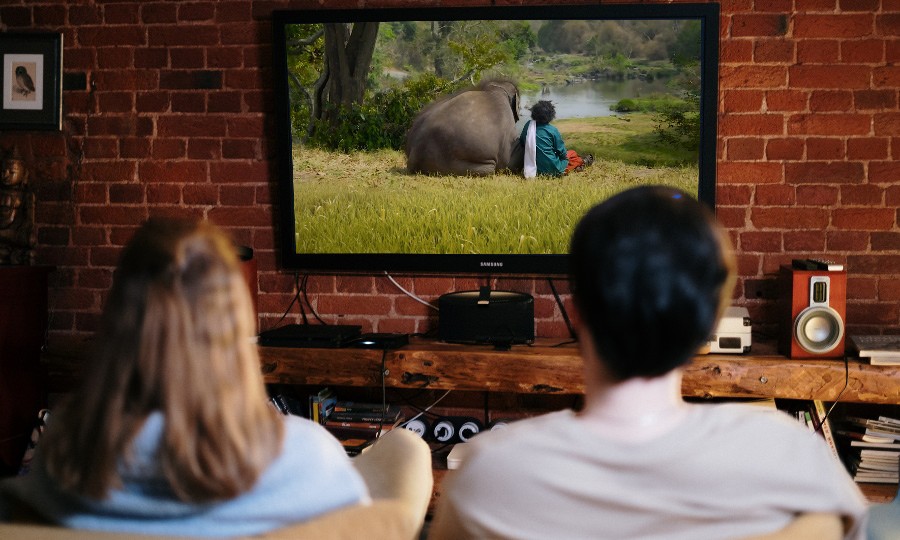
The Elephant Whisperers

The Elephant Whisperers takes us to the lush forests of Tamil Nadu in India, where an indigenous couple, Bomman and Bellie, care for orphaned baby elephants. This heartwarming documentary captures the couple’s deep connection to nature, and how they nurture a young elephant named Raghu. Their love, care, and commitment to these beautiful giants is a touching story about the bond humans can share with animals.

The Feel-Good Factor:

This documentary is a pure joy for animal lovers and anyone who enjoys stories about nature. Bomman and Bellie’s dedication to the elephants shows how compassion and responsibility can make a difference! Their journey is emotional, and viewers often find themselves rooting for Raghu’s survival and happiness. The beautiful landscapes and heartfelt moments make this documentary a peaceful escape.

Watch If You Like: Animal stories, nature, cultural heritage, and conservation stories.

Becoming

Becoming takes us behind the scenes of Michelle Obama’s 2018 book tour, giving us an up-close look at her journey from Chicago to the White House and beyond. The film digs deep into Michelle’s personal stories, her growth, and the impact she has on people across the country. This documentary shares inspiring insights into her life and the communities she reaches.

The Feel-Good Factor:

Michelle Obama’s story is one of hope, inspiration, and breaking barriers. The documentary portrays her warmth, strength, and humility, allowing viewers to see her in a different light. It also captures the positive impact she has on people, especially young women who look up to her as a role model. The documentary celebrates self-discovery, ambition, and the importance of connecting with others.

Watch If You Like: Inspirational stories, modern icons, and personal growth narratives.

The Speed Cubers

The Speed Cubers is a charming documentary that follows two rivals in the world of competitive speedcubing, the art of solving a Rubik’s cube in record time. The film centers on Max Park and Feliks Zemdegs, two champions who share a friendly rivalry and an incredible bond. Max, who has autism, finds joy and accomplishment in speedcubing, with Feliks as both his idol and close friend.

The Feel-Good Factor:

This documentary portrays the beautiful friendship between Max and Feliks and the sportsmanship and kindness that brings them together. It’s refreshing to see competition fueled by friendship and mutual respect rather than rivalry. Max’s parents also open up about how speedcubing has helped their son find a community and purpose. The film is both heartwarming and inspiring.

Watch If You Like: Stories of friendship, competition, and overcoming personal challenges.

My Octopus Teacher

In My Octopus Teacher, filmmaker Craig Foster documents his incredible friendship with an octopus he encounters while diving off the coast of South Africa. Over the course of a year, he visits the same kelp forest daily to observe and learn from this extraordinary creature. What unfolds is a stunning narrative of connection, trust, and wonder.

The Feel-Good Factor:

My Octopus Teacher offers a calming escape into the beauty of the underwater world. Craig’s bond with the octopus is unexpected and heartwarming, and it highlights the intelligence and personality of this fascinating animal. This documentary is both educational and emotional, revealing a message about the interconnectedness of all living beings.

Watch If You Like: Nature documentaries, animal behavior, and stories of unlikely friendships.

Miss Americana

In Miss Americana, pop icon Taylor Swift takes viewers on a journey through her career highs and personal lows, pulling back the curtain on the pressures of fame, media, and personal growth. The documentary explores her journey from being America’s sweetheart to finding her own voice on important social and political issues. It’s an honest, behind-the-scenes look at how Swift learns to embrace her own identity and stand up for her beliefs, even when it means facing backlash.

The Feel-Good Factor:

Miss Americana is a powerful story of self-discovery. Watching Swift shed the pressures to be “perfect” and learn to accept herself and her flaws is both inspiring and relatable. Her journey to find her voice and use it as a change, sends a strong message of courage, making this documentary thought-provoking.

Watch If You Like: Celebrity documentaries, stories of self-empowerment, and behind-the-scenes looks at fame.

Concluding Note

These feel-good documentaries mentioned above offer a breather. They let us slow down, reflect, and appreciate the beauty of human connections, personal growth, and the wonders of nature.

So, next time you are in need of some uplifting content, these five documentaries on Netflix are here to remind you of the good in the world.

Grab some popcorn, find a cozy spot, and let these incredible stories brighten your day!

Loading

Is Slow Travel the Future of Travel?

0

Do you know there’s a new travel trend?

Where everything else in the world seems like they are speeding up, travel is somehow becoming a slow race.

Think about it—we rush from one landmark to the other, barely being able to sit at one spot and observe and absorb the beauty of the existing scene. You can totally relate to this, right?

I guess once in life, we have all felt like we a needed vacation right after a vacation. This need for a slower, more meaningful travel experience is growing and it sure has a name attached to it too! They call it: slow travel.

But what is slow travel, exactly? And why are so many people saying it can be the future of travel? Let’s find out in the sections below:

Helping You Understand Slow Travel

To help you best understand, slow travel is about quality over quantity. It’s like taking a shift from the fast-paced world of packed itineraries to staying at one place longer and encouraging you to take your time.

Think of visiting a small village, renting a little cottage there, shopping at the local market, and getting to know the daily lives of the locals. This versus ticking off the top ten tourist attractions. Which do you think sounds more ideal?

So, this is slow travel in a nutshell. It’s travel without the rush, the crowds, or the stress. It’s travel that feels more like living.

Why is Slow Travel Becoming Popular?

More and more travelers are turning to slow travel, and there are a few reasons why. Here are some of the main factors:

Searching for a More Meaningful Experience

When you are constantly on the move, it is hard to feel like you have experienced a destination in its true essence. Slow travel is about meaningful experiences, where you can connect with the local people, customers, and lifestyles. It is about building memories not just collecting pictures.

Burnout from Fast-Paced Lifestyles

The modern world is exhausting. Between work, family responsibilities, and constant notifications, many of us feel like we are always on the go. And, fast travel can add to that feeling of burnout, especially with crowded airports, long lines, and packed schedules. On the other hand, slow travel offers a way to unwind and actually recharge.

Pandemic-Influenced Mindset

The COVID-19 pandemic changed the way people think about travel. With lockdowns and restrictions, people had to slow down and focus on exploring nearby locations rather than far-off destinations. This shift helped many realize the joy of spending quality time in one place, making slow travel even more appealing.

How Does Slow Travel Look in Practice?

female solo traveling in india
Image Courtesy: Rachel Dscouza

Here are a few popular ways travelers embrace this slow travel:

Extended Stays

One of the easiest ways to try slow travel is by staying in a single location for a longer period, whether it’s a week, a month, or even longer. Instead of hopping from city to city, slow travelers settle into a place and get to know it deeply.

Living Like a Local

Many slow travelers prefer to rent apartments or homes instead of hotels. This lets them shop for groceries, cook meals, and live a bit like the locals. It’s also a great way to save money and feel more at home in a new place.

Taking Public Transportation or Walking

When you are rushing to see everything, you often rely on taxis or quick transit options. Slow travelers, on the other hand, prefer to walk, bike, or take public transportation. This allows them to experience the daily life of a place.

Learning the Language and Culture

Some slow travelers take language or cooking classes as well, attend local events, or even volunteer. This helps them to engage with the local community, making the experience even more memorable.

What are the Benefits of Slow Travel?

Now that we have covered the “what” and “why” of slow travel, let’s talk about the benefits. Why might slow travel be a better way to explore the world?

Forms Deeper Connections

When you stay in one place, you have the chance to get to know the locals, make friends, and learn about their way of life. These connections can turn a simple trip into an unforgettable experience.

Less Stress

Rushing from one spot to another can be exhausting. Slow travel helps you to move at your own pace, leaving plenty of time to relax and enjoy the journey. No more worrying about missing flights or booking last-minute tickets!

More Memorable Experiences

Instead of just seeing the sights, slow travelers often have more memorable experiences because they engage with the place in a deeper way. Whether it’s joining a local event, trying a local dish, or learning a few phrases in the local language, slow travel creates lasting memories.

Environmental Benefits

Yes, slow slow travel has environmental benefits as well. Travelers stay in one place for longer periods, they typically fly less and leave a smaller carbon footprint. They also tend to support local businesses more, which boosts the economy of the place.

Cost Savings

It might seem counterintuitive though, slow travel can be cheaper than fast-paced travel. Renting a place for a longer period can be more affordable than booking multiple hotels, and cooking your own meals saves on dining expenses. Also, spending less on transportation means more money to spend on experiences.

Is Slow Travel Right for You?

Slow travel isn’t for everyone. Some people love the excitement of fast-paced trips, and there’s nothing wrong with that! But if you are looking for a way to make travel feel more relaxing, then slow travel might be worth trying.

Ask yourself these questions to see if slow travel is a good fit for you:

  • Do you feel rushed or stressed during your vacations?
  • Are you looking for a deeper connection to the places you visit?
  • Do you enjoy immersing yourself in new cultures and learning about local life?

If you answered “yes” to these questions, slow travel might just be the perfect travel style for you!

Conclusion

Slow travel is about moving away from the rush and embracing a slower, more meaningful way of exploring the world. It allows us to truly connect with the places we visit, make lasting memories, and travel more sustainably.

In a world where everything seems to be getting faster, slow travel offers a refreshing alternative. It’s not just a trend, but a mindset, one that just might shape the future of travel. So, are you ready to slow down and see the world differently?

Loading

Feel the Earth, Heal Yourself: The Surprising Benefits of Grounding

0

Have you ever walked barefoot on the grass and felt instantly calm? Or how about a stroll on the beach that leaves you feeling refreshed and happy?

There’s something soothing about connecting with the Earth directly. This practice is called grounding, or simply “earthing.” 

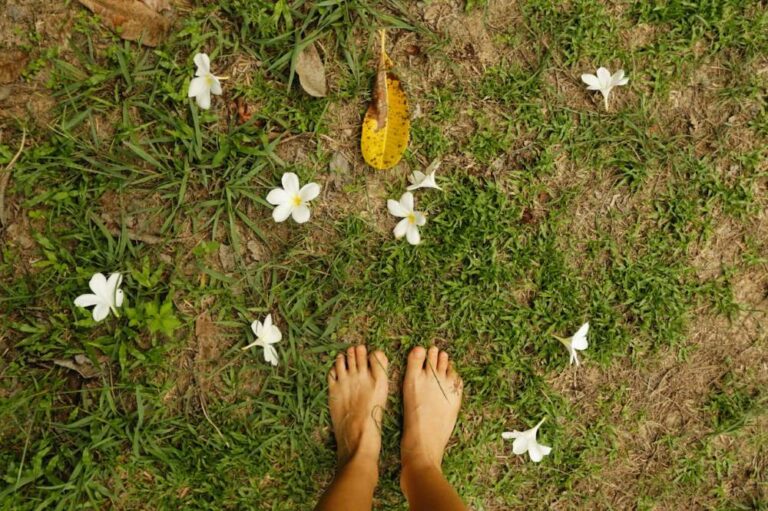
Walking barefoot on grass, sand, or dirt connects us to the Earth’s energy. This connection offers surprising benefits for our body and mind.

Let’s explore how grounding works and why you should give it a try.

What Is Grounding?

In simple terms, grounding means reconnecting with the Earth by touching the ground with your bare feet.

When you walk, sit, or lie on natural surfaces like grass, sand, or dirt, your body comes in contact with the Earth’s natural energy. 

This connection helps balance the electrical charge in your body. It’s a simple process that only needs bare feet and some time outside—no special gear required.

But why does this matter?

The Science Behind Grounding

Our bodies carry electric charges. When we weveryday life, things like the synthetic surfaces we walk on, electronic devices, and Wi-Fi signals create a positive charge in our bodies. 

While that might sound okay, too much of this charge can make us feel stressed, tired, and even a little “off.” 

Grounding helps us “release” this charge by connecting us to the Earth’s negative ions.

When these negative ions from the Earth flow into our bodies, they neutralise the excess positive charge. 

Think of it as hitting the “reset” button on your body’s natural energy. And no, you don’t have to believe in magic for this to work—scientific studies have shown that grounding can positively impact our health.

The Benefits of Grounding

After that experience, I researched grounding and discovered its many benefits. Here are some of the most common benefits:

1. Reduces Stress and Anxiety

We all know that feeling of stress—a racing heart, shallow breathing, and a mind full of worries. 

Grounding, however, helps us calm down. By connecting to the Earth, we can reduce levels of cortisol, the “stress hormone.” Studies show that grounding can significantly lower cortisol, bringing a sense of relaxation.

So next time you’re feeling stressed, take a few minutes to stand barefoot on grass or sand. Let the Earth take away some of that tension.

2. Improves Sleep Quality

Do you struggle with sleep? 

Grounding may help. 

Many people report better sleep after spending time connecting with the Earth. By balancing the body’s energy, grounding can calm the nervous system and help our minds wind down.

In another study, participants who practised grounding slept deeper and felt more rested. It’s a natural way to help your body relax before bed. 

Try sitting outside barefoot for a while before heading inside for the night, and see if it makes a difference.

3. Boosts Immunity

Our immune systems work hard to keep us healthy. 

When we’re under stress, however, our immune system can weaken, making us more susceptible to illness. 

Grounding can give our immunity a little boost by reducing inflammation and helping our bodies recover faster.

Imagine walking on a forest trail, feeling the cool soil beneath your feet. 

Studies suggest that this direct connection with nature could help reduce inflammation, a key factor in many chronic diseases. 

For anyone with a busy lifestyle, grounding may offer a simple way to keep the immune system strong.

4. Improves Mood and Mental Clarity

Life can be overwhelming at times. Our minds get clouded with tasks, worries, and to-do lists. 

Grounding offers a way to clear out the mental clutter. When we’re connected to the Earth, our brains can recharge and reset, helping us feel lighter and more focused.

Remember that beach walk I mentioned in the intro? 

We always feel relaxed as we walk through these sandy beaches, isn’t it?

What makes beaches more special is the sea itself. There is another phenomena known as the Blue Mind Theory, which tells about the calmness we feel when we walk by a water body.

So, this makes beaches twice peaceful.

Not just beaches, but a quick barefoot walk in the park or backyard might help you feel more grounded in your thoughts, too.

5. Reduces Pain and Inflammation

Grounding has also been linked to pain relief. In a few studies, people dealing with chronic pain, like arthritis, found relief after regular grounding sessions. This benefit may come from the anti-inflammatory effects grounding has on the body.

While grounding isn’t a substitute for medical treatment, it can certainly add another layer of support.

How to Start Grounding

If you’re interested in trying grounding, here are some simple ways to get started:

1. Walk Barefoot Outside

This is the easiest and most direct way to ground yourself. Find a patch of grass, dirt, sand, or even concrete (as long as it’s not sealed), and walk barefoot. Aim for at least 10-15 minutes.

2. Sit Outside

If walking isn’t your thing, sitting works too! Find a comfortable spot, take off your shoes, and let your feet touch the Earth.

3. Sleep on a Grounding Mat  

Grounding mats are a popular option for people who want to ground themselves indoors. These mats mimic the Earth’s electric charge and allow you to ground while you sleep or work at your desk.

4. Try Grounding While You Meditate

For an even more calming experience, combine grounding with meditation. Find a quiet place outside, sit or lie down, and focus on your breathing. This can enhance the calming benefits of both practices.

Grounding Tips and Cautions

While grounding is generally safe, it’s important to take a few precautions:

  • Be Aware of Your Surroundings: Make sure the area where you’re grounding is free of sharp objects or debris.
  • Avoid Synthetic Surfaces: Concrete and tiles work, but synthetic surfaces like rubber or plastic do not allow grounding to work effectively.
  • Take It Slow: If you’re new to grounding, start with a few minutes each day and gradually increase the time.

Embrace the Earth, Feel the Change

Grounding may not solve all our problems, but it does offer a gentle, natural way to connect with the Earth and improve our well-being. In a world full of noise, screens, and synthetic surfaces, grounding provides a simple escape back to nature. 

So, the next time you’re feeling stressed or need a break, kick off your shoes and let the Earth do its magic.

Feel the cool grass beneath your feet, breathe in the fresh air, and notice how your mind starts to calm. Who knows? That simple act might just bring you the peace you’ve been searching for.

Loading

Zero-Waste Living: A Minimal Approach to a Sustainable Life

0

India currently generates more than 60 million tons of waste each year.

The numbers are truly shocking.

Urban areas around the world are speedingly taking up enormous amounts of resources, ranging from oil and electricity to construction materials, which feed the expanding economy. 

In a world increasingly filled with waste, the zero-waste movement has emerged as a simple, yet powerful way of living that prioritizes sustainability.

The idea is straightforward—minimize the amount of trash by rethinking how we consume. It’s a lifestyle that encourages reducing, reusing, recycling, and composting to the fullest extent possible. Zero-waste living is about being mindful of the waste we generate and finding ways to cut it out, piece by piece.

While it might sound overwhelming at first, zero-waste living is less about perfection and more about progress. It’s about taking small steps toward a more sustainable lifestyle.

Let’s explore what zero-waste living looks like in practice, and how you can start applying it in your daily life.

Core Principles of Zero-Waste Living

The zero-waste lifestyle revolves around five simple principles, often referred to as the “5 Rs”:

  1. Refuse: Say no to items you don’t need, especially single-use plastics like straws, plastic bags, and disposable cups. By refusing unnecessary items, you can avoid waste before it even enters your life.
  2. Reduce: Cut back on the things you do need. This can mean buying in smaller quantities, consuming less, or opting for durable, long-lasting products instead of cheap, disposable ones.
  3. Reuse: Choose products that can be reused over and over. This might involve switching to cloth bags, glass jars, or stainless steel water bottles.
  4. Recycle: Recycling is crucial for materials that can’t be reused. However, it should come after reducing and reusing since not all items can be recycled, and recycling still consumes resources.
  5. Rot: Compost organic waste like food scraps and yard clippings to keep them out of landfills.

These principles form the foundation of zero-waste living, and they can be applied in every aspect of life—from grocery shopping to how we clean our homes.

Why Does Zero-Waste Matter?

The world produces a staggering amount of waste. Every year, we generate around 2 billion metric tons of municipal solid waste, and much of this ends up in landfills or polluting our oceans. This waste contributes to environmental degradation, from the plastic islands floating in the sea to overflowing landfills leaching chemicals into the soil.

Zero-waste living aims to tackle this problem at its source. By consuming less and rethinking our approach to everyday items, we can reduce our environmental footprint and help protect the planet for future generations.

Simple Ways to Start Your Zero-Waste Journey

It’s easy to feel overwhelmed by the idea of going zero-waste, but it doesn’t have to be an all-or-nothing lifestyle. Here are a few simple ways to ease into the transition:

1. Bring Your Own Bags and Containers

One of the easiest ways to reduce waste is to start bringing your own reusable bags and containers. Whether you’re shopping for groceries, grabbing a coffee, or ordering takeout, bringing your own containers helps cut down on single-use plastic.

Example: If you’re used to using plastic bags at the grocery store, switch to cloth or canvas bags. You can also bring mesh produce bags for fruits and vegetables, and glass jars for bulk items like grains, nuts, or spices.

2. Switch to Reusable Water Bottles and Cups

Disposable plastic water bottles are a major contributor to waste. Instead of buying bottled water, invest in a reusable stainless steel or glass water bottle. The same goes for coffee cups. Many cafes now offer discounts if you bring your own reusable cup.

Example: Instead of grabbing a disposable cup for your daily coffee, bring a reusable one from home. Not only are you cutting down on waste, but you might even save money with the discount some places offer.

3. Rethink Your Wardrobe

Fast fashion is notorious for creating waste, both in the production process and in the disposal of clothes. Consider buying second-hand or investing in high-quality pieces that will last longer.

Example: Before you buy a new shirt, ask yourself if you really need it. If you do, consider checking thrift stores or clothing swaps first. You can also opt for brands that prioritize sustainable and ethical production practices.

4. Buy in Bulk

When possible try to buy items in bulk to reduce packaging waste. Many stores now have bulk sections where you can fill your own containers with items like grains, nuts, or even cleaning supplies.

Example: Instead of buying pre-packaged rice in a plastic bag, bring a glass jar to the bulk section and fill it up. You’ll reduce waste and often save money.

5. Compost Organic Waste

Food scraps and yard waste don’t belong in landfills. When organic material is thrown away, it breaks down without oxygen and releases methane, a potent greenhouse gas. By composting your food scraps, you can turn them into rich, nutrient-dense soil instead.

Example: Start by keeping a small compost bin in your kitchen. You can compost things like fruit and vegetable peels, coffee grounds, and eggshells. If you have space, set up a compost bin in your backyard, or look into community composting programs.

Bottom Line

Zero-waste living is about more than just reducing waste, it’s about living with intention and mindfulness. It encourages us to think about the long-term impact of our daily choices and to strive for sustainability in every aspect of our lives.

Loading

Declutter The Clutter! The Ultimate Wardrobe Decluttering Guide

A friend recently confided in me about their wardrobe woes, describing a closet situation that could only and only be compared to an explosion in a fabric factory. Clothes were spilling out with the enthusiasm of party-goers sneaking out of a packed club, accessories were tangled in what might as well have been a chaotic game of Twister, and shoes seemed to be staging a dramatic escape from their designated spots. If you are resonating with the situation, decluttering your wardrobe is necessary now! 

You are not alone. 

Many of us have experienced that soul-crushing moment when, despite a seemingly endless array of clothing, we stand opening our closet doors thinking, “I have nothing to wear.” It is as if the closet has conspired against us, hiding our favourite pieces beneath a mountain of fashion faux pas.

Decluttering a wardrobe can feel like a Herculean task, but it is also a golden opportunity to breathe new life into your fashion space. 

In this blog, I will guide you through my personal journey on how to declutter your wardrobe, transforming it from a disorganised jumble into a streamlined sanctuary of style. We are talking practical steps, a dash of humour, and maybe even a few fashion revelations. 

So, roll up those sleeves, get a cup of tea (or coffee, if that is your jam), and get ready to reclaim your closet and enjoy a more streamlined, stylish life. 

Why Decluttering Matters

You might wonder, “Why should I bother decluttering my wardrobe?” 

Well, let me paint you a picture. 

A cluttered closet not only makes it harder to find what you are looking for at the very right moment but can also dampen your fashion spirit. Ever had those mornings where you stand in front of your closet and think, “I have nothing to wear,” despite having a closet full of clothes? 

Yes, I have been there! 

Decluttering is about more than just tidying up; it is about creating a space where every piece of clothing and accessory is something you genuinely love and wear.

A clutter-free wardrobe means you can actually see and appreciate your clothes rather than just rummaging through piles of “meh” items. Plus, it makes dressing up a lot more enjoyable when you are not wading through heaps of fabric to find your favourite shirt. The sense of relief and the rush of clarity that comes from an organised closet are well worth the effort.

How To Declutter Your Wardrobe: The Pre-Game

Before diving into how to declutter your wardrobe, it is essential to set yourself up for success. Here is how I get into the decluttering zone:

Set Clear Goals

First things first, to declutter your wardrobe, set specific goals for your decluttering journey. 

For me, it was about creating a more functional and visually appealing closet. 

Decide what you want to achieve: fewer items, more space, or perhaps a better organisation system. Knowing your style goals will guide your decision-making process and keep you focused on what you want to accomplish.

For instance, my goal was to reduce my wardrobe by at least 30% and create more space for my growing accessories collection. Setting clear, attainable goals helps you stay motivated and measure your progress throughout the decluttering process.

Gather Your Supplies

You will need a few essentials: large bags or boxes for donations, a full-length mirror, and a glass of wine for those tough decisions (just kidding, but seriously, a drink might help). Having everything ready will make the process smoother and less overwhelming.

Make sure to have sturdy bags or boxes on hand to sort out items you no longer want. A full-length mirror is crucial for trying on clothes and assessing whether they still fit or suit your style. 

And if you are feeling particularly brave while decluttering your wardrobe, a friend or family member can offer a second opinion and help you make those tough choices.

The Decluttering Process

Now, onto the fun part – how to declutter your wardrobe! 

Here is the step-by-step process that transformed my closet from chaos to chic.

1. Empty The Closet

Empty wardrobe
Photo by pixelshot

First things first, start by taking everything out of your closet. 

Yes, literally everything. 

Lay it all out where you can see it—on your bed, floor, or even in a spare room. This might seem overwhelming, but trust me, it is a crucial step. It is easier to see what you have and make decisions when it is all laid out before you.

Removing everything from your closet allows you to evaluate each item with a fresh perspective. You might rediscover some old favourites or realise just how many duplicates you have. Seeing everything together can be an eye-opener and help you make more informed decisions about what to keep.

2. Asses Each Piece

to keep or not to keep
Image by pixelshot

Now comes the moment of truth. 

Take each item and ask yourself, “Do I love it? Do I wear it? Does it fit well?” 

If the answer is no, it is time to part ways. 

I like to use the “yes” or “no” pile method, where I have two piles: keep and donate or sell. This helps in making quick decisions and keeps the process moving.

Decluttering your wardrobe can be challenging, as it can be difficult to let go of clothes that hold sentimental significance or are expensive, but remember, this is about making space for pieces that you truly enjoy and wear. If you have not worn something in the past year or it does not fit your current style, it is probably time to say goodbye.

3. Try Things On

Try dresses
Photo by Dean Drobot

I know it is time-consuming, but knowing what to keep and what to remove needs a trail. I am sure you do not want to give away an expensive piece you might not have known was lying in your closet and flawlessly fits well! 

There might be pieces in my wardrobe that you last wore ages ago, and trying them on was a real eye-opener. 

Sometimes, I realised that what once fit perfectly now looked outdated or did not suit my current style. Trying on clothes helps you see what works and what does not, making the decision to let go a little easier.

Trying on clothes in the decluttering of your wardrobe process is also an excellent opportunity to reassess your style. 

You might find that certain items no longer align with your current fashion preferences. Use this chance to evaluate how each piece fits into your current wardrobe and style.

4. Organise And Arrange

Organise clothes

Once you have decided what to keep, it is time to put it all back in an organised manner. Group similar items together—shirts with shirts, pants with pants. I also like to arrange by colour for an aesthetically pleasing look. Invest in some stylish storage solutions like clear bins or fabric baskets to keep things tidy and easily accessible.

Creating a logical and visually appealing arrangement in your closet can make a huge difference. Consider using slim hangers to maximise space and adding shelf dividers or drawer organisers for smaller items. An organised closet not only looks good but also makes it easier to find what you need quickly.

5. Donate Or Sell

Donate to Charity
Photo by by halfpoint

The final step in decluttering your wardrobe is to deal with the items you are parting with. Donate items that you no longer wear to local charities, or you can sell them on online platforms. This way, you are not just clearing space but also giving these clothes a second chance to be loved by someone else.

Rather than keeping it unused, giving away the pieces to people in need is better and will also help you gain a rewarding experience. 

It is a great way to make sure that your clothes find a new home where they will be appreciated. Plus, you can make extra cash from selling items you no longer need.

If you have come this far, it is also crucial to understand that after organising your closet, it must not go back to the old form. To do that, you must know how to maintain your essential clothing line behind the doors. 

Maintaining Your Newly Decluttered Wardrobe

Decluttered Wardrobe
Photo by Rachel Claire from Pexels

So, you have successfully decluttered your wardrobe! Congratulations! 

But how do you keep it that way? Here are a few tips that have worked wonders for me:

1. One-In, One-Out Rule

For every new item you add to your wardrobe, make sure to remove an old one. 

This keeps your closet from becoming overcrowded and ensures that each piece you own is something you truly need or love.

Implementing the one-in, one-out rule is a great way to maintain balance in your wardrobe. It helps avoid accumulating unnecessary items and keeps your closet organised and functional.

2. Regular Check-Ins

Set a reminder to revisit your wardrobe every few months after you have decluttered your wardrobe. It is easy for clutter to creep back in, so regular check-ins help you stay on top of things. Even a quick 10-minute tidy-up can make a big difference.

Regular check-ins help you stay mindful of your wardrobe’s condition and prevent it from becoming cluttered again. Schedule a quick review every few months to keep things in order and address any new clutter that may have accumulated.

3. Seasonal Updates

At the start of each season, evaluate what you have and what you need. 

This helps out you to stay organised and ensures that your wardrobe remains functional and up-to-date with current trends and weather conditions.

Seasonal updates allow you to adjust your wardrobe based on changing weather and trends. Take inventory at the beginning of each season to ensure you have the essentials and make any necessary adjustments.

If this seems like a hectic procedure or you need more time, you can also get some professional help. 

Professional Home Organising Helping Hand

Professional organising services can offer a lifeline for those who find themselves juggling a hectic schedule or simply feel overwhelmed by the thought of tackling a decluttering of the wardrobe alone. 

If the idea of spending hours sorting through clothes and accessories feels daunting or is not feasible amidst your busy routine, online professional organising can be the perfect solution.

Online professional organising services to declutter your wardrobe provide the flexibility to work around your schedule, offering personalised strategies and support right from the comfort of your home. Whether you need a complete wardrobe overhaul or just some expert advice on maintaining order, these virtual and in-home services can help you achieve a clutter-free space with minimal disruption to your day.

  1. Bless The Mess
  2. Joy Factory
  3. Sort Story Organising Services
  4. Organise With Ease
  5. Methodize Organise
  6. Clutter Free Now

Bottom Line

And there you have it—a comprehensive guide on how to declutter your wardrobe. I hope my journey inspires you to tackle your own closet chaos with confidence and maybe even a little bit of fun. Remember, a well-organised wardrobe makes getting dressed a breeze and allows you to truly enjoy and appreciate the pieces you own.

So go ahead, take the plunge, and embrace a clutter-free closet. You will be amazed at how much more stylish and serene your daily life can be with a little less clutter and a lot more clarity. Your future self will thank you for it.

Now, go forth and declutter with gusto! Your stylish, serene wardrobe awaits.

Frequently Asked Questions (FAQs) 

  • How often should I declutter my wardrobe?

I recommend doing a thorough decluttering at least twice a year—once in the spring and once in the fall. This helps keep your wardrobe fresh and relevant to your current style and needs.

  • What should I do with clothes that are in good condition but no longer fit me?

Donate them to a local charity or NGO, sell them through online sources, or consider giving them to friends or family. Clothes in good condition deserve a second life!

  • How do I decide which items to keep and which to let go?

 Ask yourself if you love the item, if it fits well, and if you have worn it recently. It might be time to say goodbye if it does not make you feel fabulous or has not been worn in a year.

Here are 6 essential wardrobe staples every woman should own.

  • Can decluttering really make a difference in how I feel about my wardrobe?

Absolutely! A well-organised wardrobe can reduce stress, make getting dressed easier, and help you feel more confident and in control of your style.

  • What are some quick tips for maintaining a decluttered wardrobe?

Adopt the one-in, one-out rule, do regular check-ins, and make seasonal updates to keep your wardrobe organised and functional.

Loading

Understanding the Mind-Blowing World of Neuroscience

It’s bizarre! That’s what you think when you hear words like neuroscience, right?

Let us talk more about it because something so interesting and engaging can actually be easier to understand than it seems. Neuroscience isn’t just for scientists in labs, it’s something we experience every day. From remembering where we left our phone to feeling excitement before a big event, our brain is constantly at work.

It’s the study of how our brain shapes our thoughts, emotions, and actions that’s as relevant to our daily lives as it is fascinating! In this article, we’ll explore how the brain works, how it shapes who we are, and some incredible facts. You don’t need a Ph.D. to appreciate how mind-blowing it all is.

The Brain: Your Body’s Supercomputer

Super computer

Your brain is the center of your body, working like a supercomputer made of billions of nerve cells called neurons. These neurons communicate with each other through tiny electrical impulses and chemical signals, controlling breathing, heartbeat, emotions, and reasoning.

The average human brain contains around 86 billion neurons. That’s more than the number of stars in the Milky Way galaxy! Now, these neurons don’t work in isolation. They form networks, where one neuron might connect with thousands of others. This web of connections is how your brain processes information and reacts to the world.

Memories: More Than Just Storage

Memories

We often think of memory as a library where we store facts and experiences. But it’s way more dynamic! Our brain doesn’t store everything in one place. Instead, memories are scattered across different areas and pieced together when you need them.

  • Memories are fragmented: Every part of a memory is stored in different regions—sights, smells, emotions
  • Reconstruction in action: When you remember, your brain is essentially solving a puzzle!
  • Memories can be biased: Ever argue with someone over how an event went down? That’s because our emotions influence what we remember.

Think back to a holiday trip. You probably remember the sights, but how about the way the air smelled or the food tasted? Different parts of your brain are responsible for those details!

Emotions: Why You Feel What You Feel

Emotions
Image by Alexas_Fotos

Ever wondered why your heart races when you’re scared or why you feel joy when you see a loved one? That’s your brain managing emotions like a master conductor. The limbic system, particularly the amygdala, is in charge of processing emotions—both good and bad.

  • Fight or flight: When you’re scared or stressed, the amygdala kicks in, making your heart race and hands sweat.
  • Dopamine hits: When you’re happy or enjoying something, your brain releases dopamine, making you feel good.
  • Emotional memory: The brain doesn’t just store facts—it also stores how those moments felt!

Remember your last job interview? Sweaty palms, rapid heartbeat? That was your amygdala reacting to the stress. Now, think about the last time you hugged someone you love—that rush of joy? Dopamine at work!

The Brain’s Superpower

Brain’s Superpower
Image by TheDigitalArtist

One of the most amazing things about the brain is its ability to change, adapt, and learn, which is called neuroplasticity. Your brain is not fixed! It’s always rewiring and adjusting based on new experiences, learning, and even healing.

  • Learning rewires the brain: Every time you pick up a new skill, like cooking or playing an instrument, your brain forms new connections.
  • Recovery after injury: If one part of your brain is damaged (like after a stroke), other areas can take over and compensate.
  • The more you practice: The stronger the connections become. That’s why repetition is key!

Think about when you learned to ride a bike. It probably felt awkward at first, but after a few tries, your brain adjusted and created strong connections so you could do it effortlessly.

Sleep: Your Brain’s Cleaning Crew

sleep; your brain cleaning crew
Photo by Ron Lach

Sleep is not just about rest, it’s like a cleaning service for your brain. While you’re off dreaming, your brain is actively clearing out toxins that build up during the day, helping you stay sharp and healthy.

  • Memory consolidation: When you sleep, your brain organizes and strengthens the memories you make during the day.
  • Clearing out toxins: The brain’s glymphatic system flushes out harmful substances, like a nightly deep clean.
  • Lack of sleep: Ever feel foggy after a bad night’s sleep? That’s because your brain didn’t get enough time to clear out the clutter.

Ever notice how things seem clearer after a good night’s sleep? That’s your brain doing its “housekeeping,” and it’s why sleep is essential for feeling sharp and focused.

Everyday Neuroscience: Why It Matters

manage brain

From emotional responses to learning new things, understanding how the brain works can help us appreciate and improve our mental well-being.

  • Stress management: Understanding how your brain responds to stress can help you find better ways to cope (hello, deep breathing!).
  • Boosting memory: Want to remember things better? Sleep and repetition are your best friends.
  • Learning new skills: Whether it’s a new hobby or language, your brain’s plasticity makes it possible—practice strengthens those connections.

The Brain’s Endless Possibilities

Whether you’re recalling a memory, feeling an emotion, or learning something new, it’s your brain at work, adapting, and evolving. And while science can be complex, the way it plays out in our daily lives is something we all can relate to.

Next time you forget where you left your keys, feel a rush of excitement, or struggle with learning something new, just remember that you’re witnessing the wonders of neuroscience.

Loading