North Kolkata is a charming and historic part of the city.
Its narrow lanes, the ageing buildings and its bustling street, provide you with a unique glimpse of Kolkata’s rich past.
North Kolkata has a lot to offer its visitors, from traditional markets, to serene ghats, to beautiful temples and hidden gems that capture the essence of old-world Kolkata.
As a photographer, I myself have spent many weekends walking down these charming lanes and exploring this part of the city.
In this guide I would be taking you on a journey through the lanes of North Kolkata and unravelling some of the must visit places easily accessible by metro or local train.
1. Kumartuli – Where Art Comes to Life
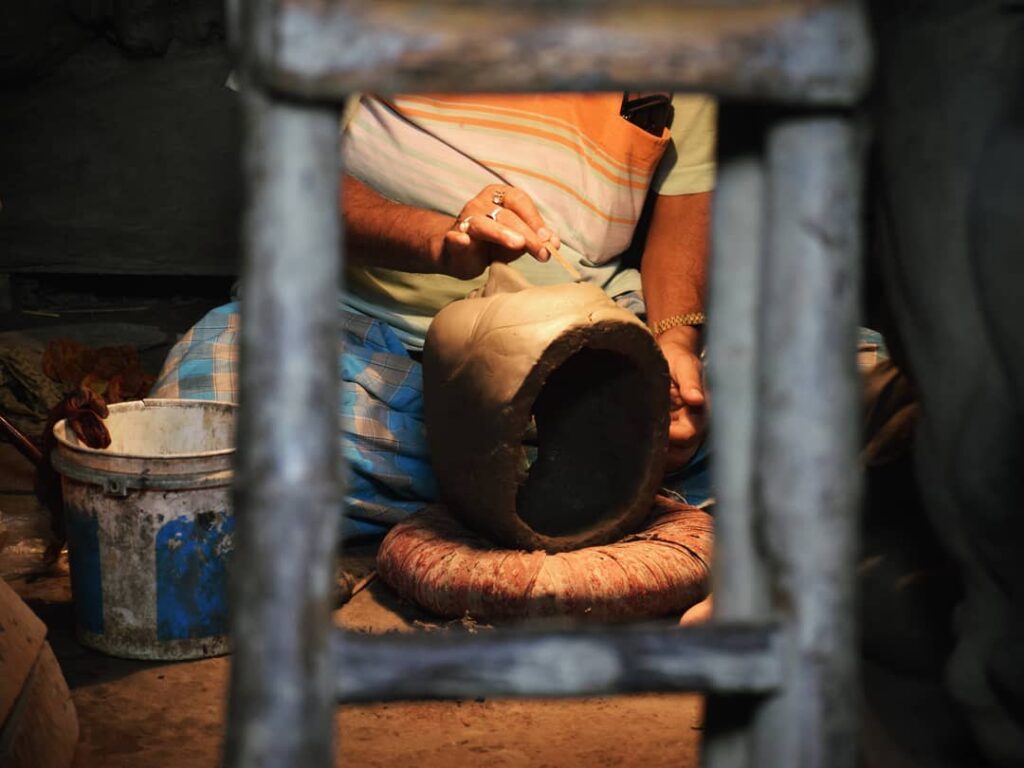
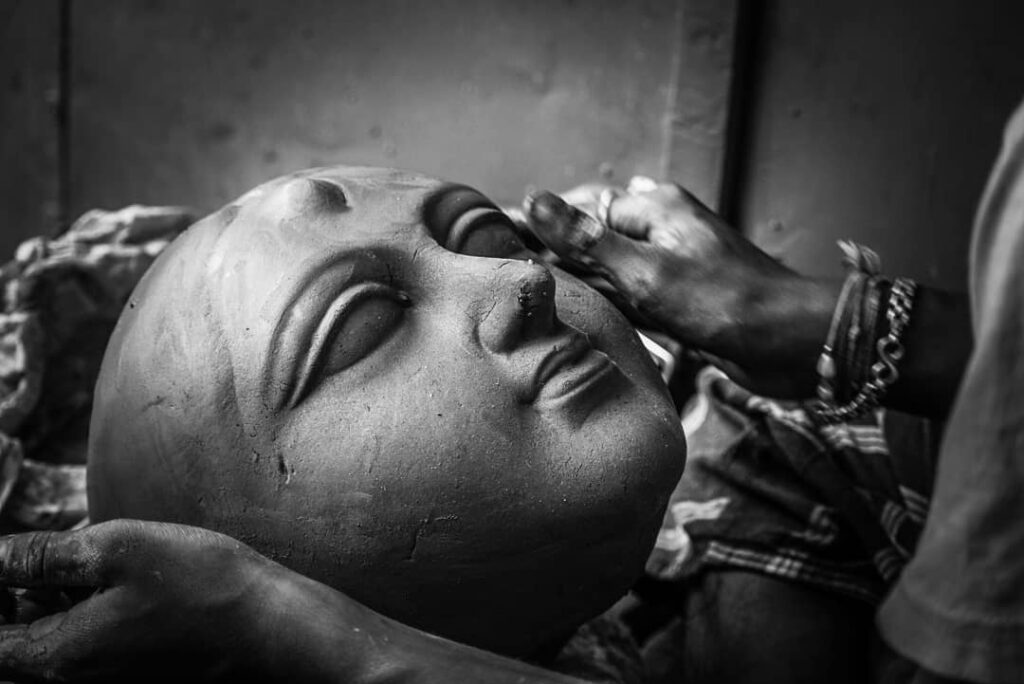
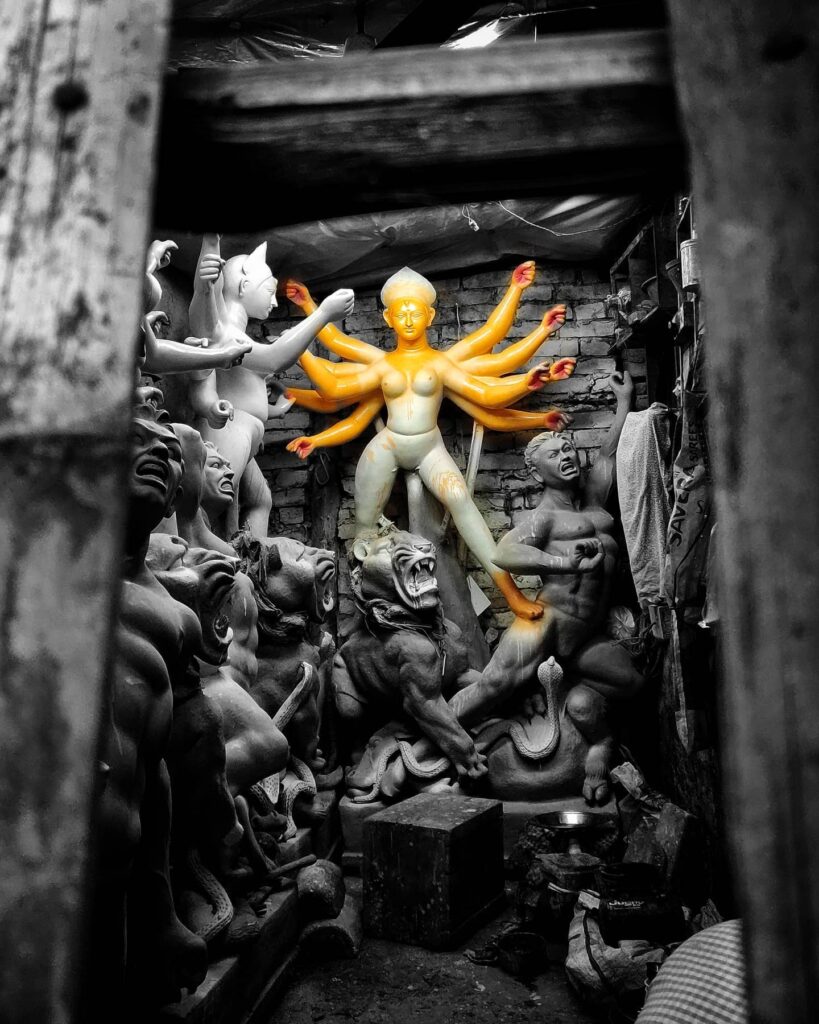
Kumartuli is where the magic happens during Durga Puja. It’s the place where artisans create beautiful clay idols that are worshipped across Kolkata, many parts of India.
As a photographer, I’m always drawn to the narrow lanes where these idols come to life. You can feel the energy and creativity in the air. These artists, called kumors, have been perfecting their craft for generations.
If you’re visiting around September or October, Kumartuli is a must-see.
There used to be a ticket if you are planning to capture photos, however, due to the growing popularity of this place all over Instagram, photographers flocked from all the parts of the city just before Mahalaya and that led to disturbance of the artisans’ works and thus photography was stopped last year. Not sure what they will do this year though.
After exploring the Kumor pada, you can head to Kumartuli ghat and enjoy a beautiful sunset, sipping a hot tea in a clay cup.
One of my all-time favourite spots is the Marble Palace. The first time I visited, I was struck by the sheer splendour of the place.
This 19th-century mansion, created by Raja Rajendra Mullick, blends Eastern and Western styles beautifully. A visit to this gem will take you back in time.
The mansion is filled with stunning marble work, unique art, and even has a small private zoo.
There’s no entry fee, but the collection could be better lit and kept cleaner. Overall, the museum is a fascinating place and definitely worth seeing.
I like visiting this place, and for a book lover it’s a paradise.
Did you know that?
This 1.5-kilometer stretch in Kolkata is renowned for being the world’s largest repository of second-hand books and India’s largest book market.
Ask for a book and you will get it. The better your bargaining skill is, the better the price you will get.
This place features a mix of small book stalls and large, established bookstores.
And don’t miss visiting the coffee house, not to grab a cup of coffee, but for the classic, vintage atmosphere and the chance to soak in a piece of Kolkata’s literary history.
Nearest Metro: Mahatma Gandhi road
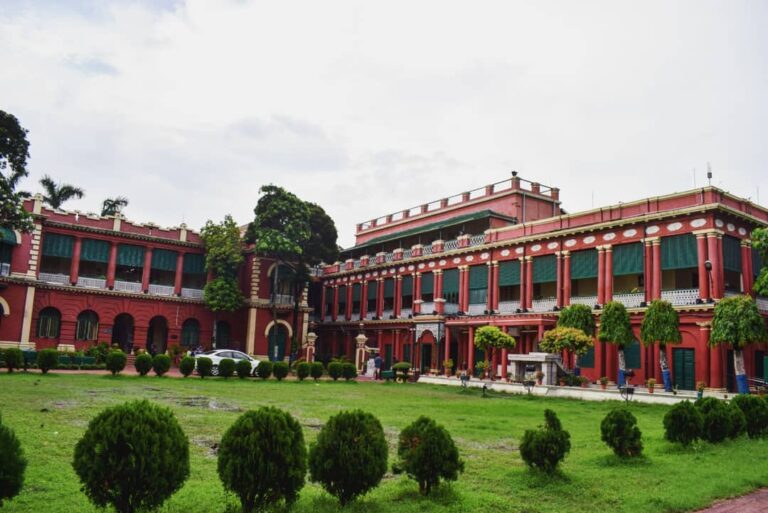
4. Jorasanko Thakur Bari – Walking in Tagore’s Footsteps
Jorasanko Thakur Bari, the historic home of Rabindranath Tagore, is a heritage site, a museum, and a tribute to his family’s literary contributions.
I had explored this magnificent piece of Kolkata’s history several times. The entry fee is ₹30, you can do photography only in the courtyards, for which they will charge you ₹50.
The museum is open from 10:30 am to 5:00 pm, but it’s closed on Mondays and government holidays.
As you walk through, you’ll hear soft Tagore music and see rooms that tell the story of his life and achievements.
The museum has a variety of displays, including international collections from China, Japan, America, and Hungary, showing how Tagore’s influence spread worldwide.
One highlight of the visit is the light and sound show, which begins at 6:30 pm and costs ₹50. This show beautifully illustrates the history and legacy of the Tagore family, enhancing your overall experience.
Nearest Metro: Girish Park
5. Dakshineswar Kali Temple – A Peaceful Escape
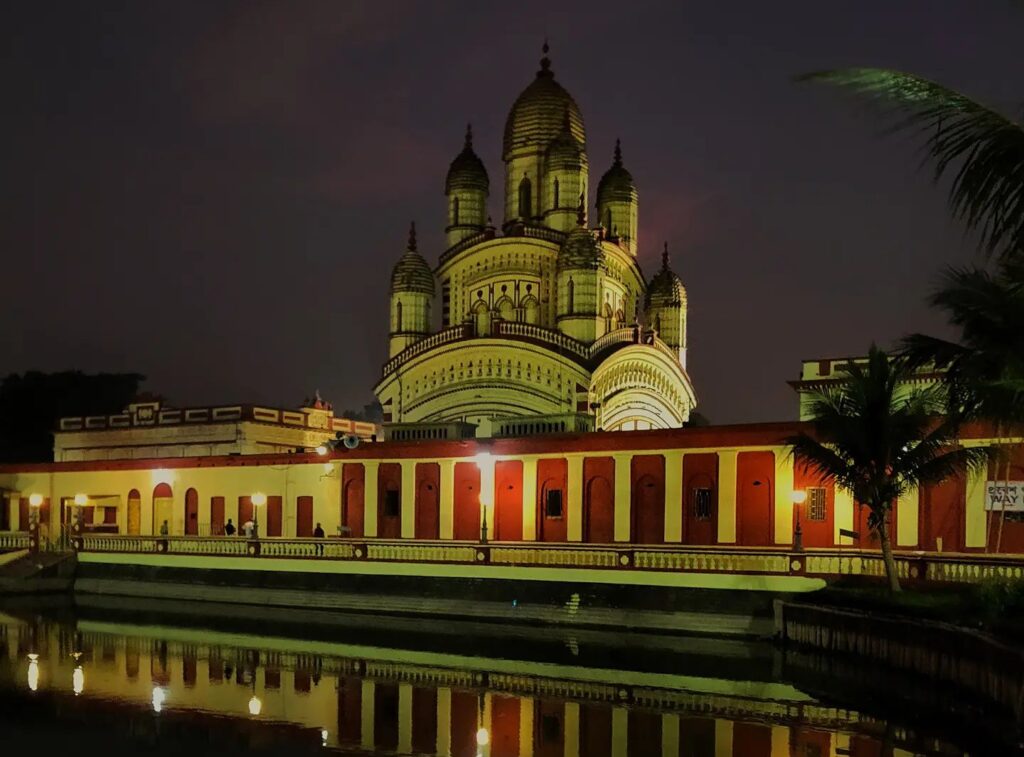
The Dakshineswar Kali Temple is one of those places where I find peace every time I visit.
This is one of the most well maintained temples in Kolkata. Built in 1855 by Rani Rashmoni, this temple is dedicated to the goddess Kali.
The temple has a series of twelve identical Shiva temples. These temples are built in classic ‘Aat Chala’ Bengal style with striking white and black stone.
In the same temple complex you will find the Vishnu Temple, located to the northeast of the complex. It’s also known as Radha Kanta’s Temple. The original Krishna idol, which was damaged, is also kept in a nearby room.
The temple is open daily from 6:00 am to 12:30 pm and again from 3:30 pm to 7:30 pm.
Whether you’re looking for spiritual solace or just a peaceful place to reflect, Dakshineswar Temple offers a serene escape
If you like photography or exploring history, I recommend walking through the lanes of Pathuriaghata, a quiet area that still retains much of its old-world charm.
The place is perfect for taking pictures, with details like beautiful ironwork on balconies and vibrant bougainvillaea. It’s not a well-known spot, so you can enjoy discovering its hidden charm.
Rabindra Sarani truly represents the essence of North Kolkata.
As you stroll down this street, you’ll notice a striking contrast between the lively street scene and the timeworn charm of the old buildings.
The area is bustling with life, yet the buildings around you have a faded elegance, with peeling paint, rusty gates, and vintage signboards that whisper tales of the past.
For anyone into photography, this street offers a rich tapestry of textures and colours. The worn-out facades and old architecture create a visually captivating backdrop.
It’s a place where history seems to linger in every corner, offering a unique perspective on the city’s heritage.
Whether you’re a local or a visitor, Rabindra Sarani provides a vivid snapshot of Kolkata’s past and present, making it an ideal spot for exploring and capturing the essence of the city.
Nearest Metro: Shyam Bazaar
8. Pareshnath Jain Temple – A Must-Visit in North Kolkata
Located just 2 km from Kolkata Railway Station on Badridas Temple Street is Pareshnath Jain Temple. It is also known as Calcutta Jain temple.
Built in 1867, the temple complex includes four main shrines: Shitalnath Temple, Chandraprabhuji Temple, Mahavir Swami Temple, and Dadawadi & Kushal Maharaj Temple.
The main shrine has a diamond-studded statue of Sri Shitalnath Ji. The temple adorned beautiful marble carvings, mirrors, and chandeliers, with a lamp burning continuously since its opening.
This place is a perfect blend of spirituality and architectural beauty. Take a moment to sit in the temple complex and enjoy the peace and tranquillity.
You can explore the temple in the morning, from 6 AM to 11 AM, or in the evening, from 3 PM to 7 PM.
Nearest Metro: Shyambazar/ Shobhabazar
Final Thoughts
North Kolkata is more than just a place; it’s an experience. It’s where the past and present coexist, where every corner has a story to tell.
As a photographer who likes exploring new places, I’ve found North Kolkata to be a source of endless inspiration; a place where every visit offers something new, yet familiar.
Whether you’re a history buff, or someone looking to capture the essence of Kolkata through your lens, North Kolkata will leave you with memories that last a lifetime.
So, pack your bags, grab your camera, and set out to explore the hidden charms of North Kolkata. You won’t be disappointed.
Ladakh, often referred to as “The Land of High Passes,” is a region that sits high in the northernmost part of India, nestled between the towering Himalayas and the rugged Karakoram mountain range.
The region with stark landscapes, crystal-clear lakes, and ancient monasteries, is nature’s raw beauty.
Geographically, Ladakh is located in the northernmost part of India, Leh, is one of the most sought-after destinations for travellers seeking both adventure and peace.
The region is known for its breathtakingly dramatic terrain.
Imagine barren mountains capped with snow, blue lakes reflecting the sky, and valleys that stretch endlessly under a vast, blue dome.
Why is Ladakh a must-visit?
I was fortunate to visit my dream destination, Ladakh, a place that had been calling out to me for years.
The moment I set foot in this land of stark contrasts, I knew it was more than just another trip; it was an adventure of a lifetime.
Ladakh is not just a destination; it’s an experience that stays with you long after you’ve left. So read this guide for those who are planning to explore this beautiful piece of land.
A Bit of Ladakh’s History
Ladakh, with its towering mountains and serene landscapes, is a place where history whispers through the winds and echoes off the ancient monastery walls.
Once a major crossroads on the ancient Silk Route, Ladakh was where traders from Tibet, Central Asia, and India exchanged not just goods, but cultures and ideas.
Imagine caravans of yaks laden with treasures, winding their way through these high mountain passes bringing silk, spices, and stories from distant lands.
The ancient kingdom of Ladakh, founded around the 9th century, was ruled by the Namgyal dynasty, which left a lasting legacy of art, architecture, and Buddhism. The majestic Leh Palace, standing tall over the town, is a testament to this era, a token of Ladakh’s royal past.
Ladakh is not just about its stunning landscapes; it’s a place where the culture and traditions run deep.
Influenced heavily by Tibetan Buddhism, the region is home to some of the most ancient monasteries.
This blend of nature’s grandeur and spiritual tranquillity makes Ladakh a destination that leaves an indelible mark on every traveller.
These gompas, with their fluttering prayer flags and golden statues, are places where time seems to stand still, where the chants of monks blend with the winds that sweep down from the mountains.
As you will stand there surrounded by these tall himalayan mountains, you will feel a deep connection to the richness of this land of Ladakh is not just a place.
Best Time to Visit Ladakh
Choosing the right time to visit Ladakh can make your trip truly special. After my visit in April, I realised how each season in Ladakh brings something unique, turning the place into a new and amazing experience every few months.
Summer (June to September)
This is the most popular time to visit Ladakh. The snow has melted, and the roads from Manali and Srinagar open up, making it easier to travel.
The weather is pleasant, with warm days perfect for exploring. The landscape is full of life, deep blue skies, and the stunning blue lakes.
Don’t worry you will still get to see snow capped mountains and snows in high altitude passes with occasional greeneries.
This is the season where tourists flocked in so you can expect it to be crowded as this is the best time to experience Ladakh’s natural beauty.
Spring (April to May)
If you prefer a quieter time, like I do then April to May might be for you.
This is when I visited, and the weather was still a bit chilly, with snow on the higher passes..
There are fewer tourists, so you can enjoy the peace and quiet, frozen lakes and the snow-capped peaks against the clear sky make for some breathtaking views.
Autumn (September to October)
September to October is the time when the region starts to get colder and the crowds start to thin out.
So for this another great time to visit. It’s a fantastic time for taking photos, with the colours of the landscape creating a beautiful contrast., offering a more relaxed experience.
Winter (November to February)
If you are adventurous, then winter is the best time to experience Ladakh. Ladakh turns into a snowy wonderland, with temperatures dropping well below freezing, even going below -30 degrees in some regions.
The famous Chadar Trek on the frozen Zanskar River is a highlight of this season. While it’s very cold, the snowy landscape is incredibly beautiful. Flight is the only way to reach Ladakh during winter as roads get closed due to winter.
Other than Spiti Valley, Ladakh is another popular destination for snow leopard treks. These treks usually take place during the winter season, from December to March, when the snow leopards are more visible in the region.
In short, the best time to visit Ladakh depends on what you’re looking for—whether it’s the lively summer, the quiet spring, the colourful autumn, or the snowy winter. Each season shows you a different side of Ladakh, making it a place worth visiting at any time of the year.
How to Reach Ladakh?
Getting to Ladakh is part of the adventure. Whether you choose to fly over the mountains or ride through some of the world’s most scenic routes, reaching Ladakh is an experience you won’t forget.
Here’s how you can make your way to this stunning destination.
By Air:
Flying to Ladakh is the quickest and most convenient way to reach this remote region. The main airport is Kushok Bakula Rimpochee Airport in Leh, which connects Ladakh to major cities like Delhi, Chandigarh, Mumbai, and Srinagar.
As I was travelling from Kolkata, I reached Delhi and took a flight from there, and as the plane began its descent, I was greeted with a view that left me speechless—snow-capped peaks stretching as far as the eye could see, with the town of Leh nestled in a valley below.
The flight is an experience in itself, as you get a bird’s-eye view of the majestic Himalayas.
Once you land in Leh, you’ll notice the air is thin due to the high altitude, so it’s important to take it easy for the first two days to acclimatise.
By Road:
If you have more time and a taste for adventure, riding your bike or driving to Ladakh is an option you might want to consider.
There are two main routes:
1. Manali-Leh Highway:
This route is a favourite among bikers and road-trip enthusiasts.
The journey takes you through some of the most beautiful and rugged landscapes in India, including the famous Rohtang Pass and Baralacha La.
The road opens up in late May or early June and remains accessible until October. The drive is challenging, with rough terrains and high altitudes, but the views are absolutely worth it.
Each bend in the road reveals a new panorama—one moment you’re surrounded by lush green valleys, and the next, you’re in the middle of a stark desert landscape.
2. Srinagar-Leh Highway:
This is another scenic route that offers a slightly smoother drive compared to the Manali-Leh Highway.
The road passes through the beautiful Kashmir Valley, crossing the Zoji La Pass before entering Ladakh.
The journey takes you through stunning landscapes, including the Drass Valley, known as the second coldest inhabited place on Earth.
The highway opens in May and remains accessible until November.
Both these routes are well-travelled by those who love road trips, and there are plenty of spots to stop along the way for a cup of tea or grab a maggie or even to just take in the views.
If you choose to drive, be prepared for an adventure, as the roads are challenging and the journey can be long, but the reward is an unforgettable experience.
By Train:
There’s no direct train to Ladakh, you can take a train to the nearest railway stations in Jammu Tawi or Pathankot, and then continue the journey by road.
From these stations, you can hire a taxi or take a bus to reach Leh, but be ready for a long drive, as it takes about two days to reach Ladakh from these points.
No matter how you choose to reach Ladakh, the journey is an experience in itself, setting the tone for the incredible sights and experiences that await you in this magical land.
Acclimatisation in Ladakh: A Crucial First Step
When you first arrive in Ladakh, the thin mountain air and high altitude can be quite a change. Acclimatizing is essential to ensure a smooth and enjoyable trip.
Ladakh sits at elevations ranging from 2,500 to 5,500 metres above sea level.
At these heights, the oxygen levels are much lower than what you’re used to at sea level. Without proper acclimatisation, you might experience symptoms of altitude sickness, such as headaches, nausea, dizziness, and shortness of breath.
Taking the time to acclimatise helps your body adjust to the lower oxygen levels and reduces the risk of these symptoms.
How to Acclimatise?
When you arrive in Ladakh, especially if you’ve come from a lower altitude, give yourself at least a couple of days to adjust. Keep yourself limited to lighter activity for the first 24-48 hours.
Drink plenty of water to keep yourself hydrated. The dry, high-altitude air can quickly dehydrate you, so regular water intake is crucial. Avoid alcohol and caffeine as they can increase dehydration.
Opt for light, easily digestible meals. Heavy or rich foods can be harder to digest at high altitudes. Stick to simple, balanced meals to keep your energy levels steady.
Allow your body time to rest. If you start feeling symptoms of altitude sickness, such as a headache or mild nausea, take it easy. Resting helps your body adjust and recover.
Be aware of your body’s signals. If you experience severe symptoms of altitude sickness, such as persistent headaches, vomiting, or difficulty breathing, seek medical attention immediately. In such cases, descending to a lower altitude is the best solution.
Places to Explore in Ladakh
Ladakh is like a treasure chest, filled with wonders that surprise and inspire at every turn. During my journey, I was fortunate to explore some of the most breathtaking spots in this region, each one offering something unique and unforgettable.
Here’s a glimpse into the places that left a mark on my heart and might do the same for you.
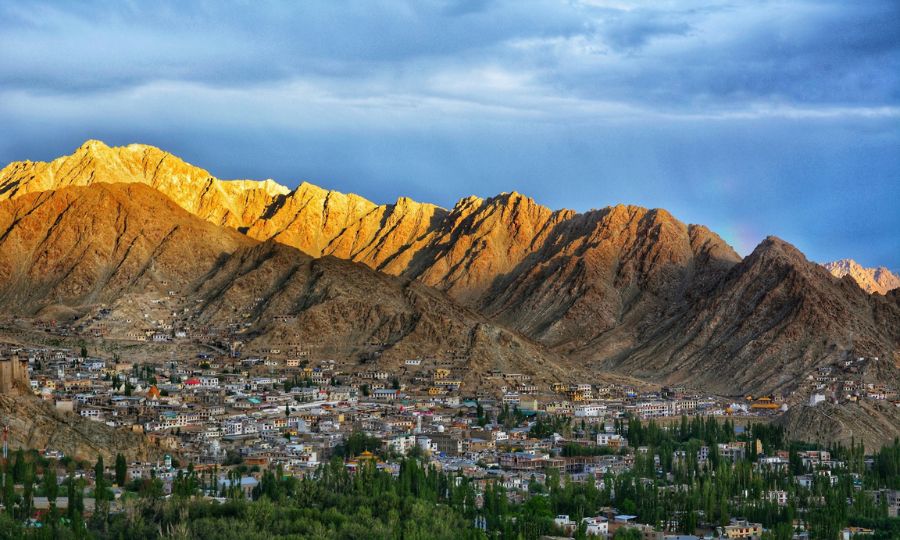
Your adventure in Ladakh will likely start in Leh, whether you are coming by road or air.
With its mix of bustling markets and ancient monasteries, Leh has a charm that’s hard to put into words.
Wandering through the streets of Leh, I was struck by the bustling local markets. You’ll find everything from colourful scarves and traditional crafts to delicious local snacks. It’s a great place to immerse yourself in the local culture and pick up a few souvenirs.
Leh city itself is packed with interesting spots to explore. Here’s a guide to some of the best places within Leh city that you should visit:
1. Leh Palace
At the top of your list should be Leh Palace. This 17th-century palace, built by the Ladakhi royal family, provides stunning views of the city and the surrounding mountains.
As you wander through its ancient corridors and climb to the rooftop, you’ll be rewarded with a panoramic vista of Leh and the Himalayas. The palace’s architecture and historical artefacts give a glimpse into the royal past of Ladakh.
2. Shanti Stupa
The Shanti Stupa is a must-visit for its serene atmosphere and breathtaking views. Situated on a hilltop, this white-domed stupa offers one of the best vantage points in Leh.
Whether you visit in the morning or at sunset, the peaceful ambiance and the sweeping views of the city and surrounding landscapes are truly special.
The Leh Market is where you can dive into local life. This bustling area is full of shops selling everything from traditional Ladakhi crafts and jewellery to delicious local foods.
Stroll through the market to experience the vibrant colours and lively atmosphere, and perhaps pick up a souvenir or two.
The market has lots of food stalls where you can find cuisines not only from Ladakh but from all around India.
5. Namgyal Tsemo Monastery
Namgyal Tsemo Monastery is a smaller but significant site in Leh. Located on a hill behind the Leh Palace, this monastery offers a quieter atmosphere and spectacular views of the city and surrounding mountains.
The monastery’s simple, yet beautiful, structure and the panoramic view make it a peaceful retreat.
6. Central Asian Museum
The Central Asian Museum in Leh is a great place to learn about the region’s rich history and culture. The museum’s exhibits include artefacts, textiles, and photographs that tell the story of Ladakh’s past, including its connections to the Silk Road and its cultural exchanges with Central Asia.
7. War Memorial
The Leh War Memorial is a meaningful tribute to the soldiers who have served and sacrificed their lives for India. Located on a hill near Leh, it’s a place of reflection and respect.
As you visit the memorial, you’ll find a well-kept area with neatly manicured gardens and inscriptions honouring the brave men of the Indian Army.
The memorial commemorates those who fought in various conflicts, including the battles in Ladakh.
Walking through the memorial, you’ll see plaques detailing the stories and sacrifices of these soldiers. The calm, solemn atmosphere provides a space for quiet contemplation. The panoramic views from the memorial also offer a fitting backdrop to this tribute.
Once you are done exploring Leh, you can start exploring the nearby places in Leh.
Spituk monastery is one of Ladakh’s prominent monasteries and offers a deep dive into the region’s Buddhist heritage.
This 11th-century monastery, also known as Pethup Gompa, is a treasure trove of spiritual and historical significance.
One of the standout features of Spituk is the giant Kali statue, which is unveiled during the annual Gustor Festival. If you’re lucky enough to be there during the festival, you’ll witness this impressive statue and the lively celebrations that come with it.
Spituk Monastery, now part of the Gelug or Yellow Hat sect of Tibetan Buddhism, houses around 100 monks. As you explore the monastery, you’ll also want to check out the museum on the premises. It’s filled with ancient masks, antique arms, and numerous thangkas (Buddhist paintings), offering a deep dive into the region’s rich heritage.
The history of Spituk Monastery goes back to the 11th century, founded by Od-de, the elder brother of Lha Lama Changchub Od. Legend has it that when Lotsewa Rinchen Zangpo visited, he predicted the rise of an “exemplary” religious community here. The name “Spituk” reflects this prophecy. Originally a Red Hat institution, Spituk was later taken over by the Yellow Hat sect in the 15th century.
Distance from Leh: 10 Km
3. Indus Viewpoint: A Panoramic Delight
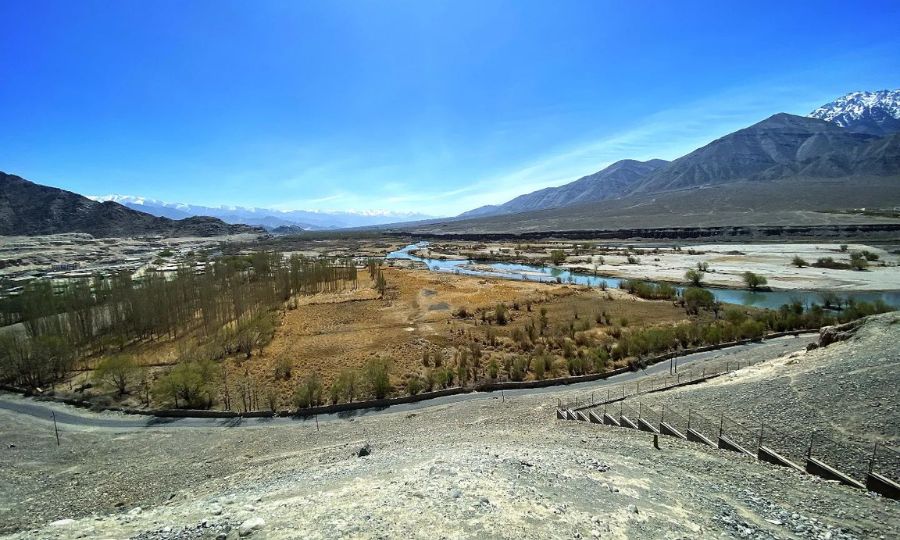
The Indus Viewpoint offers one of the most breathtaking views in Ladakh. When you visit, you’ll be treated to a panoramic vista of the Indus River winding through the valley, flanked by rugged mountains and barren landscapes.
Standing at the viewpoint, you’ll see the river’s meandering path as it cuts through the valley, creating a striking contrast with the stark, arid terrain.
The view is especially beautiful in the morning light, when the sunlight reflects off the river and the mountains take on a warm, golden hue.
For me, the Indus Viewpoint was a moment of awe.
Distance from Leh: 11 km
4. Gurudwara Pathar Sahib: A Sacred Stop
Gurudwara Pathar Sahib is a must-visit site when you’re in Ladakh, located about 25 kilometers from Leh. This Sikh shrine is steeped in history and spiritual significance.
The legend of Gurudwara Pathar Sahib adds a fascinating dimension to your visit.
It is said that Guru Nanak Dev Ji, the founder of Sikhism, visited this area during his travels. A local demon, angered by the Guru’s presence, rolled a massive boulder towards him, intending to crush him. Miraculously, the boulder took the shape of Guru Nanak, protecting him. When the demon tried to kick the boulder, his footprint was left imprinted on it, and the boulder got stuck. Recognizing his wrongdoing, the demon asked for forgiveness, and the boulder remained as a symbol of divine intervention.
In addition to its spiritual and historical significance, Gurudwara Pathar Sahib offers a warm and welcoming tradition of langar. If you visit during lunchtime, you can enjoy a delicious and divine meal served here.
Distance from Leh: 25 kms
5. Magnetic Hill
Just after covering Gurudwara Pathar Sahib, you will come across Magnetic Hill. This spot is famous for its optical illusion that makes it appear as though vehicles can roll uphill against gravity.
When you arrive at Magnetic Hill, you’ll notice the road’s slight incline and the surrounding landscape. The phenomenon is best experienced by parking your vehicle in the designated area and watching as it seemingly moves uphill on its own.
While it’s not actually magnetic, the optical illusion creates the effect of a slope, making it a fun and fascinating experience.
I found it truly captivating to see how something as simple as an optical illusion could create such a memorable experience. The spot is perfect for taking quirky photos and enjoying a bit of playful wonder.
Distance from Leh: 30 kms
6. Sangam Point: The Meeting of Two Rivers
Sangam Point is located at Nimmu along the Leh-Srinagar highway.
Here, you’ll witness the remarkable confluence of the Indus River and the Zanskar River.
The Zanskar River, flowing from the Zanskar Valley in Ladakh, meets the Indus River at Nimmu.
The sight is truly spectacular as the muddy waters of the Zanskar River blend with the clearer waters of the Indus, creating a stunning visual contrast. This natural wonder offers a beautiful and memorable view for visitors.
Sangam Point is not only a great spot for nature lovers but also a popular river rafting destination. Adventure enthusiasts flock here to experience the thrill of rafting in these majestic waters.
When you visit Sangam Point, you’ll be treated to an extraordinary display of nature’s beauty and have the opportunity to engage in exciting river activities.
Basgo Gompa, also known as Basgo Monastery, is a historic site on the Leh-Srinagar highway. Perched atop a hill, this ancient monastery offers a unique insight into Ladakh’s rich history and spiritual heritage.
The monastery dates back to the 16th century and was once a crucial cultural and political center. It is particularly known for its impressive mud-brick structure, which has stood the test of time, despite the harsh climatic conditions of Ladakh. As you explore Basgo Gompa, you’ll find ancient murals and statues, including a large statue of Maitreya Buddha, which is the highlight of the monastery.
What makes Basgo Gompa special is not just its historical significance but also its stunning location. The monastery overlooks the Basgo plains, providing visitors with panoramic views of the surrounding landscape.
Climbing up to Basgo Gompa can feel tiring, just like with many other gompas in Ladakh. The steep path and high altitude add to the challenge, making each step a bit of an effort.
8. Khardung La: The Gateway to Nubra
After spending a few days in Leh, people usually go to Khardung La pass.
Situated at an altitude of 5,359 m (17,582 ft), it was once thought to be the World’s highest motorable pass. However, the highest motorable pass is actually Umling La, located in the southern part of Ladakh.
There is also a small monastery in the pass, known as Khardungla Gumpa.
Despite not being the highest, reaching at such phenomenal height is an achievement itself.
Reach here, snap a few pictures, grab a Maggi or tea if hungry and then move on. This scenic place is at a very high altitude, so lingering too long might lead to altitude sickness, causing headache, vomiting and the worst of all, it will make you miss the scenic views.
Khardung La is not just about the thrill of the journey; it’s also the gateway to Nubra Valley, a place that feels like another world entirely.
9. Milkha Point
Milkha Point got its name from the movie Bhaag Milkha Bhaag, where a portion of Farhan Akhtar’s training scenes was filmed.
In addition to its cinematic fame, Milkha Point is also known for its thrilling ATV rides. The ride costs around Rs 500, but it’s worth it. The excitement of zooming through the rugged terrain, surrounded by the stunning vistas of Nubra Valley, makes this spot a must-visit for adventure enthusiasts.
Diskit Monastery, the oldest and largest in Nubra Valley, instantly connects you with the spiritual essence of Ladakh.
The monastery sits high on a hill and offers awesome views. You can even get to see the Shyok River winding its way through the valley and big, rocky mountains in the distance.
Founded in the 14th century, Diskit Monastery is known for its serene atmosphere and there is also a giant statue of Maitreya Buddha that gazes over the Shyok river valley.
This statue is of 32-meter (106-foot) height and was inaugurated by the Dalai Lama on 25th July, 2010. According to Nophel, the statue was built with three main purposes: to protect Diskit village, to prevent further war with Pakistan, and to promote world peace.
Climbing up to Diskit Monastery was tiring, but the view was absolutely worth it. The steep steps make for a challenging ascent, but the sweeping views of Nubra Valley that greet you at the top are a reward like no other.
As you catch your breath, the calm beauty of the view and the peaceful atmosphere of the monastery give you a sense of peace that stays with you even after you leave.
11. Nubra Sand Dunes
Have you ever seen a desert in the mountains?
The Nubra Sand Dunes in Nubra Valley are exactly that!
Located near Hunder village, these vast, pale sand dunes stand out against the rugged mountain scenery.
When you think of a desert, you might picture brown sand and one-humped camels, but Hunder Sand dunes offer a strikingly different scene.
You’ll be amazed by the white sand and the unique two-humped Bactrian camels.
It’s hard to believe that a desert can exist at such a high altitude! Adding to the uniqueness are the double-humped Bactrian camels, which are specially adapted to withstand the cold, drought, and high altitudes.
Riding these Bactrian camels through the white sand dunes, with poplar trees scattered around, creates an unforgettable experience.
As the evening approaches and the barren mountains turn a deep crimson with the setting sun, you’ll enjoy the beauty of this extraordinary place.
12. Turtuk
Turtuk is a beautiful village in the northernmost part of India, located in the Nubra Valley of Ladakh. It’s situated about 205 kilometres from Leh, right along the Shyok River.
Turtuk was under Pakistani control until 1971, when it became part of India. This village has a rich history, and many visitors come to hear stories from the locals.
Because it’s close to the Line of Control between India and Pakistan, Turtuk is a military-sensitive area.
From here, you can see Pakistan’s bunkers and the Line of Control. It’s the last major village where tourists are allowed, and the views are truly remarkable.
You can enjoy the natural beauty, wildlife, and Himalayan adventure while you’re here.
To visit Turtuk, you need a Protected Area Permit (PAP). Indian citizens can get a permit valid for up to 3 weeks, while foreigners receive a permit valid for 1 week.
13. Thang Village
Thang village is the northernmost village in India, located right along the Line of Control (LoC) on the banks of the Shyok River. It’s situated a few kilometres beyond Turtuk, and to reach it, you’ll cross through Tyakashi Village.
To visit Thang, you need special permission from the Indian Army. Once you have the go-ahead, Thang is as far north as civilians are allowed to go. From this vantage point, you can see the LoC fence and the Pakistani territory across the river. The area around the fence and 100 metres on each side is classified as No Man’s Land.
One of the highlights of visiting Thang is the guided tour offered by a local, who will show you the LoC fence, Indian Army bunkers, and even Pakistani Army bunkers and flags on the surrounding peaks. The views and insights provided during this tour are quite revealing, and you’re allowed to take photos and videos, thanks to the Indian Army’s permission.
Thang Village itself is picturesque, with apricot, walnut, and apple trees dotting the landscape. The village is also a great spot to view the village of Phorbu across the LoC. Although visiting Thang is generally restricted to locals, the gradual opening of these areas to civilians reflects growing confidence and a potential for more areas to become accessible in the future.
No visit to Ladakh is complete without seeing Pangong Tso.
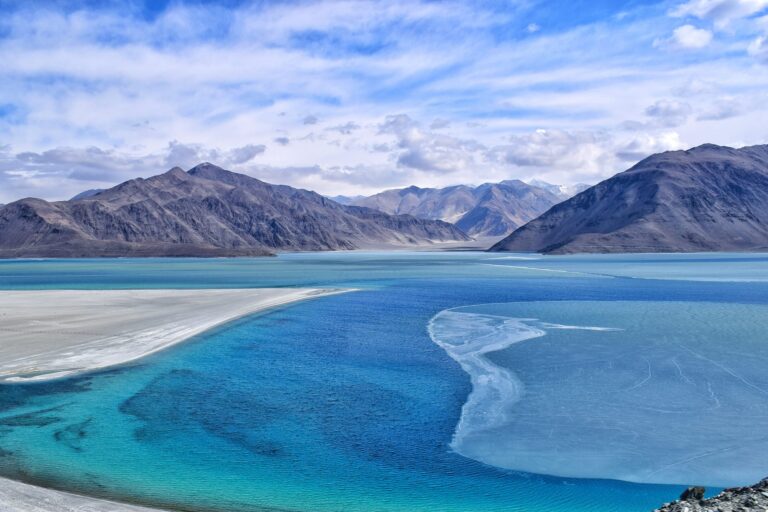
Pangong Tso is one of Ladakh’s most stunning natural attractions. This high-altitude lake stretches across 134 kilometres and extends from India into Tibet. Located about 160 kilometres from Leh, Pangong Tso is famous for its breathtaking beauty and unique colour-changing waters.
As you approach Pangong Tso, you’ll be struck by the lake’s incredible blue hues that seem to shift with the light. The stark, barren mountains surrounding the lake contrast sharply with the vibrant blue of the water, creating a mesmerising view. It’s no wonder this place is often called “the lake of many colours.”
The lake is a haven for photographers and nature lovers. Whether you’re enjoying a peaceful walk along the shore or simply taking in the views, Pangong Tso offers a serene escape from the hustle and bustle of daily life. During your visit, you might also spot some local wildlife, like migratory birds that visit the lake.
One of the best ways to experience Pangong Tso is to spend a night in one of the nearby camps. Waking up to the sight of the lake as the sun rises is truly magical. Despite the cold temperatures, the stunning scenery makes it worth the visit.
Pangong Tso is also famous for its role in the movie 3 Idiots, which brought the lake to the attention of many travellers. Whether you’re a film fan or simply a lover of natural beauty, this lake is a must-see on any trip to Ladakh.
There are restaurants and accommodation options near the lake, including camp stays that offer a comfortable experience. If you’re short on time, you start early from Leh and can also return on the same day.
15. Chang La Pass
If you are coming from Leh, then you need to cross this pass.
Chang La Pass is one of the highest motorable passes in the world, standing at about 5,360 metres (17,590 feet) above sea level. Located about 130 kilometres from Leh, it serves as a crucial route on the way to Pangong Tso from Leh.
As you drive towards Chang La, you’ll experience stunning panoramic views of the snow-capped mountains and vast valleys. The road to the pass is winding and steep, adding to the thrill of the journey. The pass is often covered in snow, making the landscape look like a winter wonderland.
At the top of Chang La, you’ll find a small army post and a makeshift café where you can warm up with some hot tea or coffee. This is a great spot to catch your breath and enjoy the breathtaking scenery.
The cold air and high altitude can be challenging, so it’s important to take it slow and stay hydrated.
16. Hanle
Hanle is a remote village in Ladakh, situated about 240 kilometres from Leh. It’s known for its stunning landscapes and serene environment. This village is one of the highest inhabited places in the world and is located at an altitude of approximately 4,500 metres (14,764 feet).
When you visit Handle, you’ll find yourself surrounded by vast, open spaces and breathtaking views of the Himalayas.
The area is renowned for its clear night skies, making it an excellent spot for stargazing. Hanle is also home to the Hanle Observatory, one of the highest astronomical observatories in the world.
The observatory is open for visitors and provides a unique opportunity to explore the night sky.
The drive to Hanle takes you through some of Ladakh’s most remote and picturesque landscapes. The journey is long but rewarding, with incredible views of mountains and valleys along the way.
Accommodation in Hanle is basic but comfortable, and it’s advisable to plan your trip well in advance, as the area is less frequented by tourists.
If you’re looking for an off-the-beaten-path destination with stunning natural beauty and excellent stargazing opportunities, Hanle is a perfect choice.
17. Umling La: The Highest Motorable Pass
Umling La is the highest motorable pass in the world, standing at an impressive altitude of 5,882 metres (19,024 feet). Located in Ladakh, it connects the remote areas of Chushul and the Aksai Chin region.
Officially opened to the public in 2020, this pass offers an unparalleled high-altitude experience.
Driving to Umling La is a remarkable adventure. The road to the pass is rugged and challenging, but the journey is incredibly rewarding.
The harsh climate and high altitude make the visit physically demanding, so it’s essential to be well-prepared and acclimatised
18. Kyagar Tso.
Kyagar Tso is a beautiful lake located in the remote area of Ladakh. During my visit in April, I was fortunate enough to experience this lake in its winter splendour. The lake was nearly frozen, with only patches of open water visible amidst a vast expanse of ice.
Kyagar Tso’s remote location makes it special, providing a peaceful and quiet atmosphere that’s rare to find
Tso Moriri is a beautiful high-altitude lake in Ladakh, located about 220 kilometres from Leh. During the months of May to September, the lake is surrounded by lush greenery and its deep blue waters create a striking contrast with the landscape.
During my visit in April, the lake was semi-frozen, with patches of ice still visible amidst the open water. The lake changes dramatically with the seasons, becoming fully frozen outside the warmer months. Whether it’s in its vibrant summer or serene winter state, Tso Moriri offers a unique and memorable experience.
Accommodation is available in Karzok, a village near the lake, but note that options are limited and not available during winter months.
20. Chumathang Hot Spring
Chumathang Hot Spring is a natural hot spring about 130 kilometres from Leh, on the route to Tso Moriri. When you visit, you’ll find a warm and relaxing experience amidst Ladakh’s rugged landscape.
The hot spring is renowned for its therapeutic properties. After a long day of travel, a soak in the mineral-rich waters will be incredibly soothing. The hot spring is surrounded by stark mountains and open plains, enhancing the serene atmosphere.
Take some time to unwind here and enjoy the beautiful views while soaking in the warm waters. Chumathang Hot Spring offers a peaceful break and a unique way to experience the natural beauty of Ladakh.
21. Puga Hot Spring
Puga Hot Springs, located about 170 kilometres from Leh in the Changthang Valley, is a must-visit for those intrigued by geothermal activity. The area is known for its hot sulphur springs, mud pools, and steaming vents. The hot springs are not only a geological marvel but also believed to help with skin conditions and rheumatism.
The surrounding landscape is breathtaking with rolling hills, snow-capped mountains, and colourful mineral deposits. It’s a fantastic spot for photography and nature walks. You might also spot some local wildlife, including Tibetan wild asses and marmots.
You may get a chance to interact with the Changpa nomads who live in this region and see their traditional way of life. To reach Puga Valley, you can drive from Leh, enjoying scenic views along the way. The best time to visit is from June to mid-September when the weather is pleasant, but you can explore the area from May to October.
22. Tso Kar Lake
Tso Kar Lake, nestled in the Rapshu region of southern Ladakh, is a must-see destination. Known as one of India’s prominent Ramsar sites, it attracts numerous birds and wildlife, including Tibetan Gazelles, Kiangs, and the black-necked crane. The lake’s setting among salt deposits gives it a unique appearance, often making it look white from a distance, hence the nickname ‘White Lake.’
The lake, while the smallest of Ladakh’s high-altitude lakes, offers a striking contrast with its bright blue waters against the backdrop of desert peaks. The size and depth of Tso Kar Lake fluctuate throughout the year, adding to its allure and ensuring that each visit provides a fresh experience. The surrounding marshes and salt flats make it a haven for birdwatchers and photographers alike.
Tso Kar Lake is less crowded compared to other popular spots, giving it a serene atmosphere. The shores are sometimes visited by local salt collectors, while the marshlands are frequented by various bird species and smaller animals like the Kiang and Tibetan Gazelle.
To reach Tso Kar Lake, travel approximately 153 kilometers from Leh via NH3. Hiring a car is the most convenient option, though bus services along the highway are also available. The best time to visit is during sunset, when the lake’s vibrant colors are at their most captivating. May and September are ideal months for a visit, offering pleasant weather and stunning views.
23. Hemis Gompa
Hemis Gompa is one of Ladakh’s most famous monasteries, situated about 45 kilometres from Leh. Founded in the 11th century, this monastery is a significant centre of Tibetan Buddhism and a must-visit for anyone exploring Ladakh.
It’s known for its grandeur, with stunning murals, intricate statues, and a massive 12-metre-high statue of Buddha, all housed within its walls.
As you approach Hemis Gompa, you’ll be greeted by the impressive entrance gate and the well-maintained courtyards. Inside, you can explore the various halls and chapels adorned with beautiful frescoes and ancient artefacts.
The monastery also hosts the annual Hemis Festival in June or July, which features vibrant dances, traditional music, and colourful costumes, making it a lively time to visit.
The surroundings of Hemis Gompa are equally breathtaking. Perched on a hillside, the monastery offers spectacular views of the surrounding mountains and valleys. The peaceful atmosphere here provides a perfect setting for reflection and appreciation of the serene environment.
To reach Hemis Gompa, you can drive from Leh, which takes about an hour. The journey offers scenic views of the rugged landscape and the Indus River.
Whether you are interested in the rich cultural heritage or simply looking to enjoy some peace, Hemis Gompa is a great destination to include in your Ladakh itinerary.
The monastery is located about 25 kilometres from Leh, It is a charming and historic monastery perched on a hill overlooking the Indus River. Founded in the 16th century by Chokyi Drakpa, a disciple of the famous scholar and lama, Stakna Gompa belongs to the Drukpa Kagyu sect of Tibetan Buddhism.
As you approach Stakna Gompa, you’ll notice its unique architectural style, which stands out against the surrounding landscape. The monastery’s whitewashed walls and colorful prayer flags create a striking contrast with the barren mountains and the river below. Inside, you can explore its small yet serene prayer halls and rooms adorned with traditional Thangkas (Buddhist paintings) and statues.
One of the highlights of visiting Stakna Gompa is the stunning panoramic view of the Indus River valley. The setting provides a peaceful retreat from the bustle of Leh and offers a great opportunity for reflection and solitude. The calm atmosphere of the monastery, combined with its historical significance, makes it a worthwhile stop on your Ladakh journey.
To reach Stakna Gompa, you can take a short drive from Leh. The scenic route along the river offers lovely views and makes the journey enjoyable. Whether you’re interested in history, architecture, or just want a quiet place to visit, Stakna Gompa is a lovely spot to include in your Ladakh itinerary.
Thiksey Monastery, situated about 19 kilometres from Leh, is one of the largest and most impressive monasteries in Ladakh. Perched on a hilltop, this 15th-century monastery offers stunning views of the surrounding valley and the Indus River.
The monastery, part of the Gelugpa sect of Tibetan Buddhism, is renowned for its striking architecture and vibrant murals. As you enter, you’ll be greeted by a series of prayer halls, each adorned with intricate Thangkas (Buddhist paintings), statues, and ancient relics. The main highlight is the massive Maitreya Buddha statue, which stands tall at 15 metres and overlooks the valley.
Exploring Thiksey Monastery provides a glimpse into the rich spiritual and cultural heritage of the region. The serene ambiance and panoramic views create a peaceful environment for visitors to reflect and appreciate the beauty of Ladakh. The monastery also hosts various religious ceremonies and festivals, adding to its cultural significance.
To reach Thiksey Monastery, you can easily drive from Leh. The journey offers scenic views of the landscape, making it a pleasant trip. Whether you’re interested in Buddhism, architecture, or simply enjoying the tranquil surroundings, Thiksey Monastery is a must-visit destination in Ladakh.
26. Alchi Monastery
Alchi Monastery, located about 70 kilometers from Leh, is a renowned Buddhist monastery known for its unique and ancient art. Unlike many other monasteries in Ladakh, Alchi is situated in the Alchi village, nestled along the banks of the Indus River.
Founded in the 10th century by the great translator Lotsawa Rinchen Zangpo, Alchi is famous for its well-preserved wall paintings and intricate carvings. The monastery is notable for its distinctive architectural style, which combines Tibetan and Indian influences. As you explore the complex, you’ll encounter beautiful murals depicting various Buddhist deities and scenes from Buddhist lore.
One of the main highlights of Alchi is its three main temples: Dukhang (Assembly Hall), Sumtsek (Three-Storey Temple), and the Manjushri Temple. Each temple features intricate artwork and statues that reflect the rich history and spiritual significance of the monastery.
Unlike many monasteries in Ladakh, Alchi is located in a lush, green area, providing a contrast to the arid landscape typical of the region. The peaceful setting and historical significance make Alchi Monastery a fascinating place to visit.
To get to Alchi Monastery, you can drive from Leh, which takes about 1.5 to 2 hours. The journey is scenic and offers views of the Indus River and the surrounding mountains. Whether you’re interested in art, history, or simply exploring the serene environment, Alchi Monastery is a valuable addition to your Ladakh itinerary.
27. Lamayuru Moonland
Located near Lamayuru Monastery, Moonland is a striking and surreal landscape that captivates every visitor. Often referred to as “Moonland” due to its resemblance to the surface of the moon, this unique area is a must-see during your trip to Ladakh.
As you approach Moonland, you’ll be greeted by an otherworldly terrain of arid, rocky hills and deep, rugged valleys. The landscape is characterised by its stark, moon-like appearance, with craggy formations and shades of grey, brown, and ochre that create a dramatic, almost alien scenery.
The name “Moonland” stems from its distinctive topography, which has been shaped over millennia by natural forces. The erosion of the land has resulted in a landscape that is both fascinating and beautiful, offering excellent opportunities for photography and exploration.
The area surrounding Moonland is equally captivating. The combination of barren hills and the distant backdrop of snow-capped peaks creates a picturesque contrast. The unique geological formations are not just a visual delight but also a testament to the region’s complex natural history.
To visit Moonland, you typically include it in your trip to Lamayuru Monastery. The drive from Leh takes about 4 to 5 hours, and the route itself offers stunning views of the Ladakh landscape. Once at Lamayuru, you can easily explore Moonland, as it’s located just a short drive away from the monastery.
In essence, Moonland provides a rare glimpse into one of Ladakh’s most unique and awe-inspiring landscapes, making it a highlight for anyone travelling through this extraordinary region.
28. Kargil
Kargil is a town located in the Kargil district of Ladakh, at an elevation of about 2,676 metres (8,776 feet).
Known for its pivotal role in the 1999 Kargil War between India and Pakistan, the town is not only historically significant but also a site of stunning natural beauty. It acts as a gateway to the Zanskar Valley and is often used as a base for travellers exploring this remote region.
The landscape of Kargil is dominated by rugged mountains and the serene Suru River, which flows through the town.
This river adds a touch of serenity to the otherwise harsh environment, making it a picturesque spot for visitors. The town’s surroundings offer excellent opportunities for photography and nature walks, with breathtaking views of the mountains and the river.
Kargil’s historical importance is highlighted by the Kargil War Memorial, located in Dras. This memorial provides insight into the bravery of Indian soldiers during the conflict and serves as a poignant reminder of their sacrifices. Additionally, Kargil is home to a mix of Buddhist and Muslim communities, and exploring the local markets and interacting with residents can offer a glimpse into the region’s unique cultural blend.
For those interested in exploring the local religious sites, Kargil boasts several monasteries and shrines. Notable ones include the Thiksey Monastery and the Mulbekh Monastery, which is famous for its impressive rock-cut Buddha sculpture. These sites add to the cultural and spiritual richness of the area.
Adventure seekers will find plenty to do in Kargil. The town offers opportunities for trekking, river rafting, and camping, with its rugged terrain providing a perfect setting for these activities.
The best time to visit Kargil is from May to September, when the weather is more pleasant and the roads are accessible.
29. Drass
Drass, known as the “Gateway to Ladakh,” is a small town that you’ll find in the Kargil district of Ladakh. As one of the coldest inhabited places on Earth, with winter temperatures dropping as low as -45°C, Drass is a place of both extreme weather and stunning beauty. Perched at an altitude of about 3,280 meters (10,760 feet), the town offers breathtaking landscapes and holds significant strategic importance.
When you visit Drass, you’ll likely be struck by its historical significance, especially related to the 1999 Kargil War. The Drass War Memorial, also called the Kargil War Memorial, is a must-see. Here, you can pay tribute to the brave Indian soldiers who fought during the conflict, with the Tololing Range standing majestically in the background.
Despite the harsh climate, you’ll find Drass surrounded by awe-inspiring natural beauty. The rugged mountains, contrasted by patches of green, create a dramatic landscape that will leave you mesmerized. The Shingo River flows through the valley, adding a peaceful element to the rugged terrain. If you visit in the summer, you’ll be greeted by vibrant wildflowers, offering a rare burst of color in this cold region.
Drass is also the starting point for some incredible treks, leading to remote and stunning areas like the Suru Valley and the Drang Drung Glacier. If you’re an adventure enthusiast, the unique geography and challenging terrain here will certainly appeal to you.
As you explore Drass, you’ll meet the locals, who are mostly ethnic Dard and Balti people. Their warmth and hospitality will make you feel welcome, even in such an extreme climate.
Whether you’re passing through on your way to Kargil or venturing further into Ladakh, Drass is worth a stop. The best time to visit is from May to September when the weather is more manageable, and the roads are accessible for travel.
30. Kartse Khar
Kartse Khar is a small Buddhist village near Sankoo, known for its impressive 20-foot Buddha statue carved into a massive rock. You can easily reach the site by car, and it’s just a short 2-3 minute walk from the parking area to the statue.
The Buddha statue, believed to have been carved in the 7th century, overlooks the valley with a peaceful expression. One hand is in the Abhay Mudra, symbolizing protection, while the other holds a kamandal. The statue is flanked by two Gandharvas on either side of Buddha’s face, adding to its majestic appearance.
Prayer flags flutter around the site, creating a serene atmosphere where you can truly feel the presence of Buddha. If you have some extra time, you might want to explore the ancient palace of the Kartse Khar kings, located atop a nearby hill. The views from there are stunning!
31. Rangdum
Rangdum is a remote village located in the Suru Valley, surrounded by towering mountains and rugged landscapes. The village is a peaceful and quiet place, offering a true escape into the wilderness of Ladakh.
Rangdum is most famous for its monastery, which sits atop a small hill, providing a breathtaking view of the entire valley. The monastery is a simple yet beautiful structure, reflecting the peacefulness of the surrounding environment.
The journey to Rangdum is an adventure in itself, with winding roads that take you through some of the most stunning landscapes in Ladakh.
Along the way, you’ll pass by pristine rivers, green meadows, and snow-capped peaks, making the trip as rewarding as the destination.
Whether you’re exploring the village, visiting the monastery, or simply taking in the natural beauty, Rangdum offers a unique and serene experience that’s hard to find elsewhere.
32. Padum
Padum is the main town and administrative center of the Zanskar region in Ladakh. Nestled in a valley surrounded by snow-capped peaks, Padum offers a unique blend of natural beauty and cultural richness. This remote town serves as a gateway to exploring the rugged landscapes and ancient monasteries of Zanskar.
The town is small but vibrant, with traditional Tibetan architecture and a few basic amenities for travellers. As you wander through Padum, you’ll notice its relaxed pace and the warmth of its local inhabitants. Despite its remote location, Padum has a distinctive charm, enhanced by the backdrop of towering mountains and serene rivers.
From Padum, you can embark on treks to explore the surrounding wilderness, including routes that lead to other key locations in Zanskar, like the famous monasteries of Karsha and Stongdey. These treks offer breathtaking views of the valley and the rugged terrain, providing a genuine adventure for nature enthusiasts.
Padum is also a cultural hub, with several ancient monasteries in the area that reflect the region’s deep-rooted Tibetan Buddhist traditions. Visiting these monasteries gives you a glimpse into the local spiritual practices and artistic heritage.
For those seeking to experience the raw beauty of the Himalayas and the unique cultural tapestry of Zanskar, Padum is an essential stop on your journey.
Trekking in Ladakh
Ladakh, with its dramatic terrain and towering peaks, is a trekker’s paradise. The region offers a variety of high-altitude trails that promise breathtaking views and unique challenges. Whether you’re traversing frozen rivers or scaling lofty peaks, Ladakh’s treks will captivate and challenge you.
Ladakh’s landscapes range from stark high-altitude deserts to lush valleys, each providing a distinct perspective on this rugged land. The barren hills set against a brilliant blue sky create a striking backdrop, and sunsets behind the mountains are truly spectacular. Here are few of the popular treks in Ladakh
Markha Valley Trek
Region: Ladakh Grade: Moderate Trek Distance: 61 km Altitude: 17,100 ft. Best Season: Summer, Autumn & Monsoon
The Markha Valley Trek takes you through some of Ladakh’s most breathtaking scenery. Starting from Chilling village, you’ll follow the Markha River through narrow gorges and open pastures.
As you hike, you’ll pass through traditional villages and interact with friendly locals. The trek includes crossing high-altitude passes, such as Kongmaru La at 17,100 feet, offering panoramic views of the surrounding peaks and valleys.
This trek combines stunning landscapes with cultural experiences, making it a memorable adventure.
Kang Yatse II Peak Trek Expedition
Region: Ladakh Grade: Difficult Trek Distance: 76 km Altitude: 20,500 ft. Best Season: Autumn & Monsoon
For experienced trekkers, the Kang Yatse II Peak trek offers a challenging and rewarding experience.
Starting from Chilling, you’ll explore the Hemis National Park, known for its rare wildlife. The trek involves crossing high-altitude passes and glaciers, with a final climb to Kang Yatse II, a peak at 20,000 feet.
The summit provides stunning views of the surrounding mountains. This trek is physically demanding but offers incredible rewards for those ready for the challenge.
Dzo Jongo Peak Trek Expedition
Region: Ladakh Grade: Difficult Trek Distance: 41 km Altitude: 20,500 ft. Best Season: Autumn & Monsoon
The Dzo Jongo Peak Trek takes you through some of Ladakh’s most remote and stunning landscapes. Beginning in Lato and following the Markha River, the trek includes steep climbs and technical sections.
The summit of Dzo Jongo at 20,500 feet offers panoramic views of the Karakoram and Zanskar Ranges. This trek requires good physical condition and climbing experience but provides an unforgettable adventure with breathtaking vistas.
Chadar Trek
Region: Ladakh Grade: Difficult Trek Distance: 62 km Altitude: 11,100 ft. Best Season: Winter
The Chadar Frozen River Trek is a unique adventure that takes place in winter when the Zanskar River freezes into a massive sheet of ice.
You’ll navigate this icy terrain, with the trek offering breathtaking views of the Zanskar Valley and its stunning ice formations.
The frozen river creates a surreal landscape, making this trek a once-in-a-lifetime experience. It’s a challenging trek but provides an incredible chance to experience a unique natural wonder.
Stock Kangri Peak Trek
Region: Ladakh Grade: Difficult Trek Distance: 40 km Altitude: 20,180 ft. Best Season: Year-round
The Stock Kangri Trek is one of the most exhilarating treks in Ladakh. Starting from Stok village, the trek covers diverse landscapes, including meadows, deserts, and snow-covered peaks.
At 20,182 feet, Stock Kangri offers panoramic views of Ladakh and the Himalayas. This trek requires strong physical fitness and climbing skills, but the breathtaking summit views make it worthwhile.
Twin Peaks Trek – Kang Yatse II, Dzo Jongo, Markha Valley Trek
Region: Ladakh Grade: Difficult Trek Distance: 90 km Altitude: 20,500 ft. Best Season: Autumn & Monsoon
The Twin Peaks Trek combines the challenges of Kang Yatse II and Dzo Jongo with the scenic beauty of the Markha Valley. Starting in Markha Valley, the trek covers diverse terrains, including valleys, rivers, and snowfields. It’s a demanding trek that requires physical and mental endurance, offering stunning views of the Zanskar and Stok peaks. This trek is perfect for those looking for a comprehensive Ladakh adventure.
Culture and Traditions of Ladakh
Ladakh, often called “Little Tibet,” is a region rich in culture and tradition.This high-altitude region has a unique cultural tapestry woven from its Tibetan Buddhist heritage and indigenous practices.
Spiritual Life and Buddhism
Buddhism is the cornerstone of Ladakhi culture. The region is dotted with ancient monasteries, or gompas, that serve as spiritual hubs and cultural centres.
These monasteries, like Thiksey, Hemis, and Diskit, are not only places of worship but also repositories of centuries-old art, manuscripts, and rituals.
The vibrant festivals held at these monasteries, such as Hemis Tsechu and Losar (Ladakhi New Year), are spectacular displays of traditional dances, music, and colourful costumes..
Traditional Festivals
Ladakh’s festivals are a vibrant celebration of its culture and traditions.
Losar, the Tibetan New Year, is celebrated with much fanfare, involving elaborate rituals, traditional dances, and communal feasts.
Another significant festival is the Ladakh Festival, held annually in September, showcasing Ladakh’s music, dance, and crafts.
These festivals are not just joyous occasions but also offer insight into Ladakhi life, their beliefs, and their way of celebrating the changing seasons and important events.
Architecture and Art
The architecture of Ladakh is a testament to its cultural heritage.
Traditional Ladakhi homes are built with mud-brick walls, flat roofs, and ornate wooden carvings. The monasteries, with their unique architectural styles, are often perched on hilltops, offering panoramic views of the surrounding landscapes.
Inside, you’ll find intricate thangkas (Tibetan Buddhist paintings) and exquisite sculptures that reflect the region’s artistic traditions.
Traditional Clothing
Ladakhi clothing is both practical and symbolic. The men wear a long robe called a chuba, fastened at the waist with a belt, while women wear brightly coloured dresses, often paired with intricate headgear and jewellery. Traditional attire is not just for special occasions but is also worn daily, reflecting the region’s climate and cultural norms.
Cuisine
Ladakhi cuisine is a hearty blend of Tibetan and Indian influences, adapted to the harsh climatic conditions. Staples include tsampa (roasted barley flour), thukpa (noodle soup), and momos (dumplings).
The food is typically rich and warming, essential for sustaining energy in the cold, high-altitude environment. The use of yak meat and dairy products is prevalent, adding to the distinctive flavours of Ladakhi dishes.
Daily Life and Crafts
Daily life in Ladakh is closely tied to its environment. Traditional practices such as farming barley and raising yaks are integral to the local economy.
The craftsmanship of Ladakhis is also noteworthy; traditional textiles, carpets, and handcrafted jewellery are highly valued for their intricate designs and quality.
Local artisans often use ancient techniques passed down through generations, preserving the region’s heritage.
Accommodations in Ladakh
When travelling to Ladakh, you’ll find a variety of accommodation options suited to different preferences and budgets. Here’s a guide to help you choose the best stay for your trip:
Luxury Hotels
For those seeking comfort and high-end amenities, Ladakh offers several luxury hotels and resorts.
Places like the Leh Palace, Karma Inn, and Hotel Grand Dragon provide elegant rooms with stunning views of the surrounding mountains.
These hotels often come with facilities such as gourmet restaurants, spas, and guided tours, ensuring a lavish experience amid Ladakh’s rugged landscape.
Mid-Range Hotels
If you prefer a balance between comfort and affordability, mid-range hotels offer a cosy and convenient stay.
Hotels such as Hotel Namgyal Palace and The Druk Ladakh offer clean, comfortable rooms and essential amenities at reasonable rates.
They are well-located, providing easy access to local attractions and markets.
Budget Accommodations
For budget travellers, Ladakh has numerous guesthouses and budget hotels. There are many hotels available that offer simple yet comfortable lodging without breaking the bank. These places often provide a more intimate experience, with the chance to interact with local hosts and fellow travellers.
Homestays
To experience Ladakhi culture up close, consider staying in a homestay. Homestays like Ladakh Eco-Resort offer the opportunity to live with local families, providing insight into daily life and traditional practices.
This option also often includes home-cooked meals, adding to the authentic experience.
Camps and Tent Stays
For a more adventurous stay, especially in remote areas, tent accommodations and campsites are available. Tso Moriri Camps and Nubra Valley Camps offer tents with basic amenities, allowing you to enjoy the natural beauty of Ladakh under the stars.
Travel Tips for Ladakh
Travelling to Ladakh requires some special preparation due to its unique terrain and high altitude. Here are some essential tips to ensure a smooth and enjoyable trip:
Acclimatization
As mentioned earlier, Ladakh’s high altitude can cause altitude sickness, so it’s crucial to acclimatise properly.
Spend at least a day or two in Leh (the capital) before heading to higher altitudes.
Drink plenty of water, avoid alcohol, and take it easy on the first couple of days.
Best Time to Visit
The best time to visit Ladakh is from June to September when the weather is relatively mild and roads are open. Winter months, from November to February, are extremely cold and can make travel challenging.
Health and Safety
Carry any personal medications you might need, as medical facilities in remote areas can be limited. Pack a first-aid kit including essentials like pain relievers, anti-nausea tablets, and altitude sickness medication.
Clothing and Gear
Dress in layers to adjust to varying temperatures throughout the day. Pack warm clothing, including thermal wear, a good quality jacket, gloves, and a hat. If you’re trekking or planning outdoor activities, bring sturdy footwear and a sun hat.
Travel Permits
Ladakh, a stunning region in India, requires special permits for entry into certain areas to protect its delicate ecosystem and cultural heritage.
Types of Permits:
Protected Area Permit (PAP): Required for both Indian and foreign tourists visiting areas like Pangong Lake, Nubra Valley, and Tsomoriri.
Inner Line Permit (ILP): Generally for Indian tourists, though foreigners need it for restricted areas.
Key Points: Permits have limited validity, fees apply, and ID documents (like Aadhaar or passport) are needed. It’s best to apply in advance, especially during peak seasons, to avoid delays.
Don’t worry, travel agents take care of this, if you are an Indian citizen, you must carry your Aadhar card.
Cash and Connectivity
ATMs are limited and may not always work, so carry sufficient cash, especially when travelling to remote areas.
Mobile connectivity can be patchy, so inform your family and friends of your travel plans and expected check-in times.
Respect Local Culture
Ladakh has a unique and sensitive cultural environment. Always ask for permission before taking photos, especially in monasteries and private areas. Dress modestly and be respectful of local customs and traditions.
Transportation
Renting a car or hiring a local driver is often the best way to explore Ladakh, given the region’s rugged terrain.
If you are renting a car or bike, ensure that it is well-maintained and equipped for the conditions.
Sustainable Travel in Ladakh
Leave No Trace: Importance of Preserving Ladakh’s Pristine Environment
Ladakh’s breathtaking landscapes and pristine environment are incredibly fragile. As a traveller, it’s crucial to minimise your impact on this unique region.
Follow the principle of “Leave No Trace” by ensuring that you do not litter or disturb natural habitats. Pack out all your waste, including food scraps and non-biodegradable items.
Stick to established trails to avoid damaging delicate vegetation and respect wildlife by observing from a distance. By being mindful of your actions, you help protect Ladakh’s beauty for future generations.
Support Local Economy: How to Contribute Positively to the Local Communities
Supporting the local economy is essential for sustainable travel. Choose to stay in locally-owned guesthouses, eat at family-run restaurants, and buy handmade crafts from local artisans. Engaging in community-based tourism activities helps ensure that the benefits of tourism are distributed among local people. Participate in cultural events, attend workshops, and support local businesses to contribute positively to the region. Your spending helps provide jobs and sustains traditional livelihoods in Ladakh.
Eco-Friendly Travel Tips: Reducing Your Environmental Footprint While Traveling in Ladakh
To minimise your environmental impact, opt for eco-friendly practices during your trip. Use refillable water bottles and avoid single-use plastics.
Bring your own reusable bags, utensils, and straws. When trekking, use biodegradable soaps and detergents.
Respect wildlife by keeping a safe distance and not feeding animals. Consider offsetting your carbon footprint by supporting local conservation projects or choosing low-impact travel options.
How long should the Ladakh Trip be?
Ladakh is a mesmerising region with a wealth of experiences to offer, and the duration of your trip can vary based on your interests and available time. If you’re short on time, you can explore some of the key highlights in just a few days.
For a quick overview, a trip of about 5 to 7 days can provide a delightful taste of Ladakh’s charm.
You can start by acclimatising in Leh, visit the major attractions such as the Leh Palace and Shanti Stupa, and embark on excursions to iconic destinations like Nubra Valley and Pangong Lake.
If you have a bit more time, around 8 to 10 days, you can delve deeper into the region’s diverse landscapes and cultural richness.
This extended itinerary allows you to explore not just the well-known spots but also some offbeat locations like Tso Moriri and Tso Kar Lakes.
You can enjoy your trip at a more relaxed pace, giving you a fuller experience of Ladakh’s natural beauty and traditional way of life.
For those with a keen sense of adventure and at least 10 to 12 days, Ladakh offers an exciting range of activities.
You can engage in trekking, mountain biking, and river rafting, all while soaking in the breathtaking scenery.
This longer itinerary provides ample time to fully immerse yourself in both the rugged terrain and the serene spots that make Ladakh so unique.
For the ultimate Ladakh experience, consider extending your trip to two weeks or more. This duration allows you to explore extensively, including lesser-visited areas and embark on more challenging treks.
With a longer stay, you can truly absorb the stunning landscapes, interact with local communities, and enjoy the myriad outdoor adventures that Ladakh has to offer.
Final Thoughts
Ladakh is a realm of unparalleled beauty and adventure, where the stark landscapes meet the sky and ancient traditions weave through the modern tapestry. From the serene blue of its high-altitude lakes to the rugged allure of its mountain passes, every corner of Ladakh offers a unique and awe-inspiring experience.
This enchanting land, with its striking contrasts and timeless charm, invites you to explore its majestic valleys, vibrant cultures, and tranquil monasteries.
As you journey through Ladakh, let its beauty and serenity inspire you to travel responsibly. Respect the pristine environment by leaving no trace, support the local economy by engaging with and buying from local communities, and follow eco-friendly practices to reduce your footprint.
By doing so, you contribute to preserving Ladakh’s natural wonders and enriching the lives of those who call this magical place home.
Remember, as the anonymous quote aptly puts it, “Travel is the only thing you buy that makes you richer.” Embrace the adventure, cherish the memories, and let Ladakh’s magic enhance your perspective on the world.
Since this blog has caught your attention, you’re probably a Delhiite planning a weekend getaway.
We all know Delhi has a lot of nearby weekend destinations, but Kasol can be an ideal one for you if you are a mountain lover. The sea is not that close to Delhi after all.
Kasol, a serene hamlet by the river Parvati in Himachal Pradesh is just a few hours’ drive from the city. Or you can just take an overnight bus to get there.
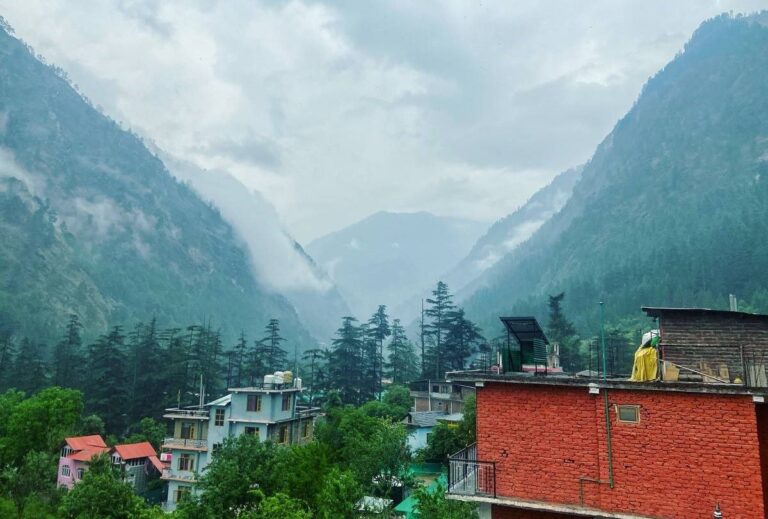
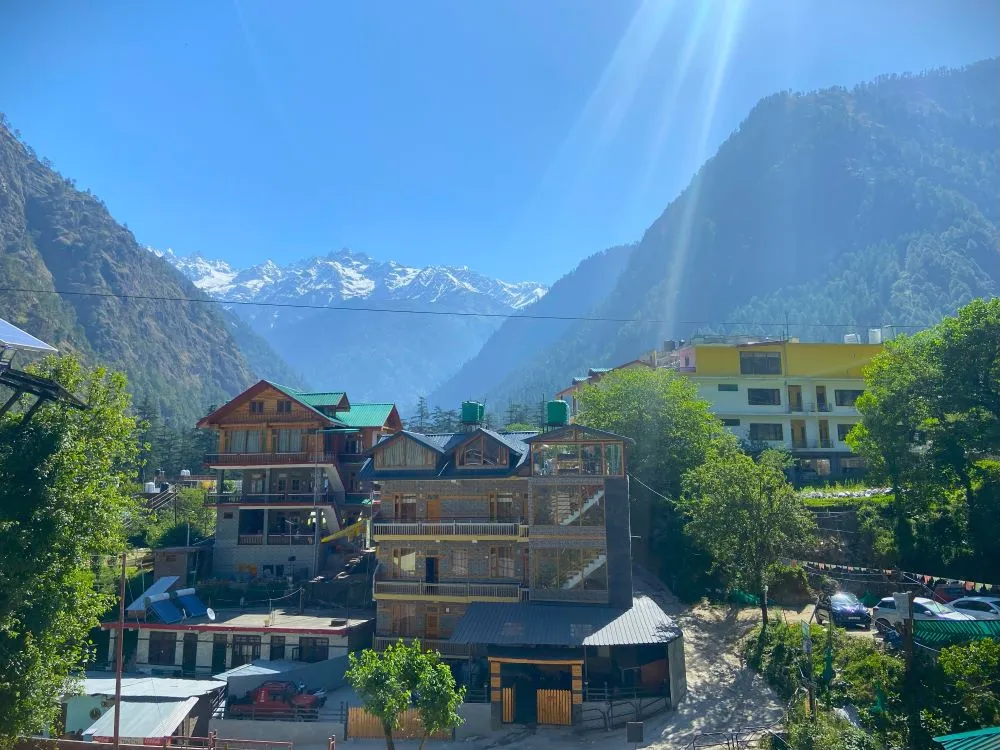
The charming village in Himachal Pradesh offers a refreshing break from urban life. With its crisp air and stunning landscapes, Kasol provides the perfect environment to unwind and reconnect with nature.
The serene surroundings, including the beautiful Parvati River and lush green hills, make it an ideal spot for relaxation and outdoor adventures.
So let me guide you in planning your Weekend trip to Kasol.
For the best experience, make sure you have a 3-day weekend, you can go ahead and request your Friday leave or Monday leave or if required take a sick leave on Friday. Don’t worry Kasol has great internet connectivity, you won’t have problem sending email or attending emergency conference call.
So assuming you are going to take a sick leave, let me help you with your plan.
3 Days Itinerary for your Weekend Kasol Trip
Day 0: Leaving Office on Thursday
Before leaving the office pretend you are unwell, in that way your manager will already be aware of the forthcoming sick request.
After leaving the office, ensure no one is following and now if you are going by car, then just start your journey, or reach Kashmiri Gate to catch the bus.
Day 1(Friday): Arrival in Kasol
Come to your pre-booked hostel or hotel on your arrival in Kasol and relax for a few hours, breathe the fresh air, and enjoy the serenity.
Once done, complete your breakfast and then head to Manikaran. You can book a cab, take a bus or can even walk.
Visit the Gurudwara, if you want you can take a dip at the Manikaran hot spring.
I recommend getting your lunch done in the Gurudwara and visiting the ancient Shiva Parvati temple too.
After completing your visit to Manikaran, head back to your hotel in Kasol, take some rest, and then in the evening, visit Chalal Village.
Chalal is a small village near Kasol which is a half-hour distance by foot. The best part of this hike is walking by the river Parvati, you get to enjoy a serene walk through the green forest
Along the way, you’ll find some cafes where you can grab a bite if your tummy starts to rumble
If you plan, you can stay at Chalal too, there are homestays, camps and even hotels available.
If not, then head back to Kasol, complete your dinner, and go back to bed.
Day 2 (Saturday): Explore Tosh Village
After having breakfast in the morning, check out from your hostel or hotel and proceed towards Kasol bus stop.
This is where you can get the bus or cab to Barshaini village.
From Barshaini bus stop you can trek to Tosh village, it will take around 2 hours to get there.
Explore the village, and enjoy the calmness.
There are homestays and rooms available so no need to worry, I recommend spending the night there.
Alternate Option – Day 2 (Saturday): – Trek to Kheerganga
If you’re up for a bit more adventure, the trek to Kheerganga is a rewarding experience. This is what I did.
Starting from Barshaini, just a short ride from Kasol. You can take a bus or hire a cab to reach there.
The trek is about 12 km and takes around 5 hours, depending on your pace. The trail leads you through thick forests, charming waterfalls, and stunning mountain views.
The real reward comes at the top, Kheerganga is famous for its natural hot springs, where you can soak and relax after the trek. It’s an experience that blends adventure and relaxation, surrounded by breathtaking scenery. Staying overnight in one of the camps is a great option to fully soak in the beauty of the place.
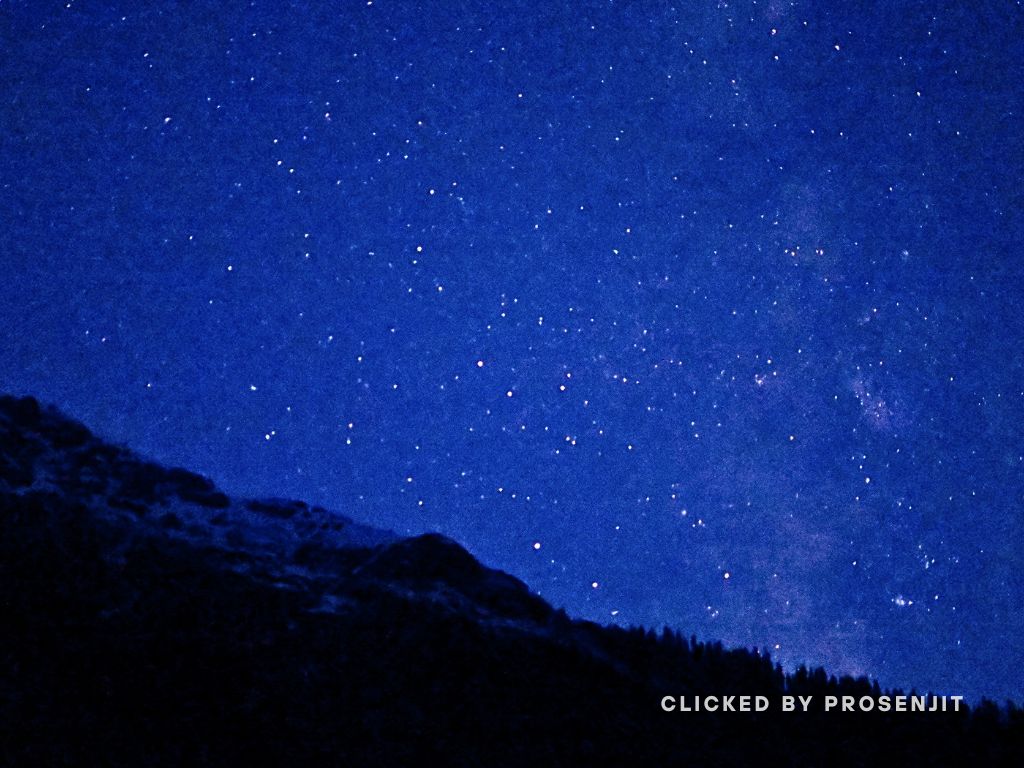
If you have a clear sky, you can do star gazing and also get a glimpse of the milky way.
Alternate Option – Day 2 (Saturday): Explore Parvati Valley
If you’re in the mood for a more relaxed day, I understand that how important it is to detox ourselves in the nature. In such case you don’t need to think much, staying in Kasol is a great choice too.
You can take it easy and soak in the natural beauty around you. Go for a leisurely stroll by the Parvati river, grab a spot by the Parvati River, with the sound of flowing water setting a calm tone for the day.
Enjoy the laid-back vibe of the town, indulge in some local food, and visit the quaint cafes that Kasol is known for. If you feel like exploring, you could take a short walk to Chalal, a small village nearby with beautiful views of the valley.
Day 3 (Sunday): Departure
If you have choose to explore Tosh, you get to enjoy the lovely sunrise. After enjoying the sunrise, head back to Barshaini stop. From there take a cab or bus to reach Kasol.
If you went for Kheerganga trek, explore the place and start your decent early by Kalga village, which is a faster route. Head back to Barshaini and grab a cab or bus to Kasol
You will reach Kasol by 11 am, then explore the local Kasol market, head to some Israeli cafes and it will be almost 4 pm.
Now you can board your bus. If you are boarding from Bhuntar, you can take a cab to reach there. If you are traveling by car, you can start your journey back to Delhi.
Best Time to Visit Kasol
Kasol has many nearby places to explore. However, it is equally ideal for mountain lovers planning for a short weekend trip.
Any long weekend is good enough for Delhites to head to this lovely hill station, however during monsoon it may get a bit risky due to occasional cloud burst and landslides.
So if you are planning for your Kasol trip during a monsoon weekend do check the weather before planning.
Other than that all seasons are nice.
In the summer season, the climate stays average, making it an ideal shake of the hot heat of the plains.
In the winter season, the natural depression experiences cold and chilly weather. The frequent snow showers rework the region into a fairyland.
Conclusion
In essence, Kasol offers an escape from the hustle and bustle of Delhi, wrapping you in the embrace of nature with its cool breezes, breathtaking views, and peaceful vibes.
Whether you’re hiking through lush trails, relaxing by the Parvati River, or indulging in the local culture, this little gem in Himachal is bound to recharge your spirit.
So, pack your bags, plan your leave (maybe add that extra day), and let Kasol work its magic on you. Trust me, by the time you return, you’ll be already planning your next trip back to these serene hills!
P.S Don’t start posting on social media if you have taken a sick leave.
Long gone are the days when k-dramas were a hidden gem that only a few knew. Thanks to Netflix and other streaming platforms for adding another guilty pleasure to our list.
South Korean shows have become a phenomenon, attracting fans waiting to watch the next plot twist unfold. The Korean TV series have a unique way of making us feel things on different levels. From heartfelt to thrillers, your bucket will pour out of melodrama, having you gripped throughout the show.
Haven’t dipped your toes in the world of K-drama shows yet? You are in for a treat! This article will explore top Korean dramas that will steal your heart and keep you wanting more.
K-Obsessed TV Shows for You
Whether it’s a historical tragedy or a modern romance, K-dramas are worth the watch. With their storytelling, talented actors, and beautiful visuals, K-dramas have taken the world by storm. These South Korean dramas offer a unique blend of romance, drama, comedy, and everything in between.
These top delightful escapes with its charming stories, characters, and beautiful cinematography will leave viewers warm and fuzzy.
Crash Landing On You
A show meant to be rewatched, Crash Landing On You is a unique love story revolving around a South Korean heiress who in a paragliding accident ends up in North Korea and into the life of a charming army officer.
During the time of airing, the series became the highest-rated TV series and the second highest-rated in Korean cable TV history in terms of viewership and ratings.
Crash Landing On You is filled with heartwarming moments, complex relationships, intense drama, and plenty of laughter.
Sure to make you drool over these two lead actors, Hometown Cha-Cha-Cha is a remake of the Korean film Mr. Handy, Mr. Hong. The series is one of the highest-rated Korean cable TV history.
The show features a successful dentist from Seoul who relocates to Gongjin after losing her job and meets the town’s beloved handyman. Despite their differences, they establish a close bond and fall in love.
Explore the themes of love, community, and personal growth in the comforting backdrop of a small town.
Take a nostalgic trip back to the 1980s that is filled with charm and delight with Reply 1988. The story revolves around five friends living in the same neighbourhood of Seoul, leaning on each other and surviving through their teenage years.
The show garnered widespread acclaim from both critics and viewers. The final episode of which received 18.8% nationwide audience share.
Reply 1988 captures the feeling of close friendship, family, and first love, which is heartwarming and resonating. The series has a way of making you feel like you are also a part of the family.
A unique blend of romance and fantasy, Hotel Del Luna is based in a magical hotel, catering to ghosts. This K-drama series is one of the most watched of 2019 and we don’t see any reason why it shouldn’t be!
The series stands out for its appealing visuals, engaging characters, and interesting storyline. The love story between the lead actors and the supernatural element adds another layer of charm to the show.
Another fantasy drama with the blend of supernatural and romance—the story of a goblin who is cursed to live for centuries and his quest to find a bride who can end his immortality (that’s the uniqueness of K-drama!). Along the way, he meets a high-school student who can see ghosts and finally their fates entwine.
The show’s final episode achieved more than 18% nationwide audience share, ranking it as the seventh highest-rated drama in Korean cable television history. The show received critical acclaim and became a cultural phenomenon in South Korea.
The Guardian series is beautiful and has an emotionally gripping storyline. The fantasy and romance element will definitely hook you.
A 2020 South Korean TV series that has captured the attention of the audience for its powerful story of justice and personal growth. The story centres around a young man, seeking revenge on the food conglomerate after his father is wrongfully imprisoned. He embarks on a journey to build his business empire and confront his enemies.
Itaewon Class explores themes of self-discovery and perseverance and highlights the corrupt system. This is a must-watch, leaving lasting impression on the viewers.
The allure of K-drama is about the intriguing storyline, relatable characters, and emotional depth. The romance, fantasy, nostaglia, and community bond sets K-dramas apart from others.
If you are new to K-drama, starting with these top incredible shows is best to dive into the genres with each offering a varied flavour of storytelling. K-dramas can fix you and hook you for hours. So, settle and let these fascinating shows steal your heart.
You might even see yourself falling head over heels for Korean TV shows in no time!
The pursuit of well-being extends beyond physical health. Yes, wellness does integrate mind, body, and soul for living a healthy life but only when these three things are in harmony, you can experience a deeper sense of wholeness.
The concept of holistic well-being isn’t new, it’s an age-old practice that has gained traction for its nature and comprehensive benefits.
Maintaining equilibrium can be challenging for sure in a fast-paced life, but not impossible. If you are reading this post, we will take you further in understanding the importance of balancing these three dimensions and how to do it.
Keep reading!
What is the Mind, Body, and Soul Connection?
Your thoughts, emotions, and beliefs are the connection between mind and body, which can influence the working of the body for better or worse.
Research has proven that these three distinct networks come together to connect to each other: head, gut, and heart, also known as ‘The Three Brains.’
Here’s a breakdown of how these interact:
Mind: Mental health, including your thoughts and beliefs, influences how you perceive and respond in life.
Body: Physical health encompasses sleep, nutrition, exercise and overall physical maintenance.
Soul: Spirituality and sense of purpose and connection to something greater.
When one of these areas is imbalanced, it affects the other two. These forces maintain balance and equilibrium and weave together to form the foundation of better health.
What is Holistic Wellness?
Transcending the notion of only physical health, the holistic approach recognises the connection between the mental, physical, and spiritual. Understand this approach by taking an example of a tree. A tree’s root determines the trunk and the leaves. This closely stands true for your body as well.
Holistic wellness can help you improve your health, boost your productivity, and become more resilient.
How to Strengthen Your Mind, Body, and Soul?
Let’s look at these few steps:
Nurture Your Mind
The mind determines how you interact with the world. A well-balanced mind can process information, solve problems, and manage emotions.
Practicing Mindfulness and Meditation
Practice one of the powerful tools for mental balance—mindfulness meditation. According to studies, mindfulness reduces stress, anxiety, and depression. It helps you in focusing on the present moment and keep a non-judgemental attitude.
If you do not know how to practice mindfulness meditation, watch this video:
Gratitude Balancing through Positive Thinking
Have you struggled before with how to keep a positive mindset? If so, you are not alone. Maintaining a positive mindset is essential for emotional health. Negative thoughts cloud judgment and lead to anger or hopelessness. A positive attitude requires practising gratitude.
Take out five minutes each day and write things you are grateful for. This positive habit will soon reflect on your attitude and state of mind.
Caring for Your Body
Physical health is an essential part of mental wellness. Taking care of your body involves more than avoiding sickness. A well-maintained body contributes to higher energy levels and improved moods.
Regular Exercising
According to the American Heart Association, adults should aim for at least 150 minutes of mild exercise every week. Apart from strengthening muscles, workout releases endorphins, reducing anxiety and uplifting mood.
Nutrition and Hydration
Eating impacts physical and mental well-being. When you have a balanced diet with rich fruits and vegetables, proteins and grains, your body and brain function optimally.
Additionally, drinking enough water maintains your energy level and cognitive function. Aiming for eight glasses of water per day can help.
Practicing Self-Care
Self-love is the ultimate act of self-care. This can mean prioritising your well-being by either setting your boundaries, finding a new hobby, or taking out time for yourself.
Nourishing the Soul
It’s the soul that shapes the purpose and connection to the world around you. Nourishing the soul connects with different parts of yourself, and brings joy to life.
Reflection and Setting Goals
Self-reflection helps in identifying what really matters to you. Set your personal and professional goals that align with your values and maintain a sense of direction.
Spiritual Practices
Spirituality involves connecting to something greater whether through religion or simply spending time in nature. The aim is to feel at peace while staying connected. Activities like meditation, prayer, or a walk through nature can nurture the soul. Connecting with your closed ones or even contributing for a cause can support spiritual health.
Acts of Kindness
You may have heard the saying, “A smile goes a long way.” A simple act of kindness, be it a small act or a big gesture; saying “please” or a simple “thank you” has the potential to cheer someone up and bring a smile to their face.
How to Achieve the Balance? Practical Tips
Now you understand how important it is for mind, body, and soul to stay in harmony. Here we have listed some practical easy tips to help you achieve the right balance:
Have a daily ritual: Begin your day with meditation practice and writing a gratitude journal.
Movement is necessary: Stick to some kind of exercise plan, whether it is yoga or cardio.
Create connection: Stay connected with your loved ones and build healthy relationships.
Take our time: Weekly reflecting on your goals will align you with your values.
Rest and recharge: Prioritise rest and leisure activities to recharge mentally and physically.
Implementing small changes in daily life can create an outstanding balance and assist you in facing life’s challenges with peace. Balancing mind, body, and soul is a lifelong journey. Start this blissful journey today.
Ever wondered why your grandma swore by specific home remedies? Well, there is a reason those age-old secrets have stood the test of time. One such golden gem is turmeric.
Yes, that bright yellow spice in your kitchen is not just for adding flavour and colour to your curries. It is a powerhouse ingredient for natural beauty skincare, too! From brightening your skin to boosting your immune system, turmeric has earned its place as a trusted home remedy.
Eat A Turmeric Root Daily In Your Morning Routine
Let us kick things off with a little morning ritual.
You start by stretching up a bit and heading to the kitchen.
Instead of reaching for that cup of coffee, you grab a glass of warm water and add a small root of turmeric, also known as ‘kachi haldi.’ This basic habit can set a positive reflection for your entire day. Drinking warm water with turmeric on an empty stomach can do wonders for your health.
It is like giving your body a gentle wake-up call, saying, “Hey, it is time to start fresh!”
Turmeric’s magic ingredient, curcumin, is a powerhouse.
It is a natural anti-inflammatory and antioxidant, meaning it helps reduce inflammation in your gut, supports your liver function, and even boosts your metabolism. Nothing can be better than starting your day with this golden elixir, knowing you are not just waking up your digestive system but also cleansing your body from the inside out.
Plus, it is a fantastic way to revitalise your day with a dose of natural beauty skincare from within. To know more, dive into the specifics of how this little habit can make a big difference in your health and beauty routine.
The Benefits Of Consuming Turmeric Roots
Anti-Inflammatory Powerhouse: Turmeric is renowned for its anti-inflammatory properties. It aids in reducing chronic inflammation, which is linked to various health concerns, including arthritis, heart disease, and even cancer.
Boosts Immunity: Regular consumption of turmeric for natural beauty skincare can shore up your immune system, making it facile for your body to fight off infections and illnesses.
Aids Digestion: Turmeric stimulates bile production, aiding in digestion and helping to prevent bloating and gas.
Natural Detoxifier: Turmeric supports liver function, helping to cleanse your body and flush out unhealthy toxins.
Weight Management: Turmeric can be a helpful ally in your weight management journey by boosting metabolism and aiding in fat digestion.
Turmeric: Not Just For Curry Anymore!
I have been using turmeric in my daily skincare routine, and trust me, it never dissatisfies you. Incorporating turmeric into your natural beauty skincare routine can work wonders for your complexion.
Whether you are battling acne, dark spots, or dull skin, turmeric has got you covered.
Turmeric, popular for its bright yellow hue and earthy aroma, is not just a staple in the kitchen but also a treasure trove for your skincare routine. The active element in turmeric, curcumin, is a powerful antioxidant with anti-inflammatory and antibacterial properties. These qualities make turmeric a versatile and effective ingredient for addressing multifarious skin concerns.
From ancient Ayurvedic practices to modern skincare, turmeric has been hailed as a go-to remedy for achieving healthy, glowing skin.
When applied topically, turmeric can help improve your skin’s overall health and appearance. Its multifaceted edge makes it a popular choice for natural beauty skincare enthusiasts looking to enhance their routine without relying on harsh chemicals.
The Benefits Of Applying Turmeric On Skin
Fights Acne: Turmeric’s antibacterial properties is a solution to combat acne-causing bacteria, while its anti-inflammatory effects reduce redness and swelling.
Even Skin Tone: Regular use of turmeric can fade dark spots and hyperpigmentation, providing you a more even skin tone.
Brightens Complexion: Turmeric is a natural skin brightener. It confers a healthy glow to your skin, making it look radiant and fresh. It is a natural beauty skincare which you find in every kitchen.
Reduces Wrinkles: The antioxidants in turmeric help protect your skin from free radical damage, reducing the appearance of fine lines and wrinkles.
Soothes Skin: If you have sensitive or irritated skin, turmeric can help calm and soothe it. Thanks to its anti-inflammatory properties!
What Is The Link Between Stomach Health And Skin Health?
You might be wondering, what do my stomach and skin have to do with each other?
Well, the connection is more potent than you think.
Let me break it down for you!
A healthy gut often reflects on your skin. When your digestive system functions well, it shows on your skin – fewer breakouts, less redness, and a more vibrant complexion. On the flip side, digestive issues can lead to skin problems.
That is where the natural beauty skincare benefits of turmeric come into play. Moreover, turmeric helps maintain that crucial balance by supporting your gut and skin.
The Scoop: Maintain A Balance Between Stomach And Skin
Maintaining the balance between a healthy gut and glowing skin is simpler than you might think. It is all about making a few smart choices and sticking to them. By compiling these tips and tricks into your daily skincare routine, you can enjoy the best of both worlds – a happy tummy and radiant skin.
As I have done it myself, I will tell you the best practices you can do sitting at home.
Buy my words. It is simple and effective. Using turmeric in your natural beauty skincare regime might cause your best Korean skincare brands to fall apart.
1. Incorporate Turmeric Into Your Diet
Start your day with turmeric water, add it to your meals, or take it as a supplement.
2. Use Turmeric Face Masks
Mix turmeric with yogurt or honey to create a natural face mask. For the best results, apply it once or twice a week along with your other natural beauty skincare.
3. Stay Hydrated
Drink plenty of water to keep your digestive system and skin hydrated.
4. Eat A Balanced Diet
Counting calories with fruits, vegetables, and whole grains supports gut and skin health.
5. Practice Regular Skincare
Cleanse, tone, and moisturise your skin daily. Incorporate natural beauty skincare products that contain turmeric.
Nonetheless, in this fast-paced world, there are alternatives for everything. If raw turmeric or kachi haldi is not available in your area, opt for these organic turmeric products for glowing skin.
Top Turmeric Skincare Products In India
First Aid Beauty Hello FAB Ginger & Turmeric Vitamin C Jelly Mask
Kiehl’s Since 1851 Turmeric & Cranberry Seed Energizing Radiance Mask
Andalou Naturals Turmeric + C Enlighten Face Serum
Farsáli Haldi Eyes Brightening Turmeric Eye Cream
Volition Beauty Turmeric Brightening Polish
Clarins Double Serum Complete Age Control Concentrate
Glow Recipe Banana Soufflé Moisture Cream
The Inkey List Turmeric Brightening Moisturizer
Gleamin Vitamin C Clay Mask with Turmeric and Aloe
ANAIRUI Turmeric Clay Mask
Bottom Line
Turmeric is truly a kitchen staple and a beauty elixir. Follow it like a ritual for diet and skincare. With each passing day, you will be embracing a holistic approach to natural beauty skincare. Remember, beauty starts from within, and turmeric is your trusty ally in this journey. So, next time you reach for that golden spice, know that you are doing wonders for your body and your skin.
Frequently Asked Questions (FAQs)
Can I use turmeric on my skin daily?
It is best to use turmeric on your skin a few times a week. Daily use can sometimes lead to dryness or irritation, especially if you have sensitive skin.
Can turmeric help with acne scars?
Yes, turmeric can help lighten acne scars over time due to its anti-inflammatory and skin-brightening properties.
Is it safe to eat turmeric root every day?
Absolutely! Eating turmeric root daily can provide numerous health boons, but always consult with a healthcare provider if you have any underlying health conditions.
How long does it take to see results from using turmeric on the skin?
Results can vary with natural beauty skincare routines, but with regular use, you might start noticing improvements in your skin’s texture and tone within a few weeks.
Can turmeric cause any side effects?
While turmeric is generally safe, excessive use can lead to digestive issues or skin irritation. Always use it in moderation.