


Meghalaya has moved well beyond the “beautiful Northeast destination” tag. More and more travellers are visiting for experiences that cannot be recreated elsewhere. This includes walking across living root bridges, exploring caves, kayaking on clear rivers and the list just goes on.
The numbers climb up the growing interest. According to the Meghalaya Government’s 2026 Governor’s Address, tourist footfall in the state has increased to nearly 60% since 2022. While tourism-backed livelihood reached more than 75,000 people by 2025.
So, what’s drawing travellers to Meghalaya? And why could the state remain a major travel choice through 2027.
Meghalaya Is Having a Serious Tourism Moment
Meghalaya tourism growth is not just based on social media posts and photos. The state recorded about 16 lakh tourists in 2024, according to the Meghalaya Government’s 2025-2026 budget speech. That was 33% higher than the pre-covid level of 12 lakh.
The government is also investing in tourism infrastructure. Projects worth crores have already been initiated in 2025-2026 which covers destinations around Sohra, Umiam Lake, Dawki, Mawsynram.
Meghalaya isn’t just simply becoming more popular, more destinations are being developed to manage visitors beyond the traditional Shillong-Sohra circuit.
Shillong Offers Experiences You Don’t Get in a Typical Hill Station
Four factors are propelling its popularity on the charts simultaneously: crowd fatigue in places like Manali and Mussoorie, surrealistic landscape footage that looks great on short videos, easy accessibility from Guwahati and Shillong, and the craving for culture-based travel.
Each factor by itself is enough to propel it into prominence. Combined, they have turned Meghalaya into the automatic choice when someone says, “Where should we go, not Goa or Himachal?”
Tourists are simply sick and tired. Sick and tired of traffic jams on Mall Road, tripling room rates during the peak season, and lining up for a photograph from a scenic spot.
Meghalaya is not deserted; it is vast. Take the trek to Nongriat and you will be with dozens of other trekkers, not thousands of others. Stay at a Khasi village homestay and you will awaken to cocks crowing, not honkings. Tourism in Meghalaya is still at a human pace and scale.
What Are the Living Root Bridges, and Are They Worth the Hike?
Living root bridges are one of the main attractions, and they don’t disappoint. For generations now, Khasi and Jaintia tribesmen have been training the aerial roots of the rubber fig (Ficus elastica) to grow over rivers and streams, through bamboo frameworks, until the roots grow into living bridges.
Some are supposed to be more than a hundred years old. They only get better with age, as the roots continue to grow.
Double Decker Root Bridge of Nongriat is what everyone is talking about. One must go down some 3,000 steps from Tyrna village to get there. Descending is easy. Climbing up is much less so. The knees sent their protest letter.
But it’s all worth it. Beyond the bridge lies Rainbow Falls, a pool of turquoise surrounded by a green cliff. Set out early (before 8), bring your water and footwear with good traction. The steps are slippery regardless of weather conditions.
3,000 steps seem too many for you? Then check out the Riwai root bridge near Mawlynnong. No steps here at all. And no damage to the knees either.
Are the Views of Dawki Like the Pictures?
Yes, but in winter. The pictures aren’t retouched; it’s the season that’s working its magic here.
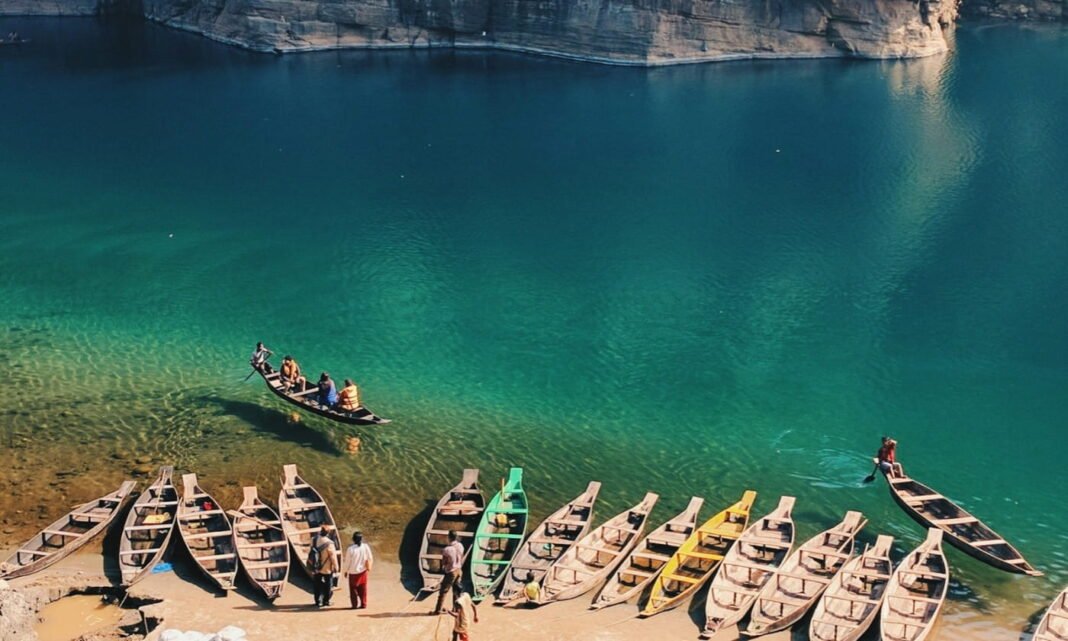
Dawki’s Umngot River, which forms the border between India and Bangladesh, is low and crystal clear from around November to March. The boats seem to glide above the riverbed. In the rains, the same waters are murky and swollen, the magic gone.
Based out of Shnongpdeng for the best view. You can kayak, snorkel, camp by the riverside, and enjoy the sunset sans tour buses.
Waterfalls and Caves to Consider in Meghalaya
Sohra (Cherrapunji) and Mawsynram are some of the rainiest places on earth, and this comes out in the terrain.
- Nohkalikai Falls drops almost 340 meters and is one of the highest plunging waterfalls in India. Visit in the morning, before the clouds settle.
- Seven Sisters Falls (Nohsngithiang) divides into seven streams in a limestone ridge. It is best during monsoon and sounds like thunder.
- Mawsmai Cave is illuminated, short, and suitable for beginners.
- Krem Mawmluh around Sohra is better suited for those looking for an adventure.
- Siju Cave in Garo Hills is wilder and sparsely visited.
Monsoon period (June to September) provides you with the most water but also the most danger. Landslides shut down the roads. Clouds obscure the views. If you visit in the monsoon period, always have buffer days.
Culture Within the Landscape of Meghalaya
Matrilineal inheritance is practiced here. Descent is traced through the female line in the Khasi, Jaintia, and Garo tribes.
Names of clans come from mothers. In the case of Khasi, it is customary to pass on ancestral property to the youngest daughter (khatduh).
It defines your visit in ways that might surprise you. Homestays are managed by women. The Iewduh market in Shillong, which is one of the oldest and busiest in the region, is home to many women traders.
The holy forests of Meghalaya, such as Mawphlang, are preserved due to community beliefs.
Go there with a local guide, take nothing away, and do not even pick leaves.
This is what people will seek in 2026 and 2027. They are looking for somewhere where the culture does not appear to be performed for tourists. Meghalaya is able to offer them just that.
What Do You Need To Be Aware Of Before Visiting Meghalaya?
The Meghalaya shown on Instagram is not entirely representative. Here are some important things to remember before booking your trip:
- Be ready for different weather. The rain may come unexpectedly, especially during the rainy season.
- Underestimate the trekking routes. Sometimes you’ll have to walk quite a lot and climb many stairs to see an attraction.
- Plan your time. Travel can take longer than expected due to mountain roads and weather conditions.
- Get informed about local conditions. Roads may be closed and some attractions will be inaccessible due to weather.
- Wear appropriate shoes. Wet and bumpy paths are typical.
- Don’t take rivers lightly. Follow all safety rules while visiting them.
- Think about hiring local guides. They may be helpful when trekking, visiting caves and other routes.
- Book in advance. Increased number of visitors can affect the availability of accommodations during peak seasons.
- Respect locals and natural sites. Don’t litter and damage the plants, don’t enter any restricted areas.
This list will help you plan your vacation responsibly, but not to avoid Meghalaya.
What Festivals Should You Visit For in Meghalaya?
First trip to Meghalaya? Go between November and February and here’s why
- Shillong Cherry Blossom Festival (November): Wild Himalayan cherry blossoms light up the autumn landscape of Shillong in pink color.
- Wangala (November): Garo Harvest Festival marked by drums, dances, and colorful costumes.
- Nongkrem (November): A Khasi festival, celebrated close to Shillong, and mainly focused on dances.
- Shad Suk Mynsiem (April): A Khasi joy dance celebrated in Shillong.
Festival dates vary every year. Check with Meghalaya Tourism before booking.
What mistakes do first-time visitors make?
- Overpacking the schedule. Hill roads are slow. A 60 km drive can take three hours.
- Ignoring the weather. Check forecasts daily, not once.
- Driving at night. Don’t.
- Booking at the last minute in November. Festival season fills rooms fast.
- Treating sacred sites like sets. Ask before photographing rituals, groves, or people.
- Leaving plastic behind. Carry your waste out. Villages work hard to stay clean.
Why Would Meghalaya Stay in Vogue until 2027?
Since 2022, visitor numbers have surged by nearly 60%. The state is also building up the number of homestays, creating new tourist circuits and improving major destinations.
It is these two elements together that make Meghalaya stand out, it has the demand as well as the investments.
Newer areas are being discovered by tourists. Local communities are involved in tourism. Accommodation options are being expanded. At the same time, there are investments in destinations other than the standard tourist circuit.
For the tourist thinking about travelling in 2026 or 2027, the logic is clear: Meghalaya provides waterfalls without requiring a luxury resort, adventure without an expedition holiday, culture in addition to nature and road trips where the journey itself is a part of the fun.
But don’t expect to see everything during a single visit.
Meghalaya needs enough time, room in your schedule and even some leeway for the weather. This is when the state reveals its true charm.
Frequently Asked Questions
Is Meghalaya safe for solo and women travellers?
Meghalaya is widely regarded as one of India’s more welcoming states for solo and women travellers. Use normal precautions: avoid late-night road travel and tell your host your plans.
How many days do you need in Meghalaya?
Five days covers the highlights. Seven lets you add the Garo Hills or a slower stay in a village.
Is Meghalaya expensive?
Not by Indian hill-station standards. Homestays and local meals are affordable, though prices climb during November festivals and long weekends.
What is Meghalaya best known for?
Living root bridges, the wettest landscapes on Earth, crystal-clear rivers, deep caves, and a matrilineal culture.
When is the best time to visit Meghalaya?
October to April: Clear skies, cool weather, and the best Dawki visibility. This is peak season for good reason.
March to May: Warmer, quieter, and good for trekking early in the day.
June to September: Monsoon. Dramatic waterfalls, lush hills.


