


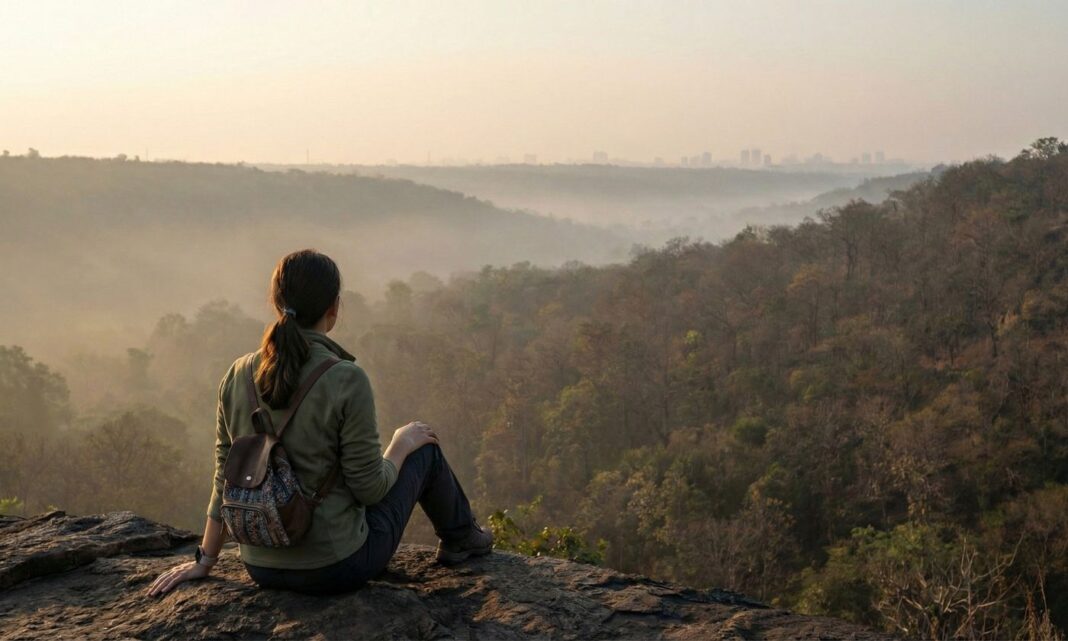
City life gives us speed, access, and opportunity, but it does take away one thing, and that is silence. Over time, the noise starts to feel heavy. That’s when most of us look for an escape. Not a long vacation but just a pause.
What many people don’t realize is that you don’t need remote mountains or expensive flights to find calm. Some of the most peaceful places sit quietly near big cities. They remain unnoticed because they don’t shout for attention. They don’t promise luxury. They offer something better: space, nature, and a slower rhythm.
This guide explores places near major Indian cities that still feel untouched. These destinations exist, and people do visit them, yet they stay free from heavy crowds and over-tourism. If you prefer calm over chaos, this list will help you travel better.
What “Untouched” Really Means
Before we go further, let’s clear one thing.
Untouched doesn’t mean empty or secret. It means:
- Minimal commercial development
- Limited tourist infrastructure
- Natural surroundings still intact
- Local life still visible
These places allow you to walk, sit, observe, and breathe without constant distraction. That’s what makes them special.
Near New Delhi – Asola Bhatti Wildlife Sanctuary
Most people associate Delhi with traffic, history, and pollution. Few imagine wildlife so close. Asola Bhatti Wildlife Sanctuary sits on the southern edge of the city and offers a completely different world.
Dry hills, open grasslands, and forest trails stretch quietly across the area. You’ll hear birds instead of engines. You see peacocks, nilgai, and native plants that thrive without human interference.
Why it feels untouched
- Limited entry points
- No commercial cafes or stalls inside
- Large area with few visitors
Best time to visit: Winter and early spring
Ideal for: Morning walks, birdwatching, solo reflection
Distance: About 45–60 minutes from central Delhi
Go early. Carry water. Walk slowly. Let the silence guide you.
Near Mumbai – Tungareshwar Forest and Trek
It’s true, Mumbai never sleeps, and that’s why Tungareshwar feels like a surprise. Located near Vasai, this is a forest area that offers fresh air, shaded trails, and gentle climbs. In the monsoon, the greenery deepens. You can witness small waterfalls appearing quietly along the path and even the forest retains its calm.
Why does it stay calm?
- No resorts nearby
- Nature is the main attraction
- No loud adventure activities
Best season: Monsoon and post-monsoon
Ideal for: Nature lovers, couples, photographers
Distance: Around 1.5–2 hours from Mumbai
Avoid weekends if you want deeper quiet. Weekday mornings work best.
Near Bengaluru – Makalidurga Hill and Railway Track
As you know, Bengaluru has a lot of gateways, but Makalidurga still feels raw. The experience begins even before you start the climb. You can witness wide views and old ruins from the hilltop. This space truly feels open and honest to a great extent.
What makes it special?
- Controlled entry limits crowd size
- No commercial activity on the hill
- Long stretches of silence
Best time: October to February
Ideal for: Light trekking, mindful walks
Distance: About 1.5 hours from Bengaluru
Carry good shoes and water. The simplicity is the reward.
Near Kolkata – Bawali Rajbari & Rural Surroundings
The attractiveness of Kolkata is its culture. Something similar is experienced at Bawali Rajbari, which is located just outside Kolkata.
The heritage structure exists among villages, ponds, and farming areas. When you step beyond the boundary, you experience roads narrow enough for life to pass at a slow pace. People greet you. Land spreads out under the sky.
Why it feels untouched?
- Strong local community presence
- Lesser tourist arrivals
- Cultural depth without performance
Best time to visit: Winter
Ideally suited for: Slow travel, heritage enthusiasts
Distance: Approximately 1.5 to 2 hours away.
Spend time taking walks. Observe. The beauty is in everyday life.
Near Chennai – Pulicat Backwaters
Pulicat Lake and its surrounding backwaters offer a rare calm near Chennai. Water spreads quietly across the land. Birds arrive in large numbers during winter. Fishermen move gently through the channels.
The area doesn’t cater to mass tourism. That keeps it honest.
Why it remains pristine
- Fragile ecosystem discourages overdevelopment
- No flashy attractions
- Nature leads the experience
Best time: November to February
Ideal for: Bird lovers, early risers
Distance: About 2 hours from Chennai
Visit at sunrise. Respect the environment. Keep noise low.
6. Near Pune – Quiet Corners of Lavasa
Lavasa is crowded during peak times, but when you move slightly away from the center, everything changes. You notice lesser-used trails, calm lakeside spots, and empty viewpoints, offering moments of stillness. Just sitting quietly works the best.
Why it still works
- Large area spreads visitors thin
- Natural landscape dominates
- Easy access without chaos
Best time: Winter
Ideal for: Short breaks, mental reset
Distance: Around 2 hours from Pune
Choose early mornings or weekdays for the best experience.
How to Choose the Right Place?
Ask yourself one simple question: What do I need right now?
- Mental rest → Forests and lakes
- Cultural grounding → Villages and heritage areas
- Gentle movement → Hills and walking trails
Matching intention with destination improves the experience.
What to Carry?
You don’t need much. Keep it simple.
- Reusable water bottle
- Comfortable walking shoes
- Sun protection
- Light snacks
- Power bank
- Small notebook
Travel light. It helps you stay present.
How to Travel Responsibly
These places stay untouched because people treat them well.
- Carry back all waste
- Avoid loud music
- Respect local life
- Stay on marked paths
- Leave nature as you found it
Responsible travel protects future experiences.
Final Thoughts
Travel does not always need long leaves, packed itineraries, or faraway destinations. Sometimes, the most meaningful journeys begin close to home. Places near big cities that still feel untouched remind us that calm still exists, even when life feels rushed. These spaces allow us to slow down without pressure. They give us time to notice small details: the sound of birds, the smell of wet soil, and the warmth of morning light. When places stay less crowded, they help us reconnect with ourselves instead of chasing checklists.
Choosing such destinations also reflects a more mindful way of travelling. You support local communities. You reduce stress on nature. You return home refreshed, not exhausted. These quiet escapes don’t try to impress you. They simply invite you to pause, breathe, and feel present. And often, that pause becomes the most valuable part of the journey.
Sometimes, the places that give us the most peace are the ones that never asked for attention at all.


